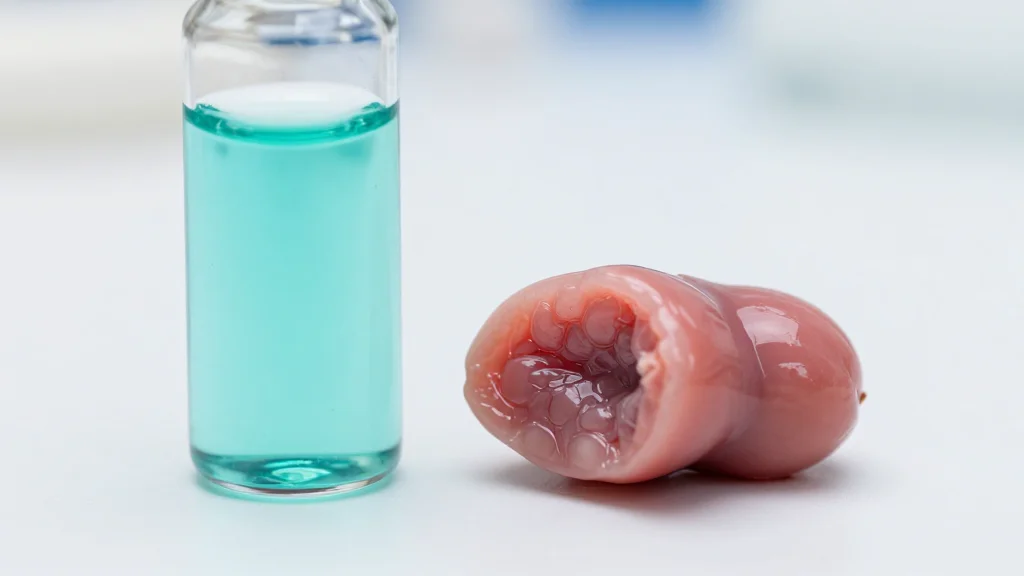
Engineered Probiotic Heads to Human Trials
Why It Matters
If successful, the trial could validate a new class of live biotherapeutics that act only when disease flares, offering a targeted, low‑dose alternative to current IBD drugs and reshaping microbiome‑based medicine.
Key Takeaways
- •Engineered E. coli Nissle 1917 targets inflamed gut as fuel
- •Human trials start in Australia August 2026
- •Preclinical studies showed superior efficacy to standard probiotics and drugs
- •Low-dose, intermittent dosing achieved remission in mouse colitis models
- •Patent licensed to spinoff Melius MicroBiomics for commercialization
Pulse Analysis
Microbiome therapeutics have long struggled with the paradox of delivering beneficial microbes to an inflamed gut, where they are most needed but also most likely to be expelled. Synthetic biology now offers a solution: by reprogramming Escherichia coli Nissle 1917 to metabolize inflammation‑specific metabolites, researchers create a self‑selective advantage that allows the probiotic to bloom precisely during disease flare‑ups. This approach sidesteps the need for high‑frequency dosing or adjunct antibiotics, addressing a core limitation that has hampered earlier probiotic trials.
The engineered strain’s preclinical performance is noteworthy. In murine colitis models, a single low‑dose administration restored epithelial barrier integrity, shifted cytokine profiles toward anti‑inflammatory states, and promoted a healthier microbial consortium. Compared with conventional probiotics and even standard 5‑ASA therapy, the live biotherapeutic reduced histologic inflammation scores and prevented disease progression over a 16‑week period. A parallel porcine study confirmed safety and pharmacokinetic parameters suitable for human regulatory review, paving the way for the upcoming Australian Phase 1 trial.
Commercially, the technology could catalyze a shift in inflammatory bowel disease treatment paradigms. Live biotherapeutics that activate only in response to pathological cues promise reduced systemic exposure and lower manufacturing costs relative to biologics. The licensing deal with Melius MicroBiomics positions the spinoff to attract venture capital and partner with major pharma for global rollout. Moreover, the platform’s modularity suggests broader applicability across other inflammation‑driven conditions, potentially spawning a new category of precision microbiome medicines.
Engineered probiotic heads to human trials
Comments
Want to join the conversation?
Loading comments...