FDA Expands Tremfya’s Label in Psoriatic Arthritis
Companies Mentioned

Why It Matters
By confirming that guselkumab can halt joint erosion, the label expansion offers rheumatologists a disease‑modifying option, potentially reducing long‑term disability and health‑care costs associated with psoriatic arthritis.
Key Takeaways
- •FDA expands Tremfya label to include structural damage inhibition in PsA
- •APEX trial showed 24‑week radiographic progression reduced vs placebo
- •Study involved >1,000 biologic‑naïve adults with active psoriatic arthritis
- •Guselkumab now the only IL‑23 inhibitor proven to halt joint damage
- •Label update enables earlier use across treatment cascade for all disease domains
Pulse Analysis
The FDA’s label expansion for Tremfya marks a pivotal shift in the therapeutic landscape of psoriatic arthritis (PsA). Historically, treatment focused on symptom control and skin clearance, while preventing irreversible joint damage remained elusive. Guselkumab, an interleukin‑23 p19 inhibitor, joins a limited class of biologics that now carry a disease‑modifying claim, aligning it with the clinical goal of preserving function and quality of life for patients who often face chronic pain, fatigue, and progressive disability.
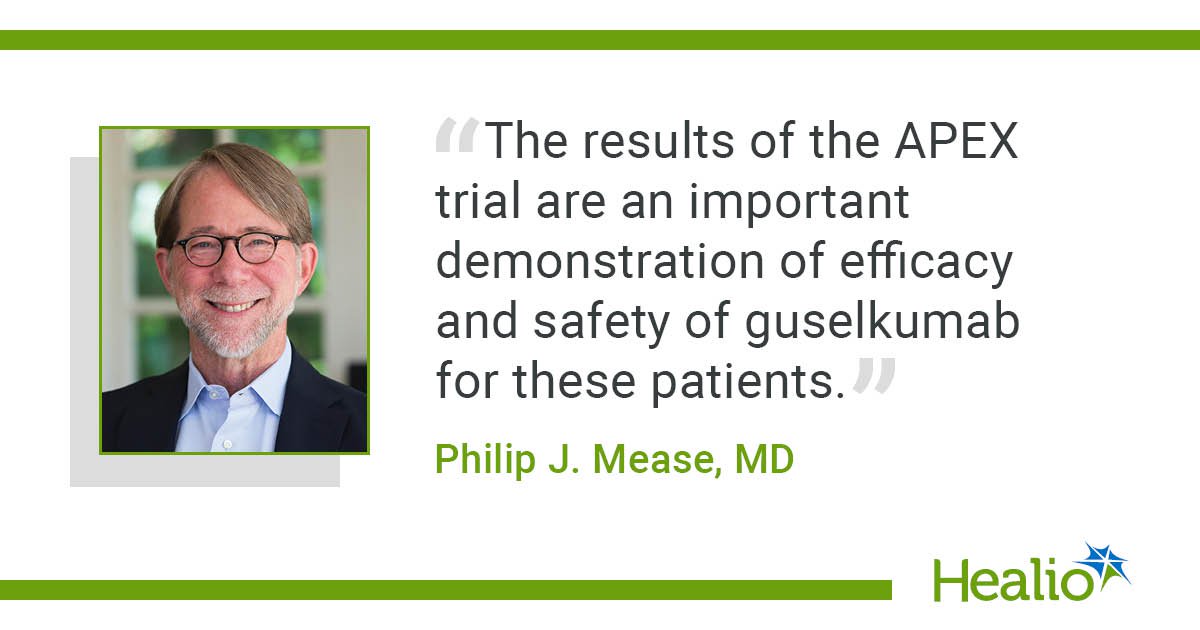
The APEX trial, published in the Annals of the Rheumatic Diseases, enrolled over 1,000 biologic‑naïve adults with active PsA and compared guselkumab to placebo over 24 weeks. Radiographic assessments revealed a statistically significant reduction in structural progression, translating to fewer erosions and joint space narrowing. Importantly, the safety profile mirrored previous studies, reinforcing confidence for early‑line use. Rheumatologists can now justify prescribing Tremfya not only for skin and joint inflammation but also as a proactive strategy to safeguard joint integrity, addressing a core patient concern about long‑term mobility.
From a market perspective, the label update differentiates Tremfya from competing IL‑17 inhibitors and TNF‑alpha blockers that lack explicit joint‑damage claims. Payers are likely to view the disease‑modifying benefit as a cost‑offset, potentially easing formulary restrictions and encouraging broader adoption. The move also strengthens Janssen’s position in the biologics arena, where pipeline competition is intensifying. As real‑world evidence accumulates, the expanded indication could spur additional research into combination therapies and earlier intervention protocols, further cementing guselkumab’s role in comprehensive PsA management.
FDA expands Tremfya’s label in psoriatic arthritis
Comments
Want to join the conversation?
Loading comments...