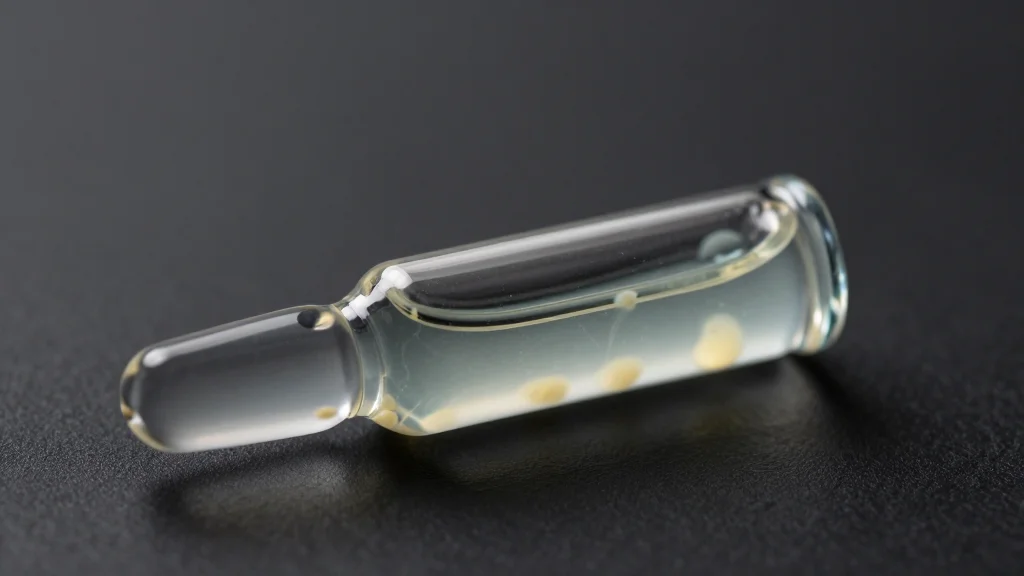
Harima B.Stem Corp. Posts 38% Profit Rise on Strong Stem‑Cell Revenue Surge

Why It Matters
Harima B.Stem’s earnings highlight the commercial traction of stem‑cell therapies in a market that has long been dominated by research grants and early‑stage trials. The profit jump signals that cell‑based products can achieve scale and profitability, encouraging venture capital and pharmaceutical partners to invest in similar platforms. Moreover, the company’s expanding contract‑manufacturing business illustrates a growing ecosystem of biotech firms that rely on specialized GMP facilities, potentially accelerating the overall pace of regenerative medicine development in Japan. The firm’s progress also underscores the importance of policy support. Japan’s favorable regulatory framework and reimbursement reforms have been instrumental in translating scientific breakthroughs into marketable therapies. Harima’s performance may prompt other regulators in Asia and Europe to adopt comparable pathways, shaping the global trajectory of cell‑based therapeutics.
Key Takeaways
- •Full‑year profit rose 38% to ¥1.183 billion ($7.6 million).
- •Revenue increased 10.4% to ¥30.944 billion ($200 million).
- •EPS improved to ¥129.06 ($0.83) from ¥94.41 ($0.61).
- •Operating expenses grew 8% to ¥12.5 billion ($81 million).
- •Cash balance stands at ¥9.4 billion ($61 million) entering FY2026.
Pulse Analysis
Harima B.Stem’s latest financials illustrate a pivotal moment for Japan’s regenerative medicine industry. The company has moved beyond the pilot‑phase that many cell‑therapy firms linger in, demonstrating that a focused product line combined with contract‑manufacturing can generate sustainable cash flow. This dual‑track strategy mitigates the classic risk of relying solely on a single flagship therapy, which often faces binary outcomes in late‑stage trials.
Historically, Japanese biotech firms have struggled to translate R&D breakthroughs into profitable products due to stringent pricing controls and limited market size. Harima’s ability to secure broader reimbursement and to diversify revenue streams suggests that the regulatory environment is finally aligning with commercial realities. If the upcoming supplemental NDA for the cardiac candidate receives approval, Harima could see a second revenue catalyst that would push its top‑line growth into double‑digit territory.
Competitive dynamics are sharpening, however. Larger pharmaceutical groups are acquiring niche cell‑therapy developers to bolster their pipelines, while multinational firms are establishing local manufacturing hubs to meet Japan’s demand for GMP‑grade cells. Harima’s partnership with a U.S. biotech firm may be a defensive move to secure technology and market access, but it also signals a willingness to collaborate internationally. The next six months will be critical: successful regulatory filings, continued reimbursement support, and disciplined cost management will determine whether Harima can transition from a growth story to a market leader in regenerative medicine.
Harima B.Stem Corp. Posts 38% Profit Rise on Strong Stem‑Cell Revenue Surge
Comments
Want to join the conversation?
Loading comments...