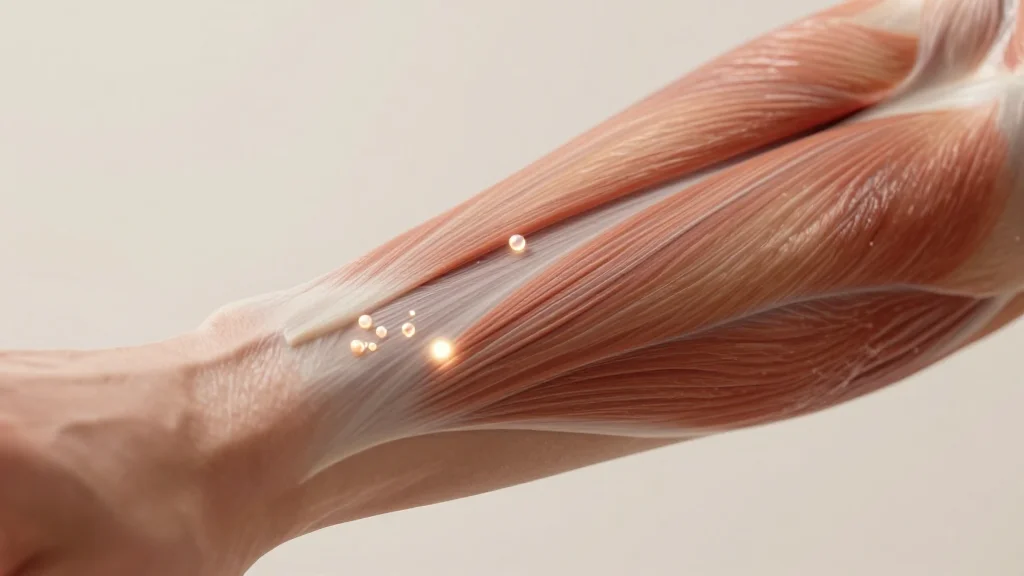
New mRNA Delivery Platform Restores Muscle Function in DMD Models
Why It Matters
By enabling safe, whole‑gene mRNA delivery, the EV platform could accelerate effective treatments for DMD and other disorders where viral vectors fall short, reshaping the gene‑therapy landscape.
Key Takeaways
- •Engineered extracellular vesicles deliver full-length DMD mRNA systemically.
- •Treated mice showed restored dystrophin and improved muscle strength.
- •No immune response or toxicity observed in primate safety study.
- •Platform bypasses size limits of viral vectors for large genes.
- •Could enable protein restoration for diseases beyond Duchenne muscular dystrophy.
Pulse Analysis
Duchenne muscular dystrophy remains one of the most challenging genetic disorders, largely because the DMD gene is the longest in the human genome. Conventional viral vectors, such as AAV, cannot accommodate the full‑length gene, forcing developers to truncate the payload or accept suboptimal protein expression. This limitation has contributed to safety concerns, dose‑dependent toxicities, and even market withdrawals of approved therapies, underscoring the urgent need for alternative delivery mechanisms that can handle large genetic cargo without compromising patient safety.
The newly reported extracellular vesicle (EV) platform leverages allogenically engineered t‑EVs that home to skeletal muscle after intravenous injection. By loading these vesicles with full‑length DMD mRNA, researchers achieved robust dystrophin synthesis in murine models, translating into measurable gains in grip strength and treadmill endurance. Crucially, repeated dosing in non‑human primates did not trigger the immune activation or organ toxicity typical of viral approaches, suggesting a favorable safety profile that could streamline regulatory pathways for first‑in‑human trials.
Beyond DMD, this technology signals a broader shift toward protein‑restoration therapies. Because EVs can encapsulate sizable mRNA sequences, they may become a universal conduit for replacing deficient proteins in a range of conditions—from rare metabolic disorders to acquired diseases like heart failure or neurodegeneration. Future work will need to address cardiac targeting, large‑scale manufacturing, and long‑term durability, but the platform’s versatility positions it as a potential cornerstone of next‑generation, disease‑agnostic therapeutics.
New mRNA Delivery Platform Restores Muscle Function in DMD Models
Comments
Want to join the conversation?
Loading comments...