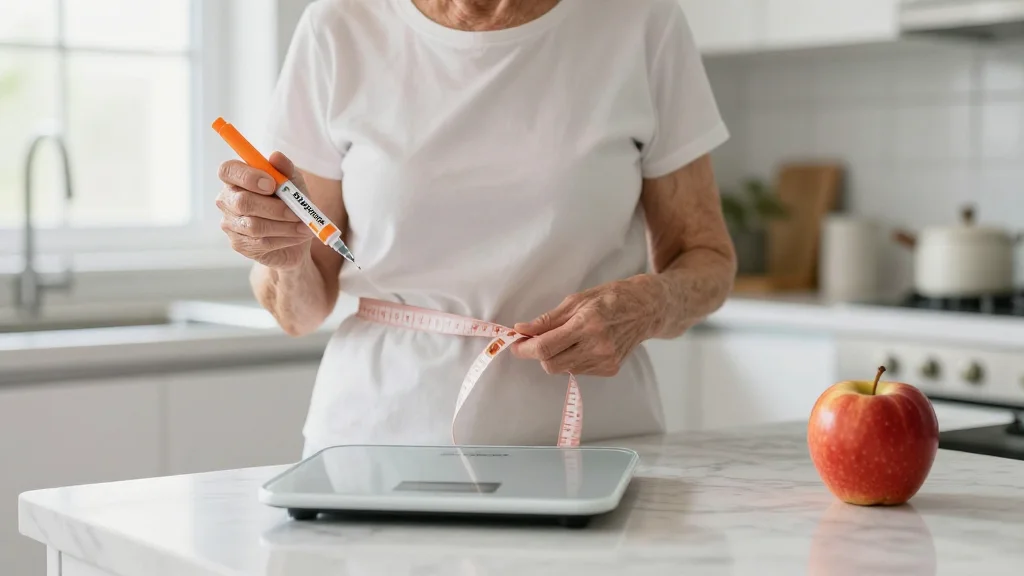
Pooled Analysis Reveals Semaglutide Shows Good Efficacy in Older Adults Aged over 65 Years
Companies Mentioned
Why It Matters
Obesity in the over‑65 population drives a growing burden of chronic disease and disability; demonstrating a proven, pharmacologic weight‑loss tool expands therapeutic options for this high‑risk group.
Key Takeaways
- •Semaglutide 2.4 mg led to 15.4% weight loss vs 5.1% placebo.
- •66.5% of seniors achieved ≥10% weight loss on semaglutide.
- •Cardiometabolic risk factors improved significantly with semaglutide.
- •Serious adverse events were modestly higher (19% vs 12.7%) in seniors.
Pulse Analysis
Obesity among older adults is a silent epidemic, with more than half of excess weight cases occurring after age 65 in high‑income nations. Age‑related sarcopenia, frailty, and multiple comorbidities make lifestyle interventions alone insufficient, prompting clinicians to explore pharmacologic adjuncts. GLP‑1 receptor agonists, originally developed for diabetes, have emerged as potent weight‑loss agents, yet data in the elderly have been scarce, leaving a gap in evidence‑based guidance for this vulnerable cohort.
The new pooled analysis of the STEP 1, 3, 4, 5, 8 and 9 trials fills that gap. Across 358 participants aged 65 and older, once‑weekly semaglutide 2.4 mg produced a mean 15.4% reduction in body weight and a 14.3 cm drop in waist circumference after 68 weeks—outcomes that mirror results seen in younger trial populations. Moreover, two‑thirds of seniors achieved at least a 10% weight loss, and nearly 30% reached the ambitious ≥20% threshold, underscoring the drug’s potency even in a frail demographic.
Safety remains a pivotal concern for older patients. While overall adverse‑event rates were similar between groups, serious events were modestly higher with semaglutide (19% vs 12.7%). Common GLP‑1 side effects such as constipation and dizziness were more frequent, yet rates of fractures and hypoglycemia stayed below 1%. The risk‑benefit profile appears favorable, especially given the pronounced improvements in blood pressure, lipid panels, and HbA1c. As payers and providers weigh cost against clinical value, these data could accelerate semaglutide’s adoption in geriatric obesity management, prompting further real‑world studies and potential label expansions.
Pooled analysis reveals semaglutide shows good efficacy in older adults aged over 65 years
Comments
Want to join the conversation?
Loading comments...