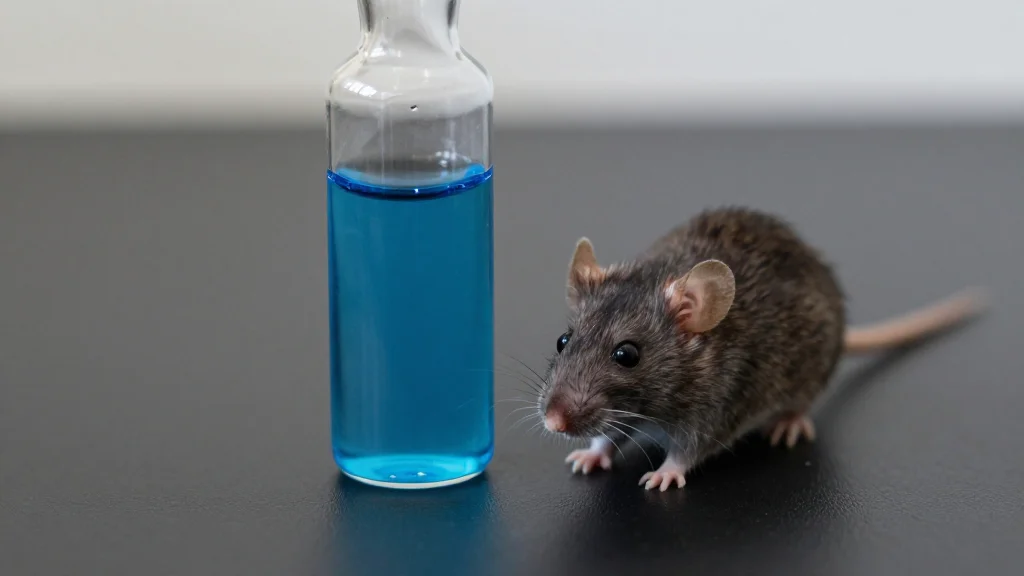
Target for Aggressive Prostate Cancer Prevention Identified in Mice
Why It Matters
NEPC is an androgen‑deprivation‑therapy‑resistant form of prostate cancer with few therapeutic options; SIRT1 inhibition offers a novel, clinically actionable pathway to halt its progression. Successful translation could improve survival for patients who currently face limited treatment choices.
Key Takeaways
- •SIRT1 drives neuroendocrine prostate cancer in mouse models
- •Genetic or drug inhibition of SIRT1 shrinks NEPC tumors
- •FDA‑approved SIRT1 inhibitor Selisistat reverses NEPC phenotype
- •Sleeping Beauty mutagenesis identified 75 candidate NEPC‑promoting genes
- •SIRT1 targeting may prevent lineage plasticity and lethal prostate cancer
Pulse Analysis
Prostate cancer remains the most common malignancy among men, and while androgen deprivation therapy (ADT) initially controls disease, many patients eventually develop castration‑resistant prostate cancer (CRPC) that can transform into neuroendocrine prostate cancer (NEPC). NEPC is characterized by loss of androgen‑receptor signaling and aggressive growth, leaving clinicians with few effective drugs. The urgency for new molecular targets has driven researchers to explore the genetic underpinnings of lineage plasticity, the process that enables tumors to switch phenotypes under therapeutic pressure.
In a recent study published in the Journal of Experimental Medicine, Columbia University scientists employed a Sleeping Beauty transposon mutagenesis screen across hundreds of mouse prostate tumors. The screen surfaced 75 candidate genes, with SIRT1 emerging as the top driver of NEPC. Functional assays demonstrated that SIRT1 activation amplifies NEPC markers, while silencing the gene curtails tumor size in vivo. Importantly, the team repurposed Selisistat—an FDA‑approved SIRT1 inhibitor originally developed for Huntington’s disease—and observed a robust reversal of the neuroendocrine phenotype, highlighting a rapid path toward clinical testing.
The implications extend beyond a single target. By validating SIRT1’s role in both genetic and pharmacologic contexts, the research provides a blueprint for tackling lineage plasticity, a major source of drug resistance across cancers. If human trials confirm these pre‑clinical results, SIRT1 inhibition could become the first targeted therapy specifically designed for NEPC, offering hope to patients who have exhausted conventional androgen‑targeted options. Moreover, the study showcases how forward genetic screens can accelerate discovery of actionable oncogenic drivers, reinforcing the value of integrative genomics in precision oncology.
Target for Aggressive Prostate Cancer Prevention Identified in Mice
Comments
Want to join the conversation?
Loading comments...