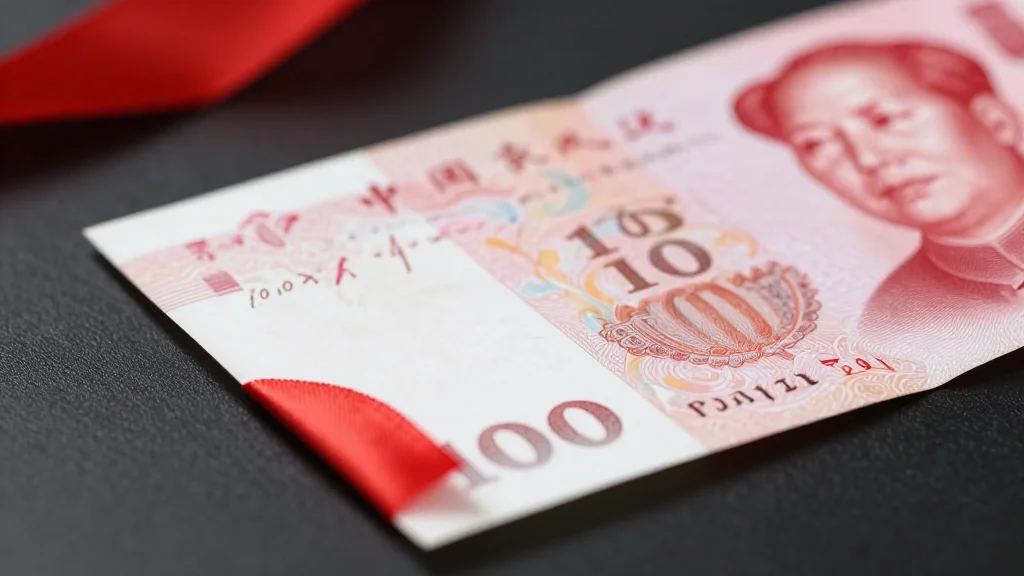
China Bond Yields Drop as Reflation Narrative Faces Investor Skepticism

Companies Mentioned

Why It Matters
The retreat in Chinese sovereign yields signals that investors are not yet convinced that inflationary pressures will translate into a sustainable domestic recovery. A muted demand outlook limits the effectiveness of any policy‑driven price lift, keeping borrowing costs low and potentially constraining corporate financing. For global investors, the bond market’s caution serves as a barometer for broader risk appetite toward emerging‑market assets tied to China’s growth trajectory. If the reflation narrative fails to gain traction, it could reshape capital‑allocation decisions across sectors, from property developers to green‑energy firms that rely on favorable financing conditions. Conversely, a decisive policy move to stimulate demand could reignite bond buying, compress yields, and revive confidence in China’s growth story, influencing everything from foreign‑direct investment flows to the pricing of yuan‑denominated assets.
Key Takeaways
- •One‑year Chinese sovereign yields fell 5.5 basis points over three weeks; 10‑year down 1.6 bps.
- •March producer‑price index rose 0.5% after a 41‑month deflation streak, yet bond prices rose.
- •Oil and gas prices up 5.2% YoY in March, with crude above US$100 per barrel, fueling inflation concerns.
- •Analysts cite weak domestic demand, a sluggish labour market, and a prolonged property downturn.
- •Morgan Stanley lifted its PPI forecast to 1.2% for 2026 but warned energy‑driven gains alone won’t spur true reflation.
Pulse Analysis
The bond market’s recent pull‑back underscores a classic divergence between headline inflation data and underlying demand fundamentals. While producer‑price gains provide a tempting narrative for a rebound, the modest yield declines suggest investors are pricing in a higher probability of continued monetary accommodation rather than a genuine demand‑driven upswing. Historically, China’s bond yields have been highly sensitive to policy signals; a reserve‑requirement ratio cut would likely compress longer‑dated yields, but such a move could also signal deeper concerns about liquidity in the shadow banking sector.
From a comparative perspective, China’s bond market is now behaving more like other emerging markets that have faced commodity‑price shocks—yielding to external price dynamics while domestic consumption remains tepid. The 5.2% YoY rise in energy costs, driven largely by geopolitical volatility, is a double‑edged sword: it lifts headline inflation but erodes real purchasing power, especially in a labour market that remains under‑utilized. This dynamic limits the pass‑through to consumer spending, keeping the reflation story on shaky ground.
Looking ahead, the market will be watching two key levers: policy accommodation and real‑economy data. A decisive policy easing—whether through a reserve‑requirement cut or a modest rate reduction—could provide the short‑term yield support needed to revive the reflation trade. However, without accompanying improvements in retail sales, employment, and housing activity, any bond rally may be short‑lived, leaving investors to reassess exposure to China’s sovereign debt in the context of a broader shift toward risk‑off sentiment in emerging markets.
China Bond Yields Drop as Reflation Narrative Faces Investor Skepticism
Comments
Want to join the conversation?
Loading comments...