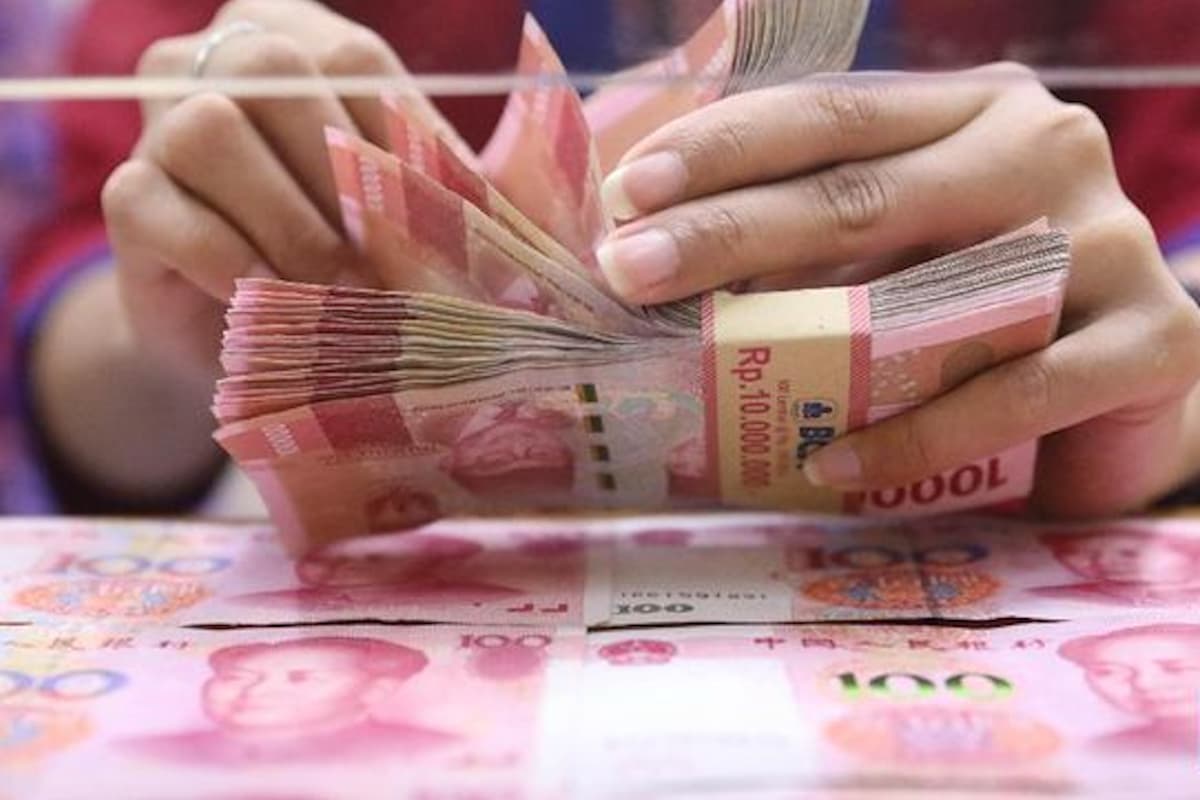
China’s Sovereign Debt to Debut in SE Asia’s Largest Economy
Why It Matters
The pact deepens China’s renminbi internationalisation and offers Southeast Asian investors a diversified, non‑dollar safe‑haven, reshaping regional capital flows and geopolitical leverage.
Key Takeaways
- •China can issue yuan bonds in Indonesia's domestic market
- •Indonesia gains reciprocal right to sell rupiah bonds in China
- •Deal deepens yuan demand among Southeast Asian institutional investors
- •Agreement may prompt other ASEAN nations to allow Chinese sovereign issuance
- •Shift could erode US Treasury dominance in regional reserve holdings
Pulse Analysis
The new China‑Indonesia sovereign bond framework reflects a strategic push toward regional financial integration. By granting each side reciprocal access to domestic capital markets, the agreement bypasses the limited scope of currency swap lines and creates a durable two‑way asset relationship. For China, issuing yuan‑denominated government bonds in Jakarta opens a direct channel to absorb Indonesian liquidity, while Indonesia’s access to China’s bond market offers higher‑yield options for its sovereign debt. This institutional bridge signals to other ASEAN economies that deeper financial ties with Beijing can coexist with national sovereignty, potentially accelerating a wave of similar agreements across the region.
From a market perspective, the pact fuels the internationalisation of the renminbi. Institutional investors—pension funds, insurers, and sovereign wealth funds—can now hold Chinese government paper as a core reserve asset without navigating cross‑border custodial complexities. The resulting demand for yuan‑denominated securities spurs the development of hedging instruments, custody services, and a broader offshore yuan bond ecosystem. As global investors seek alternatives to US Treasuries amid fiscal strain and geopolitical risk, Chinese sovereign bonds emerge as a stable, inflation‑controlled option, especially given China’s current‑account surplus and predictable monetary policy.
Geopolitically, the arrangement enhances China’s soft power and creates a financial insurance policy against potential sanctions or dollar‑centric coercion. By embedding yuan assets within Southeast Asian balance sheets, Beijing reduces the region’s reliance on dollar liquidity, subtly diluting the United States’ “exorbitant privilege.” However, the move also invites heightened scrutiny of China’s domestic debt quality and could expose investors to local‑government defaults. The long‑term impact hinges on Beijing’s willingness to further open its capital account, allowing foreign investors to hedge and exit with ease, thereby solidifying a multipolar reserve‑asset landscape.
China’s sovereign debt to debut in SE Asia’s largest economy
Comments
Want to join the conversation?
Loading comments...