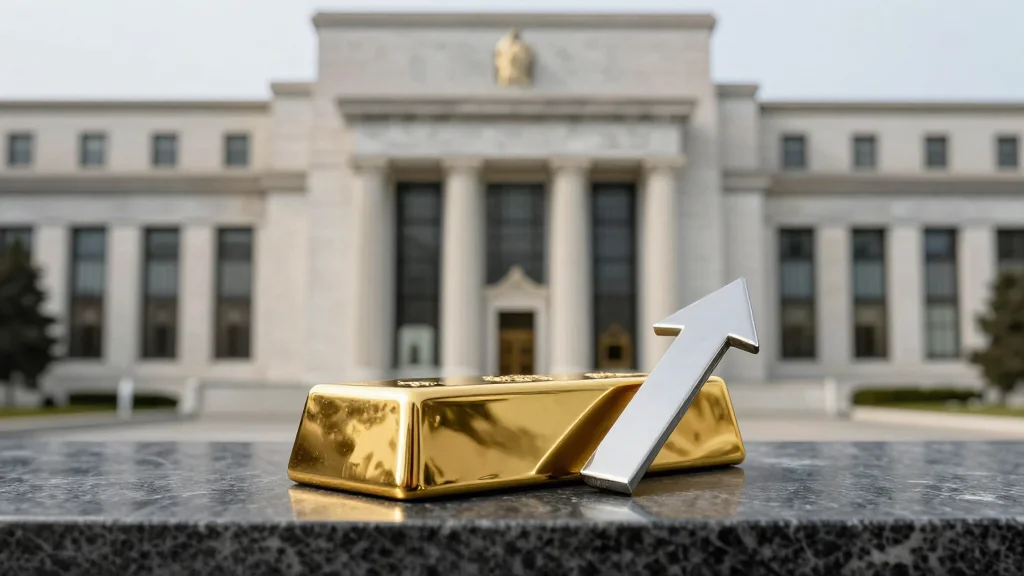
Warsh Nomination Could Shrink Fed Balance Sheet, Lift Bond Yields

Why It Matters
The Fed’s balance‑sheet policy is a primary driver of Treasury yields, which in turn influence mortgage rates, corporate borrowing costs, and the valuation of risk assets. A rapid runoff under Warsh could raise yields sharply, eroding the price gains of bond portfolios and increasing the cost of capital for sectors like AI that rely on cheap financing. For fixed‑income investors, the nomination signals a shift from the accommodative stance that has underpinned recent bond market stability. Beyond individual portfolios, higher yields could ripple through the broader economy by tightening credit conditions, slowing the pace of capital expenditures, and potentially curbing the equity market’s momentum. Policymakers, corporate treasurers, and municipal issuers will all be watching Warsh’s policy direction for clues on the future cost of debt.
Key Takeaways
- •President Trump nominated former Fed governor Kevin Warsh as chair, pending Senate confirmation before May 15.
- •Warsh has called for a "radical balance‑sheet reduction," targeting the Fed's $6.7 trillion holdings of Treasuries and MBS.
- •Analysts estimate a possible runoff of $2‑$3 trillion of long‑term Treasuries per year, which could lift the 10‑year yield above 4.5%.
- •Higher yields would increase borrowing costs for corporations, municipalities, and consumers, threatening AI‑driven growth projects.
- •Warsh’s past FOMC record shows a strong focus on inflation suppression, suggesting a bias toward higher policy rates.
Pulse Analysis
Warsh’s nomination arrives at a crossroads where the Fed must balance two competing imperatives: sustaining the post‑pandemic economic expansion and preventing a resurgence of inflation. His reputation as a hawk on the balance sheet suggests the Fed could move from the current “soft landing” approach to a more aggressive tightening cycle. Historically, rapid balance‑sheet runoff—such as the early 2010s taper tantrum—has spooked bond markets, leading to sharp yield spikes and heightened volatility. If Warsh repeats that playbook, we could see a renewed “taper‑fear” scenario, albeit with a larger base of Treasury holdings.
From a strategic standpoint, bond managers should prepare for a steeper yield curve by shortening duration and increasing exposure to inflation‑protected securities. Meanwhile, equity investors may need to reassess valuations that rely on low discount rates, especially in high‑growth sectors like AI that are sensitive to financing costs. The Senate confirmation timeline adds a short‑term catalyst: any delay or contentious hearing could amplify market uncertainty, while a smooth confirmation could accelerate the Fed’s policy shift.
In the longer view, Warsh’s potential policy direction could re‑anchor the Fed’s credibility on inflation control, but at the cost of higher debt service burdens across the economy. The bond market’s reaction will likely set the tone for capital allocation decisions in 2026 and beyond, making the confirmation process a pivotal event for fixed‑income investors.
Warsh Nomination Could Shrink Fed Balance Sheet, Lift Bond Yields
Comments
Want to join the conversation?
Loading comments...