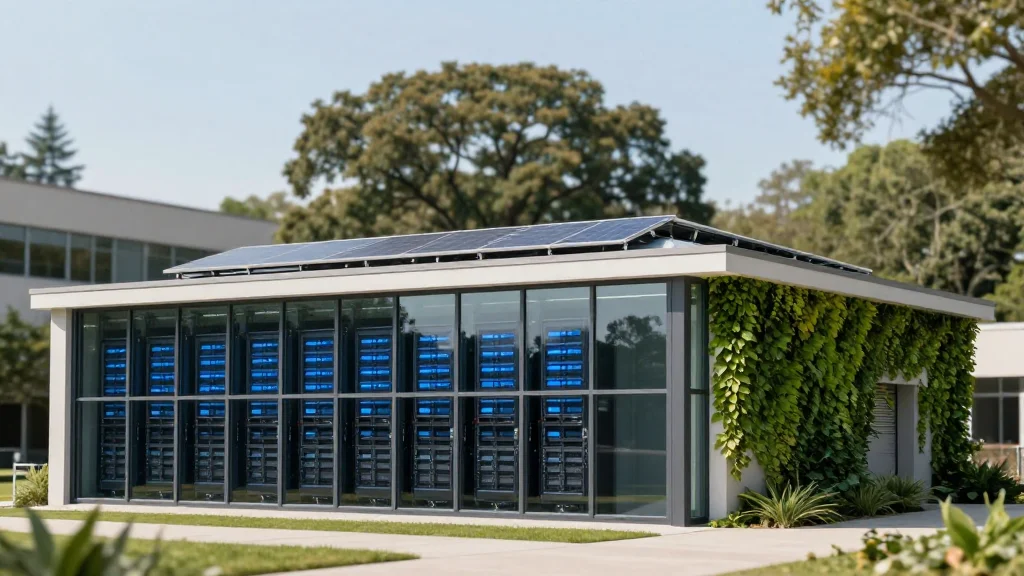
Duke University Launches $23 M, 1.5‑MW Data Center to Model Sustainable Campus IT

Companies Mentioned

Why It Matters
The Duke data center signals a shift in how higher‑education CIOs address the twin pressures of rising AI workloads and climate goals. By opting for a small, modular facility that leverages existing campus utilities, Duke offers a replicable model that balances performance with carbon accountability. As municipalities tighten regulations on large‑scale data hubs, universities and corporate campuses will look to Duke’s approach to justify incremental, site‑specific builds rather than relying on external hyperscale providers. Moreover, the project underscores the growing importance of data‑center governance within the CIO Pulse ecosystem. Decisions about power sourcing, cooling strategies, and community impact are now as critical as hardware selection, influencing budget allocations, risk assessments, and compliance with emerging sustainability standards.
Key Takeaways
- •Duke University commits $23 million to a 1.5‑MW data center on 12 acres of Central Campus.
- •Initial capacity can expand to 3 MW, supporting AI‑driven research workloads.
- •Construction began in April 2024; completion is slated for 2027.
- •Facility sits beside the university’s electric substation and water‑chiller plant, eliminating external chiller noise.
- •Project is exempt from Durham’s upcoming two‑year moratorium on hyperscale data centers.
Pulse Analysis
Duke’s initiative arrives at a moment when CIOs are grappling with the energy intensity of AI and the regulatory pushback against megadata centers. Historically, universities have outsourced compute to commercial clouds, but the latency and data‑sovereignty demands of cutting‑edge research are driving a resurgence in on‑premise infrastructure. Duke’s modest‑scale, expandable design reflects a pragmatic middle ground: enough horsepower to run large models locally while staying within a manageable power envelope.
The financial outlay—$23 million—may appear steep for a single campus, yet it is modest compared with the multi‑hundred‑million investments required for hyperscale sites. By integrating the new center with existing utility assets, Duke reduces incremental capital costs and sidesteps many of the community‑impact concerns that have stalled larger projects. This integration also offers a template for other institutions that can co‑locate compute with campus heating or cooling loops, turning waste heat into a resource rather than a liability.
Looking forward, the Duke model could catalyze a broader trend toward distributed micro‑data centers across university systems, health‑care networks, and corporate campuses. Such a network would provide redundancy, lower latency, and a more granular approach to sustainability reporting. CIOs who adopt this modular strategy will likely gain a competitive edge in attracting research funding, meeting ESG mandates, and navigating increasingly strict local zoning rules. The Duke project thus serves as both a proof‑point and a strategic playbook for the next generation of campus‑centric IT infrastructure.
Duke University Launches $23 M, 1.5‑MW Data Center to Model Sustainable Campus IT
Comments
Want to join the conversation?
Loading comments...