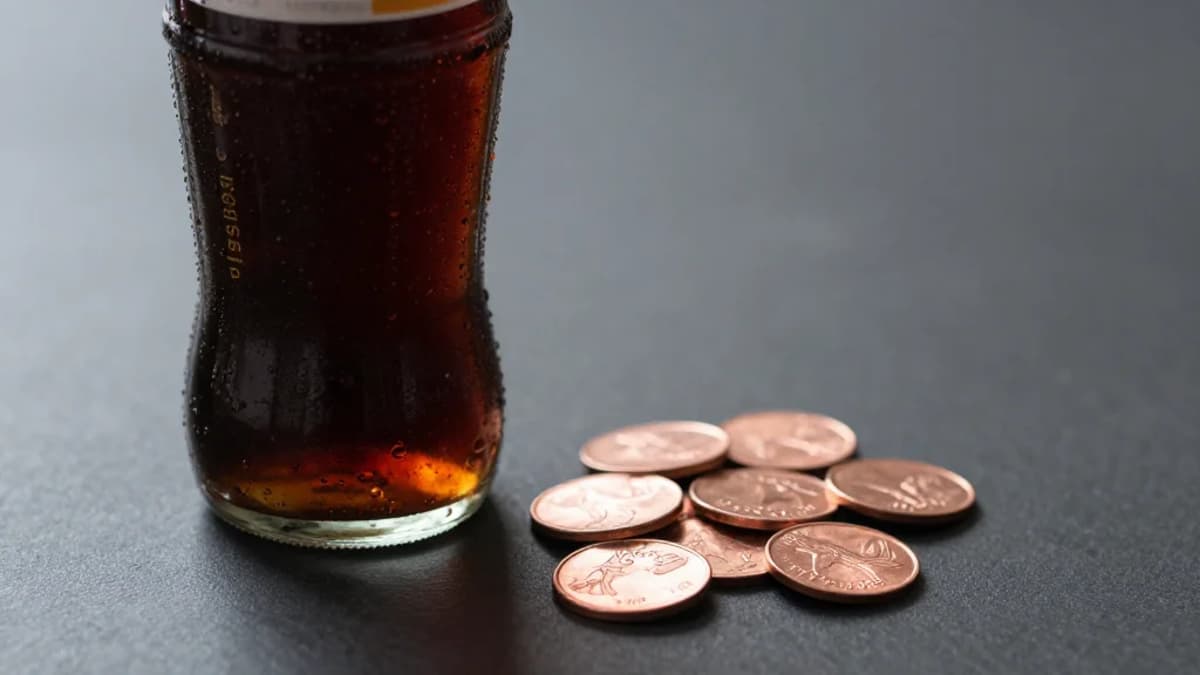
Soft Drink’s Jio Moment? RIL’s Campa Tests Coke-Pepsi Duopoly of 30 Years
•February 26, 2026
0
Companies Mentioned


Why It Matters
Campa's aggressive pricing and distribution strategy could reshape India's soft‑drink landscape, forcing entrenched multinationals to rethink pricing, channel, and branding tactics. Success would also validate Reliance's broader push into FMCG, signaling a shift in how Indian conglomerates compete in consumer markets.
Key Takeaways
- •Campa holds 7% Indian soft‑drink market share.
- •Reliance aims for 25% share by 2028.
- •Price point is INR 10, half rivals' price.
- •Distribution leverages Reliance retail network.
- •Coca‑Cola and Pepsi face pricing pressure.
Pulse Analysis
The Indian carbonated beverage market, while growing at over 15% annually, still lags global per‑capita consumption levels, leaving ample room for new entrants. Reliance’s revival of Campa Cola mirrors its earlier Jio disruption, using ultra‑low pricing to attract price‑sensitive consumers in tier‑2 and tier‑3 towns. By positioning a 500‑ml bottle at INR 10—roughly half the cost of Coke or Pepsi—Reliance taps a latent demand among lower‑income households, converting occasional purchases into regular consumption and expanding the overall market size.
Reliance’s competitive edge lies in its sprawling retail ecosystem and logistics muscle. Through Reliance Retail’s kirana‑store partnerships, bundled margin incentives, and a growing cold‑chain infrastructure, Campa quickly reaches outlets that traditional bottlers struggle to serve efficiently. The company’s willingness to absorb thin margins, backed by robust oil‑derived cash flows, allows it to undercut rivals while scaling bottling capacity and even exporting to neighboring markets. This distribution‑first approach reduces reliance on costly advertising, differentiating Campa from the brand‑heavy strategies of Coca‑Cola and Pepsi.
Coca‑Cola and PepsiCo, however, are not idle. Their largest Indian bottler, Varun Beverages, is investing billions in new plants and cold‑storage upgrades to safeguard volume growth and defend pricing power. Yet the entrenched brand loyalty among urban millennials and Gen Z poses a significant barrier for Campa, which must eventually invest in cultural relevance beyond price. If Reliance can blend affordability with compelling branding, it could not only erode the duopoly’s share but also accelerate overall soft‑drink penetration in India, reshaping the FMCG competitive dynamics for years to come.
Soft drink’s Jio moment? RIL’s Campa tests Coke-Pepsi duopoly of 30 years
0
Comments
Want to join the conversation?
Loading comments...