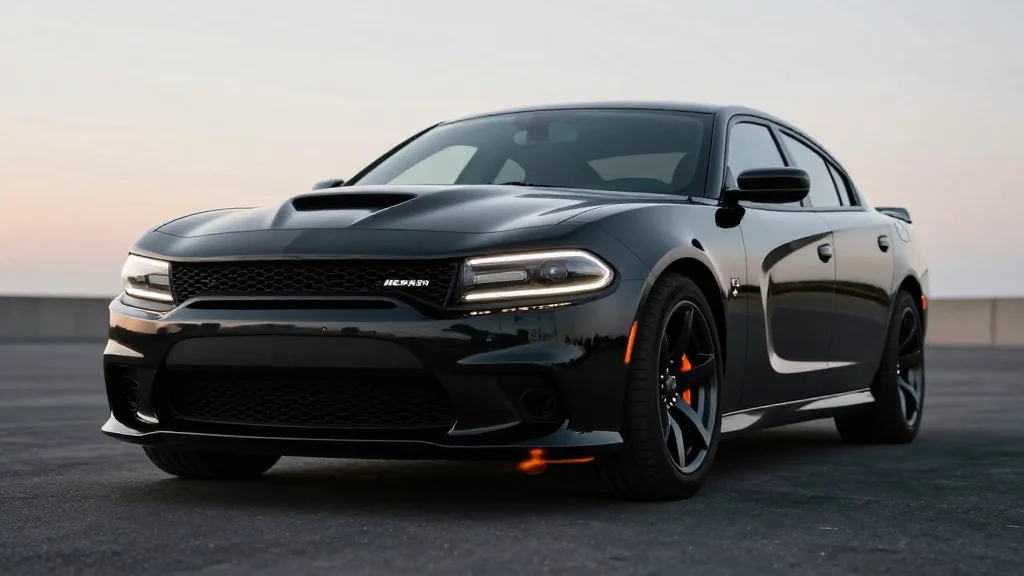
Stellantis Rolls Out Six New SRT Halo Cars, Boosting Performance Brand

Companies Mentioned
Why It Matters
The expansion of the SRT lineup illustrates how automotive CMOs are using performance branding to revitalize legacy brands in an era of electrification and stricter emissions standards. By coupling high‑output internal‑combustion engines with modern design cues and tech partnerships, Stellantis aims to capture a segment of enthusiasts unwilling to abandon traditional powertrains, thereby preserving a revenue stream that can fund its broader electrification agenda. For marketers, the SRT push offers a case study in leveraging heritage and halo effects to drive brand equity across a diversified portfolio. The introduction of an affordable GLH SRT hatchback shows how performance cues can be layered onto entry‑level products to attract younger demographics, potentially reshaping buying patterns and lifetime value for the brand.
Key Takeaways
- •Stellantis unveiled six new SRT halo vehicles, including a Charger Hellcat with >700 hp.
- •$70 billion operational plan pledged at May 21 investor day includes 110 new or refreshed models by 2030.
- •Goal to have at least seven SRT‑badged models on the road by 2030, with nine under $40,000.
- •Tim Kuniskis leads the North American marketing push behind the SRT expansion.
- •Ralph Gilles described the new GLH SRT as the 'evil brother' of the upcoming Chrysler Airflow.
Pulse Analysis
Stellantis’ aggressive SRT rollout is a textbook example of a performance‑centric brand strategy designed to generate buzz and cross‑sell opportunities. Historically, halo models like the original Viper or the Challenger SRT8 have acted as aspirational beacons, pulling consumers into the brand’s ecosystem. By expanding the halo to six new models, Stellantis is effectively multiplying those touchpoints, creating a cascade effect where excitement around a high‑priced supercar can lift perception of more modest offerings.
The timing is crucial. While many OEMs are racing toward electrification, Stellantis is betting that a segment of the market still values raw V‑8 power. This dual‑track approach mitigates risk: the performance line can sustain cash flow and brand relevance while the company invests in AI partnerships and EV platforms. Moreover, the inclusion of an entry‑level GLH SRT signals a shift from pure exclusivity to a broader, tiered performance ladder, echoing strategies employed by luxury fashion houses that introduce diffusion lines to capture younger consumers.
Looking ahead, the success of the SRT expansion will hinge on execution—delivering on promised power outputs, pricing, and the promised tech integrations. If Stellantis can translate the halo hype into measurable sales and brand lift, it could set a precedent for other legacy automakers seeking to balance heritage performance with the inevitable shift toward electrified mobility.
Stellantis Rolls Out Six New SRT Halo Cars, Boosting Performance Brand
Comments
Want to join the conversation?
Loading comments...