
Classroom 4
Classroom 4 is an award‑winning documentary directed by Eden Wurmfeld that follows historian Reiko Hillyer’s university‑level course on the history of crime and punishment, taught inside a minimum‑security prison in Portland, Oregon. The class, part of the three‑decade‑old Inside‑Out Prison Exchange Program, brings together incarcerated students and Lewis & Clark College undergraduates for a 15‑week semester. By recording lectures, discussions on race, nature, and meditation, the film offers a rare, humanizing glimpse into the carceral environment. It highlights how academic dialogue can challenge entrenched stereotypes about prisoners.

Children Are Apprentices
A new essay argues that overprotective parenting—coined Overprotective Childhood Experiences (OCEs)—is eroding children’s resilience across the English‑speaking world. Recent data show rising school‑avoidance, persistent absenteeism and declining wellbeing among British youth. The author links these trends to a cultural shift...

The Eye in Your Pocket
The essay argues that digital devices—smartphones, laptops, wearables—are human‑made artefacts, not natural or neutral tools. Their design embeds surveillance and predictive analytics, turning everyday gadgets into instruments of social control. The author critiques early tech pioneers, especially libertarian figures like...

Nature’s Hardware Store: Building the Future with Biology
Lynn Rothschild, a leading US astrobiologist, argues that synthetic biology could solve one of space colonization’s toughest problems: sourcing building materials on other worlds. By tapping the “genetic hardware store” of microbes, engineers can grow construction‑grade biopolymers directly on the...

The Origins of Indians
The article traces two centuries of scholarship on South Asia’s peopling, from 19th‑century linguistic Aryan theories to modern DNA research. It highlights how early reformers like Jotirao Phule used Aryan narratives to critique caste oppression, and how 20th‑century archaeology uncovered the...

Embrace the Edge!
The essay argues that true creativity and progress arise at the margins—biological, cultural, and historical edges—while centralized structures tend to stifle innovation. It weaves examples from island ecosystems, cold‑shower stress research, and ancient city‑states to illustrate how edge conditions spark...

Life Invisible
The Guardian documentary "Life Invisible" follows Chilean microbiologist Cristina Dorador as she hunts for novel microbes in the Atacama Desert to combat rising antibiotic resistance. The film underscores that resistant infections could cause 39 million deaths worldwide between 2024 and 2050....
Butterfly (Papillon)
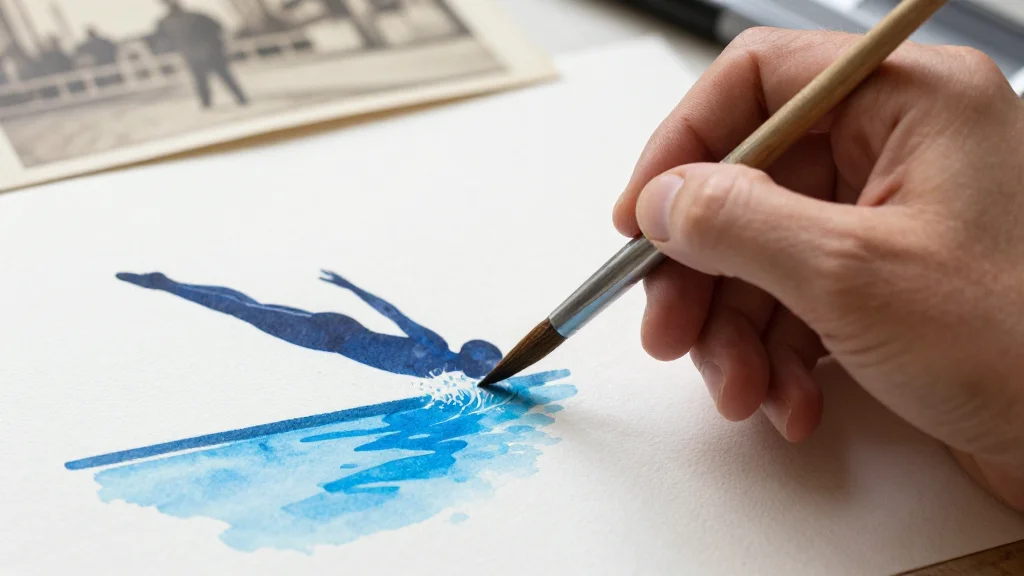
The Oscar‑nominated short *Butterfly* (Papillon) dramatizes the life of Algerian‑born Jewish French swimmer Alfred Nakache, who competed in the 1936 Berlin and 1948 London Olympics, survived Auschwitz, and returned to elite competition. Director Florence Miailhe animates the narrative with hand‑painted frames,...

Fuel for Thought
The article explains how mitochondria—cellular powerhouses inherited from ancient bacteria—underpin human cognition, health, and longevity. Recent PET studies show that greater brain mitochondrial complex I availability correlates with higher IQ, while animal work links healthy synaptic mitochondria to superior working memory....
Patterns without Desires
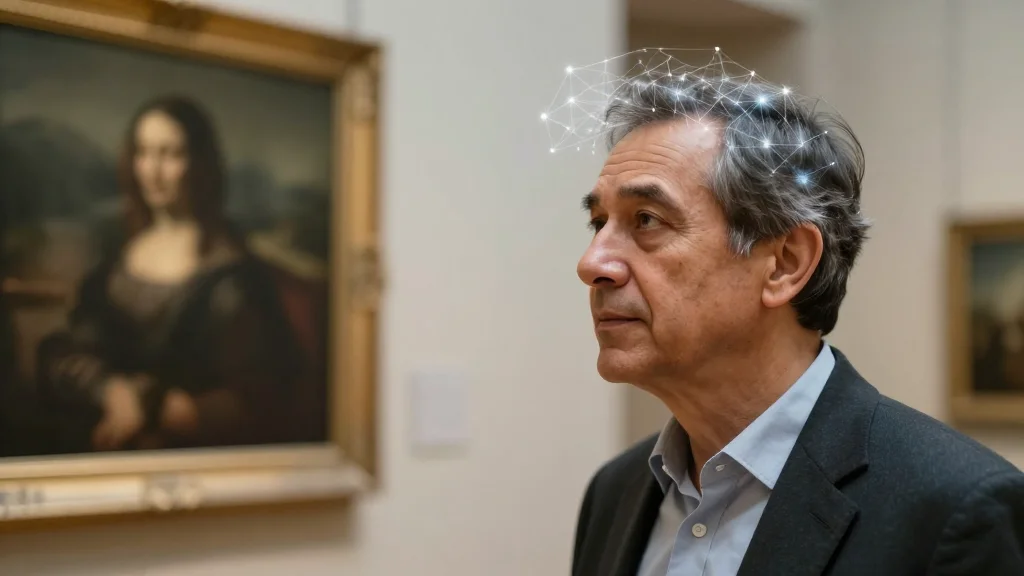
The art market thrives on the certainty of attributions, yet values hinge on fragile expert consensus. High‑profile disputes—like Leonardo’s *Salvator Mundi* potentially dropping from $450 million to $450 thousand—show how a name can swing millions. New AI image‑analysis tools, exemplified by Art Recognition’s...

Travelling at the Speed of Light
ScienceClic released a 15‑minute YouTube video titled “Travelling at the speed of light,” directed by French visual artist Alessandro Roussel. The piece uses polished 3D graphics to illustrate how relativistic physics would appear to passengers on a near‑light‑speed craft, covering time...

Living without My Self
The author describes a personal sense of lacking a stable, narrative self and finds validation in Robert Musil’s unfinished novel *The Man Without Qualities*. By connecting Musil’s fiction to Buddhist anattā, Hume’s bundle theory, Ernst Mach’s functionalism and recent neuroscience, the...

The Antibiotic Trap
India’s antibiotics are cheap, ubiquitous and often sold in half‑doses by street‑side pharmacies to workers who cannot afford missed wages. Weak regulatory oversight, rampant use in livestock and massive pharmaceutical‑plant waste have created a perfect storm for antimicrobial resistance (AMR)....
When Trauma Becomes Trope
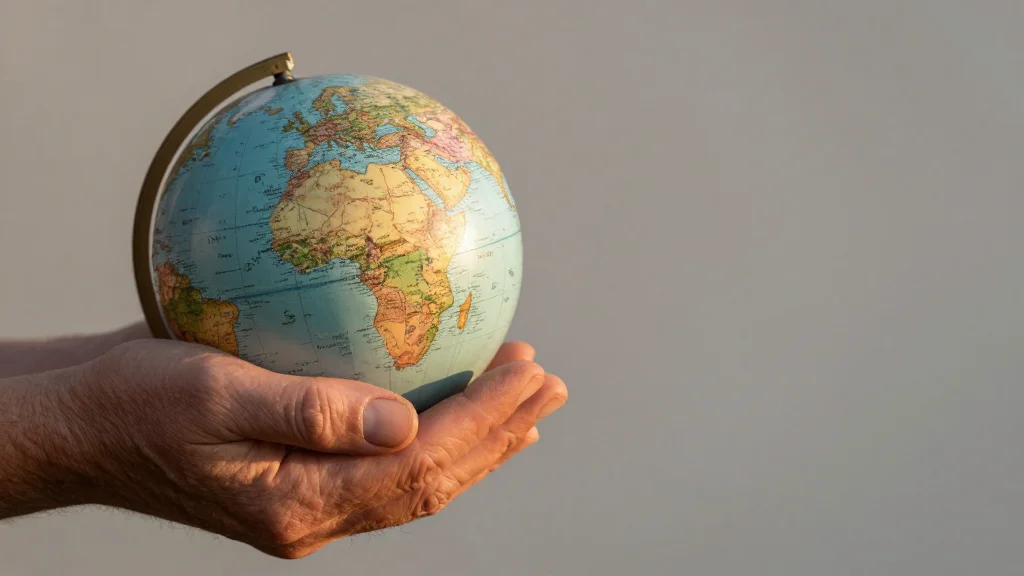
The essay critiques humanitarian journalism, tracing its origins from 19th‑century war reporting to today’s crisis coverage. It argues that media narratives often serve political convenience, reinforcing colonial power dynamics and generating compassion fatigue. The piece highlights how NGO funding blurs...
The Hypercurious Mind
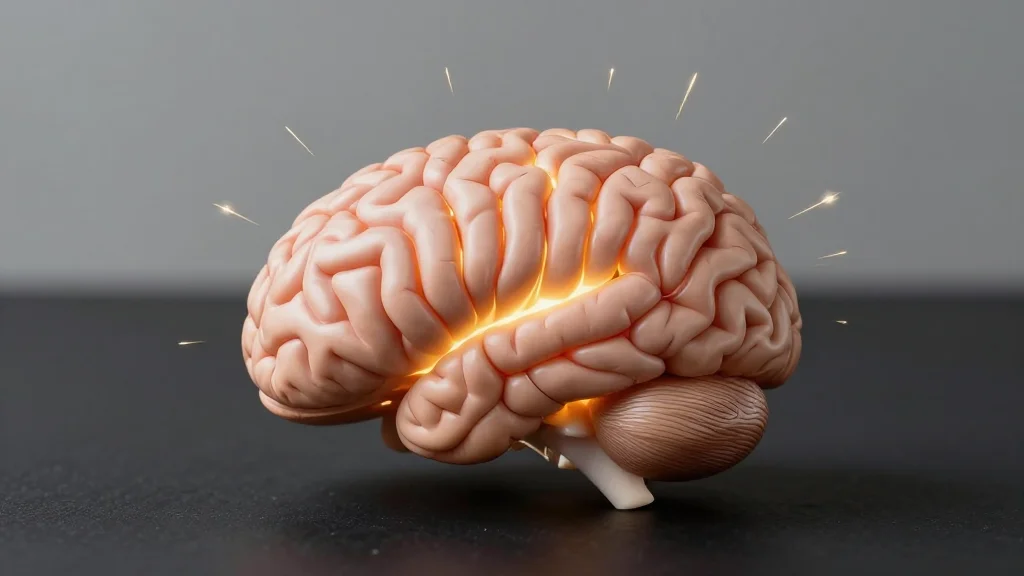
A cognitive neuroscientist proposes "hypercuriosity" as a unifying lens for ADHD, describing how heightened sensitivity to novelty and informational reward drives both intense focus and distractibility. The article reviews neuroimaging and behavioral evidence that people with ADHD allocate attention toward...