
The Use of AI in Breast Imaging
The presentation focused on how artificial intelligence and advanced imaging technologies are reshaping breast cancer screening at Johns Hopkins. While AI was introduced as the next frontier, the speaker first underscored the persistent burden of breast cancer—affecting one in eight women and a growing number of men—and the critical role of early detection. Key data points highlighted that annual mammography beginning at age 40 reduces breast‑cancer mortality by roughly 30%, yet incidence is rising about 1% annually, especially among women under 50 and certain ethnic groups. Dense breast tissue, present in about half of U.S. women, both obscures lesions on traditional 2‑D mammograms and independently raises cancer risk, prompting the need for supplemental imaging. The speaker illustrated these challenges with concrete cases: a 2‑D mammogram missed a subtle mass that became evident on a 3‑D tomosynthesis slice, leading to a biopsy that confirmed a small cancer. Such examples demonstrate how 3‑D mammography, in use at all Hopkins sites since 2012, improves lesion visibility, reduces callbacks, and catches cancers earlier. References to FDA‑mandated density reporting and the upcoming integration of AI‑driven computer‑aided detection reinforced the push toward more precise, patient‑centered screening. Implications are clear: clinicians must advocate annual screening from age 40, discuss density findings, and consider supplemental ultrasound or MRI for high‑risk patients. The adoption of 3‑D mammography and emerging AI tools promises to further narrow the detection gap, ultimately lowering mortality and treatment intensity for breast cancer patients.

THC Vaping During Pregnancy Induces Changes in Structural and Functional Connectivity in Offspring
The presentation by Dr. Natra Madurai of Johns Hopkins Children’s Center outlines a new study on how vaping THC during pregnancy permanently alters brain structure and function in offspring. The work, slated for the International Hershey Conference on Developmental Brain...

Johns Hopkins Medicine AI Grand Rounds | Elliott R. Haut
The Johns Hopkins Medicine AI Grand Rounds featured Dr. Elliott Haut, who highlighted venous thromboembolism (VTE) as a leading preventable cause of hospital death and a public‑health emergency. He celebrated the 15‑year‑old Armstrong Leadership Academy, whose graduating scholars span nurses,...
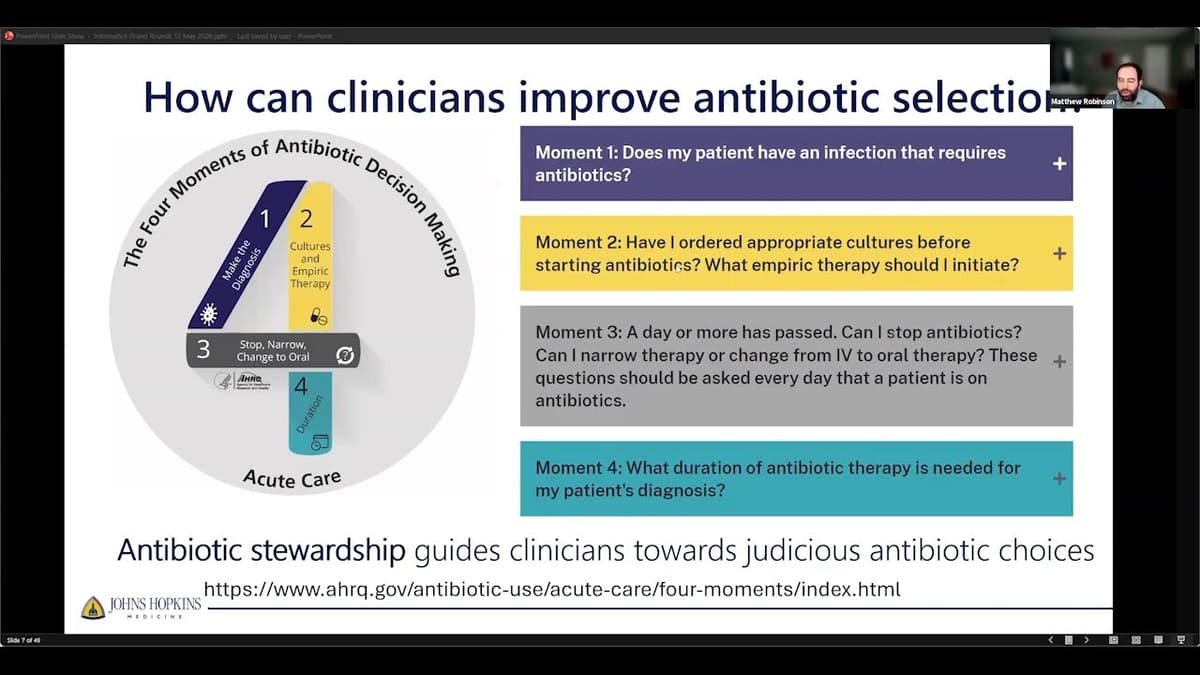
Informatics Grand Rounds with Dr. Matthew Robinson
In the May 2026 Grand Rounds at Johns Hopkins, infectious‑disease specialist Dr. Matthew Robinson examined how data science can strengthen antibiotic stewardship. He framed stewardship as a mandatory, four‑moment process—confirm infection, obtain cultures, select empiric therapy, then reassess and stop or...

Cataracts 101 | What Is a Cataract?
The video explains cataracts—cloudy lenses that blur vision, dim colors, and cause glare—and outlines when surgical intervention becomes advisable. It emphasizes that surgery is not mandatory for every cataract; patients should consider it when everyday tasks like reading, driving, or...
Johns Hopkins Psychiatry Grand Rounds | Rare Glutamate Receptor Variants and Schizophrenia
The grand rounds presentation focused on rare variants in the GRIA3 gene, an X‑linked AMPA‑type glutamate receptor, and their role in schizophrenia. Using a multigenerational family with multiple affected members, researchers identified ultra‑rare GRIA3 mutations absent from tens of thousands...
Living Liver Donor Evaluation Proces
The video outlines Johns Hopkins Hospital’s step‑by‑step living liver donor evaluation, guiding prospective donors through registration, medical testing, decision making and post‑operative care. Candidates first complete an online profile confirming age, overall health, absence of cancer or infections, and a solid...
Robotic Liver Resection Surgery | Q&A
The video explains a robotic approach to liver resection, detailing how surgeons replace a large open incision with five 8‑mm ports and a camera‑guided system. It outlines the procedure for living donors, who now undergo minimally invasive surgery using a...
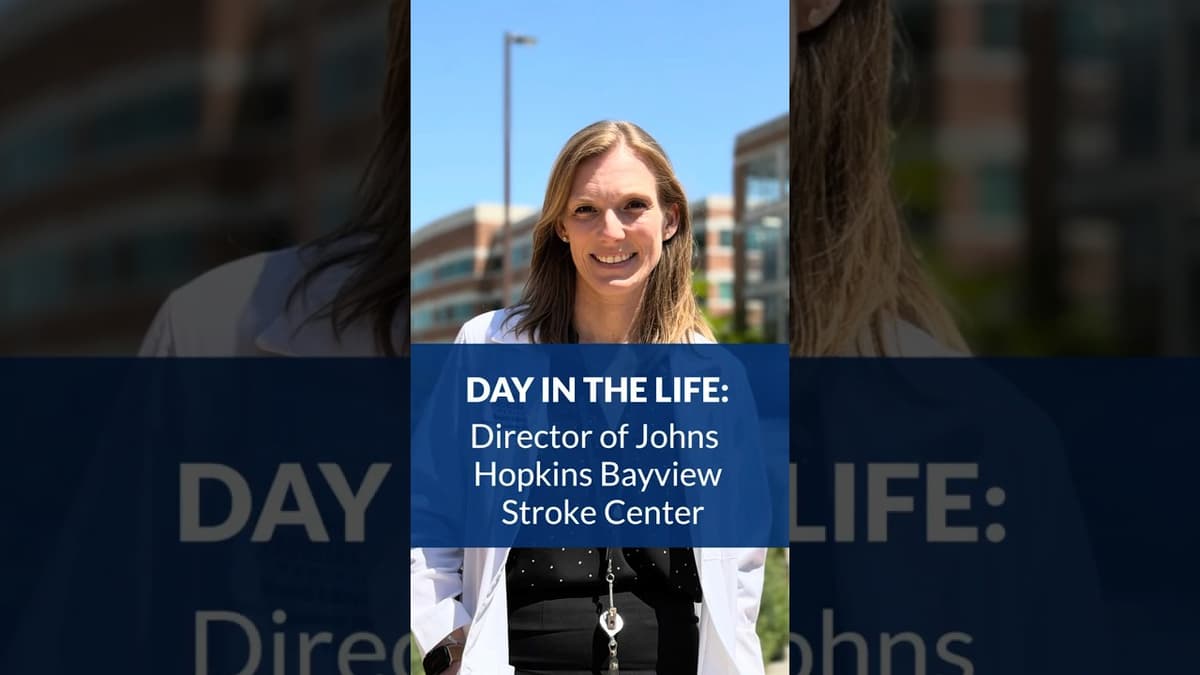
Day In The Life: Johns Hopkins Bayview Stroke Center
The video follows Dr. Liz Marsh, a vascular neurologist at Johns Hopkins Bayview Stroke Center, showcasing a typical day that blends patient care, emergency response, and research. She splits her time between outpatient clinics, where she monitors rehabilitation progress, and...
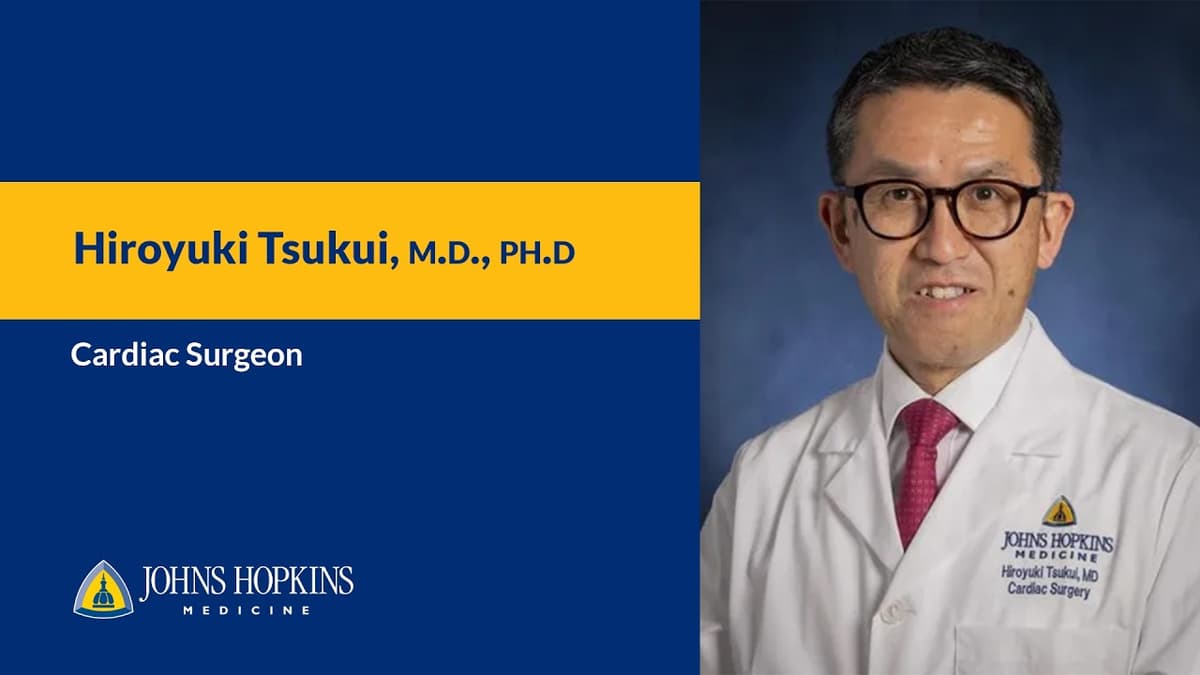
Dr. Hiroyuki Tsukui | Cardiac Surgeon
Dr. Hiroyuki Tsukui, a cardiac surgeon at Johns Hopkins Medicine, discusses his role in delivering advanced cardiovascular care, emphasizing transparency and patient‑centered communication throughout the surgical journey. He specializes in off‑pump coronary artery bypass grafting, which avoids stopping the heart, and...
GBCI Virtual Grand Rounds | It’s Endless: Tests, Scans, MRI’s, Ultrasounds and More Tests
The virtual Grand Rounds session tackled the overwhelming array of imaging studies—CT, MRI, ultrasound—used in bladder and upper‑tract carcinoma management. Dr. Fzad Setahhat, an assistant professor of radiology at Johns Hopkins, outlined why imaging, though less central than in other...
Dr. Gregory Wolfe | Comprehensive Optometry
Assistant professor Dr. Gregory Wolfe, a specialist in ophthalmology, discusses his comprehensive approach to eye care, emphasizing the paramount importance of preserving vision, especially for patients at risk of glaucoma. He notes that research shows people fear losing sight more than...
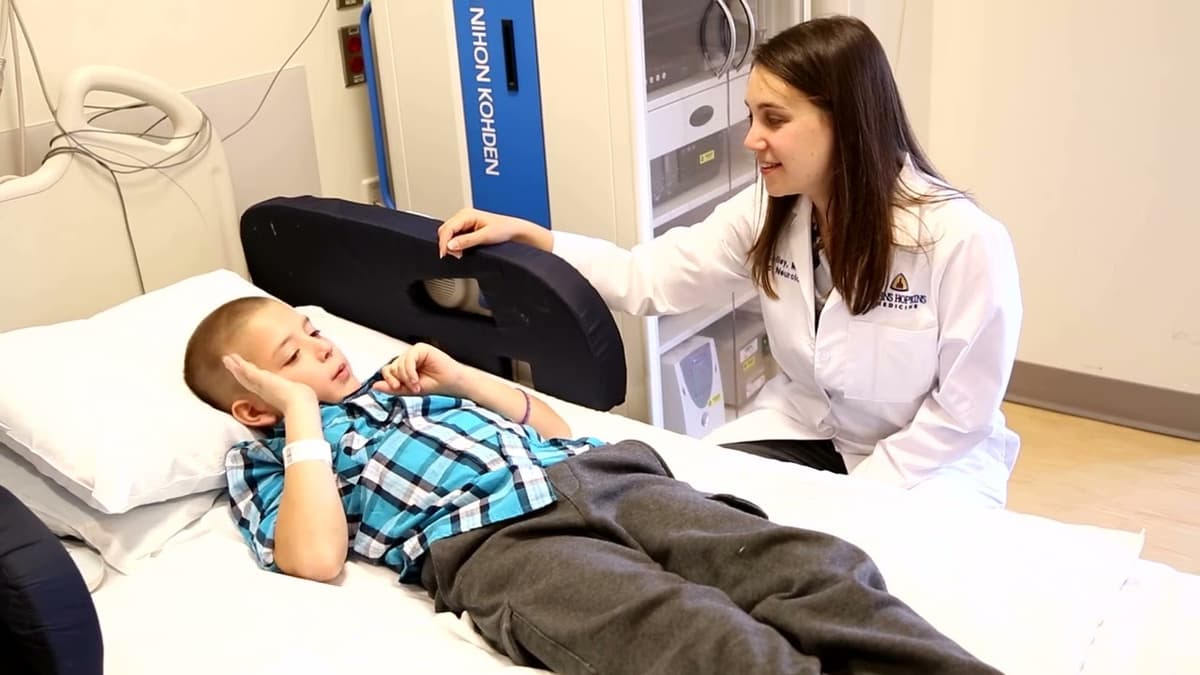
Epilepsy Monitoring Unit (EMU) Patient Information | Johns Hopkins Adult and Pediatric EMUs
Johns Hopkins’ adult and pediatric Epilepsy Monitoring Units (EMUs) are introduced by directors Dr. June Key and Dr. Sarah Kelly, outlining the purpose, layout, and patient experience. The adult EMU occupies the 12th‑floor east wing of the Johns Hopkins Hospital,...
Partner with Us: Using MyChart in the Emergency Department, Hospital and After Discharge
Johns Hopkins Medicine’s video promotes MyChart as a continuous‑care platform spanning the emergency department, inpatient stay, and post‑discharge period. Kevin Sowers, the system’s president, outlines how patients can download the app or use a mobile browser to stay connected with...
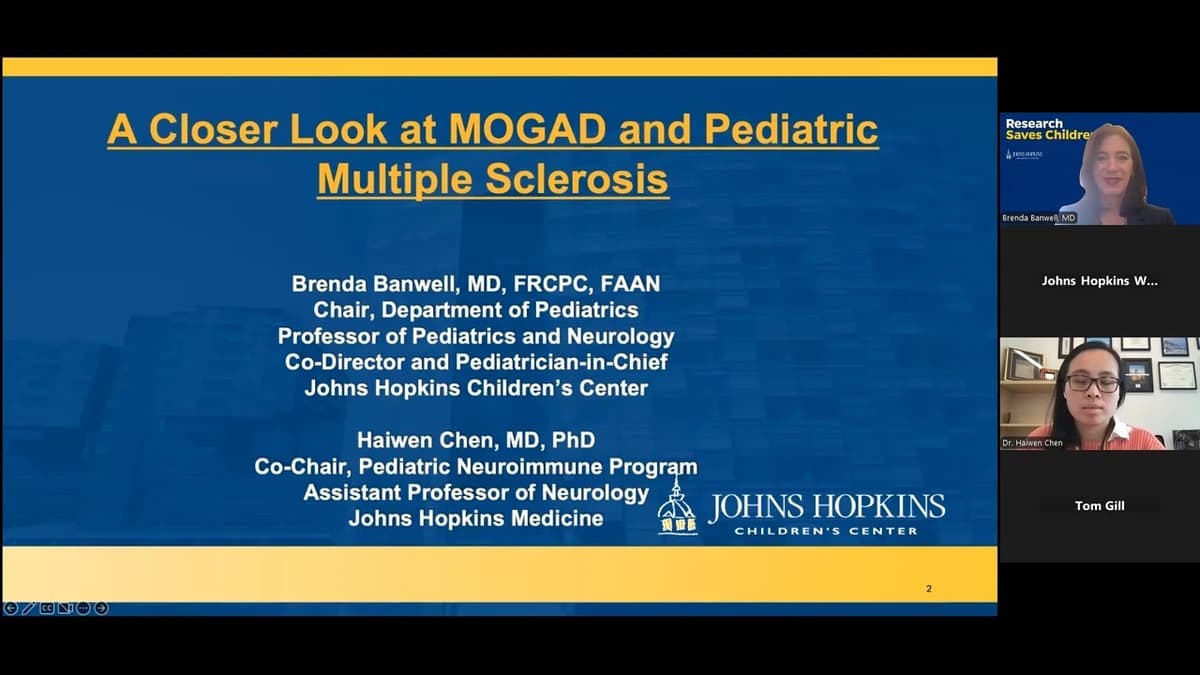
A Closer Look at MOGAD and Pediatric Multiple Sclerosis
The podcast from Johns Hopkins clinicians examines pediatric multiple sclerosis (MS) and myelin oligodendrocyte glycoprotein antibody‑associated disease (MOGAD), outlining typical presentations, imaging hallmarks, and diagnostic pathways. Key points include the spectrum of acute neurologic signs—encephalopathy, Lhermitte’s phenomenon, optic neuritis—and MRI patterns...