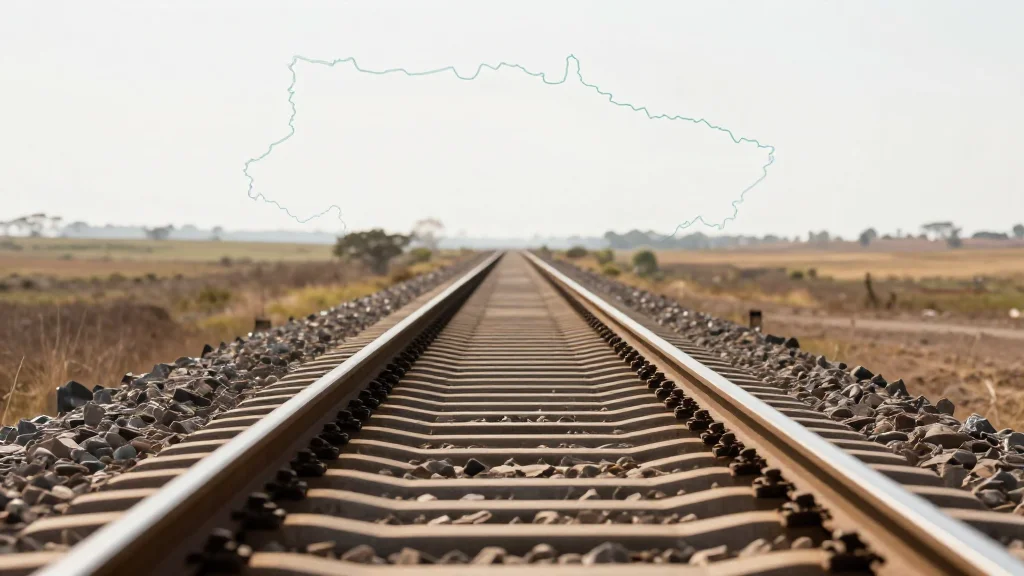
Uruguay Outlines New Rail Priorities
Why It Matters
Enhanced rail connectivity positions Uruguay as a logistics hub in the Southern Cone, attracting trade and investment. The focus on Brazil‑linked freight routes could accelerate regional supply‑chain efficiency and economic growth.
Key Takeaways
- •Uruguay's rail masterplan launched in 2025 targets network expansion.
- •Northern corridor to Rivera prioritized for Brazil freight linkage.
- •Masterplan will guide phased infrastructure upgrades and new line projects.
- •No project costs disclosed yet; procurement to focus on track systems.
Pulse Analysis
Uruguay’s renewed rail agenda arrives at a pivotal moment for South America’s transport landscape. After years of modest rail activity, the 2025 masterplan signals a strategic shift toward integrating rail into the country’s logistics framework. By consolidating earlier investments and outlining a clear, phased roadmap, the government aims to attract private capital and streamline procurement, particularly for track renewal—a critical bottleneck in many regional networks.
The emphasis on the northern corridor to Rivera reflects Uruguay’s ambition to become a freight conduit between the Atlantic port of Montevideo and Brazil’s expansive rail system. This cross‑border link promises to reduce shipping times and costs for commodities such as soy, beef, and timber, enhancing the competitiveness of Uruguayan exporters. Moreover, stronger rail ties with Brazil align with broader Mercosur initiatives to harmonize transport standards and facilitate seamless cargo movement across member states.
While specific project budgets have not been released, the masterplan’s focus on phased implementation suggests a pragmatic approach to financing, likely blending public funds with international loans and private‑sector participation. Stakeholders will watch closely for upcoming tenders, especially in track infrastructure, as they could set benchmarks for future rail projects in the region. If executed effectively, Uruguay’s rail expansion could stimulate job creation, spur ancillary industries, and reinforce the nation’s role in a more integrated South American supply chain.
Uruguay outlines new rail priorities
Comments
Want to join the conversation?
Loading comments...