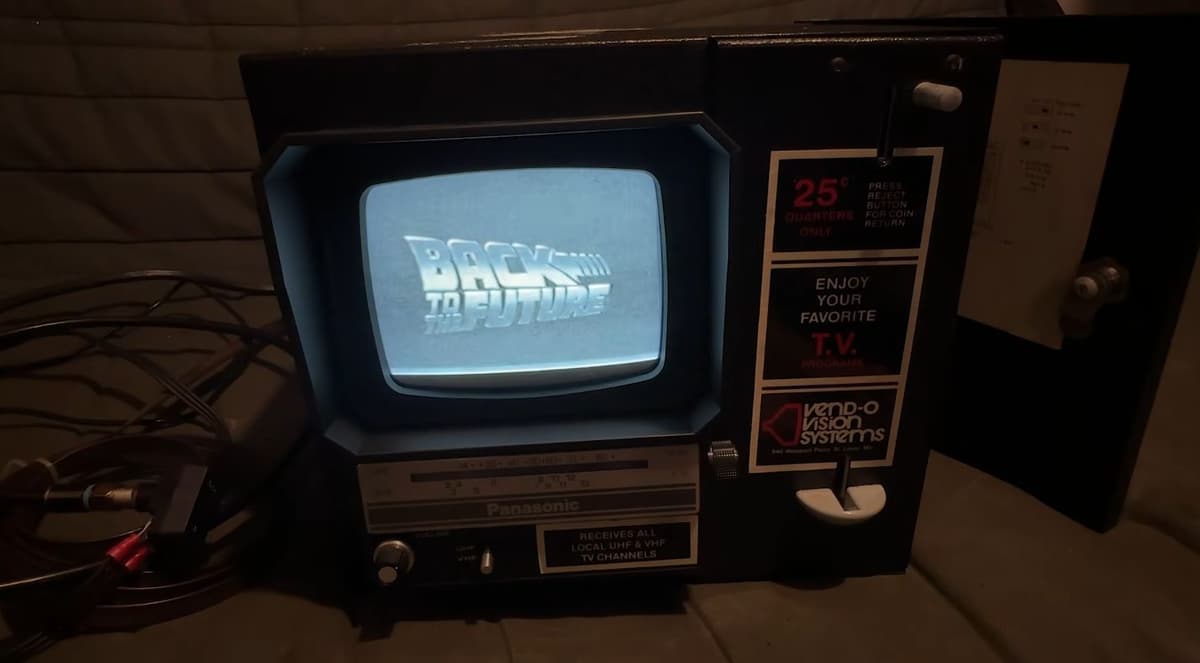
Vend-O-Vision: Trading Quarters for Watching TV in Public

Key Takeaways
- •Vend-o-Vision offered quarter‑priced TV viewing in public venues
- •Units used off‑the‑shelf black‑and‑white Panasonic TVs with timers
- •FTC fined Mini‑TV USA in 1995 for deceptive earnings claims
- •Few surviving machines make the device a collector’s rarity
- •Modern streaming makes coin‑operated TVs commercially obsolete
Pulse Analysis
Coin‑operated televisions like the Vend‑o‑Vision emerged at a time when portable media were scarce and public venues sought new revenue streams. By repurposing a mass‑produced Panasonic black‑and‑white set and adding a simple timer‑coin interface, Mini‑TV USA promised operators 10 to 20 minutes of viewing per quarter, turning idle waiting time into billable entertainment. The concept fit neatly into laundromats, airport lounges, and diners, where patrons could tune into local VHF/UHF channels while they waited.
The business model, however, ran into regulatory headwinds. In 1995 the Federal Trade Commission settled with Mini‑TV USA after the company inflated projected earnings per unit at trade shows, a practice deemed deceptive. The FTC action not only forced a financial penalty but also tarnished the brand, contributing to the company’s eventual closure. This episode serves as a cautionary tale for modern entrepreneurs who market emerging media services: transparent financial projections and compliance are as critical as the technology itself.
Today, the Vend‑o‑Vision is a niche collector’s item, prized for its retro charm and as a physical reminder of pre‑digital content monetization. While the device itself is obsolete—superseded by on‑demand streaming and mobile screens—its legacy informs current pay‑per‑view and subscription models. Understanding its rise and fall offers valuable insight into how consumer habits, technology, and regulation converge to shape the media landscape.
Vend-o-Vision: Trading Quarters for Watching TV in Public


Comments
Want to join the conversation?