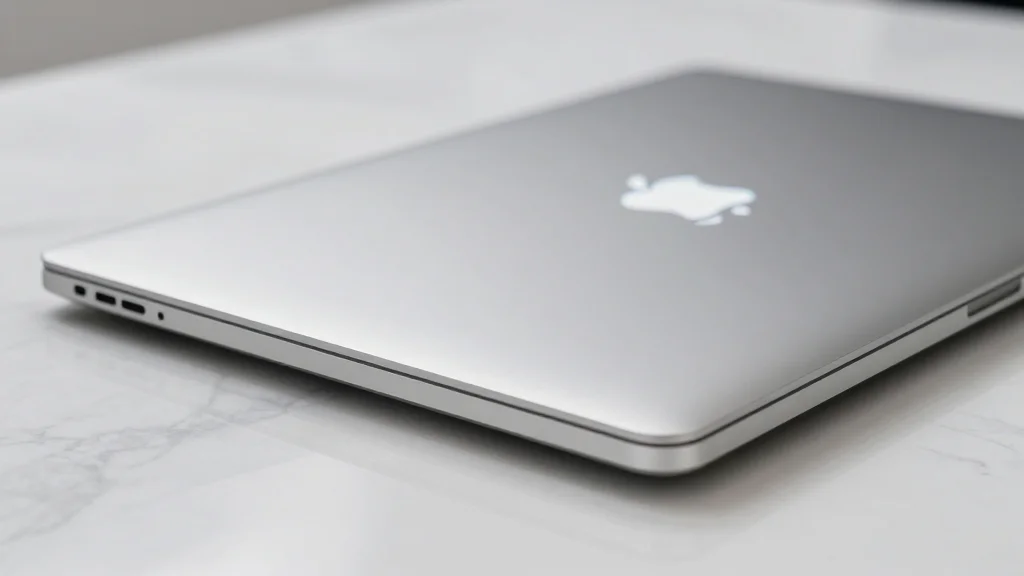
Apple Rushes MacBook Neo Production as $599 Inventory Sells Out, Sales Forecast Jumps to 10 Million

Companies Mentioned
Why It Matters
The MacBook Neo’s sell‑out highlights a rare convergence of high consumer demand and aggressive pricing in Apple’s traditionally premium laptop lineup. By leveraging leftover A18 Pro chips, Apple demonstrated a novel cost‑reduction strategy that could be replicated across other product categories if supply constraints are managed. The move also pressures rivals to rethink pricing structures in the sub‑$800 laptop market, potentially accelerating a shift toward more affordable, yet still capable, devices. If Apple can maintain the 10‑million‑unit target without eroding margins, it may set a new benchmark for volume‑driven profitability in the consumer‑tech space. Conversely, a prolonged chip shortage could expose the limits of using binned silicon as a pricing lever, forcing Apple to either accept tighter margins or raise prices, which would alter the competitive dynamics it has just begun to reshape.
Key Takeaways
- •Apple’s $599 MacBook Neo base model sold out its initial inventory within days.
- •Apple placed rush orders with Foxconn and Quanta, extending lead times to May.
- •Sales forecast lifted from 7 million to 10 million units, a 43 % increase.
- •The device relies on binned A18 Pro chips, creating a supply bottleneck.
- •Neo’s price undercuts entry‑level MacBook Air by about $200, pressuring rivals.
Pulse Analysis
Apple’s decision to price the Neo at $599 is a calculated gamble that leverages excess A18 Pro silicon to capture a segment of price‑sensitive consumers who have traditionally shunned the brand due to cost. By doing so, Apple not only expands its addressable market but also tests the elasticity of its ecosystem—whether users will stay within Apple’s software and services when the hardware entry barrier is lowered. The rapid sell‑out suggests a latent demand for a budget MacBook that the company has long ignored.
From a supply‑chain perspective, the reliance on binned chips is a double‑edged sword. It enables a dramatic price cut without redesigning the product, but it also ties the Neo’s scalability to a finite inventory of older‑generation silicon. Should Apple need to restart A18 Pro production, the cost per unit could rise, squeezing margins that are already thin on a $599 device. This tension will likely force Apple to decide whether to invest in a dedicated low‑cost SoC line or accept a capped production ceiling for the Neo.
Competitors will feel the heat. The Neo’s price point forces Windows OEMs to either deepen discounts or accelerate feature parity in their own low‑end laptops. If Apple sustains the 10‑million‑unit target, it could shift the market’s price expectations, prompting a wave of new‑generation, budget‑friendly laptops that still promise premium build quality. The next few months—particularly the May shipment window—will reveal whether Apple’s pricing experiment can be scaled without compromising its brand premium or whether it will remain a niche success.
Apple rushes MacBook Neo production as $599 inventory sells out, sales forecast jumps to 10 million
Comments
Want to join the conversation?
Loading comments...