Wendy’s Rolls Out $Project Fresh$ to Counter 7.8% U.S. Sales Drop

Companies Mentioned
Why It Matters
Project Fresh represents Wendy’s most comprehensive attempt in a decade to reverse a double‑digit sales slide, signaling to investors that the chain is willing to invest heavily in both product and execution. If successful, the initiative could re‑establish Wendy’s as a premium quick‑service player, narrowing the gap with rivals that have already leveraged fresh‑food narratives to capture higher‑margin traffic. Conversely, failure would deepen concerns about the scalability of franchise‑driven growth models in a market where consumer expectations for quality and value are rapidly evolving. The rollout also offers a template for other QSR operators facing similar sales compression: align menu innovation with a clear value tier, back it with data‑driven branding, and enforce execution standards across the system. The outcome will likely influence capital allocation decisions across the sector, from menu R&D spend to franchisee support budgets.
Key Takeaways
- •Wendy’s Q1 U.S. same‑store sales fell 7.8%, prompting the Project Fresh launch.
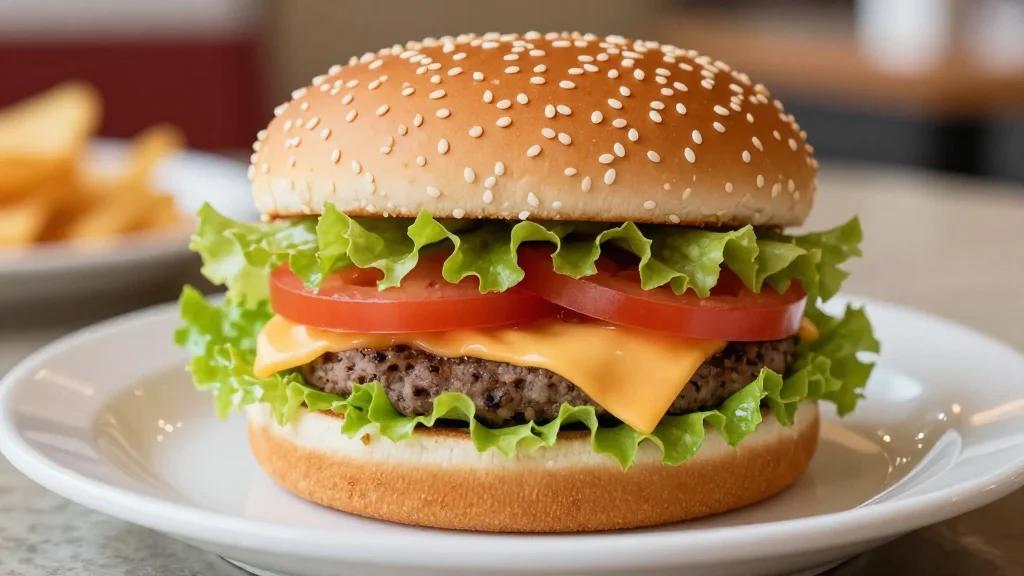
- •Menu upgrades include new buns, condiments and a revamped spicy chicken sandwich.
- •Biggie Deals introduces permanent $4, $6 and $8 value tiers to replace short‑term promos.
- •Company‑owned restaurants using the Project Fresh playbook outperformed the system by 3.1% in Q1.
- •Label printers now in ~85% of locations; a new “white glove” cleaning program is being rolled out.
Pulse Analysis
Project Fresh is a textbook case of a legacy quick‑service brand attempting a coordinated brand‑product‑operations overhaul. Historically, QSR turnarounds succeed when at least two of the three pillars—menu relevance, pricing strategy, and execution discipline— move in lockstep. Wendy’s appears to have aligned these levers: the menu refresh taps into the growing consumer appetite for perceived freshness, while the tiered value platform addresses price sensitivity without eroding brand equity. The operational push, especially the rapid adoption of label printers and cleaning standards, is designed to translate the menu promise into a consistent in‑store experience.
From a market perspective, Wendy’s gamble is high‑risk, high‑reward. The chain’s flat‑sales guidance suggests management expects incremental gains rather than a dramatic rebound, a stance that may temper investor expectations but also provides a realistic runway for measuring progress. Competitors like Chipotle have shown that a clear, quality‑first narrative can command premium pricing, but they also benefit from a simpler menu and a more homogenous franchise model. Wendy’s must overcome its broader menu complexity and a historically uneven franchise performance.
Looking ahead, the decisive factor will be the speed and depth of franchisee adoption. The 3.1% outperformance of company‑owned stores is promising, yet the franchise network still represents the bulk of Wendy’s footprint. If the operational playbook can be scaled efficiently, Project Fresh could deliver the sequential quarterly improvements Cook forecasts, positioning Wendy’s for a modest but sustainable sales lift in 2026 and beyond.
Wendy’s Rolls Out $Project Fresh$ to Counter 7.8% U.S. Sales Drop
Comments
Want to join the conversation?
Loading comments...