
Investors Demand Metrics, Not Just Revenue Spikes
600% revenue growth got attention—but it wasn't the only reason Trayd raised a Series A. Investors also wanted to see CAC, LTV:CAC, churn, retention, and scalability. 🎧 Episode 253: https://t.co/37pqfUWV0l #SaaS #SeriesA #Fundraising #SaaSMetrics #Startups https://t.co/2TZsx4YnVg
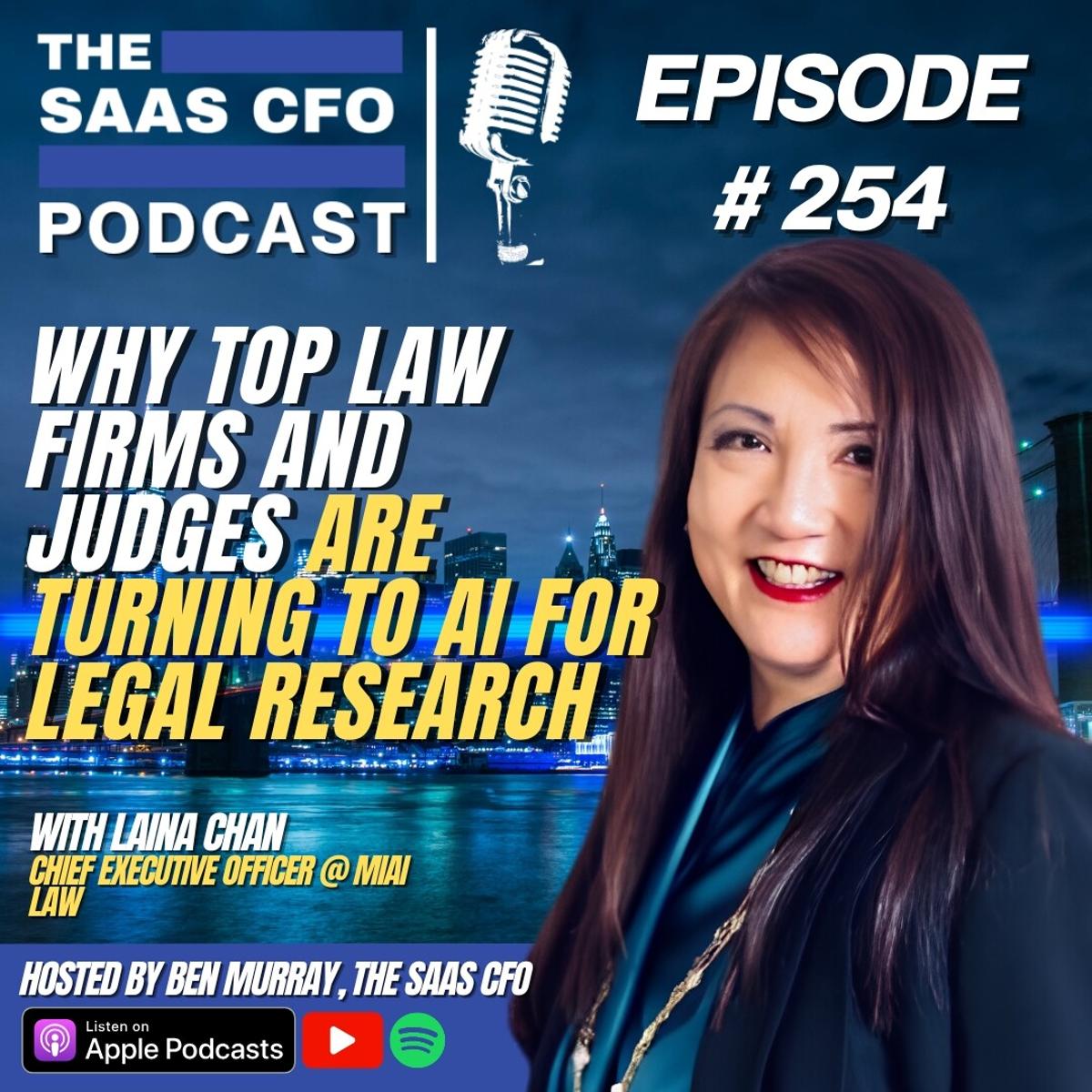
AI Boosts Law Firm Accuracy, Risk Reduction, and Productivity
🎧 New on The SaaS CFO Podcast: Laina Chan, CEO & Founder of MiAI Law, on how AI is helping law firms reduce risk, improve accuracy, and scale productivity. Watch Episode 254: https://t.co/afGgvkKAhE #SaaS #LegalTech #AI #Startup https://t.co/vPNLUPIWvP
Hiring Blocks Growth; Solve It to Scale.
"Hiring is tough. But without it, you can't unblock yourself." Anna Berger shares why hiring remains one of the biggest bottlenecks to scaling a company on Episode 253 of The SaaS CFO Podcast. 🎧 https://t.co/37pqfUWV0l #SaaS #Hiring #Leadership #Startups #Growth https://t.co/P5QWlV3qYb

Make Your Books AI-Ready to Prove Profitability
A board director leans in and asks six words: "Is AI actually making us money?" You open the financials. And you realize you can't answer it. Not because your business isn't working. Not because you don't have metrics. Because your...
When Should Founders Fire Themselves as the CFO? | SaaS Metrics School
Founders often wonder when to step aside as chief financial officer. In the SaaS Metrics School episode, the host outlines clear revenue milestones—$1 million ARR for hiring a professional bookkeeper and $3 million ARR for engaging a fractional CFO—to ensure financial infrastructure...
Know When to Hand Off CFO Duties for Growth
You're probably your startup's first CFO. But are you the right CFO for the next stage of growth? Signs it's time to step aside: no monthly close, no MRR schedule, and managing cash from your bank balance. 🎥 https://t.co/hV82i0KQoj #SaaS #StartupFinance https://t.co/UDz9adMN2C

Track AI Token Usage to Optimize Subscription Margins
CFO's, are you tracking token usage by customer? It's time to dust off the statistics textbooks. I'm creating the next lesson for my AI metrics course. This lesson focuses on AI margins and AI subscription pricing. If you are offering...

Closing the SaaS Metrics Gap with Hands‑On Training
Most junior associates can build a model, Claude aside. Far fewer can tell whether the numbers going into it are real. That's the gap I hope to close with a new hands-on program, specifically for software deals, where "ARR," "retention,"...
Clear Milestones Turn Fundraising Conversations From Tough to Transparent
“Many founders raise capital without knowing exactly what they want to achieve with it.” Ankur Goyal shares why having clear milestones and communicating the roadmap early made tough investor conversations easier. https://t.co/eyhoZxRelQ #Fundraising https://t.co/LnkzovRCxv
Misclassifying COGS vs OPEX Skews SaaS Gross Margins
SaaS gross margins are often misleading if COGS vs OPEX isn’t done right. From payment processing to customer success and cloud costs—small misclassifications can distort your entire P&L. New SaaS Metrics School episode: https://t.co/s0TWxA1OYV #SaaS #SaaSMetrics #SaaSCFO https://t.co/CgTSqKWLdy
Predictable Pricing Beats Complexity for Enterprise SaaS
🚀 New SaaS CFO Podcast episode with Ankur Goyal from Fibr AI! We covered fundraising timing, enterprise SaaS sales, and why predictable pricing still wins with large customers. Watch here 👇 https://t.co/eyhoZxRelQ #SaaS #AI #Startup #B2B https://t.co/xNRqSzPBTf

Finance Leaders Deploy Structured, Repeatable AI Workflows
Just held a live webinar today with Maxio on the AI trap for finance. Despite what socials want you to think about AI use in finance, here's how finance leaders are using AI today. How do I know this? I...

CFOs Must Track and Budget AI Token Spend Now
Budgeting for AI: The Free Ride Is Ending I recently held a tech CFO meetup. A major topic was the rapid growth of AI usage and token spend. Some of the larger orgs are seeing material internal token spend. Others...

Are SaaS Metrics Really Dead? | SaaS Metrics School
The video tackles the provocative claim that SaaS metrics are dead, arguing instead that they have simply evolved into broader recurring‑revenue metrics applicable across subscription‑based businesses. The host emphasizes that SaaS is fundamentally a delivery model—cloud, multi‑tenant, subscription—and that the underlying...
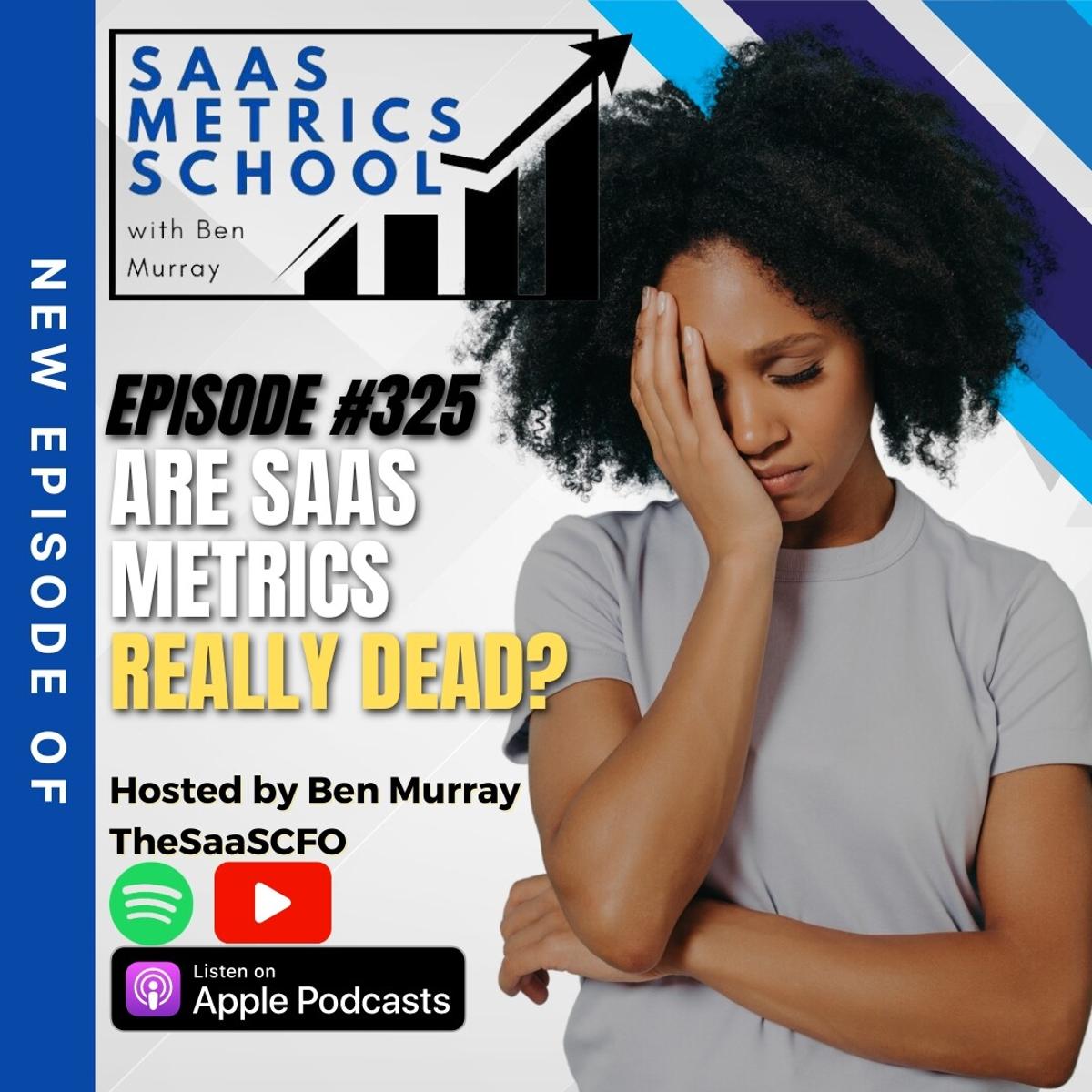
SaaS Metrics Evolve, Not Die, for AI Models
SaaS metrics are “dead”? Not quite. They’re evolving for AI, usage-based, and hybrid revenue models—not disappearing. Watch: https://t.co/UGikVX6j0S #SaaS #AI #Finance https://t.co/Ml59ZyLWCz