
Innovation to Deployment: Fixing the Pentagon's Acquisition Gap | All About the Base
The episode examines the Pentagon’s urgent push to close the acquisition gap that leaves U.S. warfighters lagging behind rivals, especially China, which is fielding high‑end weapons five to six times faster. Secretary Pete Hegseth’s recent speech set a top‑to‑bottom reform agenda, introducing Portfolio Acquisition Executives, scrapping the decades‑old Joint Capabilities Integration and Development System (JIDS), and launching a new war‑fighter acquisition strategy aimed at rapid, software‑driven procurement. Key insights include the shift toward modular, open‑system contracts that keep competition alive throughout a program’s life cycle, and the creation of dedicated software acquisition pathways that allow iterative development akin to commercial tech firms. The reforms also stress closer alignment with war‑fighter needs, faster requirement validation, and expanded collaboration with allies and commercial innovators. Notable examples cited are the Air Force’s Collaborative Combat Aircraft program, which will select multiple vendors to maintain industrial‑base multiplicity, and the Secretary’s three implementing memos targeting requirements, acquisition, and partner cooperation. The discussion highlights how JIDS once took up to a year to approve a single document, underscoring the need for a more agile process. If successful, these changes could dramatically shorten the time from prototype to battlefield, preserve U.S. technological edge, and open new market opportunities for commercial AI, cyber, and space firms. However, persistent challenges—workforce shortages, brittle production lines, and entrenched bureaucracy—must be addressed to realize the promised speed and flexibility.
Mental Health in Conflict
The video highlights Lebanon’s acute shortage of resources for mental‑health care amid ongoing conflict, emphasizing that mental health remains chronically deprioritized in humanitarian agendas. Speakers argue that the true cost of ignoring mental health does not appear on health‑sector balance sheets...
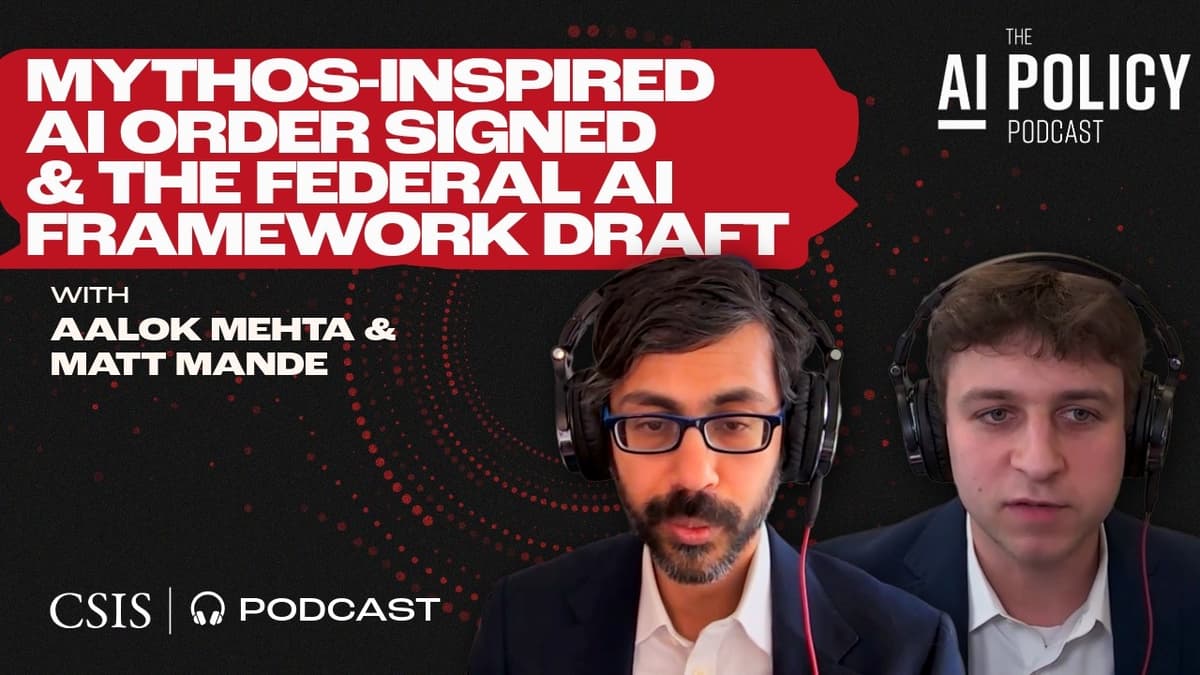
Trump Signs Mythos-Inspired Executive Order & Reps. Release Draft Federal Framework for AI
The podcast outlines two major policy moves – President Trump’s June 2 executive order on AI‑related cyber risk and the bipartisan “Great American AI Act” discussion draft released June 4 – highlighting the administration’s and Congress’s attempts to shape AI governance amid...
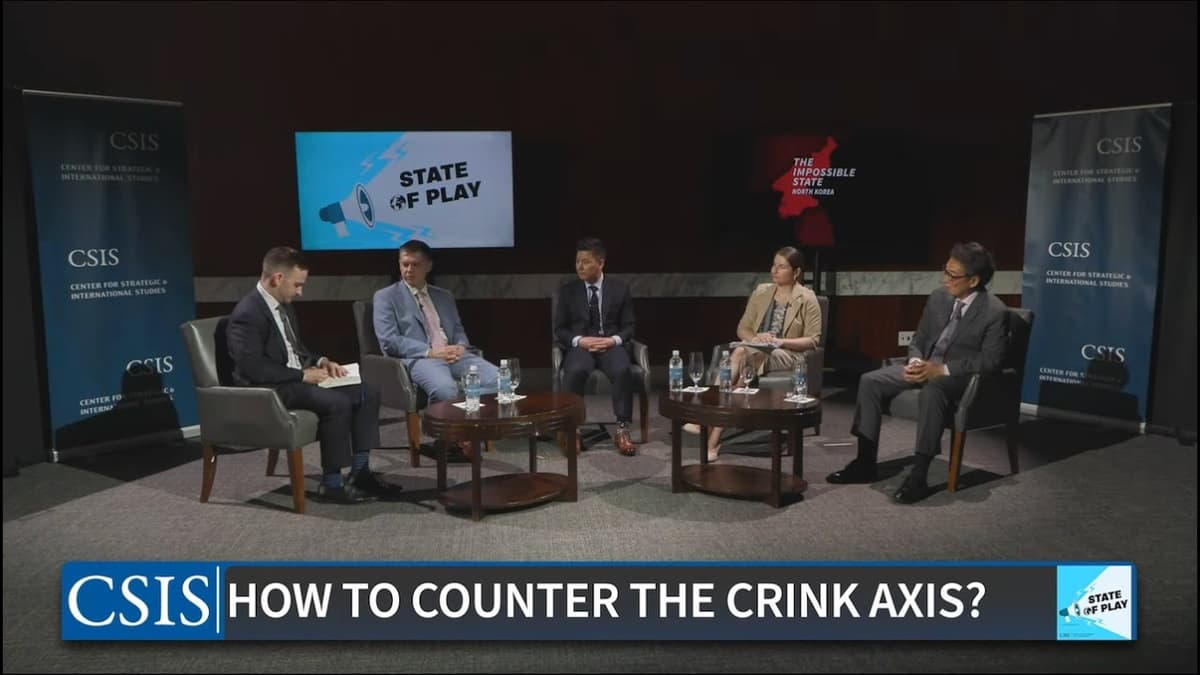
How Should the United States Counter the CRINK Axis? | The Impossible State of Play
The panel discussion examined how the United States should respond to the emerging "CRINK" axis—China, Russia, Iran, North Korea, and the collaborative behaviors that bind them. While not a formal treaty, the quartet demonstrates coordinated diplomatic moves, such as joint...
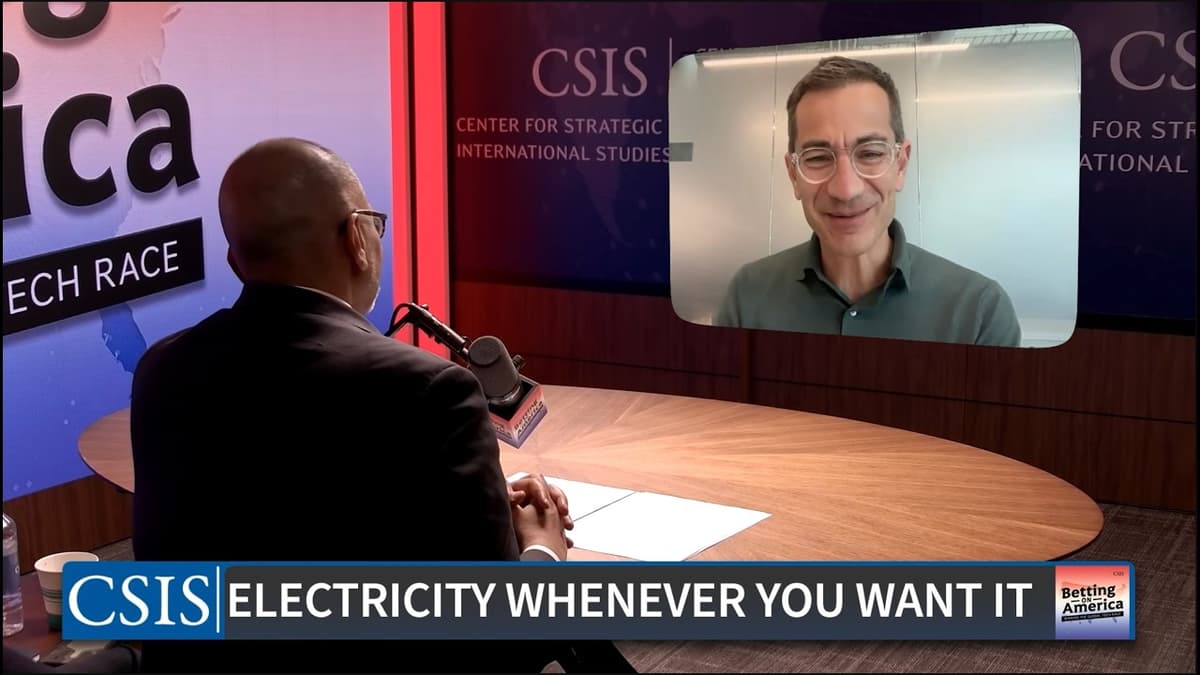
Electricity Whenever You Want It: Mateo Jaramillo, Form Energy Co-Founder & CEO | Betting on America
The Betting on America podcast features Mateo Jaramillo, co‑founder and CEO of Form Energy, as he outlines the company’s mission to deliver "electricity whenever you want it" through long‑duration, grid‑scale storage. Jaramillo explains how a surge in electricity demand—driven...
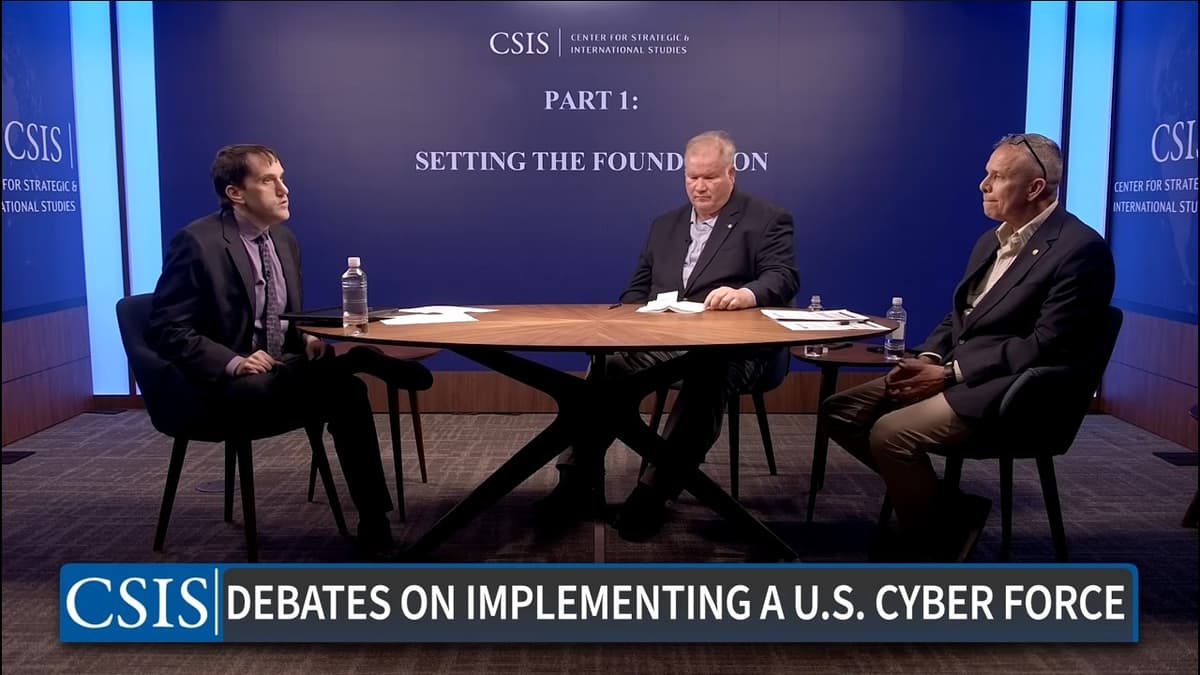
Debating the Future of a U.S. Cyber Force
The CSIS commission convened senior military cyber leaders to debate whether the United States should create a dedicated cyber service. Their new report argues that the existing, fragmented model—where each service generates its own cyber personnel while U.S. Cyber...
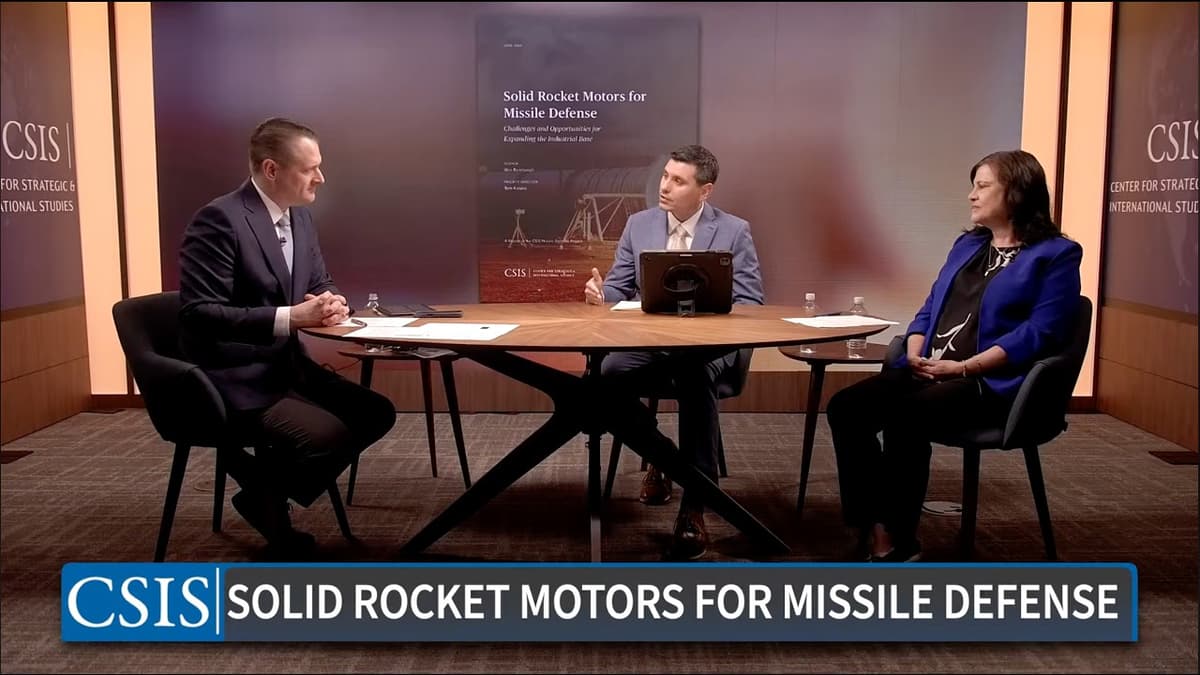
Solid Rocket Motors for Missile Defense
The CSIS panel released a new report on solid‑rocket motors (SRMs) as a cornerstone of the Pentagon’s missile‑defense munitions acceleration effort. With recent conflicts draining U.S. stockpiles, the Department of Defense is seeking to expand SRM output through a...

Business Roundtable's Nasim Fussell Talks USMCA
Nasim Fussell, Vice President of Trade and International at Business Roundtable, briefed the Trade Guys on the status of the USMCA renewal. Negotiators are making headway, yet core issues such as automotive rules of origin, labor provisions, and digital trade remain...

Assessing the State of the U.S. Space Industrial Base
The video explains why Olympic weightlifters routinely drop bars, plates, and platforms without damaging equipment. It emphasizes that the gear is purpose‑built for impact, with bumper plates crafted from dense rubber and bars featuring rotating sleeves that allow plates to...

Data Centers, AI, and the Future of U.S. Strategic Competitiveness
The video examines how the United States can preserve its strategic edge by bolstering domestic data‑center capacity and AI infrastructure. It argues that the rapid growth of generative AI models is outpacing existing facilities, prompting policymakers to consider a coordinated...

The United States Ebola Response Is Falling Behind
The video warns that the United States’ response to the newly identified Bundabujo Ebola virus in eastern Democratic Republic of Congo and neighboring Uganda is lagging behind the rapidly evolving crisis. The outbreak, first reported on May 15, was declared a...
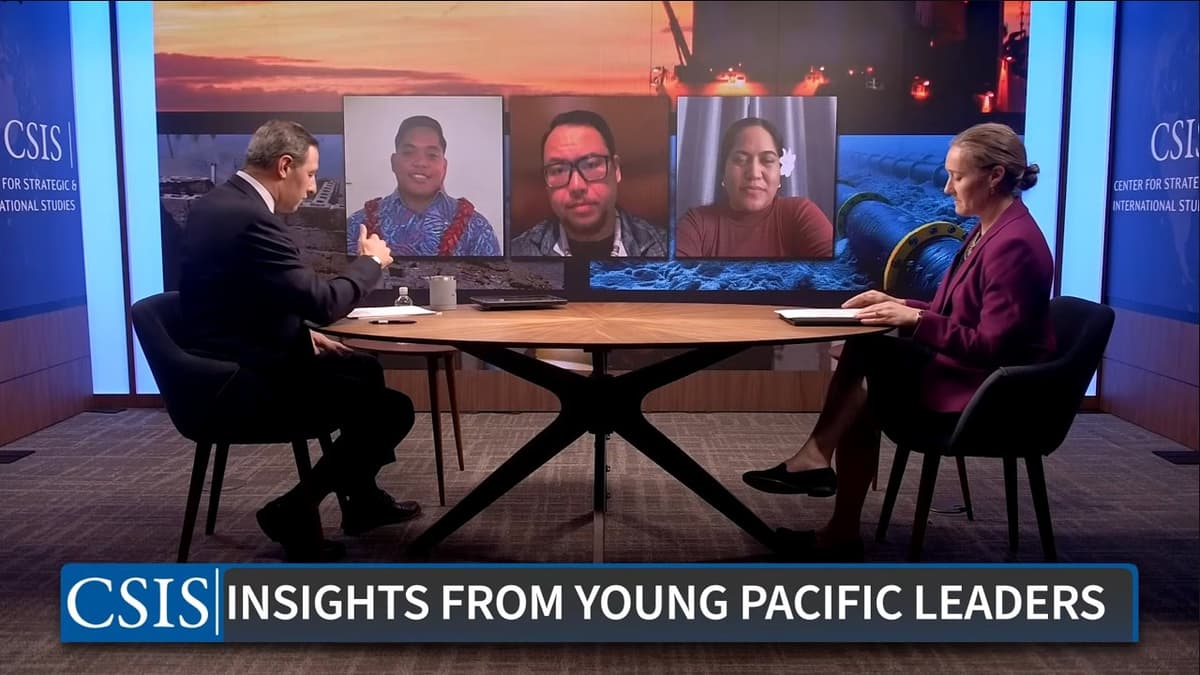
Security and the Pacific Islands: Insights From Young Pacific Leaders Report Launch
The Center for Strategic and International Studies hosted a Young Pacific Leaders (YPL) conference in Port Vila, Vanuatu, unveiling a new report that captures essays from emerging Pacific policymakers on security, governance and resilience. Participants—including a Guam political scientist,...

Cold Peace: Engaging DPRK to Reduce Risk and Threat | The Impossible State
The episode focuses on Victor Cha’s “Cold Peace” concept, which urges Washington to abandon the unrealistic demand for immediate North Korean denuclearization and instead pursue risk‑reduction engagement that mirrors arms‑control frameworks. The hosts—former diplomats and policy experts—argue that U.S....

A "Cold Peace" With North Korea?
The video argues that the United States’ three‑decade‑long pursuit of complete, verifiable, irreversible denuclearization (CVID) of North Korea has unequivocally failed. Successive administrations have demanded total nuclear dismantlement, yet Pyongyang continues to expand its arsenal. Current estimates place North Korea’s stockpile...
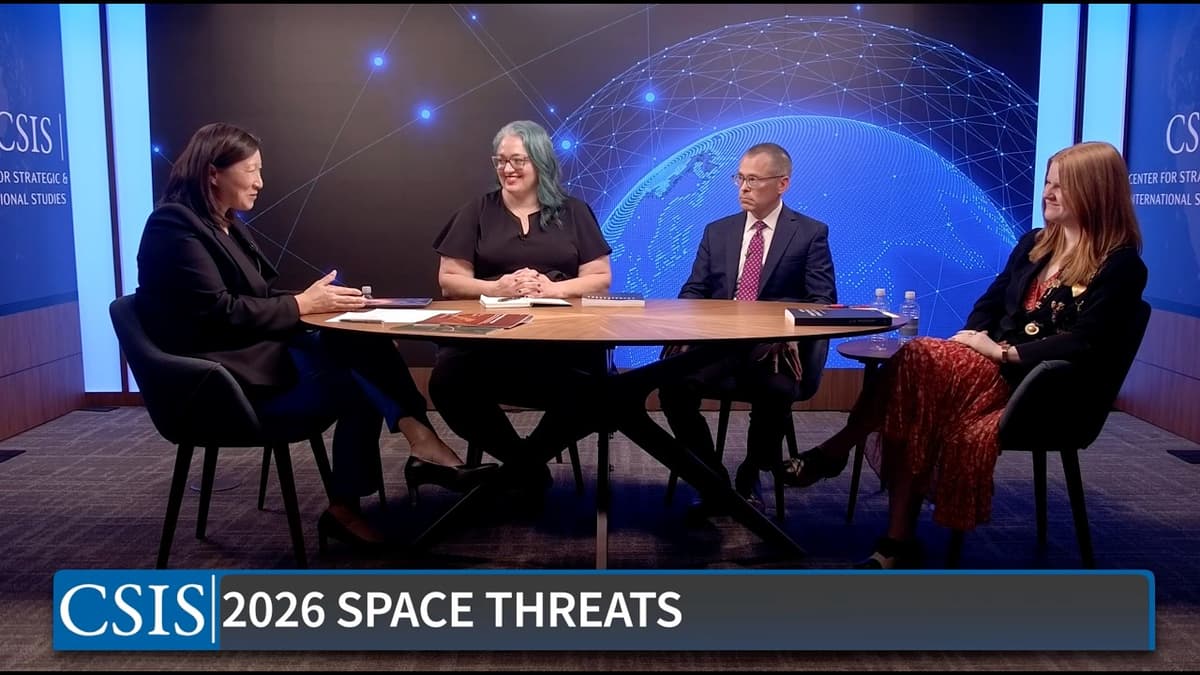
What Are the Biggest Space Threats in 2026?
The CSIS panel examined the 2025‑2026 space threat landscape, highlighting how space has shifted from a support role to a strategic battlefield. Nations increasingly rely on satellites for communications, navigation, and targeting, while simultaneously developing capabilities to disrupt, degrade, or...