
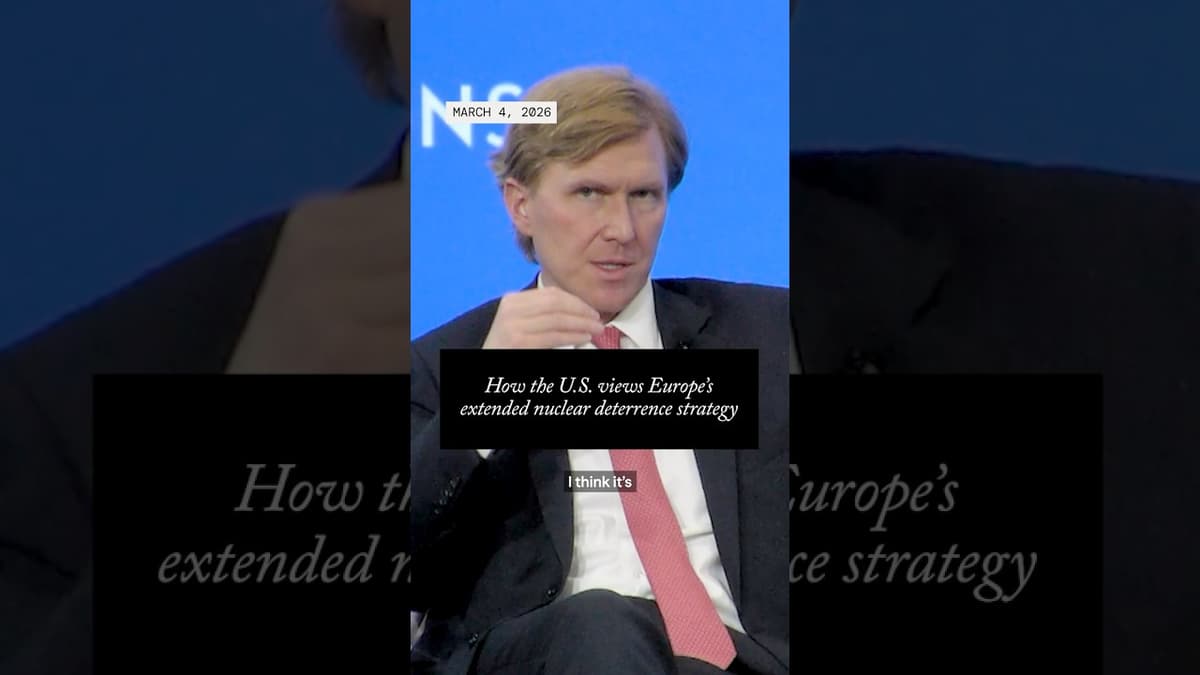
How the U.S. Views Europe’s Extended Nuclear Deterrence Strategy
The video features a senior U.S. Department of Defense official discussing how Washington views Europe’s expanding role in NATO’s extended nuclear deterrence, referencing the long‑standing Ottawa and summit declarations that the United Kingdom and France’s independent nuclear forces bolster alliance security. He notes that the United Kingdom has already signaled a willingness to contribute more nuclear assets, while France’s deterrent remains focused on national defense, making a direct extension to other NATO members technically and politically complex. The official stresses that these issues are “important but can be worked out” within the emerging NATO 3.0 framework, which seeks to modernize burden‑sharing and planning processes. “We have spent 75 years figuring out how to do extended deterrence,” he remarks, underscoring the difficulty of turning a country‑specific arsenal into a credible guarantee for distant allies. He also points out that European partners are eager to help but do not view the move as a substitute for U.S. commitments. If Europe can successfully integrate its nuclear capabilities, the alliance could achieve a more balanced deterrence posture, easing U.S. strategic pressures while preserving credibility. However, the practical challenges of command, control, and political consent mean the transition will be gradual and contingent on clear NATO planning.
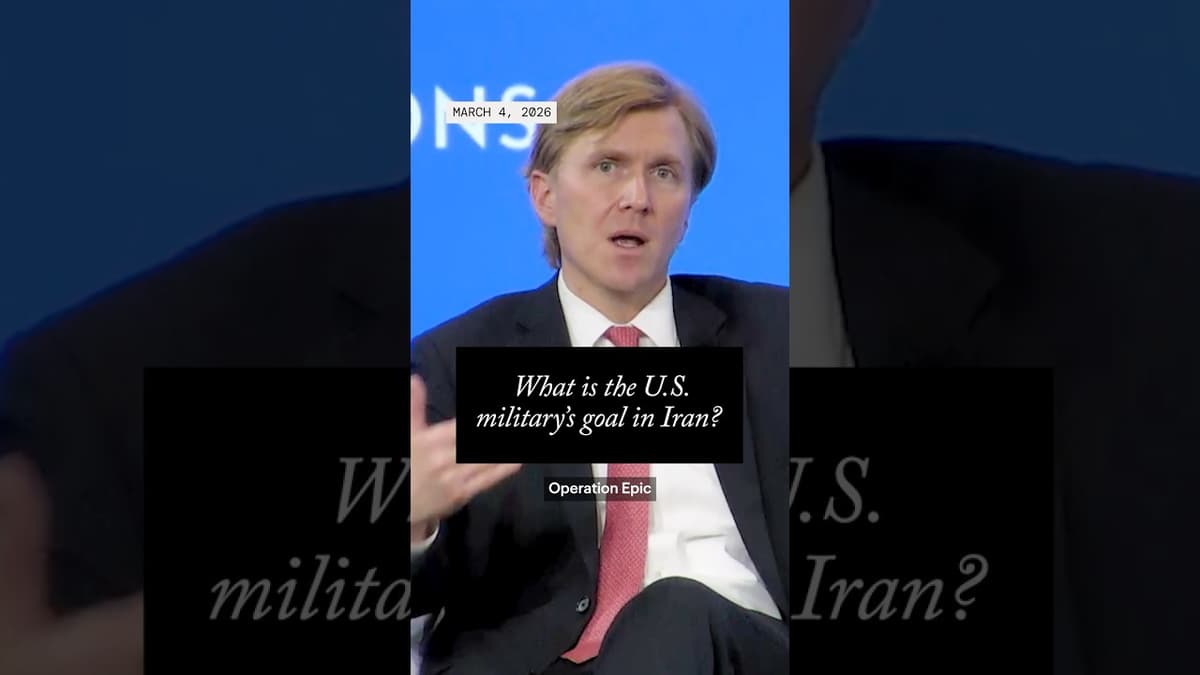
What Is the U.S. Military’s Goal in Iran?
Operation Epic Fury is the United States’ newly announced military campaign aimed at degrading the Islamic Republic of Iran’s capacity to project power across the Middle East. President‑directed, the effort concentrates on dismantling Iran’s missile programs, one‑way attack drones, and...

CFR Educators Workshop: The United States in Focus
The Council on Foreign Relations hosted an Educators Workshop titled “The United States in Focus,” featuring Bruce Hoffman, Zongyuan Zoe Liu, and Shannon K. O’Neil. Hoffman addressed evolving homeland security and counterterrorism challenges, Liu analyzed the economic dimensions of U.S.-China...
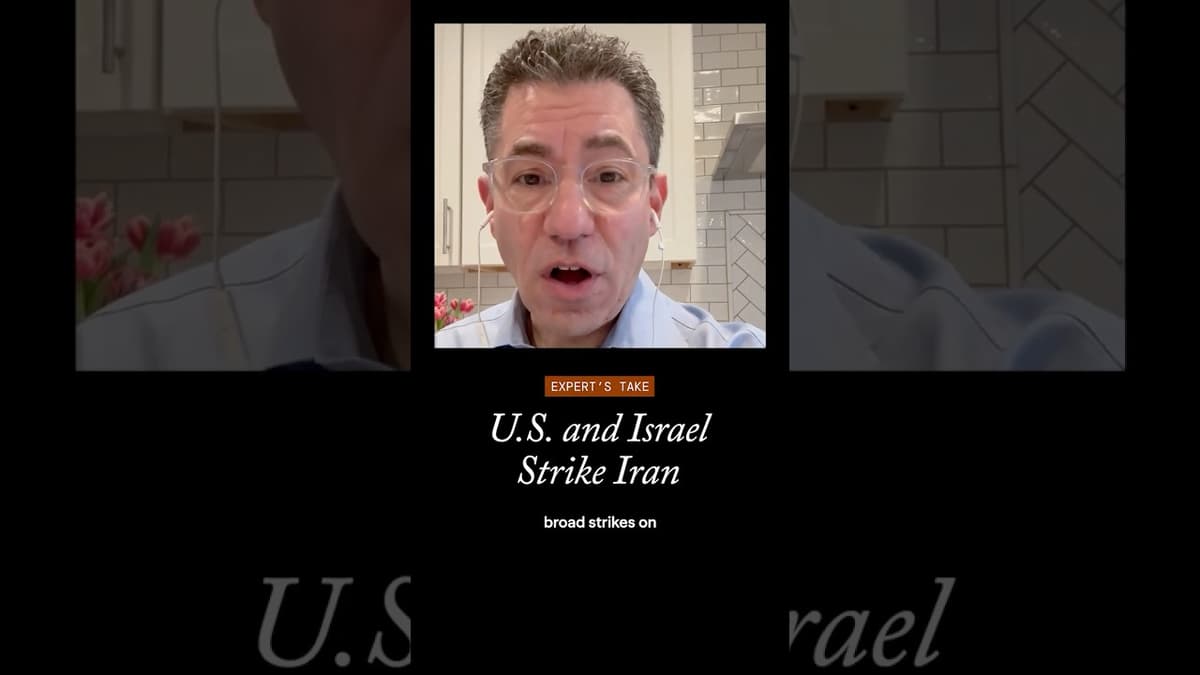
U.S. and Israel Strike Iran
President Trump announced a coordinated strike campaign against Iran, targeting its ballistic missile facilities, nuclear program, and key leadership sites. The Israeli armed forces joined the operation, reportedly hitting Ayatollah Khamenei's compound. Experts from the Council on Foreign Relations warned...
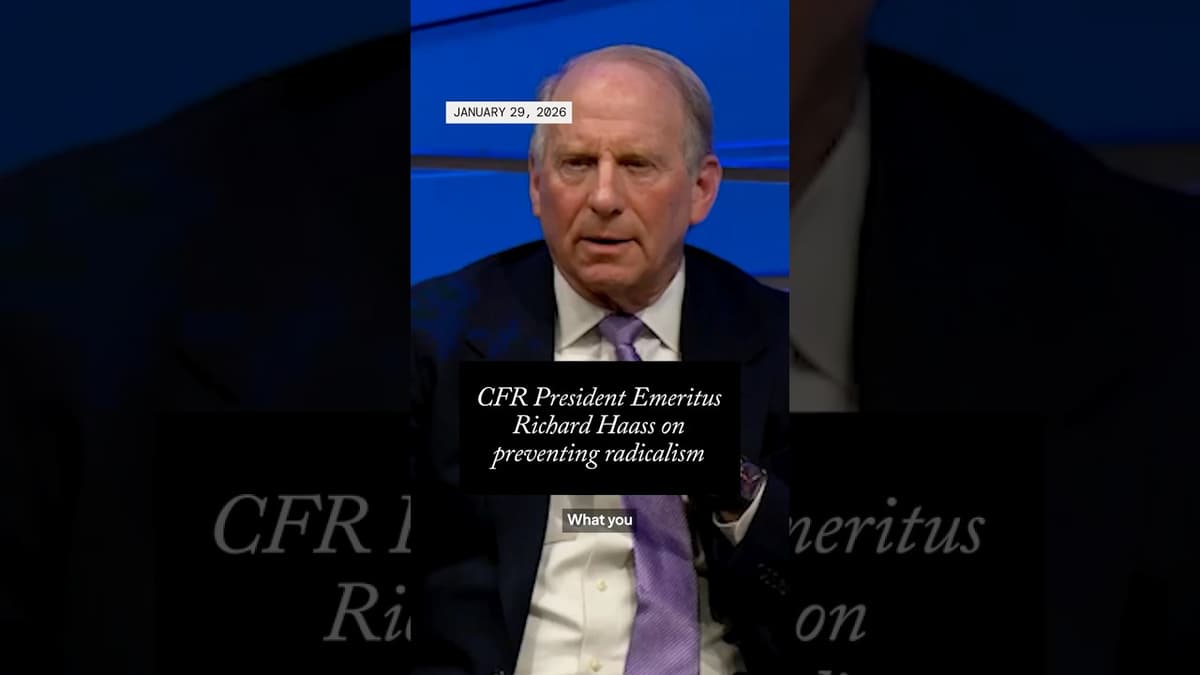
CFR President Emeritus Richard Haass on Preventing Radicalism
Richard Haass, president‑emeritus of the Council on Foreign Relations, warned that humiliation can push individuals toward extreme actions. He cited the ongoing crises in Gaza and the West Bank as examples where perceived humiliation fuels radicalism. Haass argued that current...
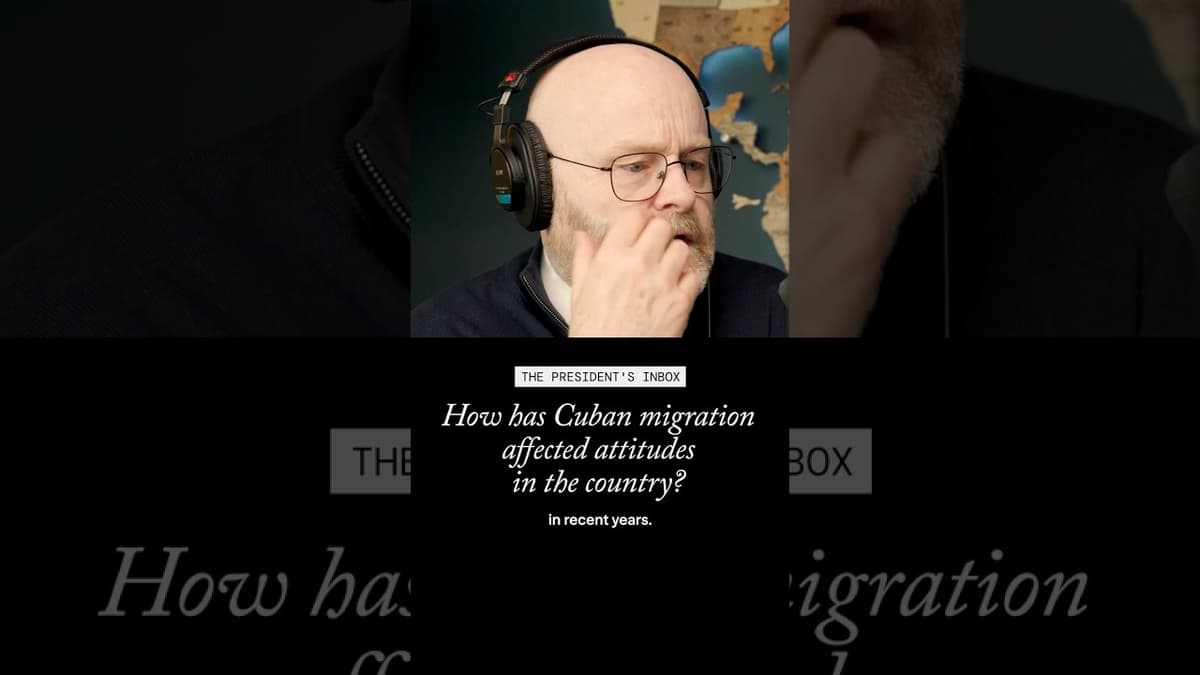
How Has Cuban Migration Affected the Outlook for Protests in the Country?
The 2021 mass protests in Cuba triggered a wave of migration, with many citizens choosing to leave the island rather than continue dissent. Experts, including Michael Bustamante of the University of Miami, argue that the exodus reflects a belief that...
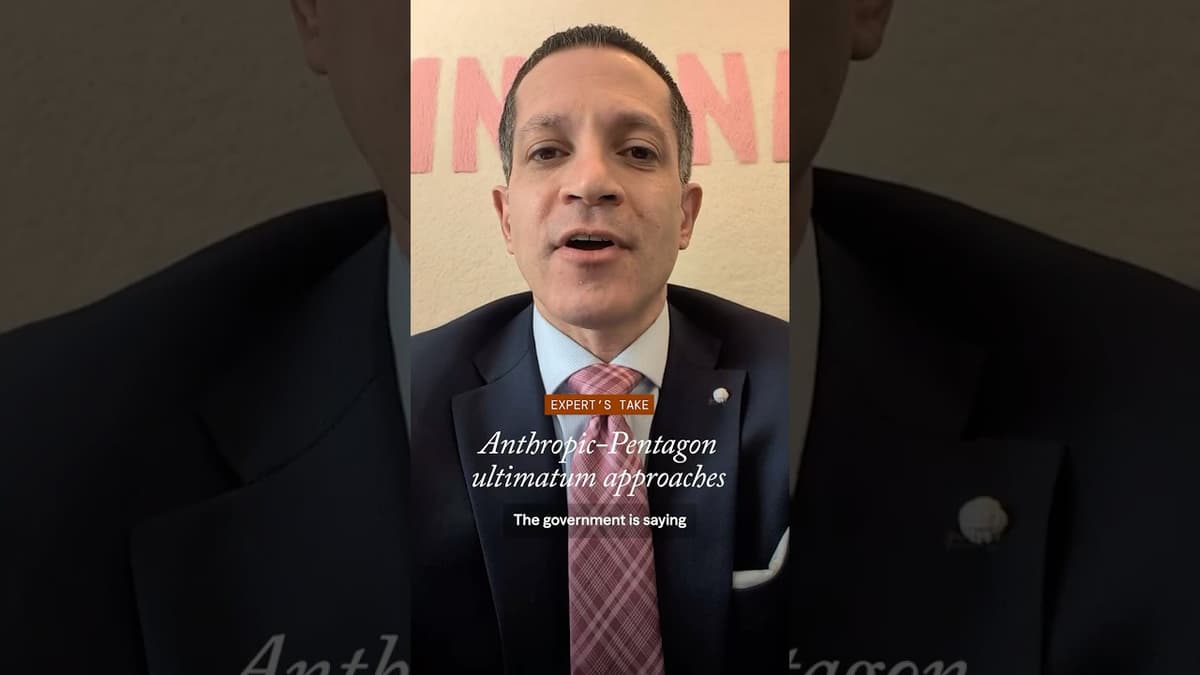
The Anthropic-Pentagon Ultimatum Approaches
The Council on Foreign Relations expert Michael Horowitz warns that Anthropic and the Pentagon are at an impasse. Anthropic doubts the government will deploy its AI responsibly, while the Pentagon questions Anthropic's commitment to national‑security applications. Horowitz frames the standoff...
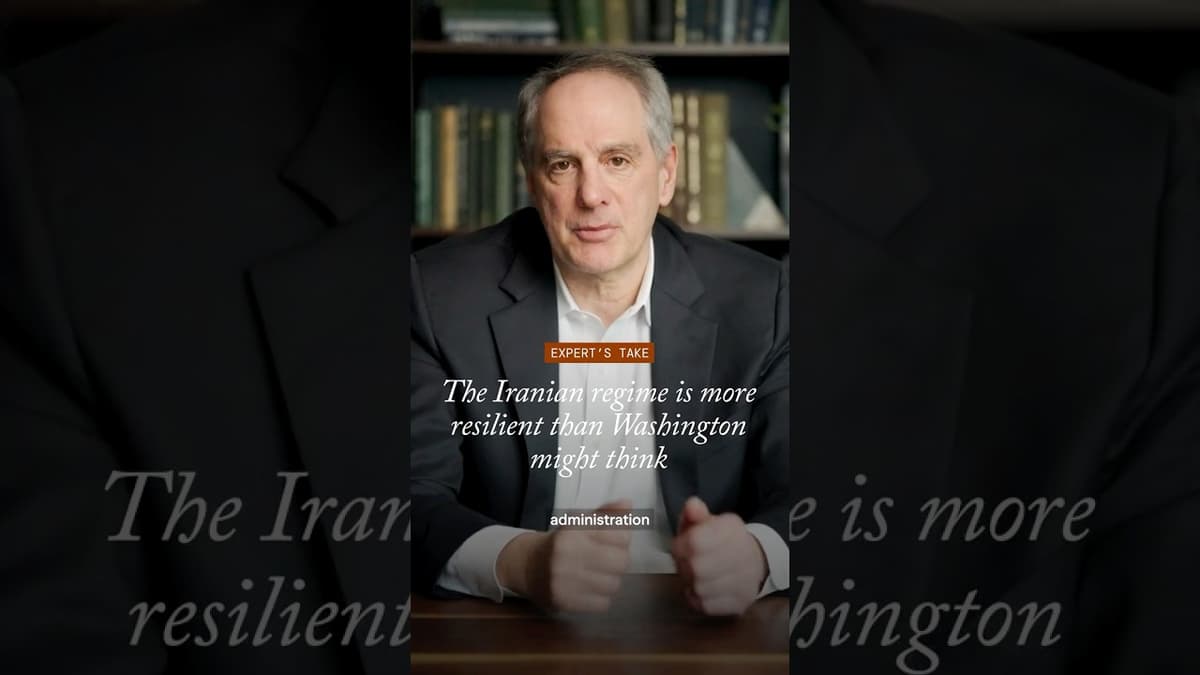
The Iranian Regime Is More Resilient than Washington Might Think
Ray Takeyh, a Council on Foreign Relations Iran specialist, argues that the recent Iranian uprising actually reinforced the Islamic Republic’s strength rather than weakening it. He notes that successful revolts require defections from security forces and dissent among the political...
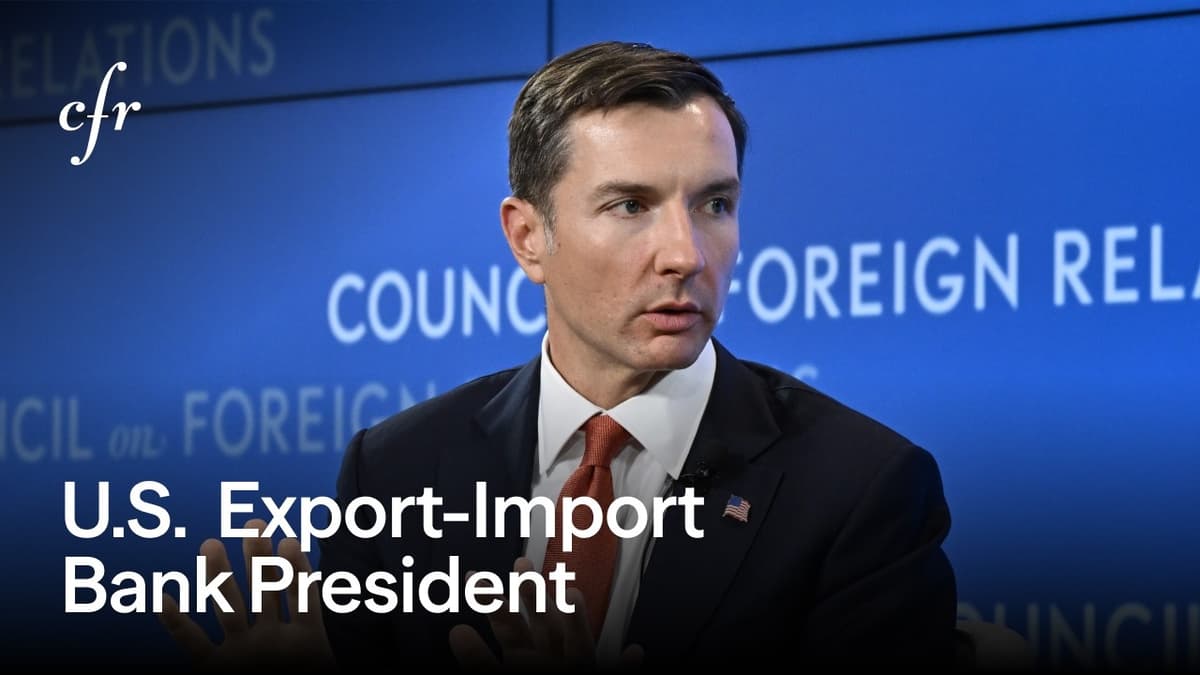
A Conversation With John Jovanovic
John Jovanovic, President and Chairman of the Export‑Import Bank of the United States, outlined the agency’s strategy to boost American exporters and manufacturers overseas while reinforcing domestic supply chains. He highlighted EXIM’s financing tools that level the playing field against...
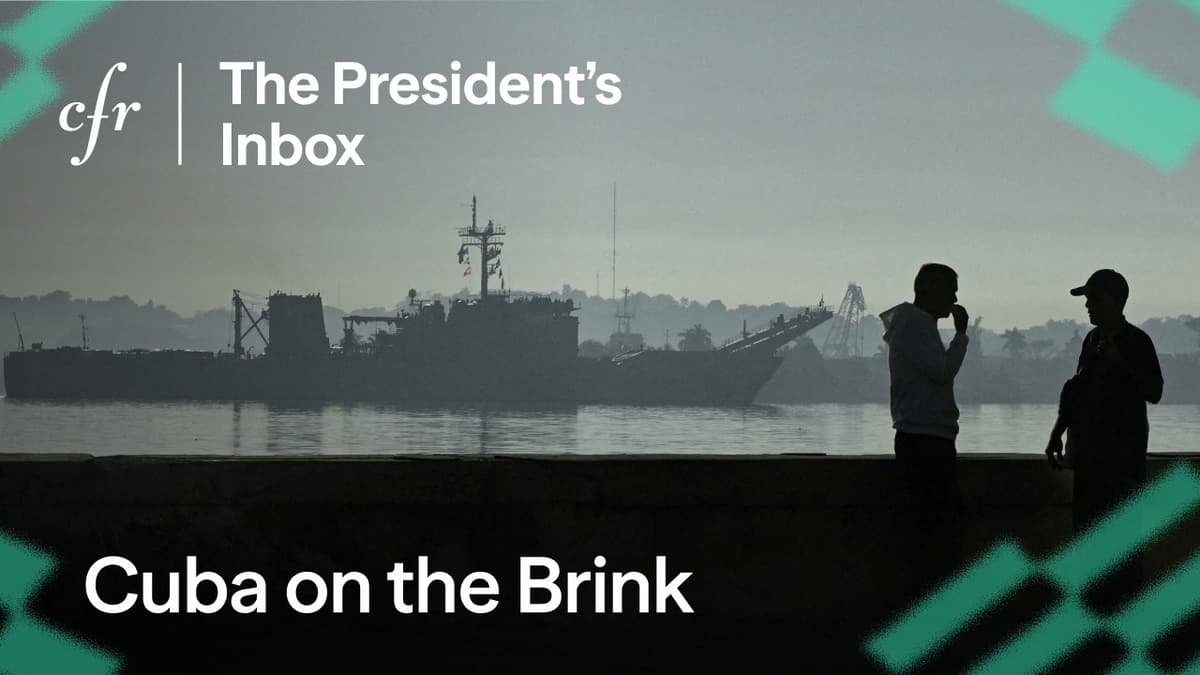
Cuba on the Brink, With Michael Bustamante
In a recent episode of The President’s Inbox, Michael Bustamante, Chair in Cuban and Cuban‑American Studies at the University of Miami, examined the Trump administration’s “maximum pressure” campaign against Cuba. The discussion highlighted how travel bans, remittance restrictions, and tightened...
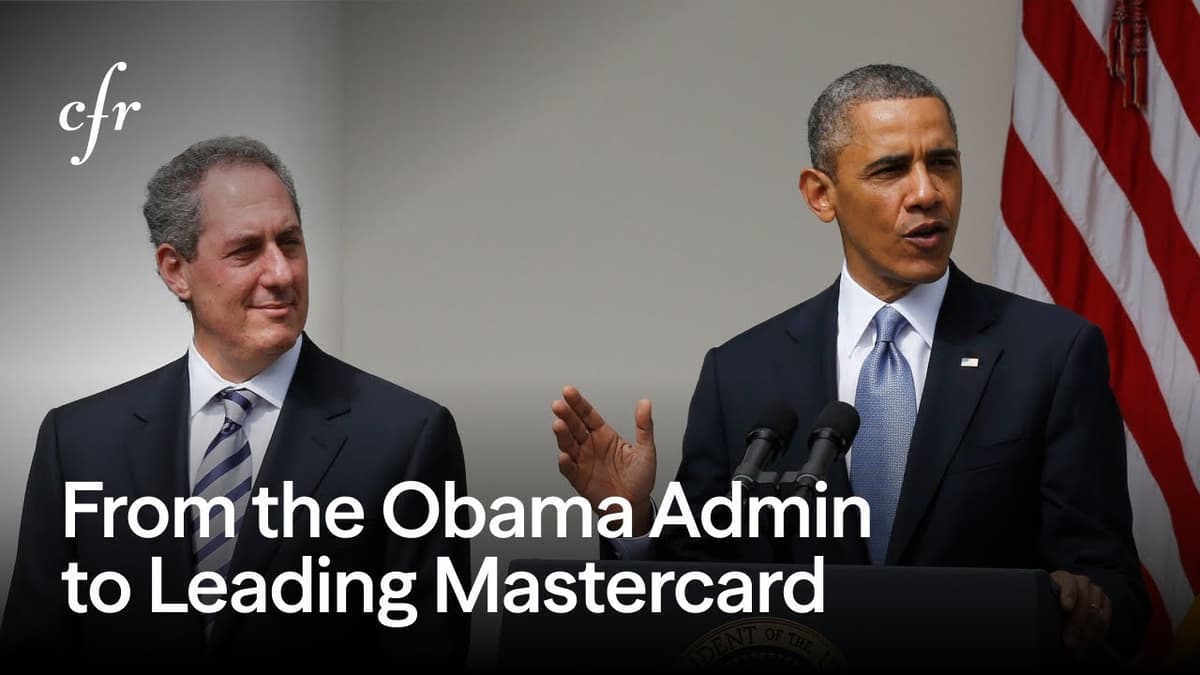
How I Got My Career in Foreign Policy: Michael Froman
In a candid conversation, former U.S. Trade Representative Michael Froman traces a winding path from childhood astronaut dreams to a lifelong career in foreign policy, sparked by a gap‑year encounter with presidential candidates in the early 1980s. After abandoning...
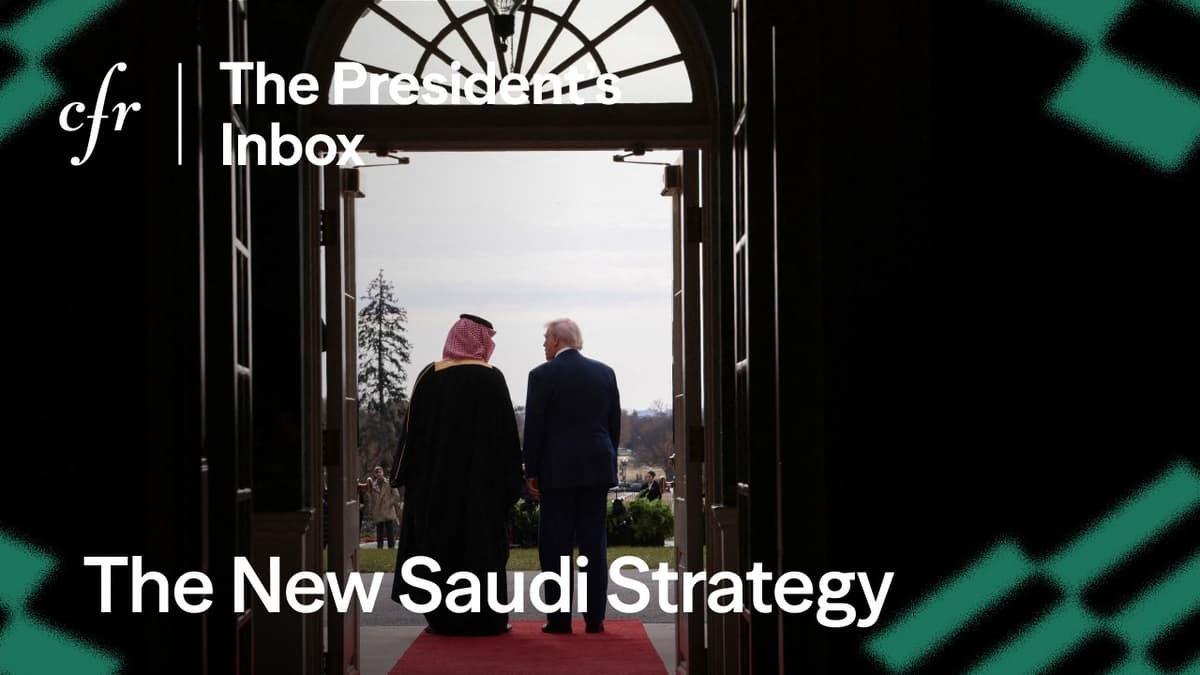
The New Saudi Strategy, With F. Gregory Gause III
The interview with F. Gregory Gause III explores Saudi Arabia’s evolving strategy under Crown Prince Mohammed bin Salman (MBS). After King Salman relinquished the prime‑ministership in 2022, MBS effectively became the kingdom’s sole decision‑maker, ending the historic consensus‑driven model...