Why the Energy Crisis May Just Be Starting | FT #shorts
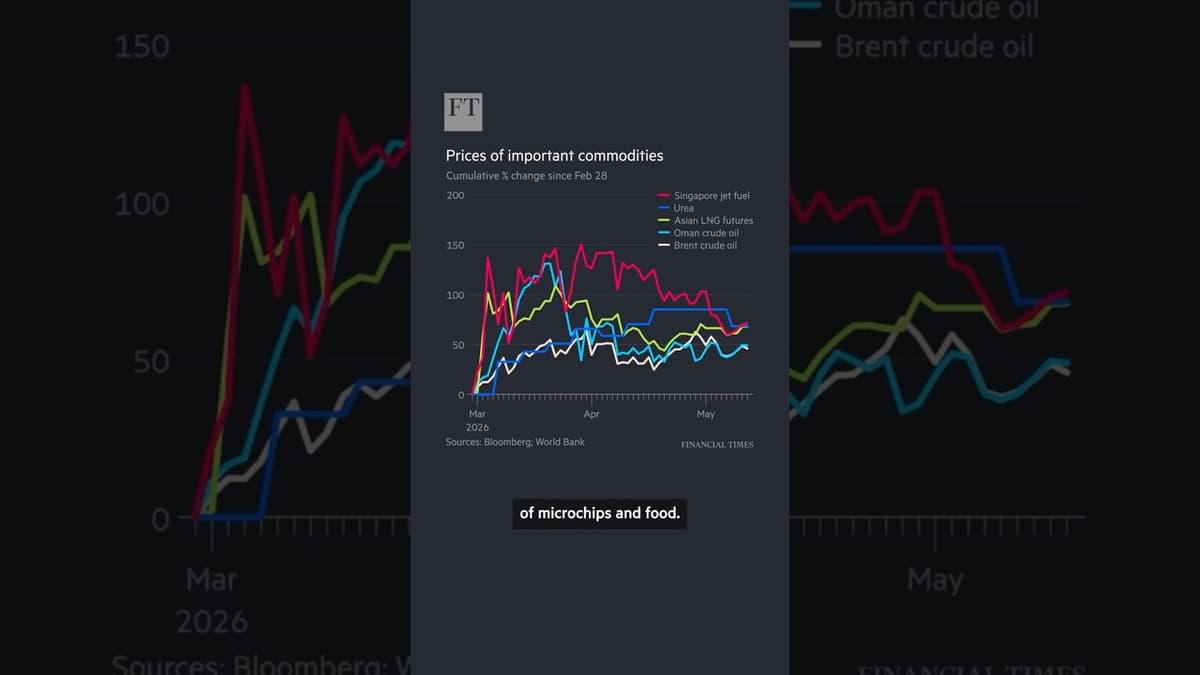
The video warns that the current Middle‑East conflict is sparking the world’s largest energy crisis, not only from the closure of the Strait of Hormuz but also from Iran’s targeted attacks on oil infrastructure. It explains that refinery configurations are tied to specific crude grades, so damage to certain plants creates immediate shortages of refined products. While dwindling strategic reserves have temporarily softened the shock, those buffers are finite and are already running low. The narrator lists a cascade of non‑oil commodities—helium, naphtha, methanol, phosphates, urea, ammonia and sulfur—whose supply chains are now at risk, threatening sectors from semiconductor manufacturing to fertilizer production. Fatih Birol of the IEA is quoted warning of “the biggest energy crisis in history,” and the video mocks the U.S. label “Operation Epic Fury,” suggesting “Epic Folly” would be more apt. If the shortages persist, manufacturers could face production cuts, food prices may rise, and the broader economy could feel a prolonged squeeze. Market optimism that a cease‑fire will quickly restore flows may be misplaced, making the crisis a pivotal risk for investors and policymakers.
Can Foreign Carmakers Survive in China | FT #shorts
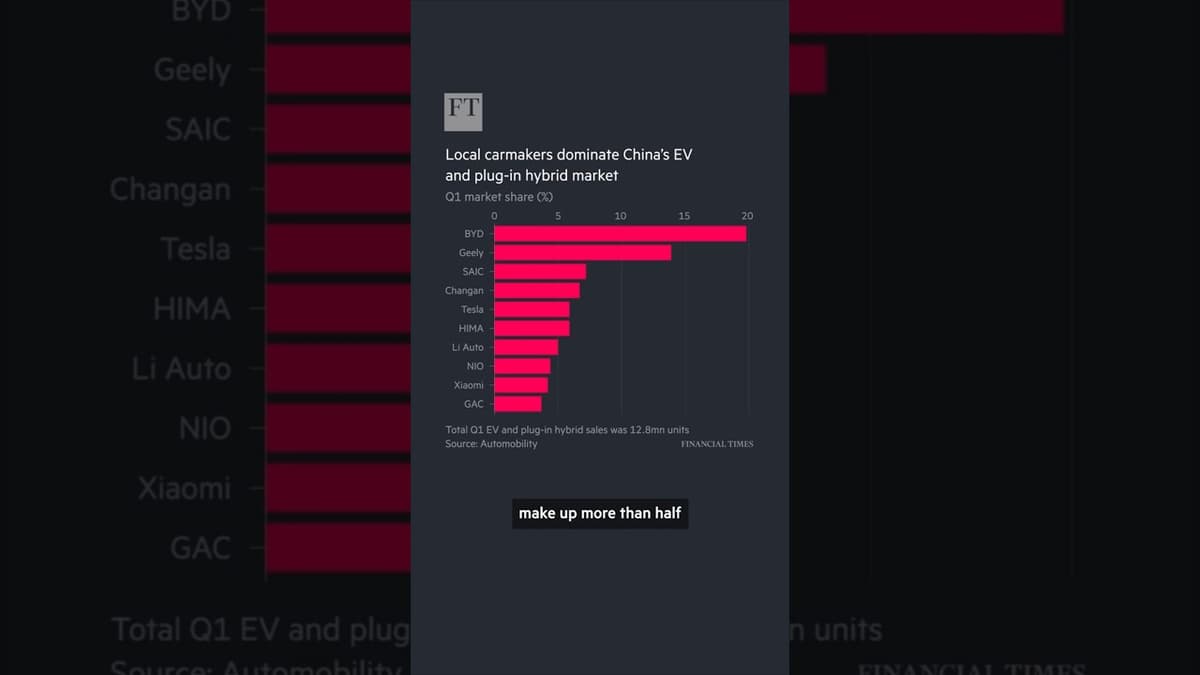
The video examines how Western automakers are losing ground in China, the world’s largest car market. Their collective market share has slumped from 64% in 2020 to just over 30% today, as domestic electric‑vehicle (EV) manufacturers surge. Chinese firms such as...

European Airports Face Jet Fuel Shortage Within Three Weeks | FT #shorts
European airlines are confronting a looming jet‑fuel shortage as the Iran crisis drives global fuel prices to record highs, forcing carriers to seek regulatory relief. The surge in fuel costs comes amid already thin profit margins, prompting airlines to...

Are AI Stocks the New Railroad Bonds | FT #shorts
The FT short argues that despite the ongoing Iran conflict, equity markets are pressing on, anchored by strong corporate earnings, especially from AI‑focused technology firms. It points out that these companies are generating “hand‑over‑fist” profits, prompting investors to liken today’s AI...
How Will Falling Fertility Rates Hurt the Economy | FT #shorts
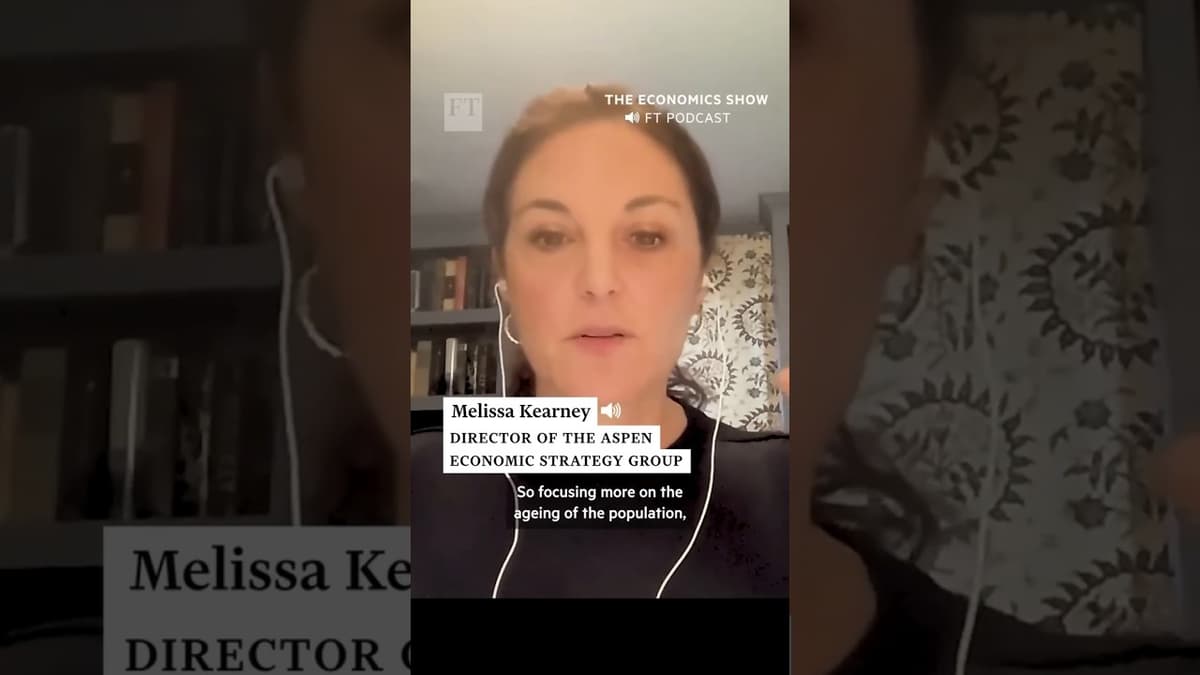
The video examines how declining fertility rates are reshaping labor markets in developed economies. With fewer births, populations age and workers over 50 remain in the workforce longer, especially in high‑paying managerial roles. Economists Nicola Bianchi and Matteo Paradiso label this...
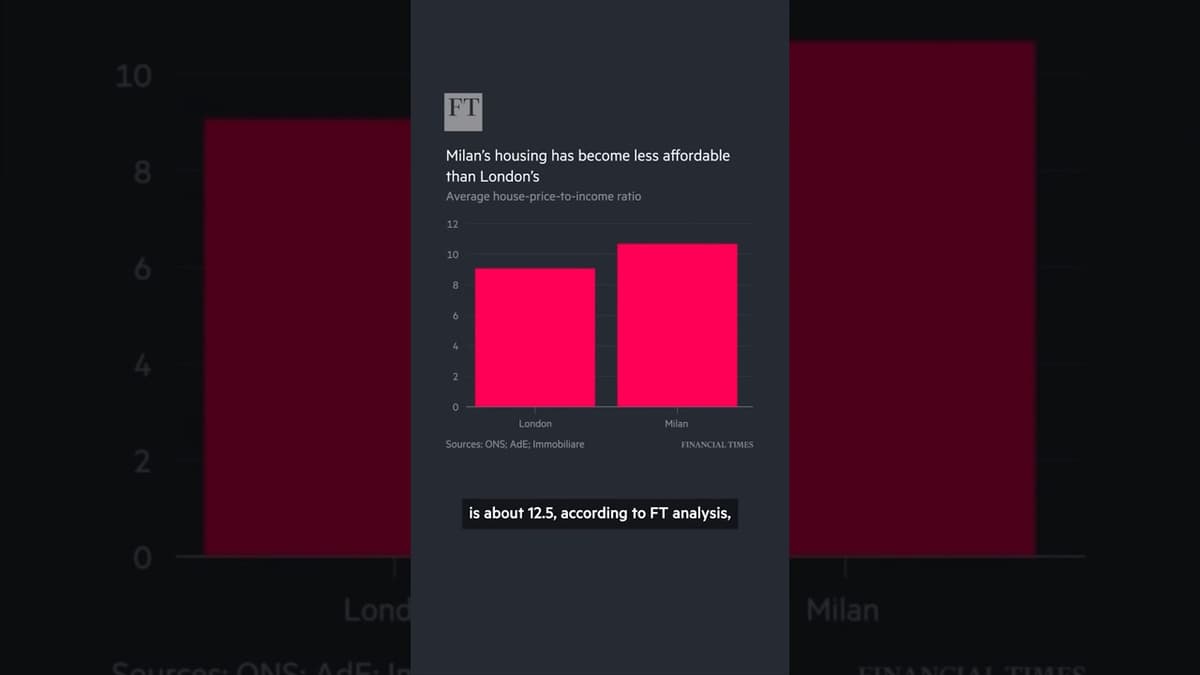
How Milan Became More Unaffordable than London | FT #shorts
The video examines Milan’s rapid transformation from a post‑war, community‑focused housing market into Europe’s most unaffordable city, now outpacing London on price‑to‑income metrics. It highlights that the average Milanese home now costs roughly 12.5 times annual earnings, compared with London’s...

The Global Energy Market Is Shifting. What Role Will Renewables Play | FT #shorts
The video examines how the global energy market is re‑orienting amid the current oil shock, questioning whether renewable sources can quickly replace liquid fuels. The speaker argues that renewables are not a short‑term solution for the immediate fuel crunch, as they...
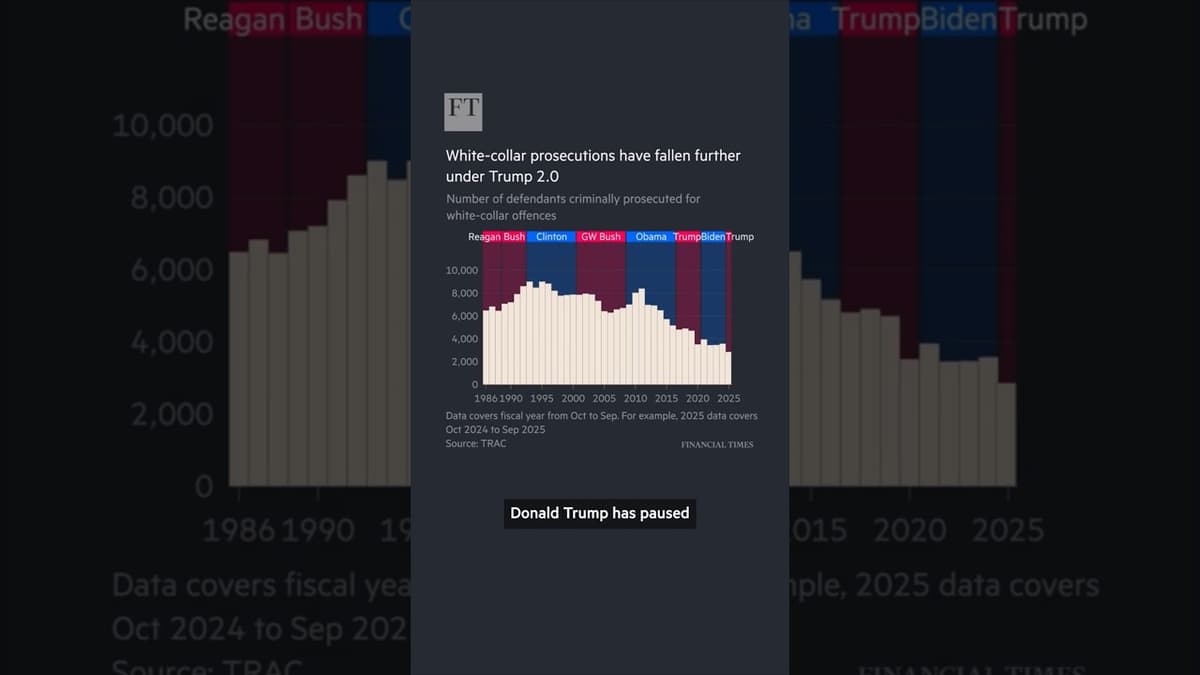
White-Collar Prosecutions Have Fallen Further Under Trump 2.0 | FT #shorts
The Financial Times short highlights a dramatic plunge in federal white‑collar prosecutions, reaching the lowest level in at least four decades under the so‑called Trump 2.0 administration. Policy shifts—including a pause and subsequent overhaul of foreign‑bribery enforcement and a wave...

Sephora and the Beauty ‘Comseticorexia’ Probe | FT #shorts
Sephora, owned by LVMH, is under investigation by Italy’s consumer‑protection authority for allegedly targeting children with aggressive marketing of anti‑aging serums and creams. The probe highlights a growing European concern over the “tween” skincare craze, where adolescent girls are exposed...

Why Do We Buy Things We Cannot Afford? | FT #shorts
The short video spotlights “doom spending,” a growing habit where consumers purchase costly, non‑essential items to soothe financial anxiety. An FT‑commissioned survey finds roughly 50 % of Britons admit to this behavior, climbing to two‑thirds among Millennials and Gen Z. The trend...
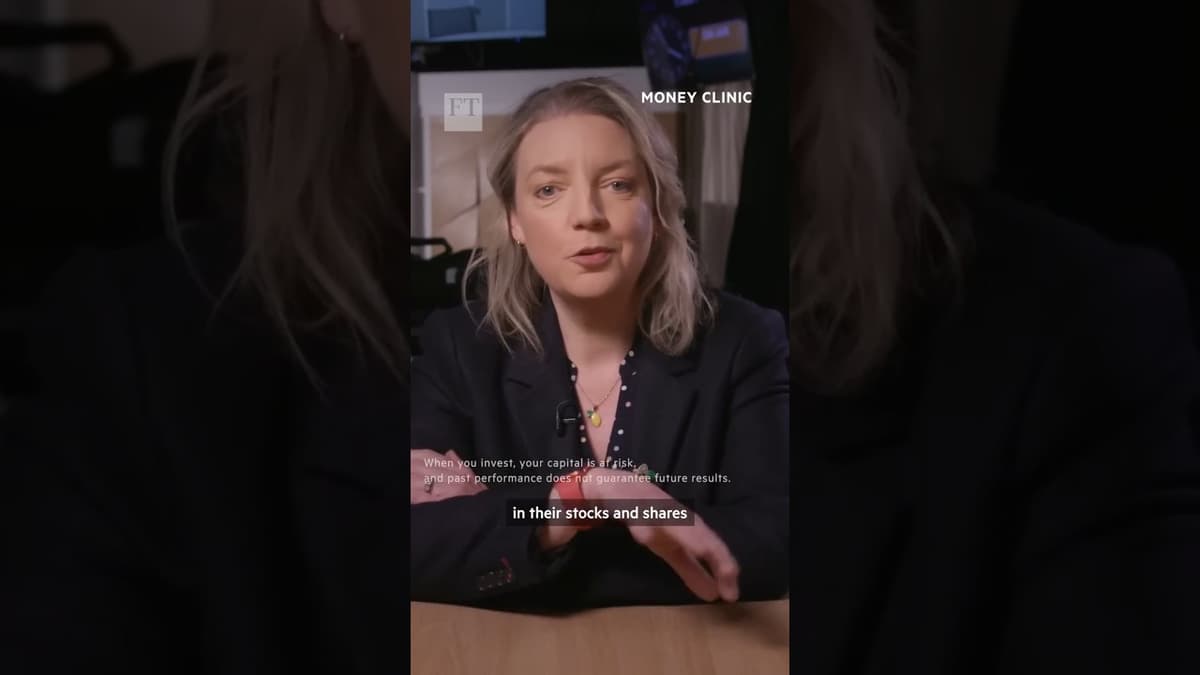
Isa Millionaires Outnumber Lottery Millionaires, New Study Claims | FT #shorts
A new Financial Times short reports that roughly 10,000 Britons now hold stocks‑and‑shares ISAs worth at least one million pounds, a figure that surpasses the number of people who have become millionaires by winning the National Lottery. The report notes that...

Can India Quit Coal? | FT #shorts
The short video titled “Can India quit coal?” frames coal as the backbone of India’s economy and daily life, from street‑level workers to industrial producers, while questioning its sustainability. It stresses that coal fuels the majority of India’s power generation, that...
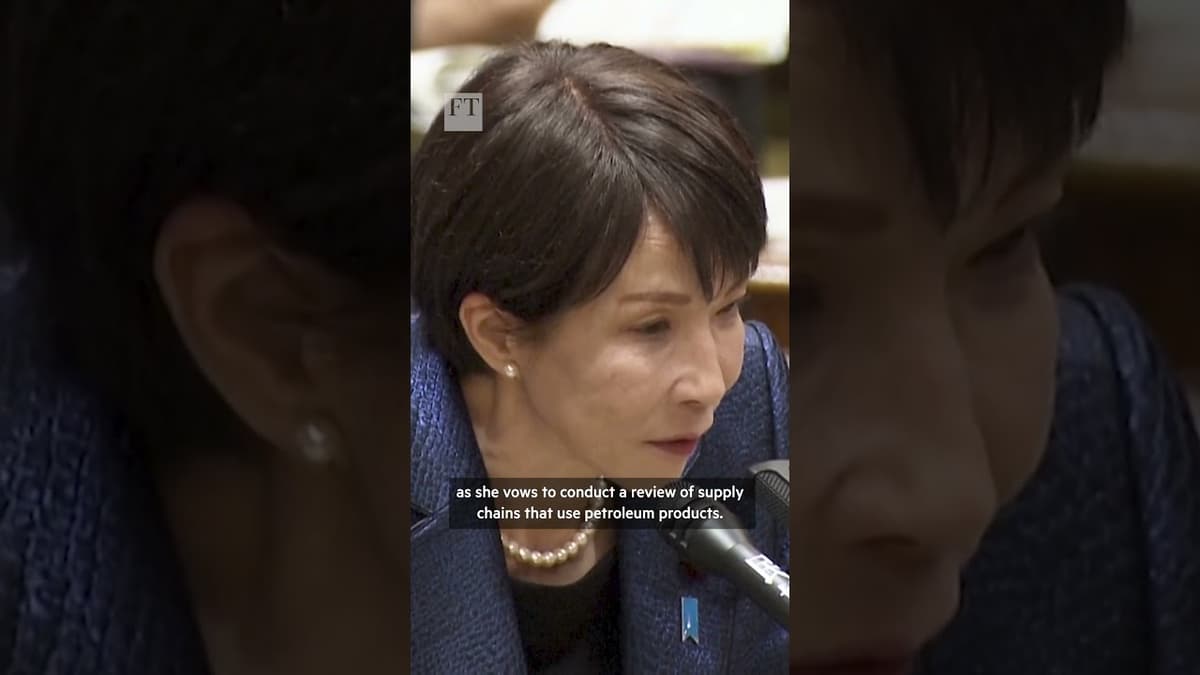
How the Middle East Conflict Is Affecting Japan's Economy | FT #shorts
The video explains how the ongoing Middle East conflict, particularly Iran’s blockage of the Strait of Hormuz, is reverberating through Japan’s economy. With more than 90% of its crude oil sourced from the region, Japan faces a sharp rise in...
Could AI Chatbots Undo the Harms of Social Media? | FT
The Financial Times video asks whether AI chatbots can reverse the corrosive effects of social media, which has amplified populism, polarization, and distrust in expertise over the past decade and a half. It contrasts the attention‑driven revenue model of platforms...
Why the Iran War Will Cement China’s Superpower Status | FT #shorts
The video argues that the Iran‑Israel conflict will inadvertently cement China’s status as a global superpower, even though China remains the world’s largest oil importer. By examining five strategic advantages, the analyst suggests the war creates economic and diplomatic openings...