
Is Being a "Disruptor" Still a Good Thing? A Look at the 2026 Healthcare Disruptors List
The episode examines Alan Schubbridge’s 2026 Healthcare Disruptors List, probing why certain players were added, removed, or placed in a "waiting room" category. Schubbridge, a veteran marketer at Providence, uses the list as a conversation starter about which innovations truly reshape care and which are merely hype. Key insights include the addition of the American Rescue Plan (ARP) for its lobbying power and senior‑consumer influence, and the rise of direct‑to‑consumer primary‑care models buoyed by venture capital despite thin margins. CVS was dropped, while Best Buy Health and Salesforce linger in a holding pattern, reflecting uncertainty about their long‑term impact. Vaccine hesitancy re‑appears as a "negative disruptor," and healthcare unions, especially SEIU, are highlighted for escalating labor actions. Schubbridge emphasizes that "disruption isn’t just hype" and warns that vaccine hesitancy is a "negative disruption" straining resources. He notes ARP’s policy work and DTC primary care’s funding surge, yet cautions on sustainability given poor primary‑care economics. The discussion also underscores how unions can destabilize staffing and cost structures. For investors and providers, the list signals that the "disruptor" tag no longer guarantees success; due diligence must separate genuine, financially viable change from fleeting buzz. Anticipating labor unrest and addressing vaccine‑preventable disease spikes will be critical for maintaining capacity and profitability in 2026 and beyond.
Building Companies at the Edge of Science and Market - Life Sciences Today Podcast Episode 61
The Life Sciences Today podcast features Jennifer Ernst, a rare hybrid who has moved from high‑tech device work at Xerox PARC to bio‑electronic medicine. Her career is defined by matching breakthrough science with clear market opportunities, from printed‑electronics roll‑to‑roll manufacturing...
How Corewell Health Integrated Epic and Illumia to Cut Waste and Improve Patient Safety
Corewell Health consolidated three legacy hospital systems’ disparate nutrition platforms into a single Illumina (NetMenu) instance integrated with Epic after its one-instance Epic go-live. The unified system standardizes recipes, products and diet nomenclature across 24 hospitals, matches patient diets from...
Health IT Mount Rushmore: Part 2 - Healthcare IT Today Podcast Episode 192
The Healthcare IT Today podcast’s second "Mount Rushmore" episode spotlights the companies that have shaped modern health technology. Hosts John Lynn and Colin Hung argue that electronic health record (EHR) vendors are the foundation of today’s AI, research, and interoperability...

New Smart Data Archiving Features at MediQuant
MediQuant unveiled a suite of archiving upgrades aimed at compressing clinician workflow and cutting storage costs. The announcements, made at HIMS, were delivered by senior VP of product strategy Mike Magcguire, who outlined new AI‑driven clinical summaries, lossless DICOM handling,...
Ensuring a Successful Epic Go-Live with Real-Time Training Dashboards & Personalization
Care New England’s recent Epic go‑live was anchored in a three‑phase strategy—pre‑go‑live personalization, live‑day support, and post‑go‑live optimization. The organization set an ambitious target: 90% of providers personalized before launch, leveraging expert‑led labs and workflow‑based training to make the experience...
Proofpoint's Intelligent Monitoring Catches Both Accidental and Malicious Email Breaches
The video spotlights Proofpoint’s intelligent monitoring platform, which tackles both malicious and accidental email breaches threatening healthcare organizations. Andrew Goodman, director of product marketing, explains how the solution fits into the broader healthcare IT security ecosystem, where inbound threats receive...
Health IT Mount Rushmore - Part 1 - Healthcare IT Today Podcast Episode 191
In this episode of Healthcare IT Today, hosts John Lynn and Colin Hung launch a two‑part series titled “Health IT Mount Rushmore,” where they debate which technologies deserve a place on a metaphorical monument to transformative health‑IT innovations. Rather than...
Tech, Behavioral Science & Human Connection: How AdhereHealth Improves Member & Patient Health
The video spotlights Adhere Health’s blend of technology, behavioral science, and human empathy to boost medication adherence among Medicare Advantage members. Chief Experience Officer Chandra Osborne explains how the company identifies over 30 personal barriers—cost, access, caregiver duties, misunderstanding, side...
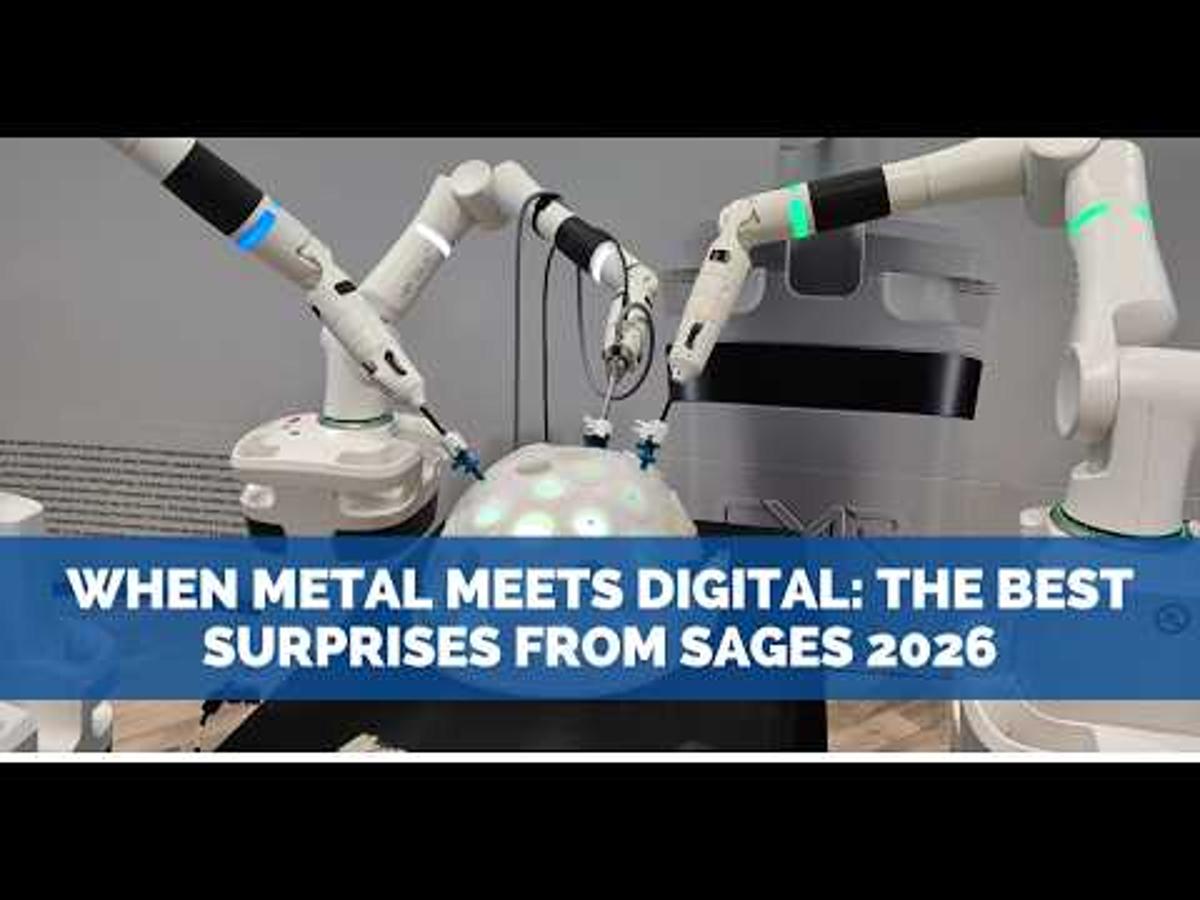
When Metal Meets Digital: The Best Surprises From SAGES 2026
The annual SAGES 2026 conference in Tampa spotlighted the convergence of surgical robotics and digital health, marking the first public demonstration of the next‑generation robots that industry analysts predicted a decade ago. Attendees saw a range of innovations, from modular,...
How Modern Systems Power Financial Stewardship in Rural Healthcare
The interview at the HIMS conference spotlights how modern ERP platforms are reshaping financial stewardship in rural health systems. CFO Brent Ray of Montgomery County Memorial Hospital and Multiview ERP CEO Mike Johnson discuss the chronic challenges of fragmented payers,...
AI Orchestration: The End of Healthcare’s "Click Fatigue"?
The video features an interview with BJ Ramenathan, CEO and founder of Ramsoft, discussing the company’s new AI orchestration platform for radiology. Ramenathan explains that the solution embeds artificial‑intelligence tools directly into the imaging workflow, aiming to eliminate the “click...
The AI Call Center Surprise at the 2026 eClinicalWorks Enterprise Summit
The 2026 eClinicalWorks Enterprise Summit in Fort Lauderdale highlighted the company’s steady growth and a breakthrough AI call‑center solution. CEO Jes Nani opened with a review of 27 years of expansion, noting that the firm crossed the $1 billion revenue threshold...

How Does the Acquisition of Automedica Fit This Broader Vision & the Announcement of Heidi Evidence?
Heidi Health announced the acquisition of AI‑driven diagnostics firm Automedica, positioning the deal as a cornerstone of its broader vision to transform care delivery. The purchase expands Heidi's data‑science capabilities and paves the way for the launch of Heidi Evidence,...

Are Disconnected Food Systems Your Hospital’s Biggest Blind Spot? Illumia Has The Solution.
The video introduces Illumia, a newly branded merger of Transact and Seaboard, offering a unified software platform that connects food services, nutrition management, and cashless retail operations in hospitals. By replacing fragmented, siloed systems with a single, interoperable solution, Illumia...

From Image to Insight: Clinical Edge AI in Practice
The panel at HIMSS explored how clinical edge AI is moving from hype to real‑world impact. Leaders from Heidi Health, Nvidia, Dell, and healthcare advisory firms discussed concrete deployments that improve clinician efficiency, patient access, and diagnostic accuracy. Heidi Health showcased...

Ramsoft and Lamb Technologies on Why Buying More IT Doesn’t Equal Higher Productivity in Radiology
The video spotlights a 20‑year partnership between Ramsoft and Lamb Technologies, illustrating how two veteran leaders have guided small‑hospital radiology from analog film digitization to cloud‑based, fully integrated imaging workflows. Their joint narrative underscores a shift from merely adding IT...

How Are You Seeing Health Data Management and Archiving Move to Include Quality and Cost?
The video discusses how health‑data management and archiving are evolving to balance security, quality of care, and cost efficiency. Speakers stress that compliance remains the first hurdle, but the real value lies in aggregating multiple data sources into a single repository,...

A Bold CMS Prediction, Behavioral Science, and What You Missed at RISE National 2026
The Rise National 2026 conference brought together payers, providers, and innovators to discuss the future of health‑care data, behavioral science, and artificial intelligence. Highlights included a provocative opening keynote from CMS Innovation Center director Abe Sutton, who warned that AI...

Why Healthcare Safety Is a Data Problem: A Conversation with RLDatix’s August Calhoun
In this interview, Healthcare IT Today’s John Lynn sits down with August Calhoun, president of North America at RLDatix, to explore why patient safety has become a data‑centric challenge for health systems. Calhoun argues that mounting financial pressures—reduced volumes and lower reimbursements—are...

The EHR Is Broken. Why Greenway Started Over with Novare.
Greenway Health announced Novari, a new end‑to‑end electronic health record platform designed specifically for ambulatory practices. Unlike legacy EHRs that evolved as data repositories, Novari embeds artificial intelligence throughout the entire patient encounter, aiming to streamline clinical documentation, revenue‑cycle...

EIZO at SAGES2026 Showcases 4K Monitors for Surgery and Radiology
At the SAGES2026 conference in Tampa, EIZO’s North American health‑care VP Larry Pearlman unveiled the company’s complete 4K display portfolio, targeting both surgical suites and radiology departments. The showcase highlighted monitors designed for cart‑based use, integrated operating‑room systems, and specialized...

Why Schneider Electric Was at HIMSS26 (And Why CIOs Need to Take Note)
Schneider Electric’s presence at HIMSS26 highlighted a growing convergence between healthcare IT and traditional electrical infrastructure. Malcolm Murray explained that as hospitals adopt AI‑driven imaging, edge computing, and robotic surgery, the underlying power requirements are exploding, prompting health systems to...

What's Something About RCM and AI in Healthcare that People Don't Realize Is Happening, Butt Should?
The video discusses how artificial intelligence is reshaping revenue cycle management (RCM) in healthcare, alleviating the administrative load that traditionally burdens physicians. The speaker argues that this shift could make the current era one of the most attractive times to...

Increasing Productivity in Clinical Research - Life Sciences Today Podcast Episode 48
Life Sciences Today host Danny Lieberman interviews Zena Sarif, founder of Yandu, about the chronic inefficiencies that prolong clinical‑trial timelines and how her startup aims to streamline the process. Sarif explains that up to 12‑18 months of a drug’s development are...

Caregility Connects the Patient with Virtual Nursing - Check Out the Caregility Demo
Caregility showcased its end‑to‑end virtual nursing platform at the HIMS 26 conference, demonstrating how its Duo edge‑device and connected‑room ecosystem aim to extend clinical care beyond the bedside. The company positions the solution as a response to global nursing and physician...

Ramsoft OmegaAI and Blume Review: A Hands-On PACS and Portal Walkthrough
The video provides a hands‑on walkthrough of Ramsoft’s OmegaAI cloud‑based radiology platform and its companion patient‑portal, Bloom. Sponsored but editorially independent, the reviewer demonstrates how a pure web, zero‑footprint solution lets users log in from any browser without installing software,...

Healthcare's Multi-Billion Dollar Fraud Problem Starts at the Front Door: How FaceTec Is Closing It
The video introduces FaceTec’s three‑dimensional live‑face verification platform and its UR code, a QR‑based identity token designed to curb fraud and improve patient safety in the U.S. healthcare system. By binding a liveliness‑proven facial map to a minimal set of...

AI Can Quickly Become a Confident Liar. Dimensional Insight Explains How to Prevent It.
The video introduces Dimensional Insight’s new data‑wellness offering, emphasizing that robust data governance is essential before organizations deploy AI. James Curtley and Julie Learu explain how their approach embeds governance at every stage of the data pipeline—from source extraction to...

DrFirst Reduces Physician Burden Through Well-Designed Medication Management
The interview with Dr. Colin Bannis and Drew Huninger of DrFirst focuses on how the company is tackling physician burden by providing a comprehensive medication management platform that spans prescribing, pharmacy, and patient interfaces. They explain that modern prescribing has become...

Health Systems Are Under Real Margin Pressure Right Now—How Is that Changing What’s Expected of IT?
The video highlights that health‑care providers are confronting real margin pressure, forcing executives to rethink the purpose of information technology. Where IT once served primarily as a delivery mechanism for electronic health records, it is now expected to be a...

Heidi Uses AI to Shift Health Care to an Abundance Mentality
In a Healthcare IT interview, Simon C., chief medical officer of Heidi, outlined the company’s evolution from an ambient voice‑scribe startup to a comprehensive AI care‑partner platform that tackles the entire clinical workflow. Founded in 2019 by clinicians and technologists,...

Stop Waiting on Mandates: CMS Challenges Health IT to Act Now
The interview with CMS strategist Amy Gleason focuses on the new CMS‑led health‑IT ecosystem pledge, a voluntary collaboration designed to jump‑start interoperable data exchange without waiting for rulemaking. The pledge sets concrete milestones— a minimum viable product by March 31 and a...

Ditch the Security Snapshots. Why TripleKey Says Point-in-Time Audits Must End.
The discussion centers on abandoning point‑in‑time security audits in favor of continuous, real‑time monitoring for health‑care organizations. Patrick McIll of Community Health Network and John Brown of TripleKey argue that static snapshots are akin to a clean house that quickly...

The Biggest Technology Skeptics Are Becoming the Biggest Fans.
The video recounts a rapid rollout of an ambient‑technology platform, achieving roughly 95% functionality within two weeks and fully converting operations in just two days. The presenter expected resistance from several providers, yet a curated list of skeptics embraced the system...

Global Medical Data Infrastructure for AI Systems with MedSyntra - Life Sciences Today Podcast Ep 52
The Life Sciences Today podcast introduced Medentra, a Tel‑Aviv‑based startup building a global infrastructure that transforms fragmented radiology and imaging data into AI‑ready assets for research and clinical use. Medentra’s platform normalizes DICOM files, strips proprietary tags, and fully de‑identifies patient...

From Image Review to Reporting, Radiology Workflows Are Becoming More Seamless and AI-Driven.
RapidAI unveiled Navigator Pro, an AI‑driven platform that merges advanced image analysis with 3D visualization and automated quantification. The solution streamlines radiology workflows by routing studies, highlighting critical findings, and generating structured reports. By embedding AI directly into the review...

Optimum Healthcare IT Frees Health Care Providers to Focus on Strategy
Optimum Healthcare IT has launched a managed services platform, dubbed a Center of Excellence, to handle routine IT operations for hospitals. By locating the service near‑shore in Costa Rica, the company alleviates staffing shortages and cost pressures that health systems...

"Un-Sexy" AI Stole the Show at ViVE2026
At ViVE2026 the AI‑scribe boom quieted, signaling a pivot toward using artificial intelligence for the “un‑sexy” administrative work that burdens health systems. Speakers highlighted practical applications such as 3D liveness for patient identity, AI‑driven point‑of‑care skin imaging, and new policies...

How NextGen Healthcare's Closed Loop Experience Saved 700 Staff Hours and Improved Access
The video spotlights NextGen Healthcare’s Closed Loop platform, an AI‑driven suite that automates scheduling, referrals and data analytics across the patient journey. Jenna Hogan, head of the Closed Loop platform, explains how the solution has begun to reshape access to...
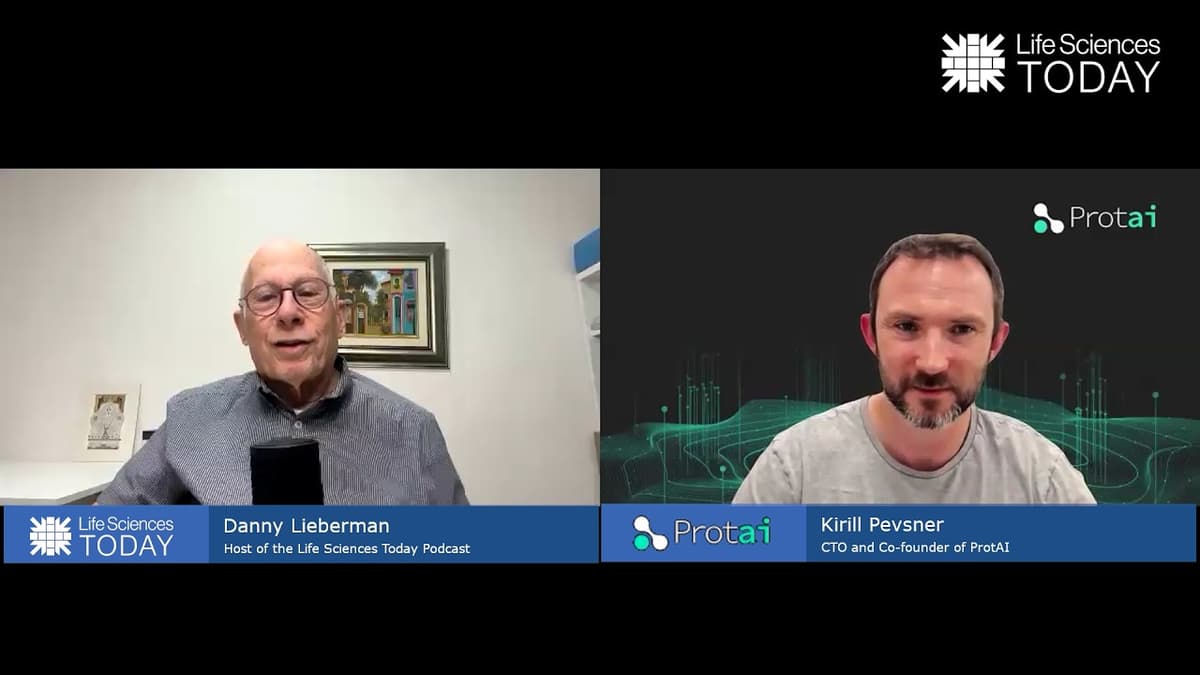
AI Insights in Pharma with Protai - Life Sciences Today Podcast Episode 50
In episode 50 of the Life Sciences Today podcast, host Danny Lieberman sits down with Carol Pesner, CTO and co‑founder of ProtAI, to discuss the company’s AI‑driven approach to drug discovery. ProtAI fuses structural proteomics with advanced artificial intelligence to...
Healthcare Software Is Entering Its Rapid-Iteration Era.
The video marks a pivotal shift in health‑tech, declaring that generative AI and autonomous agents have reignited a wave of innovation previously dormant in the sector. Speakers argue that the industry is moving from a maintenance mindset to one focused...
Insight From Srinivas Velamoor on Next-Gen Engagement...
Srinivas Velamoor outlined a two‑pronged strategy to modernize patient engagement, arguing that health‑care must move from a fragmented, step‑by‑step model to a holistic, whole‑person journey. He likened the shift to the way physicians now rely on AI‑assisted tools, proposing an...

Roy Vincent Shares How E-Check-In + Document Parsing Speeds Care and Improves Safety...
Roy Vincent, chief product officer at the company, outlines a new e‑check‑in platform that lets patients complete intake forms online before stepping foot in a clinic. He notes that most facilities still rely on paper and fax, with roughly 70 % of...
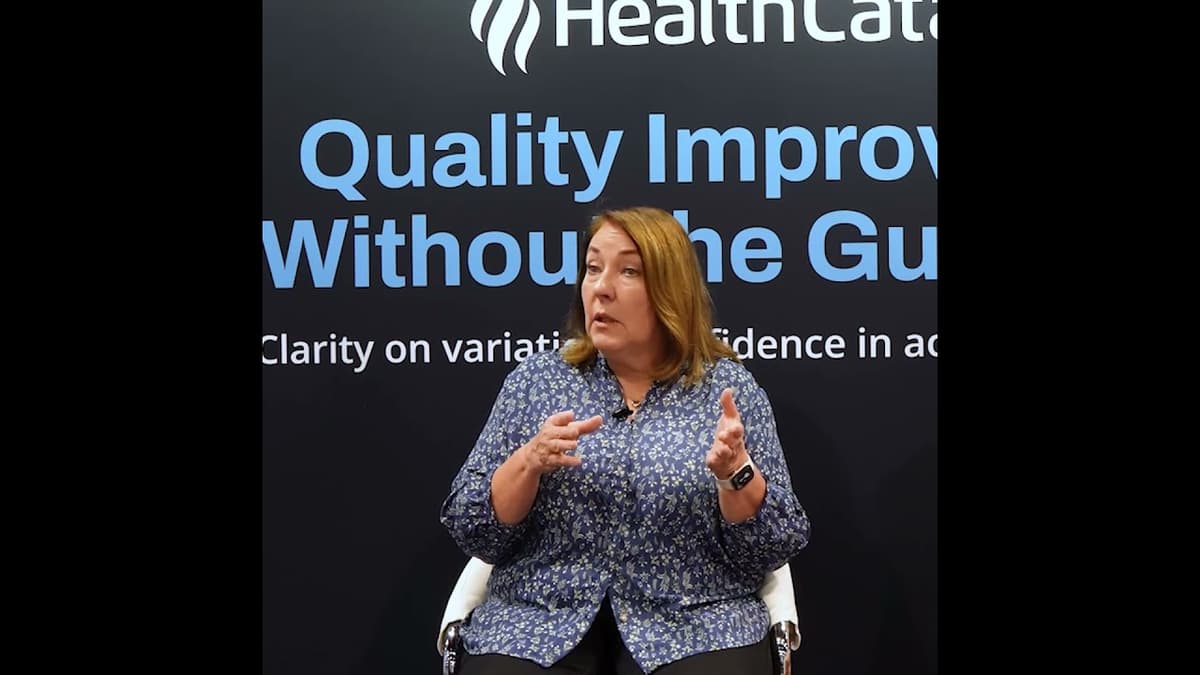
Clinicians Don’t Need More reports.They Need Answers They Trust.
Clinicians are overwhelmed by reports and crave reliable answers that directly inform patient care. The speaker emphasizes that data and analytics alone are insufficient; they must be coupled with best‑practice standards and adaptive workflows to translate raw numbers into actionable...
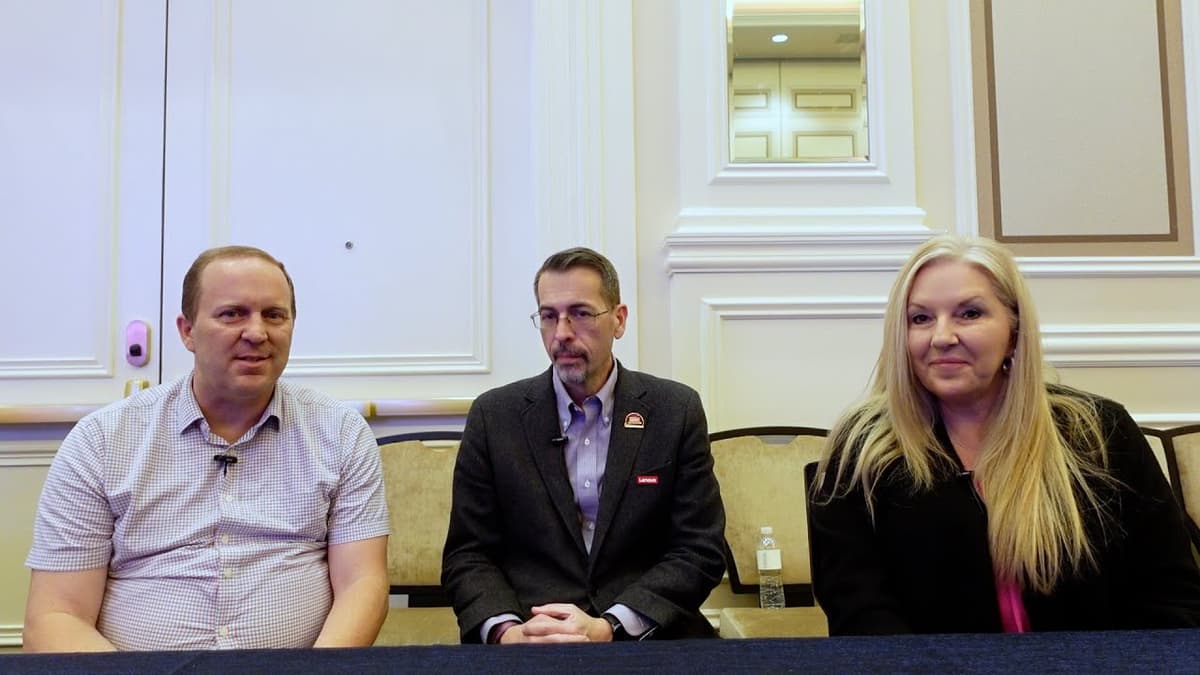
Lenovo and Duke Health Consider the Hospital of the Future
The interview spotlights a joint effort by Lenovo and Duke Health to design a "hospital of the future" in Cary, North Carolina, slated to open in three years. Rather than a static build, Duke frames the new facility as a...

Does Your Radiology AI Actually Work Here? HOPPR Has an Answer
The video introduces Hopper’s AI Foundry, a platform that lets radiology departments create and deploy hyper‑localized AI models instead of relying on generic, vendor‑wide solutions. Dr. Khan Sadiki explains that imaging techniques, scanner hardware, and patient demographics vary widely between...

Guidance From The Sequoia Project on Computable Consent and Privacy
The Sequoia Project’s Privacy and Consent Work Group, co‑chaired by Kevin Day and Mel Sullies, is tackling the growing complexity of health‑data privacy. Their focus is on two pillars: computable consent—translating legal and patient‑specified permissions into machine‑readable rules—and data segmentation,...
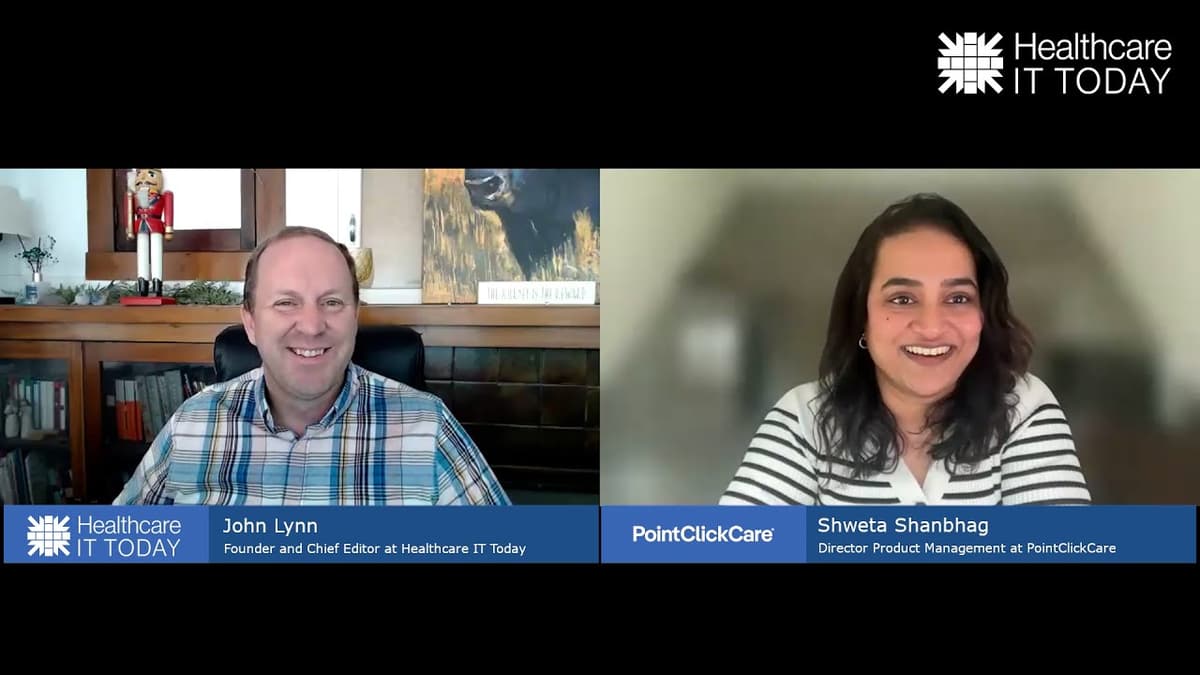
Data That's Timely and Insightful From PointClickCare
In this Healthcare IT interview, PointClickCare’s Director of Product Management Schweda Shambog discusses how timely, actionable data is reshaping post‑acute care. She explains the company’s evolution from a skilled‑nursing‑focused EHR to a platform that bridges acute and post‑acute settings, emphasizing...
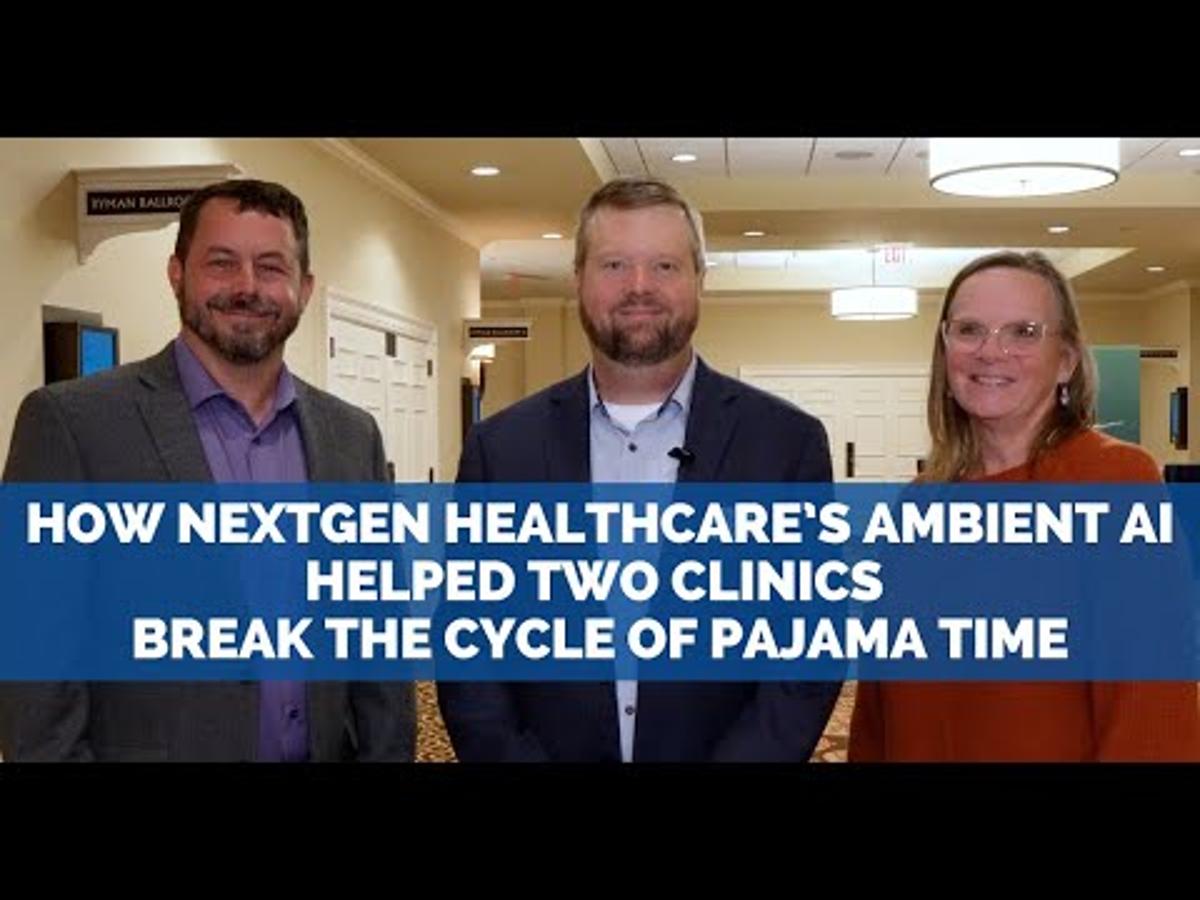
How NextGen Healthcare's Ambient AI Helped Two Clinics Break the Cycle of Pajama Time
At the 2025 NextGen User Group meeting, leaders from two Kentucky federally qualified health centers — Juniper Health and White House Clinics — described how NextGen’s Ambient Assist AI scribe sharply cut after-hours “pajama time,” reduced clinician burnout, and improved...