

Monetary Policy Cuts Household Consumption, Survey Finds
A survey of more than 25,000 US households, combining hypothetical questions with randomised information experiments, shows that monetary policy has a contractionary impact on consumption https://t.co/khL65p5LnQ
Firms Slash Investment When Macro Tail Risk Rises
Survey evidence from a large panel of German firms to show that higher perceived macroeconomic tail risk leads firms to cut investment substantially. https://t.co/5S4oy83ASu
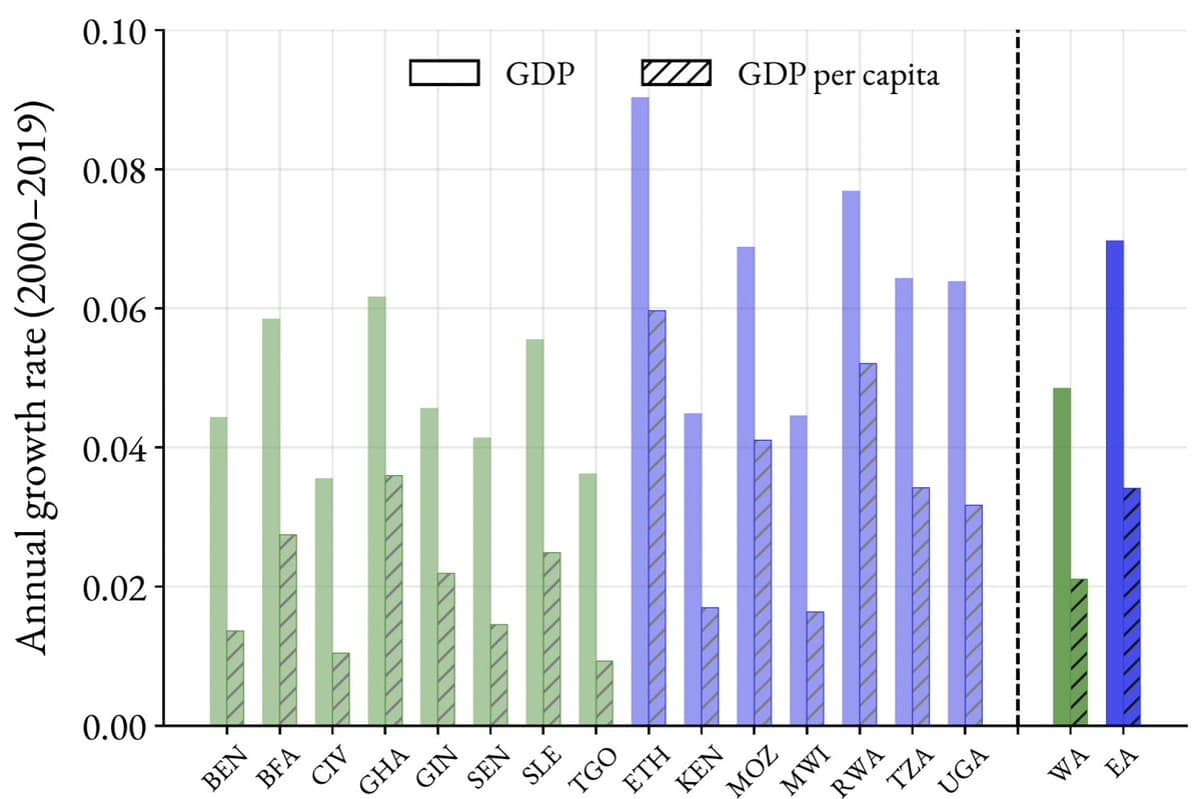
Sub‑Saharan Giants Post Over 5% Growth Since 2000
Since 2000, several large sub-Saharan African economies have grown at rates that exceed 5% annually – among the fastest rates in the world. https://t.co/aFQMvpw6QJ https://t.co/lHxnlOWCm8
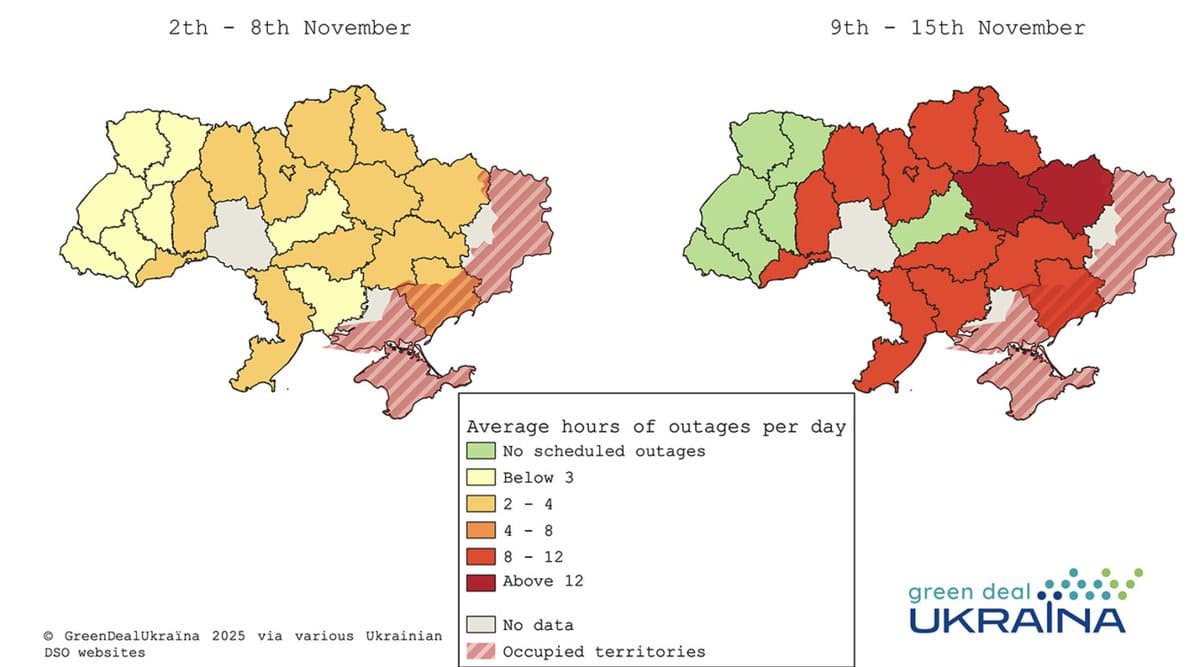
Blackouts Surge After November 8 Russian Attack
Distribution of blackouts before and after the Russian attack on 8 November 2026 https://t.co/PHOA8P8sKV https://t.co/Kdn4vIz0nn

Dollar's Global Reserve Share Drops to 58%, Shrinking Big‑4 Dominance
The US dollar’s share of globally allocated foreign exchange reserves has fallen from over 70% in the late 1990s to approximately 58% today. This development pulls down the share of ‘Big 4’ currencies – inclusive of the dollar, euro, yen,...

AI Adoption in Turkey Skews Toward Large Firms, Broadband Hubs
Research @CEP_LSE on Turkey (2021–24) documents significant disparities in AI adoption which is concentrated among large firms & in regions with high-speed broadband & proximity to data centers particularly for software-intensive & cloud-based applications https://t.co/2wLHq4GrCL
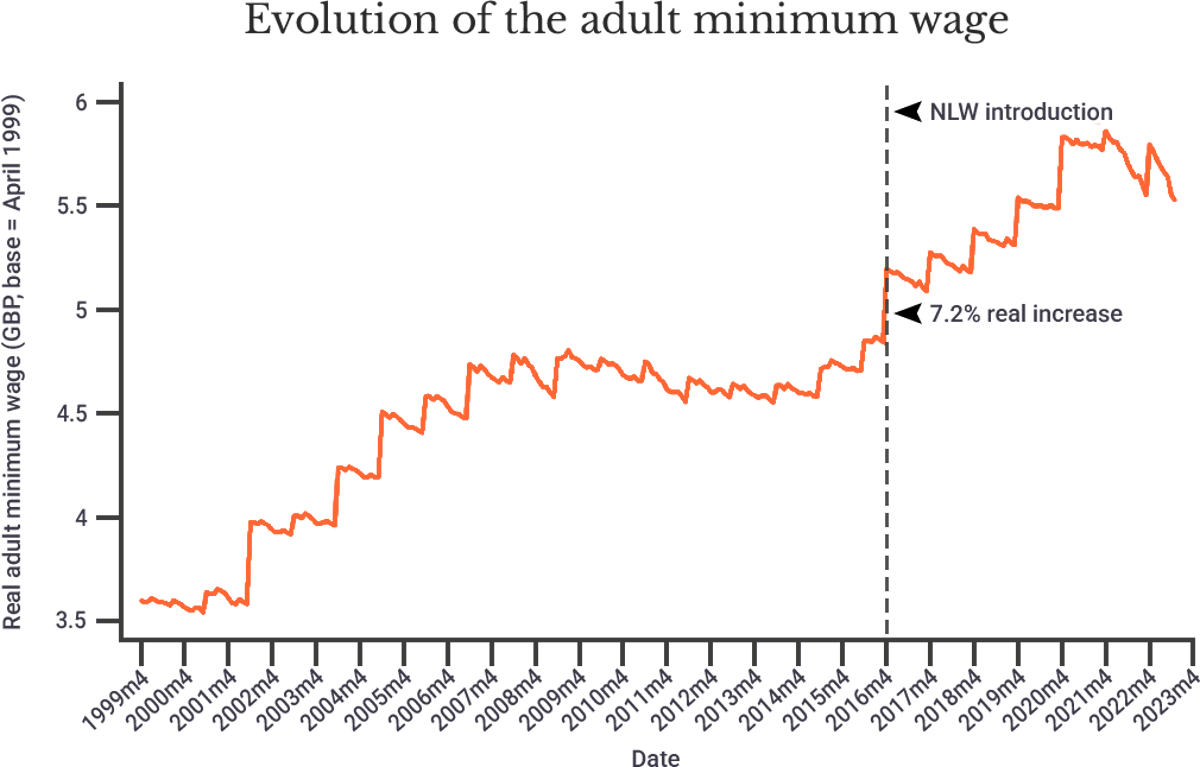
National Living Wage Raises Pay Without Cutting Jobs
The introduction of the National Living Wage delivered a large real wage increase, with evidence that firms can absorb the cost to boost worker wages without reducing overall employment. @CEP_LSE research https://t.co/VStkhtqG8H https://t.co/BLD0f1bASM

Japanese Firms Favor Diplomacy After Past Supply Chain Shocks
Japanese firms that switched their supply chains due to geopolitical shocks in the past are more likely to support diplomacy to address supply chain disruptions over protectionism or diversification subsidies. https://t.co/7utQbiyzIX

Political Swaps Drive 38% of Central Bank Changes, Mostly Emerging
132 central bank governor transitions in 28 advanced and emerging economies from 2000 to 2024: of all transition, 38% were politically motivated; 48% in emerging markets, 13% in advanced economies. https://t.co/dijD9ZHSSx

Hormuz Closure Could Add 0.6% to 2026 Inflation
Even under a cautiously optimistic scenario in which the closure of the Strait of Hormuz lasts for 1 quarter, the surge in oil prices is expected to raise US headline inflation by 0.6 percentage points and core inflation by 0.2...

German Parents Fund Foreign Buffers, Boosting Own Leverage
When a host country raises its countercyclical capital buffer, parent companies in Germany step in & fully replace the lost funding through internal loans. Parents refinance this support by borrowing more at home — raising their own leverage & default...

Iran's Economy Lags Turkey After War and Sanctions
Iran & Turkey had similar GDP & GDP pc before 1979. By end of Iran-Iraq War in 1988, Iran's economy was 1/3rd of Turkey but gap nearly closed by 2001. They then grew largely in tandem until 2010 sanctions. Today...

Most Wars Occur Between Nations Within 5,000 Km
Militarised conflicts are heavily concentrated among geographically proximate country pairs. Over 76% of disputes occur between countries located within 5,000 kilometres of each other. https://t.co/FyXpdhM9Sb

2025 Global Trade Surges 5.9%, Fueled by AI Demand
Global trade expanded in 2025 exceeding the post-2020 average pace. Driven by E Asia & Pacific (ex China) and the machinery & electronics sector, global trade expanded by 5.9% in 2025 vs 2.6% in 2024 driven by rising demand for...

Majorities Say War Bonds Offer No Cost Advantage
Latest CfM-NIESR survey: "War bonds" would offer no cost advantage over standard government bonds. Some 76% of the UK panel and 71% of the EU panel disagreed with the proposition that “war bonds” would be a cheaper form of borrowing. https://t.co/USeBxw4ZRx