

OECD Government Payroll Stays ~10% of GDP Despite Crises
Across the OECD, the government wage bill has hovered around 10% of GDP and roughly one-fifth of total employment, showing only limited reaction even to major shocks such as the global crisis and the pandemic https://t.co/mvfQpLWvjt

Progressive Foreign Managers Shrink Gender Pay Gap by 5%
On average, exposure to a foreign manager with more progressive views on gender reduces the gender pay gap by 4.9% points at no cost to the pay of male employees. Impact is particularly strong in countries with more conservative prevailing...
EU ETS Now Covers 40% of EU Emissions.
EU Emissions Trading System (EU ETS) - since its introduction in 2005, the EU ETS has become the central pillar of European climate policy and currently covers around 40% of the EU’s greenhouse gas emissions. https://t.co/gO3sWBwNcg
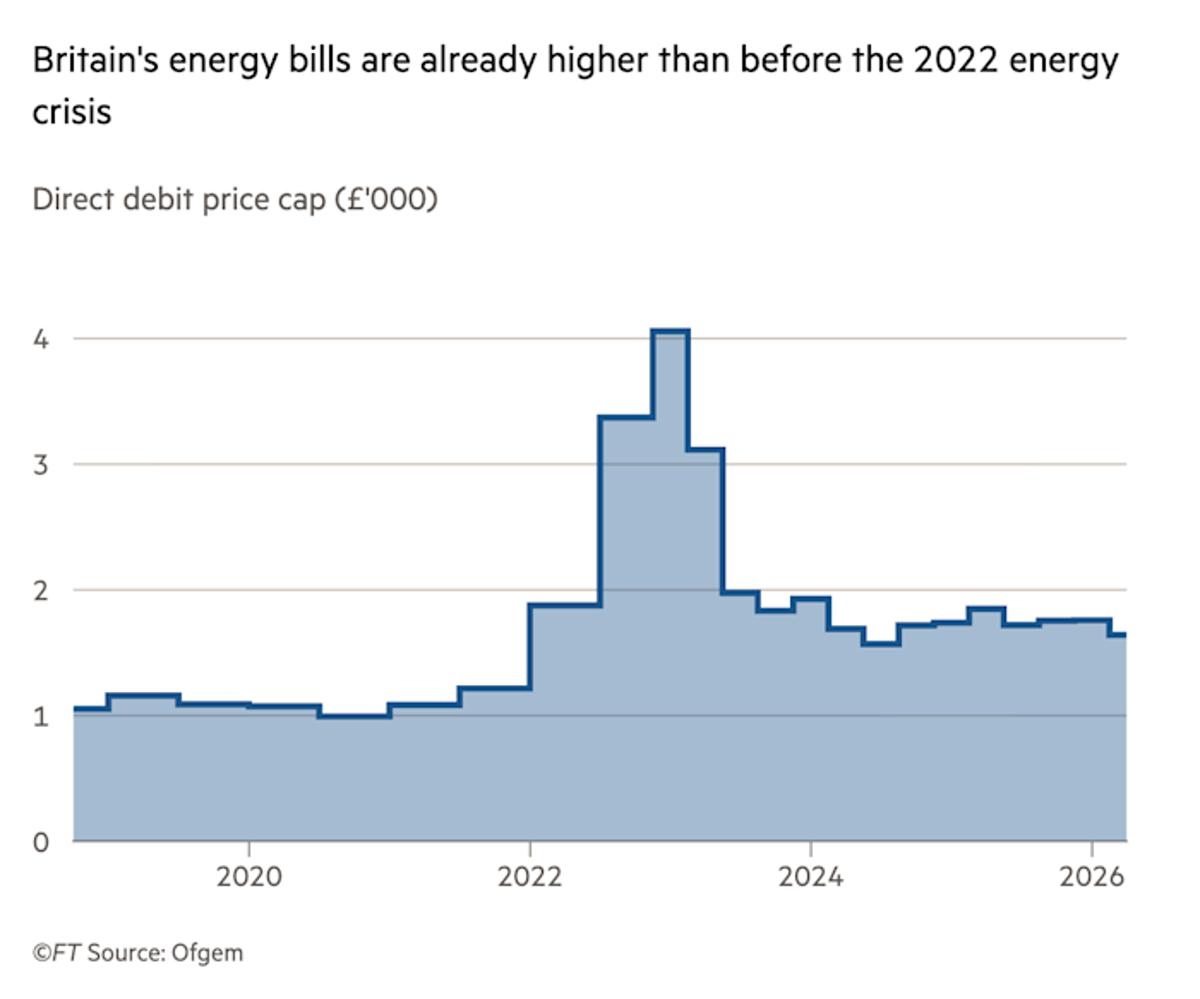
UK’s Gas Dependence Leaves Households Facing 60% Bill Surge
Britain is more exposed than other European economies to the latest movements in energy markets due to greater reliance on natural gas. Households are also in a fragile position as energy bills are still 60% higher than before Russia’s full-scale...

Remote Workers Earn Higher Wages, Driven by Occupation and Education
Workers who work from home earn on average higher wages than workers who do not. An important part of this premium reflects occupational and educational differences since higher-paying occupations and better-educated workers more likely to WFH https://t.co/YjX9VR1OiG

Policy Impact Seen Key in Youth Unemployment Surge
A mix of views around whether the recent rise in unemployment was structural or cyclical, there was greater agreement around the role of policies in the rise in young NEETs and youth unemployment: 47% of panel agreed that this was...

Inflation Gaps, Europe’s Structural Hurdles, US Court Ruling Explained
Tariffs, trade and transatlantic divergence Dr Linda Yueh unpacks inflation splits, Europe’s structural challenge and a landmark US court ruling https://t.co/0yboLoVlmp

Bank Deposits Remain Cheap, Abundant, and Slow‑to‑reprice
Deposits are US banks’ primary funding source; they are typically cheap, abundant, and slow to reprice. Many households keep substantial balances in bank accounts that pay little or no interest. https://t.co/jTcFqJyFST

Only Israel Stays Above Replacement Fertility in OECD
All OECD countries other than Israel now have a total fertility rate below 2 https://t.co/jvolvyD3YP

EU Unveils “Savings and Investment Union” Capital Market Reform
The European Commission has launched another attempt to reform capital markets, rebranded as the ‘Savings and Investment Union’. https://t.co/UQ2DvCgG3f

Europe’s 2025 VC Funding Rebounds to 22% of US
2025 saw a modest recovery of venture capital investment in Europe after three years of decline, with a total of €66.2 billion deployed. Even so, this was only 22% of the amount invested in the US, despite the two economies...

Trump Threatens 10% Global Tariff Under Trade Act
President Donald Trump said he would impose a 10 per cent “global tariff” above existing US levies, using section 122 of the Trade Act of 1974 which allows the president to set import restrictions temporarily for up to six months. https://t.co/CX64ipBtzT

Big Shocks Make Firms Change Prices Faster, Speeding Inflation
Recent inflation surge has subsided in most advanced economies, but effects may linger in unexpected ways. Inflation responds much more rapidly to large shocks than standard models predict, because firms adjust prices more frequently when shocks are large https://t.co/Lrr7d9eevX

Import‑Dependent Nations Face Greater Food Insecurity, Regardless of Wealth
Countries that rely on staple imports to feed their population tend to report higher levels of food insecurity. This holds even after controlling for income per capita, suggesting that exposure to international markets is independent of development level https://t.co/2tzjysif3u

Wars Trigger Persistent Democratic Decline in Specific Contexts
Data covering 115 conflicts & 145 countries over past 75 years show wars cause large & persistent declines in democratic institutions. Not inevitable. It appears only in specific settings –first-time conflicts, internal wars, conflicts that governments win https://t.co/Lq6ORZiquj