

Central Banks Must Stay Steady Amid War‑driven Turmoil
War shock tests central banks’ resolve Linda Yueh on why policymakers may hold their nerve as inflation rises, growth falters and uncertainty deepens https://t.co/VFosKL0tlX

CEO Pay Should Rise With Firm Size, Theory Shows
The ‘assignment’ literature predicts that CEO pay should scale with firm size because the marginal impact of a CEO's talent is magnified by the resources they control. https://t.co/D2l9AxzYZi
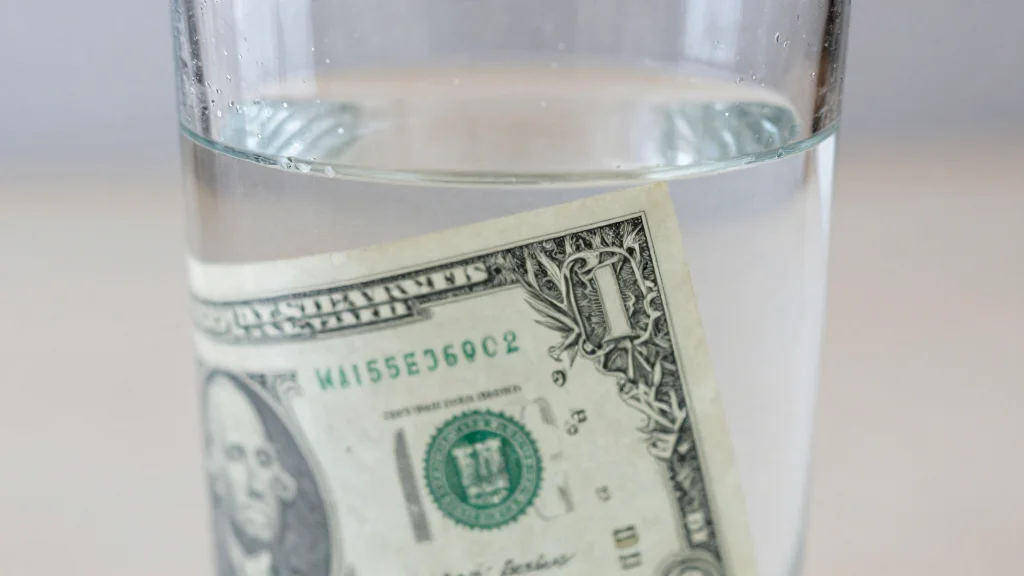
Liquidity Dries up Exactly During Market Crises
The 2010 US equity market ‘flash crash’, the 2014 US Treasury turbulence, and the March 2020 pandemic sell-off in US Treasuries all share a disturbing pattern: liquidity vanished precisely when it was most urgently needed. https://t.co/qvntt9NSaH

Emerging Market Loans Default 3.5%, Recovery Beats Benchmarks
Global Emerging Markets Risk Database w over 3 decades of lending data from 29 multilateral development banks, documents average default rate of 3.54% for loans to private entities in emerging markets alongside recovery rates that exceed global benchmarks https://t.co/zT7IRupC9M
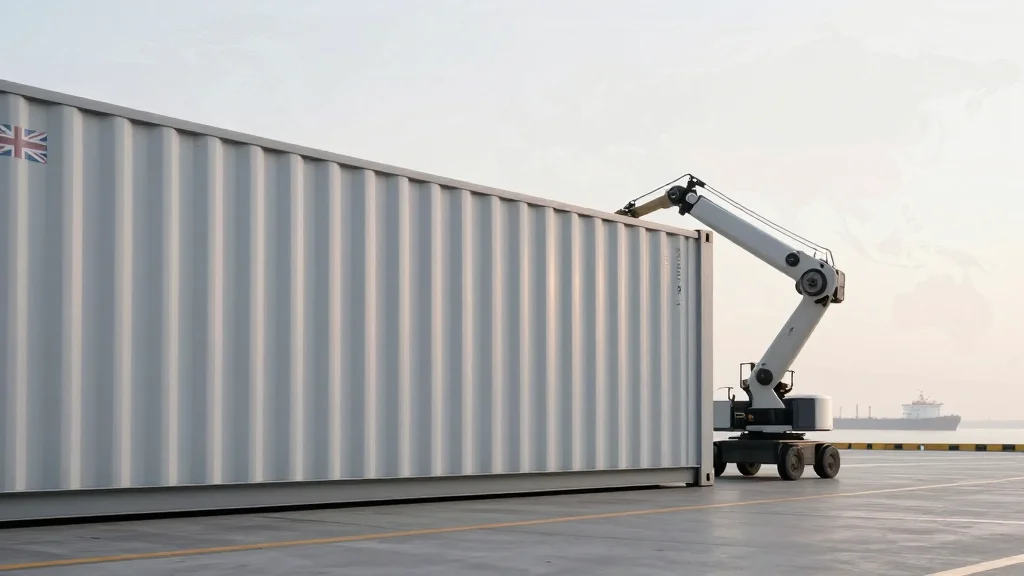
Flexible Supply Chains May Soften UK Price Impact
Economic effects of the US/Israeli conflict with Iran are emerging for UK consumers and businesses. However, flexible supply chains may cushion price https://t.co/MNmgP7YtEG
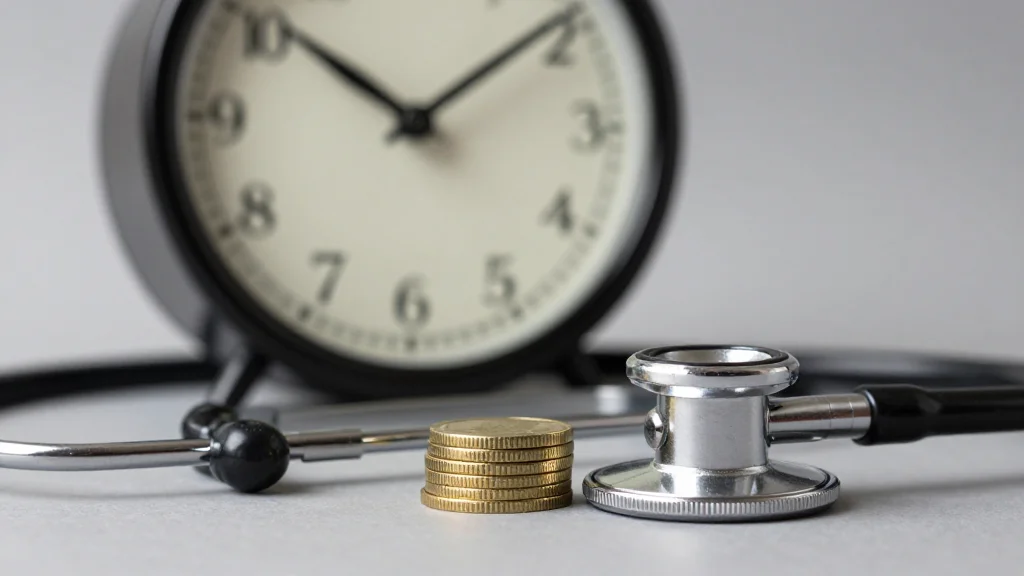
US Work Hours Fell as Benefits Grew, Not Wages
US hours per person declined after 2000 in large part due to the rise in benefits available to non-employed eg health-related benefits. In non-US countries a rise in labour supply can generally be accounted for by higher wages, lower fixed...

Air Service Agreements Trim Top Airlines Emissions by 3%
For airlines in the top segment — whether defined by revenue (top 25) or service quality (Skytrax top 50) — air service agreements lead to a decline in total emissions of about 3%, along with a comparable reduction in emissions...

Central Bank Independence Ensures Commitment to Price Stability
Central bank independence refers to the absence of political influence on monetary policymaking. It is widely accepted that independence acts as a commitment device to achieve price stability. https://t.co/Gp9sjyM0Pv

Alternative Data Powers Digital Lending for the Unbanked
Digital lending platforms have brought millions of previously unbanked people into the formal financial system. To reach these borrowers, many platforms rely on alternative data such as call records, mobile usage patterns, and social network information. https://t.co/QEz3AWRmB6

Iran War's Economic Shock Hits Global Markets
Catch my take at 9:40ET on the economic impact of the Iran War @siriusxm #bizbriefing

Iran War's Ripple Effect on UK and Global Economy
Catch my take at 18:10 on the impact of the Iran War on the UK, European and global economy #bbcnews

AI Talent Shifts From Academia to Industry Over Salary Gap
For decades, universities were the beating heart of frontier research. In the case of AI, top talent has increasingly migrated from universities to large incumbent firms, as the salary gap between industry and academia has risen. https://t.co/55W5Q1lkil

Emerging Markets' Nonfinancial FX Debt Stays Under 20% GDP
What is remarkable is that the nonfinancial sector foreign exchange debt is below 20% of GDP and around 10% of total debt, down from the levels of around 40-60% for most of the emerging markets. https://t.co/p334pC8XRt

Seguro Popular Gave Free Health Coverage to Half of Mexicans
Mexico’s Seguro Popular (SP), introduced in the early 2000s, was one of the most ambitious efforts. It extended free public health insurance to those outside the formal sector, covering nearly half the population that previously lacked insurance. https://t.co/ON5TubBVfN

Athens Built 2004 Olympic Village for Social Housing
Unlike most Olympic host cities, Athens designed its 2004 Olympic Village from the outset for post-Games social housing. It was at the time Europe’s largest: €300 million, 2,300 housing units across 366 buildings, and roughly 10,000 eventual residents. https://t.co/rBmJlMnBgS
IMF Flags
Catch my take at 18:05 on the IMF’s latest assessment of the UK economy #bbcwales

Office Workers Now Spend 27% of Week in Meetings
Analysis of 50,000 office workers’ calendars, the average worker attends 13.6 meetings a week, up from 7.5 in 2019, before Covid struck. Typically, workers spend more than a quarter (27%) of their working week in some form of meeting https://t.co/ZvMTXqyUAO

EU Laws Open Data Markets to New Entrants
Initiatives like the Data Act, the Digital Markets Act, and the Second Payment Services Directive (PSD2) reflect a broader shift towards opening up data-driven markets to new entrants https://t.co/3koMS2B5Ui

Global Wave of Laws Forces Platforms to Police Toxicity
Germany’s Netzwerkdurchsetzungsgesetz, UK’s Online Safety Bill, EU’s Digital Services Act mandate platforms take responsibility for moderating content. By 2020, at least 25 countries had passed laws requiring the removal of toxic material from social media https://t.co/TGdwIvYsV9

CBAM Targets Half of EU ETS Emissions
CBAM currently applies to sectors such as cement, steel, aluminium, fertilizers, electricity, hydrogen, and certain intermediate products. Together, these sectors account for approximately 50% of emissions covered under the EU Emissions Trading System https://t.co/qKRttXlmeE

Success Requires Shaping Demand, Not Just Productivity
Firms do not compete on productivity alone: their success also depends on their ability to shape demand – by designing attractive products, managing quality, adapting to regulations, and deploying effective marketing strategies. https://t.co/MHyJF8fqXu

Governments Reassess Corporate Taxes Amid Global Minimum Tax
Governments across the world are reconsidering corporate tax rates in the wake of the OECD’s global minimum tax agreement, fiscal pressures following the pandemic, and increasing concerns about tax avoidance and profit shifting. https://t.co/JGQwYAIYmC
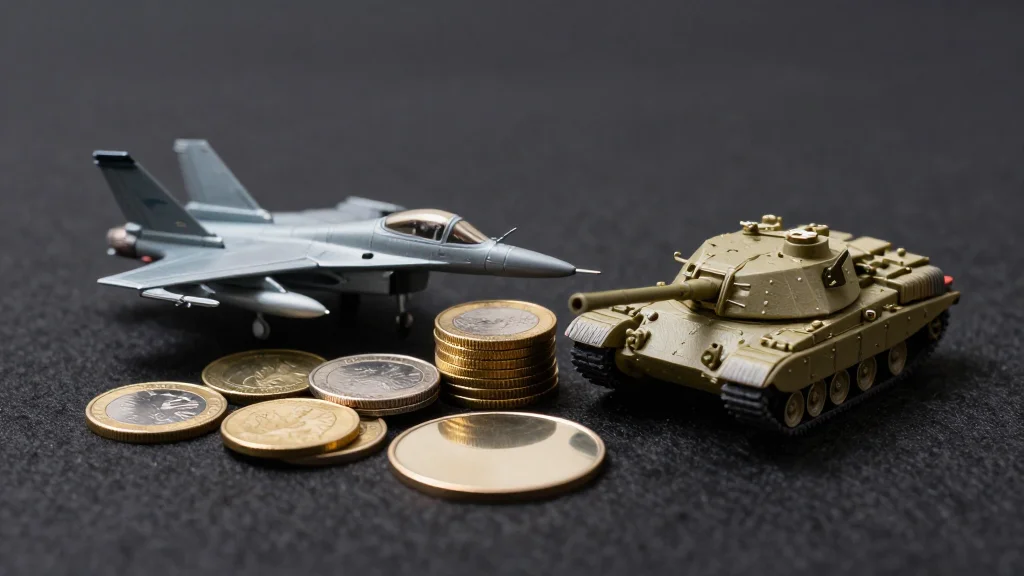
R&D, Education, Defence Drive Patent Gap Leaders
International patent data shows persistent gaps in technological performance, with leading countries like the United Sates, Germany, Japan, and South Korea benefiting from sustained investments in R&D, education, and defence @CEP_LSE https://t.co/viM1uFS1RP

China Drives One‑Third of Global Growth Since 2000s
China has become a major engine of the global economy since joining the WTO in 2001, with its share of global production rising from 2% in 1995 to 16% in 2018 & as growing source of final demand. China accounted...

China’s Clinical Trials Surge, Outpacing US and Europe
In 2010, China accounted for fewer than 8% of global clinical trials. By 2020, it had surpassed both US & Europe in registered trials. By 2024, China was initiating more than 5,000 clinical trials a year — a more than...

Natural Disasters Lead Supply Disruptions; Geopolitics Rise in Agri
Natural disasters emerge as the dominant trigger for supply disruptions in agriculture and energy. Geopolitical risks mainly affect energy and precious metals markets and have recently become important also for agricultural commodities https://t.co/vE0F6bepwD

EU Pushes Data‑sharing Rules to Level Market Information
Efforts to level the informational playing field across firms — by mandating data-sharing or expanding access to consumer risk information — are increasingly at the centre of Europe’s digital regulatory agenda. https://t.co/3koMS2B5Ui

Digital Spending Soars While Physical Investment Stalls
ICT hardware roughly doubled while software and databases almost tripled. In contrast, real business investment in non-digital tangible assets has barely grown since the GFC, with volumes only slightly above their 2007 level. https://t.co/udAD74Ik9Z

Korea’s Border Shutdown Forces Firms to Downgrade Labor
Evidence from Korea’s pandemic border closure shows that when younger immigrants doing physically demanding, entry-level jobs is suddenly cut off, many firms contract, some exit, and survivors reallocate domestic workers to lower-skill tasks at lower wages https://t.co/bh3nBsCXoK

Post‑2008 Dollarisation Wave Restores 2000‑Era Share
Three distinct waves of dollarisation since the 1960s. The most recent wave, which emerged after the 2008 global crisis, pushed the dollar's share to nearly match its level from 2000, when the euro was introduced. https://t.co/A6TnrvTxXS

China’s Subsidies Surged Post‑Made in China 2025, Trade War
Industrial subsidies in China have increased dramatically. Notably, there was a sharp acceleration in subsidy levels following the launch of the “Made in China 2025” programme in 2015 and the onset of the US–China trade war in 2018. https://t.co/eFhIfiECI4

EU Labour Shortages Fall, Unemployment Stays Steady
After peaking in 2022, labour shortages across the EU are back at their pre-pandemic levels and on a declining path. Vacancy rates have fallen markedly. Yet, this easing of the labour market has not translated into higher unemployment. https://t.co/cARZL9kIyG

Rate Hikes Shrink Cash, Cuts Boost Household Spending
Research finds that rate increases lead to lower cash-on-hand and lower household spending, whereas spending rises following rate cuts. https://t.co/bDbE1CT1AB

Middle East Conflict Fuels Oil Surge, Exposing Europe’s Fragility
Energy shock exposes Europe’s vulnerability as oil prices surge Linda Yueh explains how Middle East conflict is driving oil volatility and heightening risks https://t.co/j96NMGNF8A
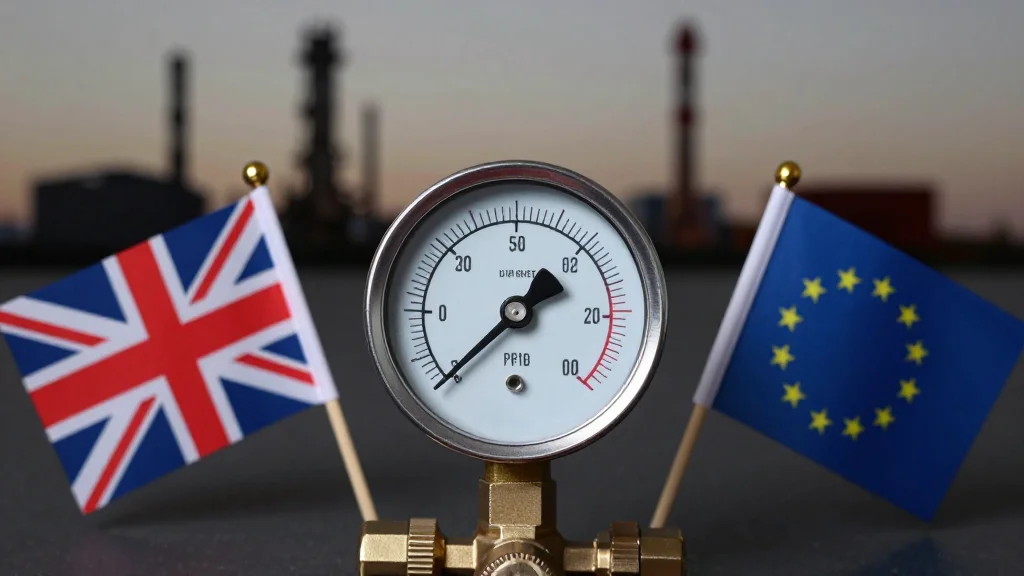
UK Faces Steeper Inflation and Slower Growth Than Eurozone
The Effects of Higher Energy Prices CfM/NIESR survey: UK would experience greater negative effects than Euro Area: higher inflation & lower growth due to macro backdrop, fiscal/monetary policy responses & uncertainty over the conflict’s duration as reasons https://t.co/HG4SdveXNQ

Exploring the End of Progress and Great Crashes
A pleasure to chair @carlbfrey’s talk on his brilliant book, How Progress Ends, at the @oxfordlitfest who kindly also included my latest book, The Great Crashes: https://t.co/i2YoILCoDR https://t.co/ZYKZYwYpyr

War's Toll on Britain's Economy Explained
Catch my take at 11:30am on the impact of war on the British economy #skynews

Bank Lending Shifts: NBFIs Grow 60%, Corporates
Since 2019, bank lending to non-bank financial institutions (NBFI) has grown by nearly 60% vs only about 20% to non-financial corporations. Divergence has widened since mid-2022 when corporate lending stagnated while NBFI lending continued to rise steadily https://t.co/QEUhoq4feU

Europe’s Structural Gaps Threaten Productivity and Growth
The Draghi & Letta reports' diagnosis was stark: Europe is falling behind in productivity growth; Single Market remains fragmented; capital markets incomplete; innovation & scale financing insufficient. These are structural weaknesses, not cyclical ones. https://t.co/vne95qESQS

Blockchain Enables Peer-to-Peer Cash without Banks
A blockchain is a decentralised ledger - "A purely peer-to-peer version of electronic cash [allowing] online payments to be sent directly from one party to another without going through a financial institution..." https://t.co/lC65xLNwXT

AI's Impact Mirrors Electrification: Disruption Follows Reorganization
The best historical analogy for AI may be electrification: the key disruptions came not when the technology first appeared, but when firms reorganised production around it https://t.co/SFeEio4bkA

CBDCs Could Undermine Bank Deposits and Credit Creation
By giving households direct access to central bank money in digital form, central bank digital currencies (CBDC) is frequently said to threaten bank deposits, disrupt credit creation, and shift seigniorage from commercial banks to the public sector. https://t.co/B04PPjhu5q

Middle East War's Economic Fallout Explained
Catch me at 8:05am on the economic impact of the war in the Middle East #bbcwales #sundaysupplement Listen at: https://t.co/WBmMlC57rn https://t.co/TZIU8SNTCQ

IMF Report Swells to 14 Million Words, More Jargon
By 2022, the cumulative text of the IMF’s Annual Report on Exchange Arrangements and Exchange Restrictions reached about 14 million words, with increasingly technical jargon to describe the growing web of cross-border tools. https://t.co/YN9GeT7uhG

Trump’s Canada Threat Cuts US Visits by 25%
President Trump’s rhetoric about a possible acquisition of Canada and escalating trade tensions led to a 25% decline in Canadian visits to the US in 2025. https://t.co/dqBIGoRt7G

Remote Work Premium Fades After Accounting for Workplace Quality
Once workplace practices are controlled for, the remote work premium is greatly reduced again, consistent with the view that what appears to be a remote work premium is largely a reflection of better workplace quality in jobs that also happen...

Eurozone Phillips Curve Remains Significant Yet Flatter with Regional Data
The Phillips curve in the euro area remains statistically significant but is relatively flat and linear once regional data on unemployment are used, and it becomes even flatter when national inflation expectations are properly accounted for. https://t.co/tBUWZAT6n4

Eurozone Price Change Frequency Spikes to Double Pre‑
Before 2020, the monthly frequency of price changes was stable at around 8.2% across 9 major euro countries. It then rose sharply in 2022, averaging about 12% that year and peaking at 15.7% in January 2023, nearly double the pre-pandemic...
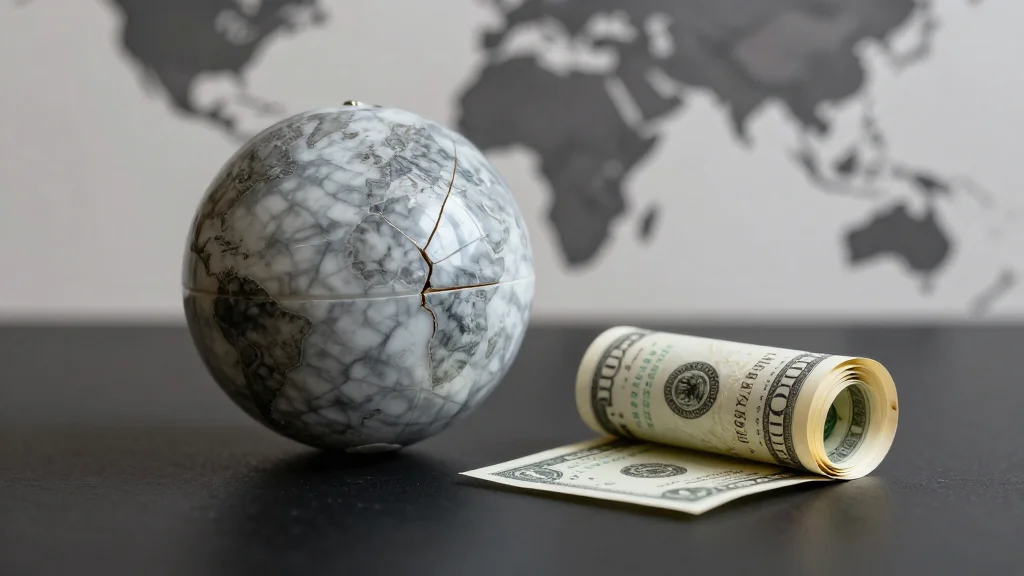
Global Shocks Now Drive Half of Rate Changes
Global shocks now account for about half of the variation in interest rates, more than double their role in earlier decades. https://t.co/a8Dhi9Gxpu

Most Firms Use AI yet See No Productivity Boost
In US, UK, Germany and Australia, around 70% of firms actively use AI, particularly younger, more productive firms. Firms report little impact of AI over the last three years, with over 80% of firms reporting no impact on either employment...