
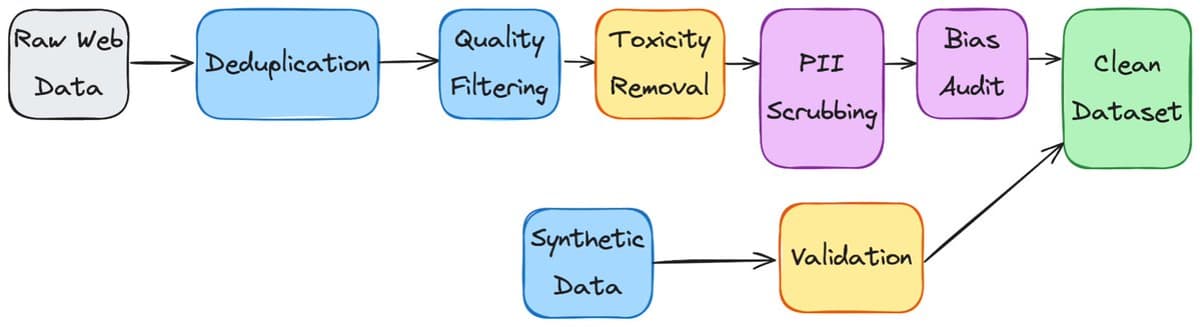
Cleaned Web Data Powers Reliable AI Models
We all know these models are trained on the internet. And the internet is full of spam, duplicates, toxic text, and personal data nobody should be memorizing. So how does any of that turn into a model that actually works? It doesn't go in raw. The data runs through a pipeline first, stripping out one problem at a time. Here's how raw web data becomes a clean dataset 👇 1. Deduplication: copies get removed so the model doesn't overlearn repeated text 2. Quality filtering: low-signal, low-effort text gets cut 3. Toxicity removal: harmful and offensive content is pulled out 4. PII scrubbing: names, emails, and other personal info are stripped so nothing gets memorized 5. Bias audit: the data is checked for overrepresented views and gaps After this, you've got a clean dataset. Running alongside it is one more source: synthetic data. When real examples are thin, extra ones are generated, validated, and merged into that same clean set. A model's capability comes entirely from this data. Clean it well, and the model performs. I broke down the full data layer in Neo Kim's "The System Design Newsletter" in plain English. Link in the comments 👇

Anthropic Banned Again! This Time, for All of Us…
Anthropic pulled its two most advanced Claude models just 76 hours after launch, not due to technical failure but because the U.S. Treasury’s Office of Foreign Assets blocked them. The shutdown came after the agency cited export‑control concerns, effectively ordering...
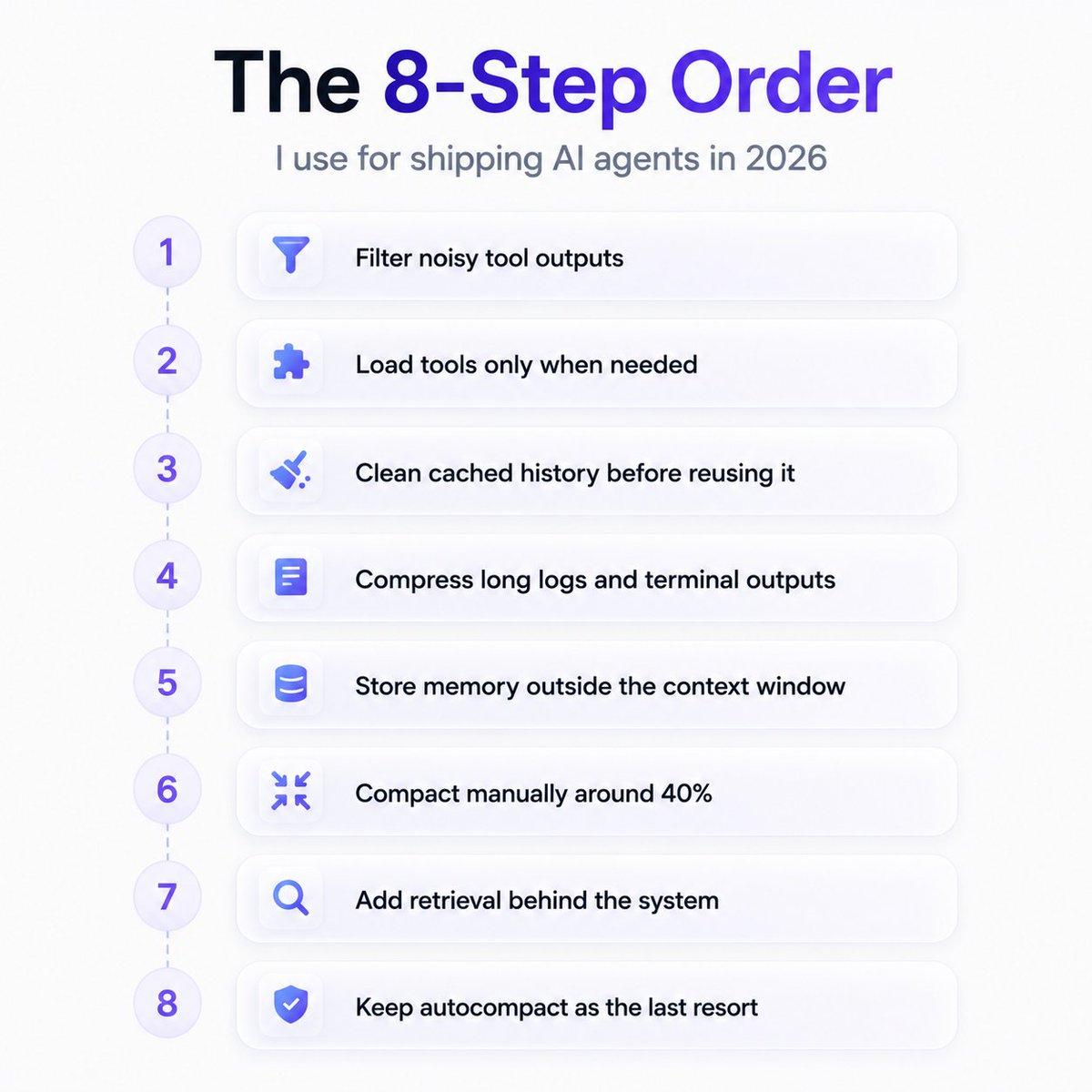
Layered Context Management Boosts AI Agent Stability
The 8-step order I use for shipping AI agents in 2026: 1. Filter noisy tool outputs 2. Load tools only when needed 3. Clean cached history before reusing it 4. Compress long logs and terminal outputs 5. Store memory outside the context window 6. Compact manually...
Loop Engineering Explained
Loop engineering is the emerging paradigm that moves developers from prompting AI coding agents one‑by‑one to designing autonomous loops that drive the agent through multiple iterations until a verifiable goal is met. A functional loop requires a trigger—such as a new...

The Real Mechanics Behind AI Image
New video ! 🚀 How AI Image Generation Actually Works How image models actually understand text, photos, and edits... https://t.co/CfWRVy7niN
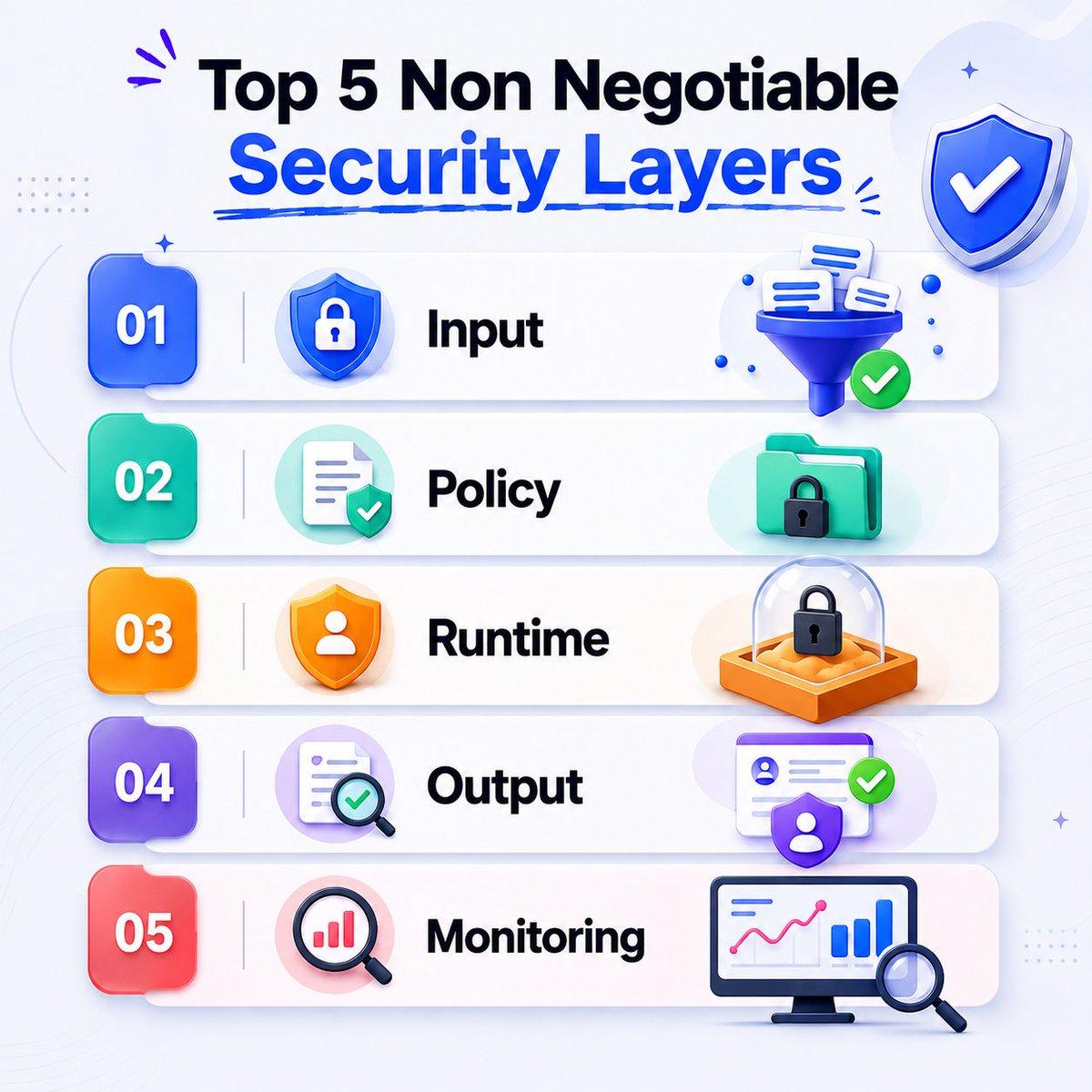
Five Essential Security Layers for Safe AI Production
These 5 security layers are non-negotiable when shipping AI to production (don't ship to production without these) Layer 1: Input. Validate and sanitize everything coming in. Block prompt injection at the door. Layer 2: Policy. Your model shouldn't have full access to your data...
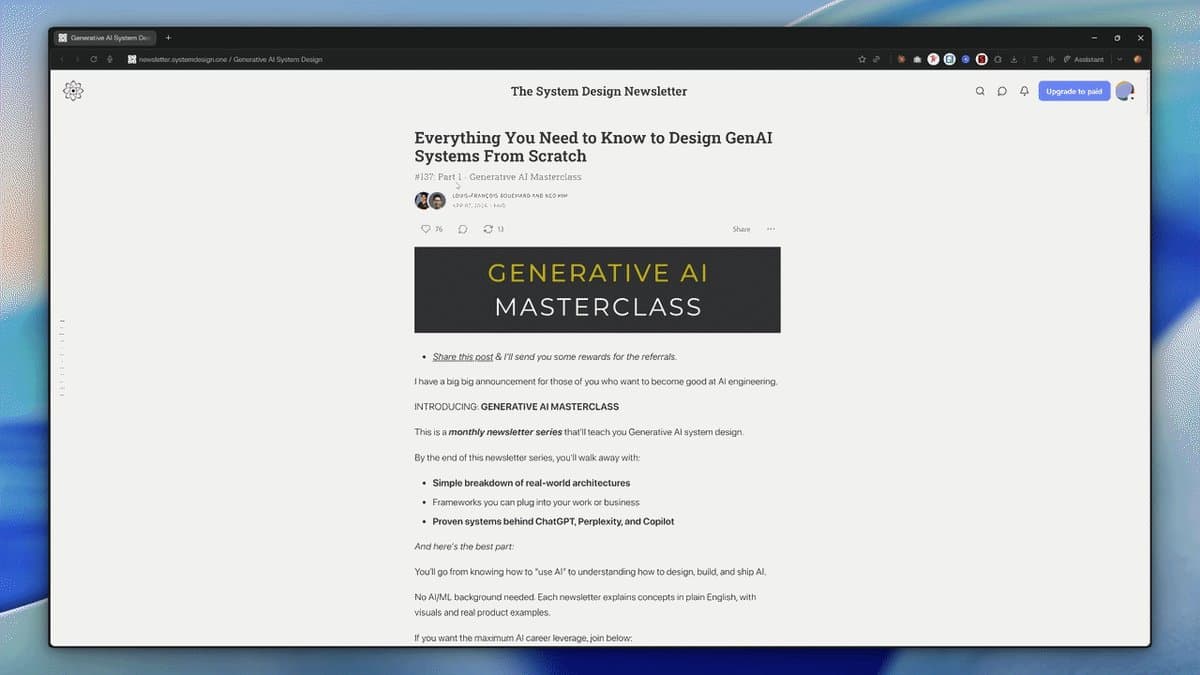
Design GenAI From Scratch: Beginner-Friendly Masterclass
We wrote a full breakdown of how GenAI systems are actually designed from scratch. It went out in Neo Kim's "The System Design Newsletter": Generative AI Masterclass: Everything You Need to Know to Design GenAI Systems From Scratch. If you're a beginner in...

AI Agents Accelerated: From Tab Openers to Pull Requests
I've been working in AI for almost a decade, and I've been making AI videos for 6 years. In all of that time, I have never seen the field move faster than AI agents did in the last 6 months. We went...
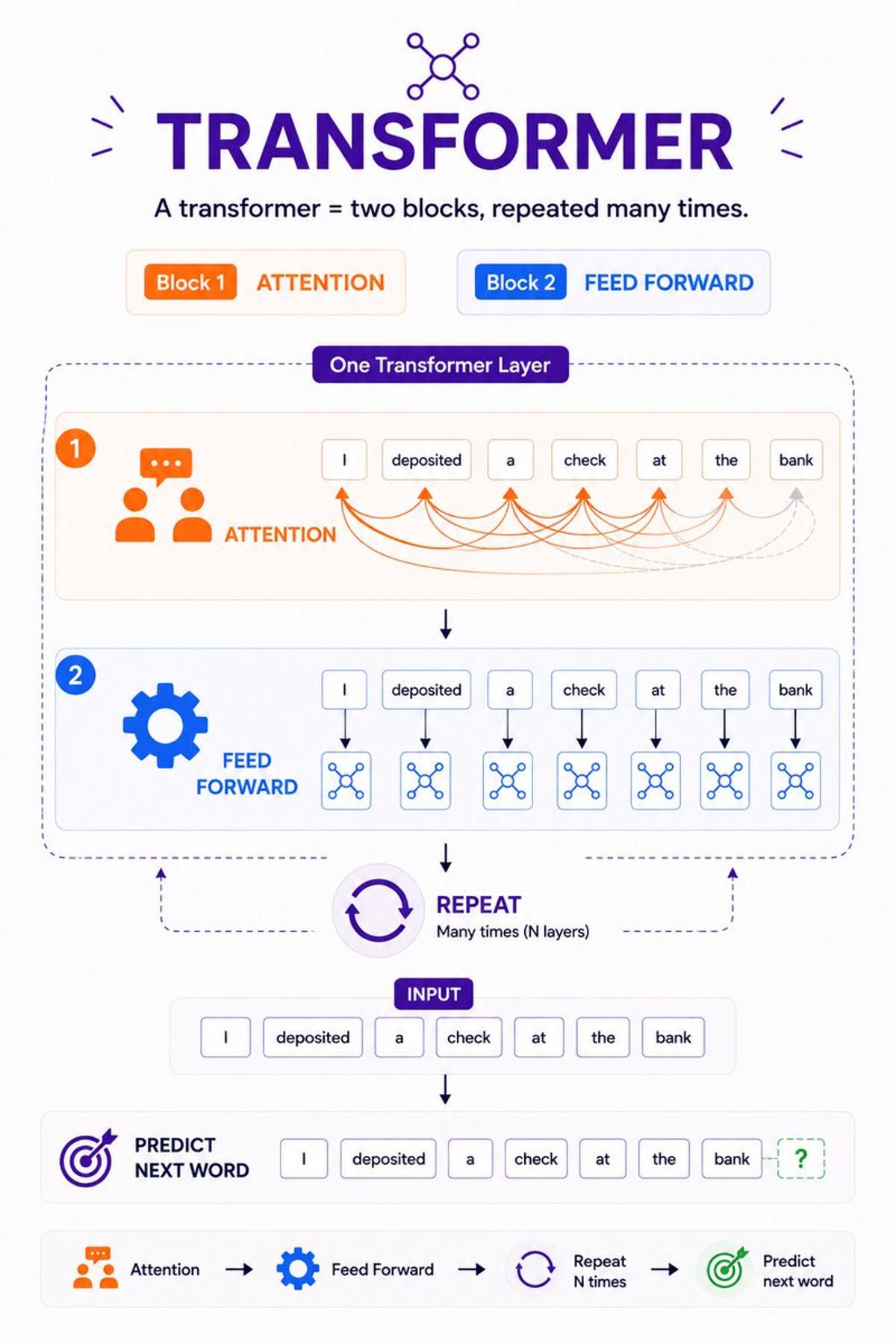
LLMs Boil Down to Repeated Attention and Feed‑forward Blocks
In our AI engineering workshops, one question comes up over and over. What's actually inside an LLM? The answer is one word. 𝗔 𝘁𝗿𝗮𝗻𝘀𝗳𝗼𝗿𝗺𝗲𝗿. And it's much simpler than the name makes it sound. A transformer is just two blocks, repeated many times. 𝗕𝗹𝗼𝗰𝗸 𝟭 𝗶𝘀...
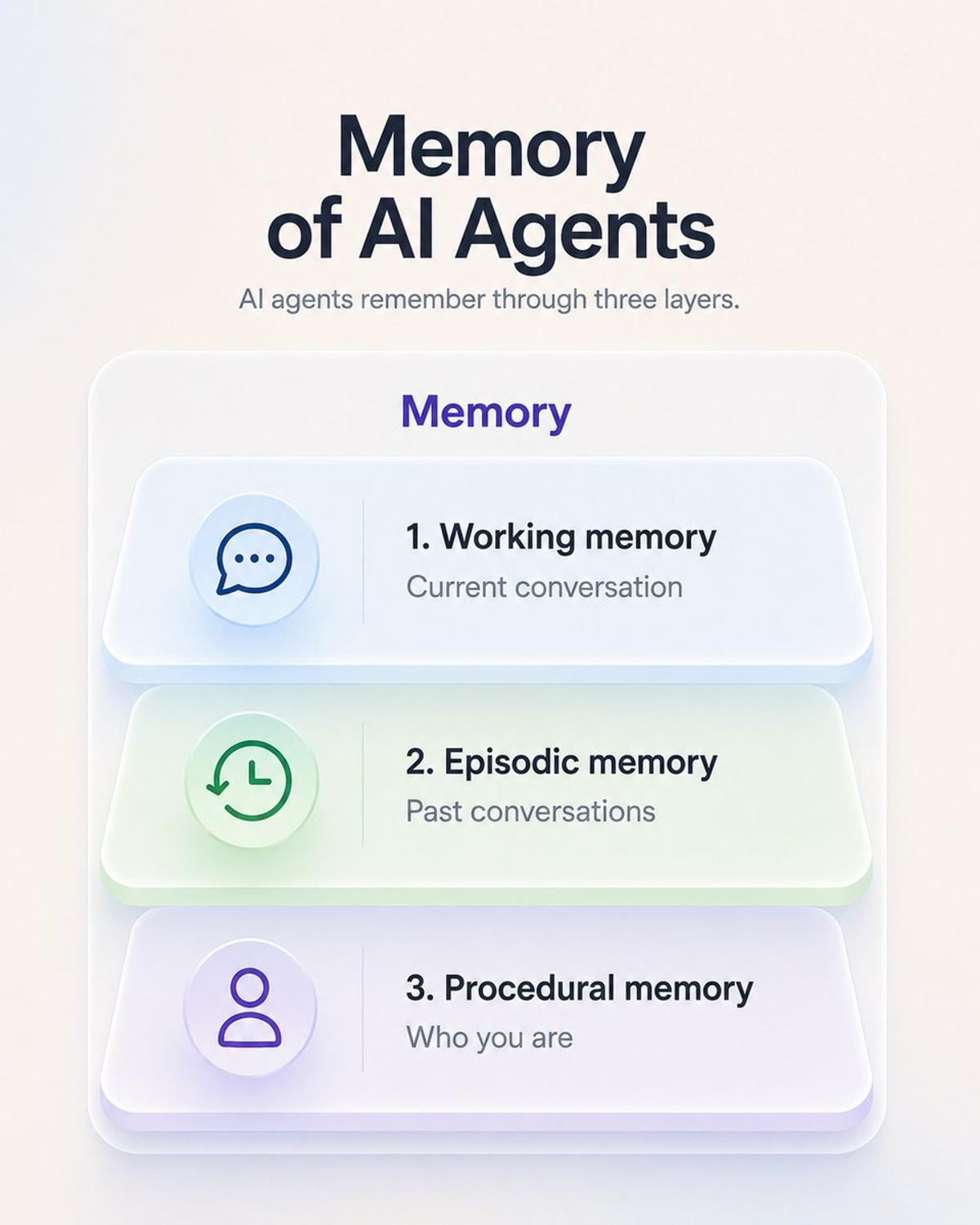
AI Agents Use Three Distinct Memory Layers
You use AI agents every day. ChatGPT, Claude, Gemini, Cursor. They remember what you said, who you are, and what you've worked on before. But this memory has three layers, not one. 1️⃣ Working memory Your current chat. Whatever you typed five messages ago....
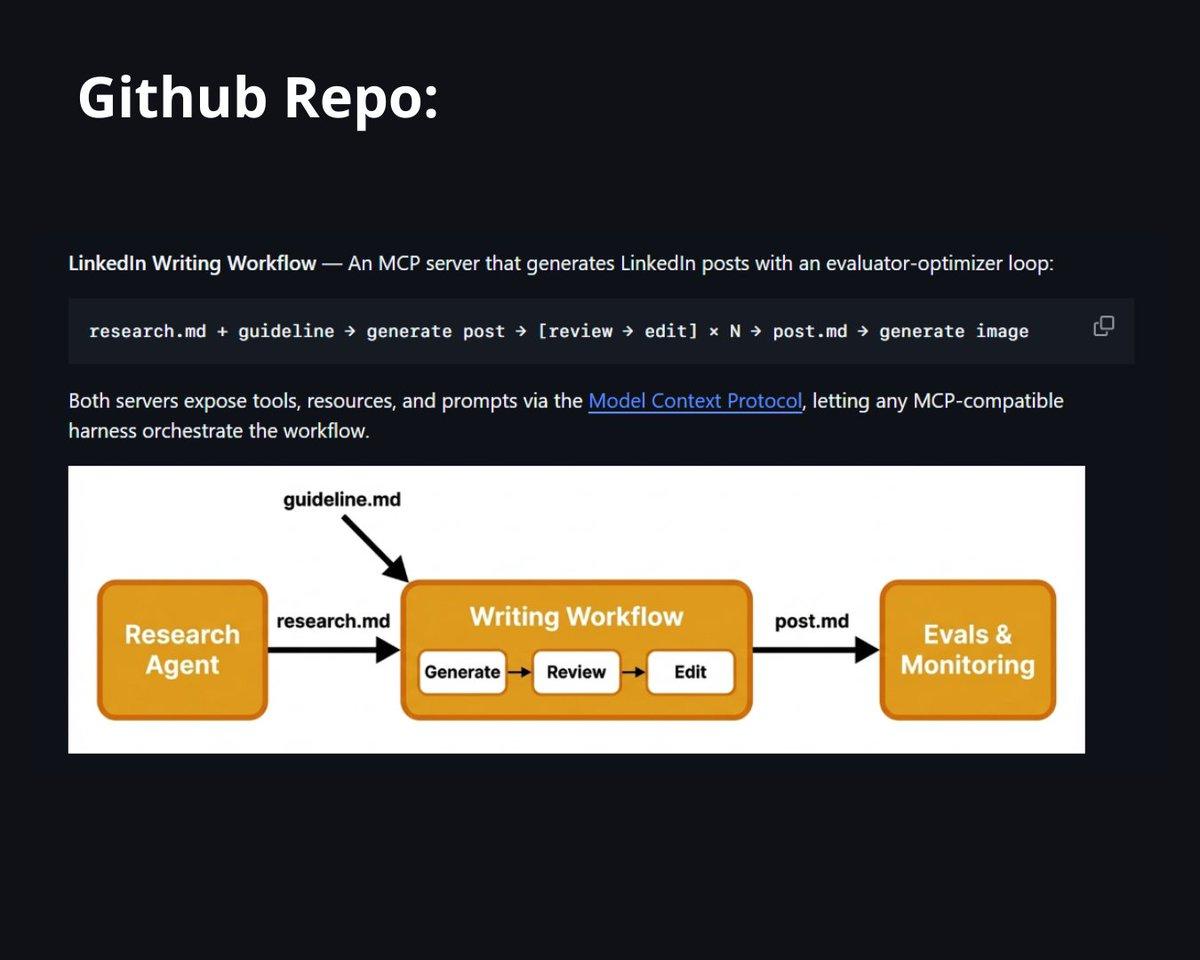
Feed AI Your Raw Ideas for Unique Content
When you ask AI "write me a post about X", the model doesn't think about your audience or what you want to say. It just picks the most likely next word from millions of examples it was trained on. You end up...

AI Images Are Built From Latent Blueprints, Not Pixels
You probably think AI image generators paint your image pixel by pixel, like a digital artist filling in a canvas. That's not what's happening. A normal image has millions of pixel values. Generating those one at a time would be too slow...

Agentic Coding: Keep Control, Don’t Let AI Drive
Agentic coding isn't vibe coding with a better name. People use these two terms interchangeably, but they are not the same thing. Vibe coding is when you let Claude or Cursor write code for you and you ship it without reading a...
Self‑Updating Skill Loop Boosts Claude Code Performance
Every time you use Claude Code, you notice the same mistakes coming back. Even with a skill file in place. And you got tired of fixing them every time. Here's one thing you can do. I added one step to every skill file...

Batch Meetings, Guard Focus, Accelerate Progress
I hate meetings. Not the people. Not the conversations. Just the meetings themselves. Even when it's useful, I always feel like I could be building something instead. So I made some rules for myself. All meetings go into one day when I can. No random calls. No...