
The Runtime Revolution: How Generative AI Is Reshaping Value and Organisations | LSE Event
Professor Jung‑Jin Yu’s inaugural LSE lecture introduced the “runtime revolution,” arguing that generative AI is fundamentally changing how value is created and organized. Yu contrasts the classic scarcity‑based view of value with a “runtime” view where value is composed in unique, moment‑specific configurations. He traces this shift to the layered‑modular architecture of digital technologies, which makes components system‑agnostic and endlessly recombinable, generating what he calls generative innovation. Using Frank Gehry’s CATIA‑driven building designs and WordPress’s explosion from 2,000 to over 24,000 plugins as case studies, Yu illustrates how computational boundary objects enable non‑linear, chaotic yet highly productive innovation. He also coins “experiential computing,” the idea that the unit of digital value is the real‑time interaction among user, system, and context. For managers, the implication is clear: organizations must adopt a socio‑technical mindset, prioritize real‑time experiential design, and harness generative AI’s lateral recombination to unlock new sources of competitive advantage.
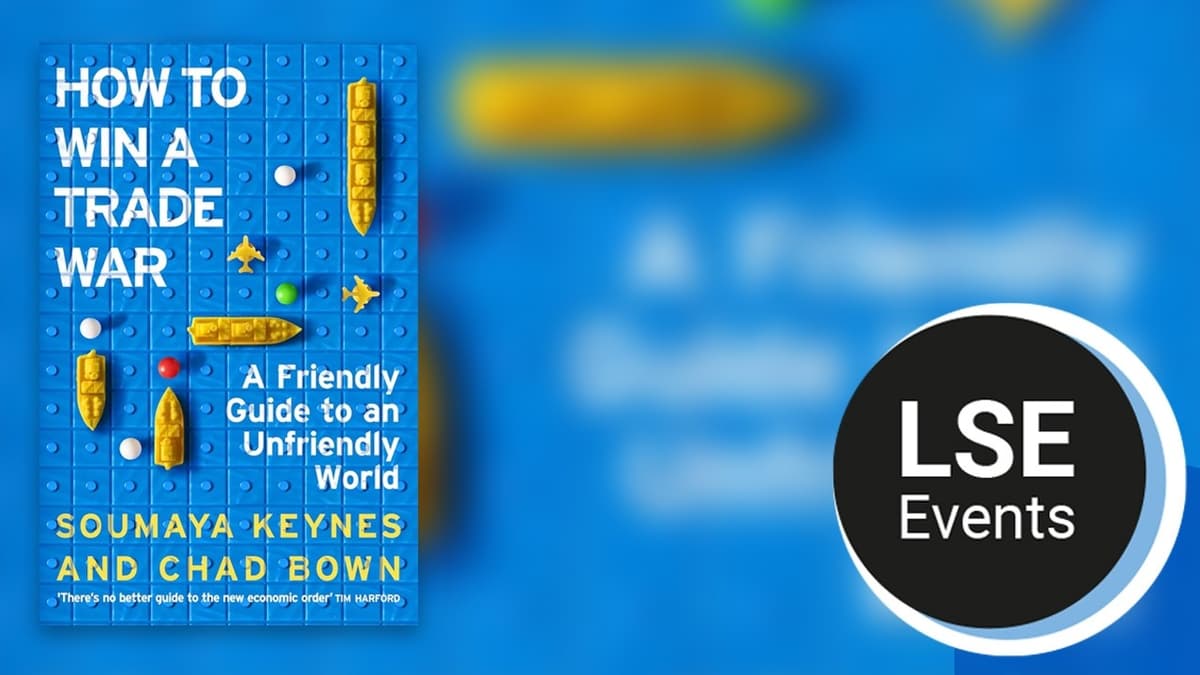
How to Win a Trade War | LSE Event
The London School of Economics event launched the new book How to Win a Trade War, authored by podcast hosts Chad and Samaya, with introductions from Swathi Dhingra, Martin Wolf and Stephanie Prickard. The discussion framed the current geopolitical climate—Brexit, Trump’s tariff crusade, and especially...
From Curiosity to Prosperity: Sharing the Gains of Science | LSE Event
The London School of Economics hosted a high‑profile panel on the economics of "big science," featuring former NSF director France Cordova, CERN’s Mark Thompson, and EU innovation chief Maria Christina Russo. Cordova framed the discussion around the growing fiscal squeeze on curiosity‑driven research, noting...
Smart Electricity Will Save the Planet #Energy #Electricity #LSE
The video highlights the accelerating global electrification driven by electric vehicles, heat pumps, and AI‑intensive data centers, which together are pushing electricity demand to unprecedented levels. Simultaneously, the rapid replacement of fossil fuels with renewable generation is reshaping supply, creating...
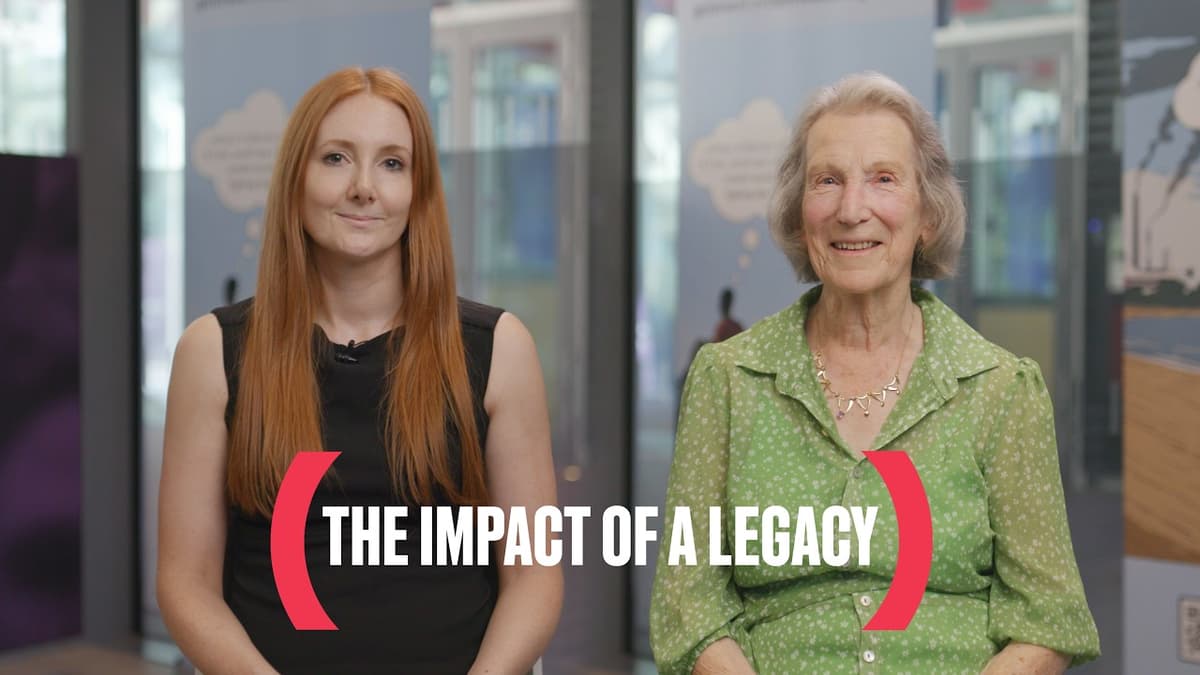
How a Gift in Your Will Creates a Lasting Legacy
The video tells the story of a former LSE student who grew up in social housing, relied on state benefits, and attended a failing school before earning top A‑level grades and a degree in maths and economics at LSE. ...

Trade Under Strain: Policy Challenges in a Fractured World | LSE Event
The LSE Public Policy Review hosted a launch event for its new issue, “Trade Under Strain: Policy Challenges in a Fractured World.” A panel of economists, political scientists and international‑relations scholars introduced the publication, which examines the sudden resurgence...
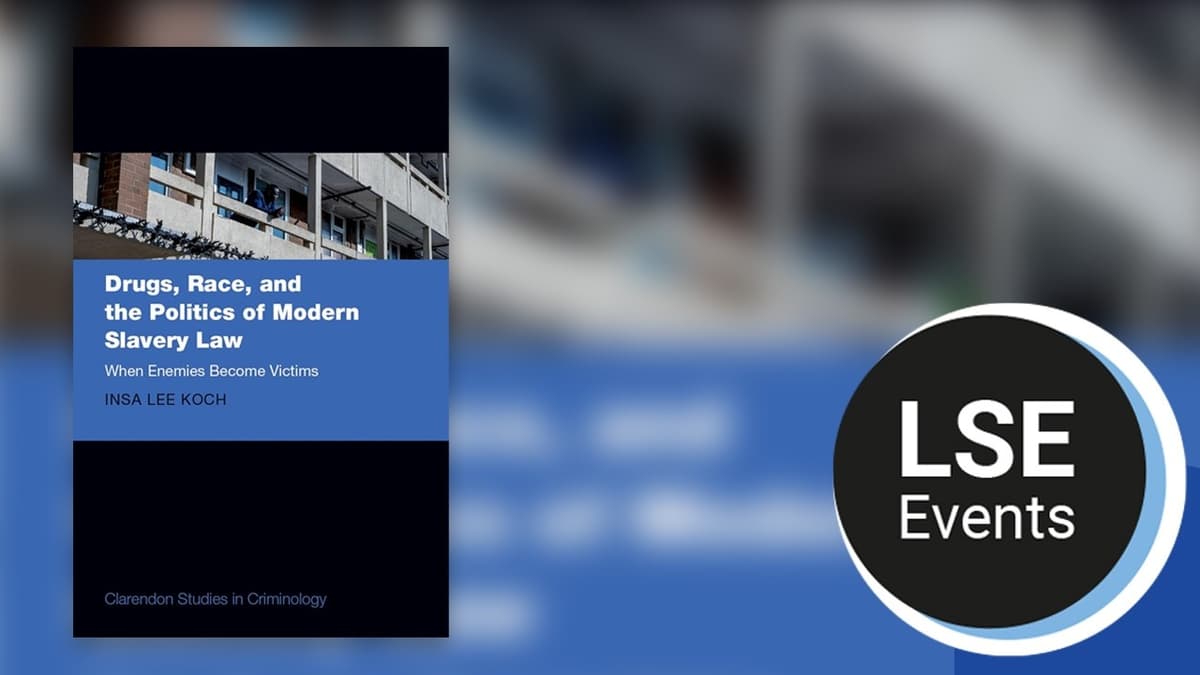
Who Is Britain Really Saving in the Fight Against Modern Slavery? | LSE Event
The LSE event launched a new open‑access volume that interrogates Britain’s claim to be rescuing victims of modern slavery. Panelists—including researcher Insa Fakiti, activist Kojo Cheriawa, and former trafficked youth Glo Wilwa—explored how the state’s anti‑gang agenda has co‑opted modern‑slavery legislation to...
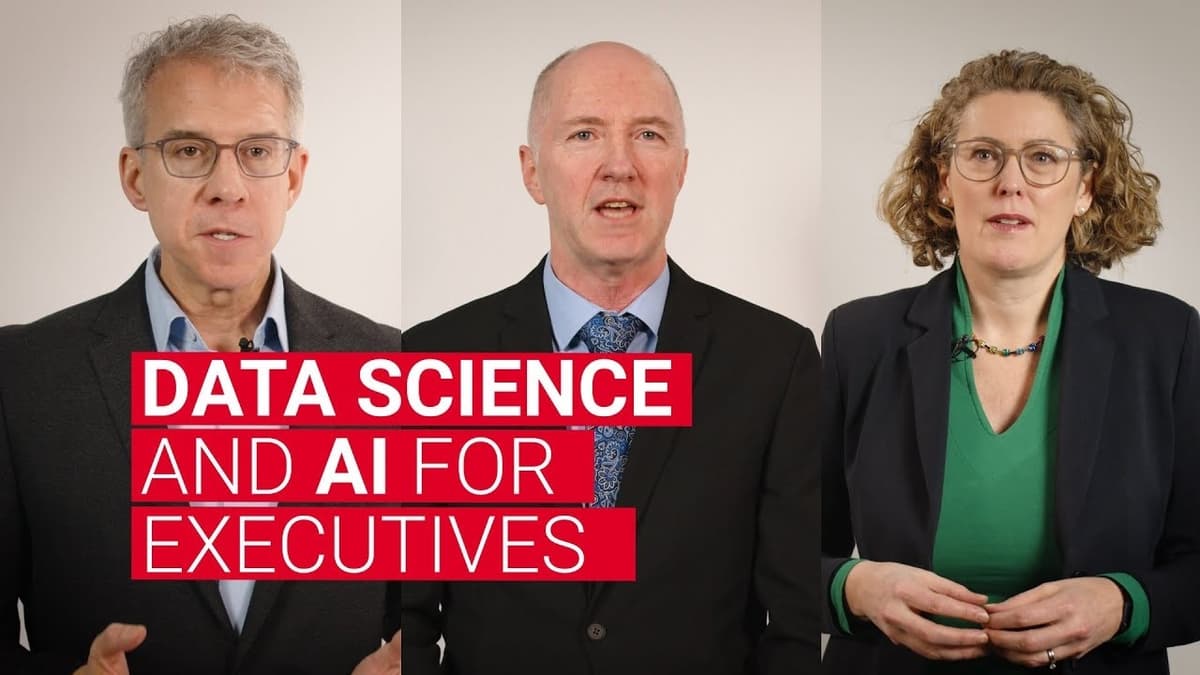
Data Science and AI for Executives | LSE Executive Education
The London School of Economics offers an executive‑level, week‑long program that demystifies artificial intelligence and data science for senior managers. It positions AI literacy as a non‑negotiable skill for anyone shaping strategy in today’s fast‑moving business and policy environment. The...
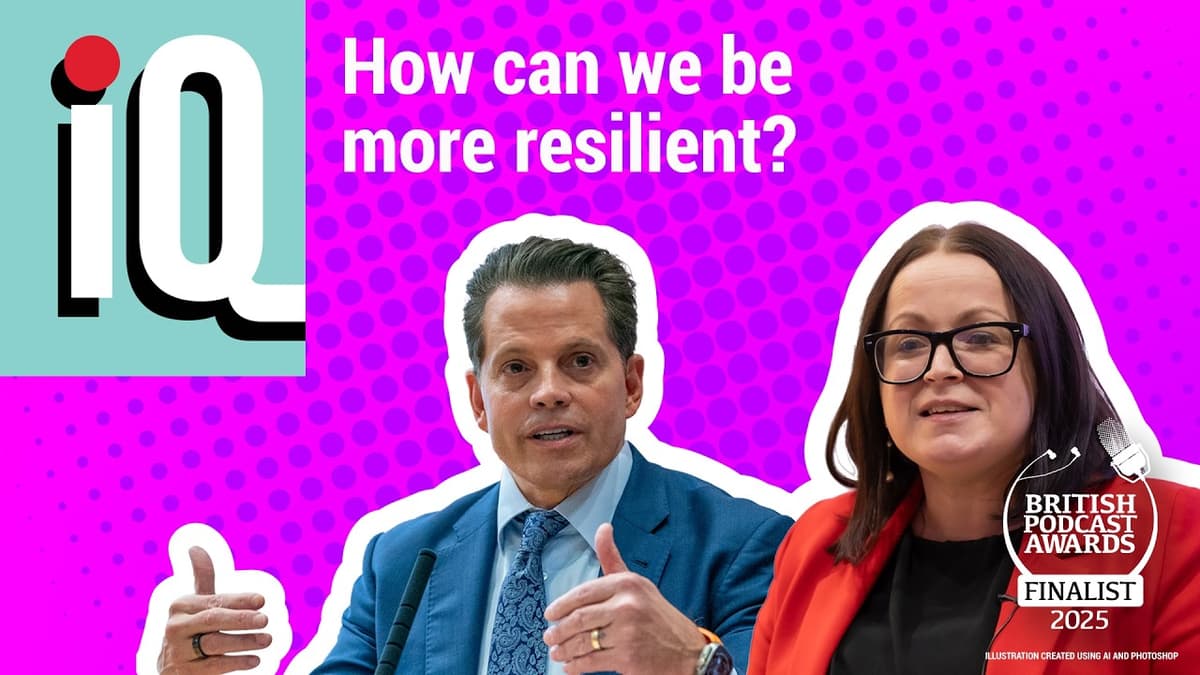
How Can We Be More Resilient? | LSE iQ Podcast
The LSE iQ podcast asks how we can become more resilient, featuring former White House communications director Anthony Scaramucci and LSE economist Grace Lordan. Scaramucci recounts his 11‑day tenure in the Trump administration, the public fallout, and the personal...
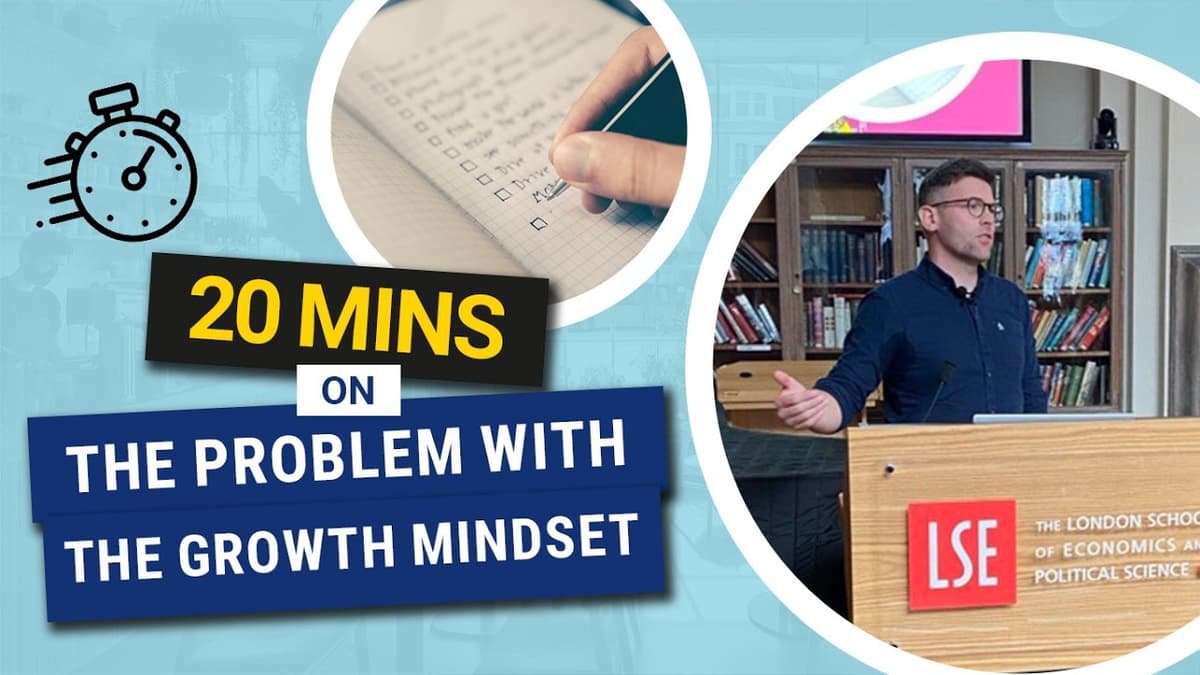
The Tyranny of ‘‘Could’’: Why Limits Give Life Meaning | Coffee Break Research at LSE
Thomas Curran opens the talk by tracing the cultural hijacking of Samuel Beckett’s bleak mantra into today’s obsession with limitless self‑improvement. He argues that the popular "growth mindset"—popularized by Carol Dweck’s research—has been stripped of its scholarly caveats and turned...

Rethinking Violence Through Netflix Drama "Toxic Town" | Coffee Break Research at LSE
The talk examines how the Netflix series “Toxic Town” reframes violence by exposing the long‑term health fallout from toxic‑waste dumping in Corby, a former steel‑town in England, and by questioning the criminal law’s narrow focus on interpersonal force. The speaker traces...

Prepare Your Workforce for the Future of Work | LSE Executive Education
The video introduces “work‑from‑anywhere” (WFA) as a distinct model from traditional work‑from‑home, allowing employees to choose any city, town, or even country as their base. By decoupling talent from geographic constraints, WFA promises to reshape hiring, commuting, and urban density. Data...

Donald Trump and the Unmaking of Europe | LSE Event
The LSE event titled “Donald Trump and the unmaking of Europe” featured Dr. Natalie Tochi, a senior European policy expert, who examined how Trump’s unconventional foreign policy has reshaped EU‑US relations. She framed the debate around whether Trump represents a...