
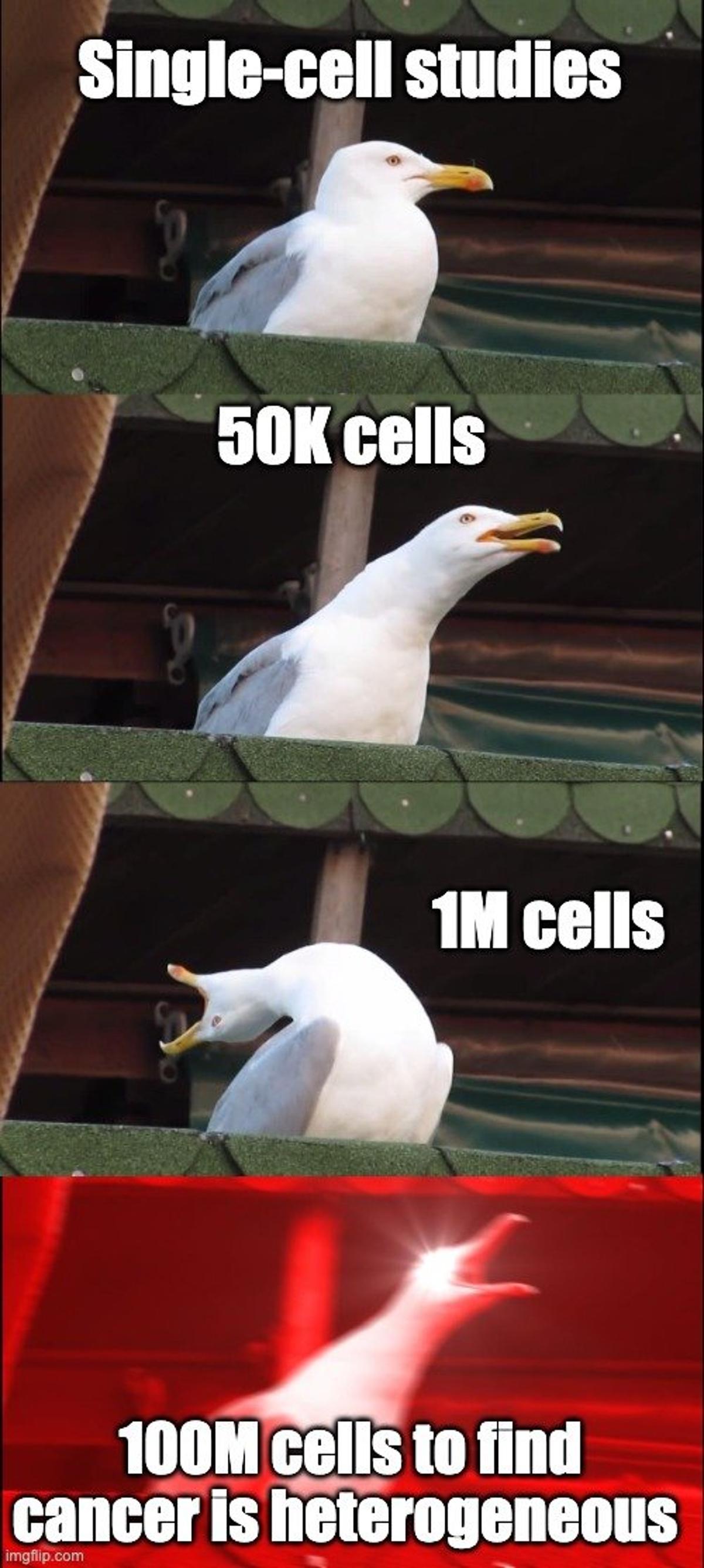
Massive Cell Counts: Insight or Just Bigger Numbers?
1/ Another single-cell study drops. 500,000 cells sequenced. More UMAP plots. More clusters. But here’s the question: Are we learning more—or just counting better? 🧵 https://t.co/0MteDjplVz
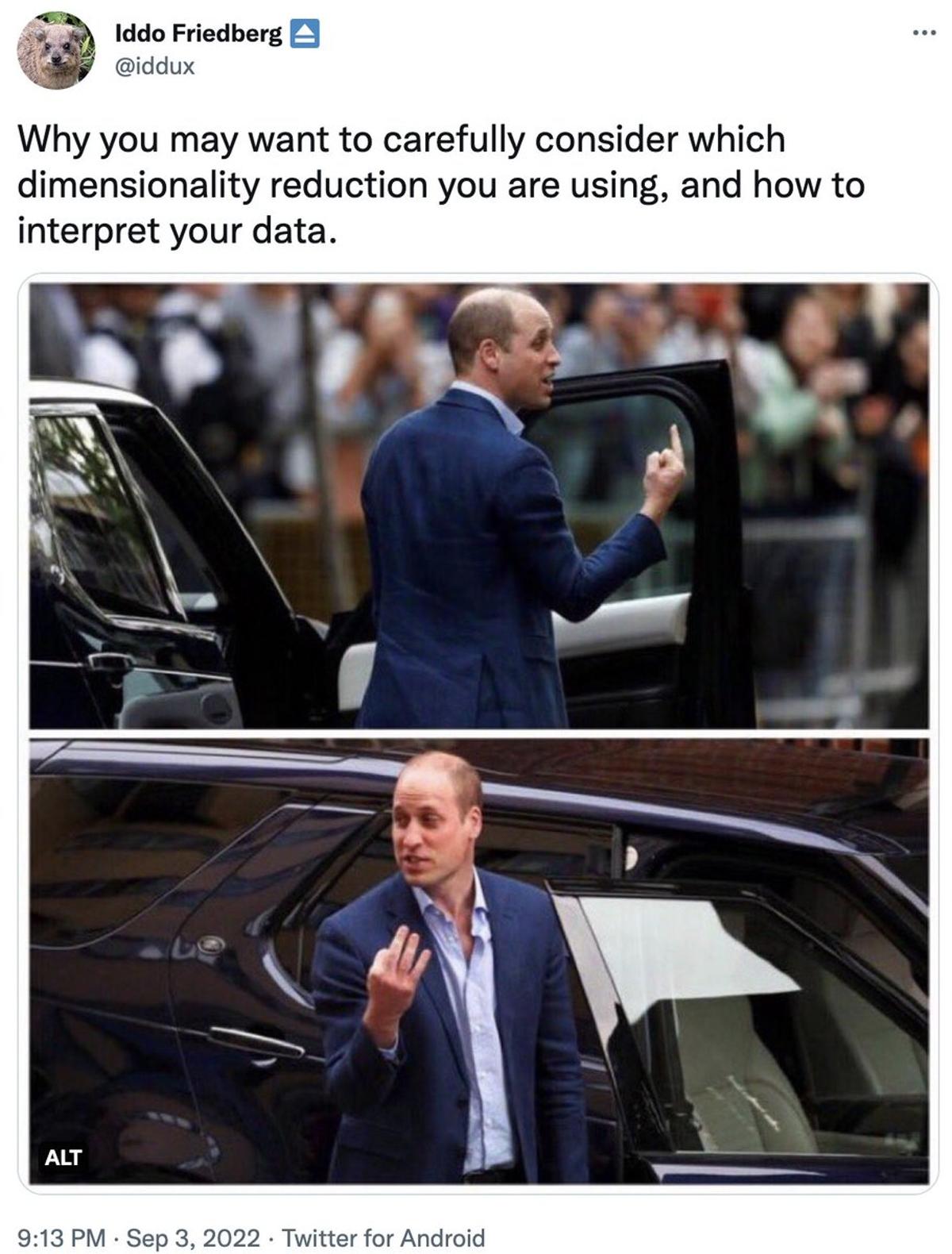
UMAP Plots Can Mislead—Read Single‑cell Data Wisely
1/ That UMAP plot you’re staring at? It might be lying to you. Let’s talk about why dimensionality reduction can mislead, and how to read your single-cell data without fooling yourself. 🧵 https://t.co/UArMjpZNuU
Quality Control: The Key to Stunning Plots
1/ You want beautiful volcano plots. Striking heatmaps. Big discoveries. But before the analysis, comes one boring step you can't skip: QC. It’ll save your science. 🧵 https://t.co/PBnehqINrR
Check Public Data First, Save Time and Resources
1/ Stop before you run that experiment. Ask yourself: Could public data already answer my question? Because there’s a goldmine out there. 🧵 https://t.co/ZZVICPVaeD
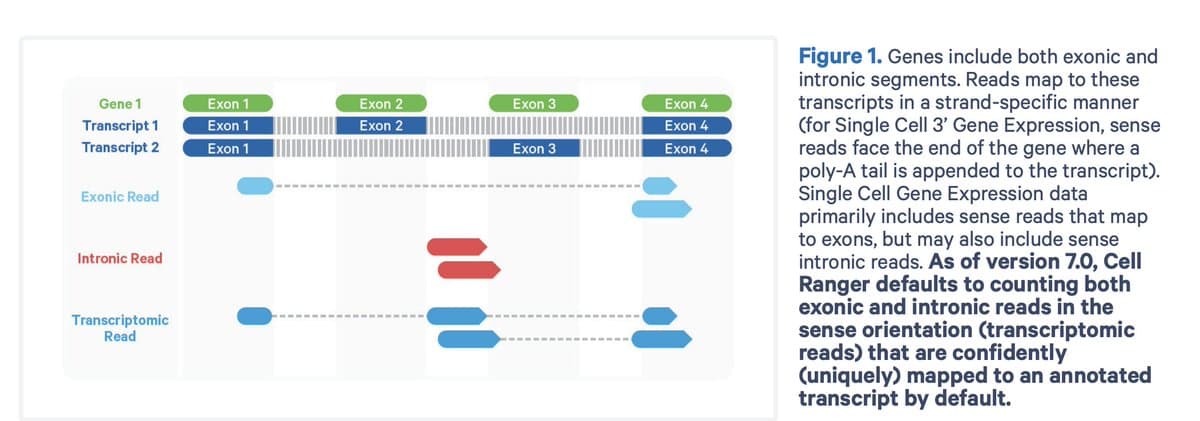
Intronic Reads in 10x scRNA‑seq Reveal Hidden Biology
You’re analyzing 10x Genomics single-cell RNA-seq and notice lots of intronic reads. Wait—wasn’t this a 3′ UMI-based assay for mature mRNA? Let’s unpack why introns show up—and why they matter. 🧵 https://t.co/tbfkhNDmtQ
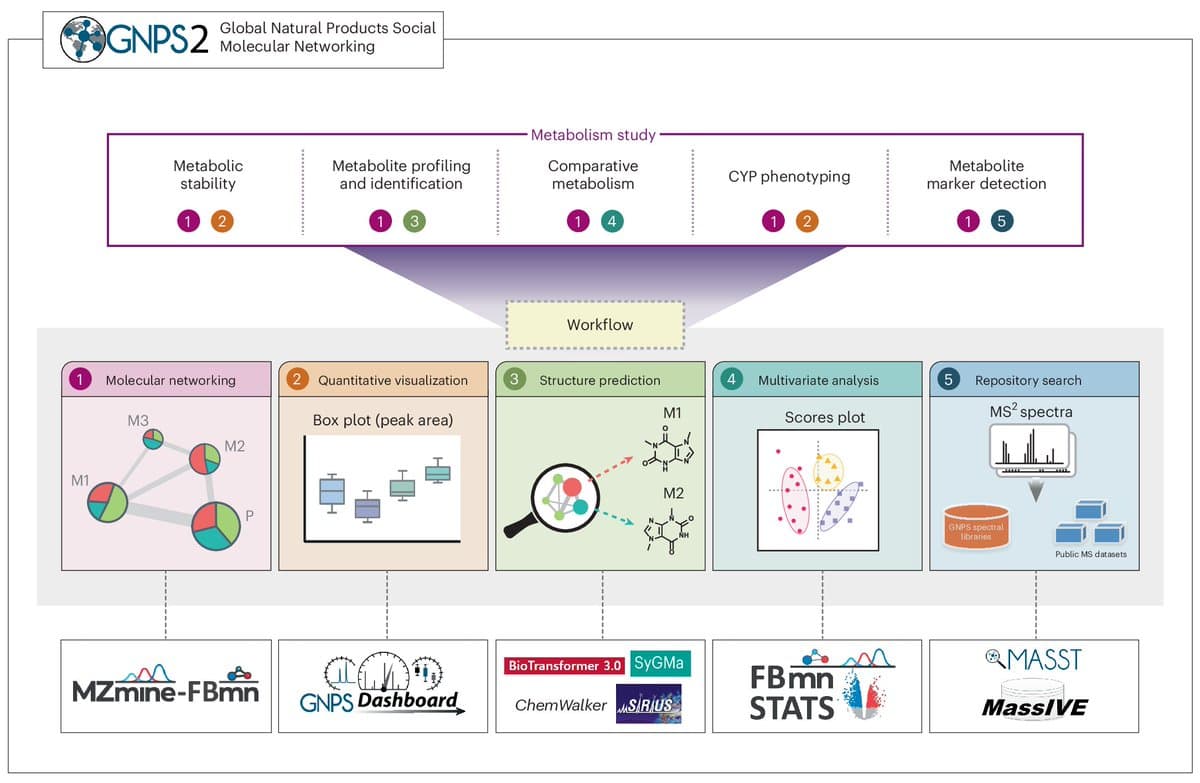
GNPS2 Enables Comprehensive Drug Metabolism Toolkit
Nature Protocols: A versatile toolkit for drug metabolism studies with GNPS2: from drug development to clinical monitoring https://t.co/lEejrO6gXT https://t.co/qlybcRgD9V
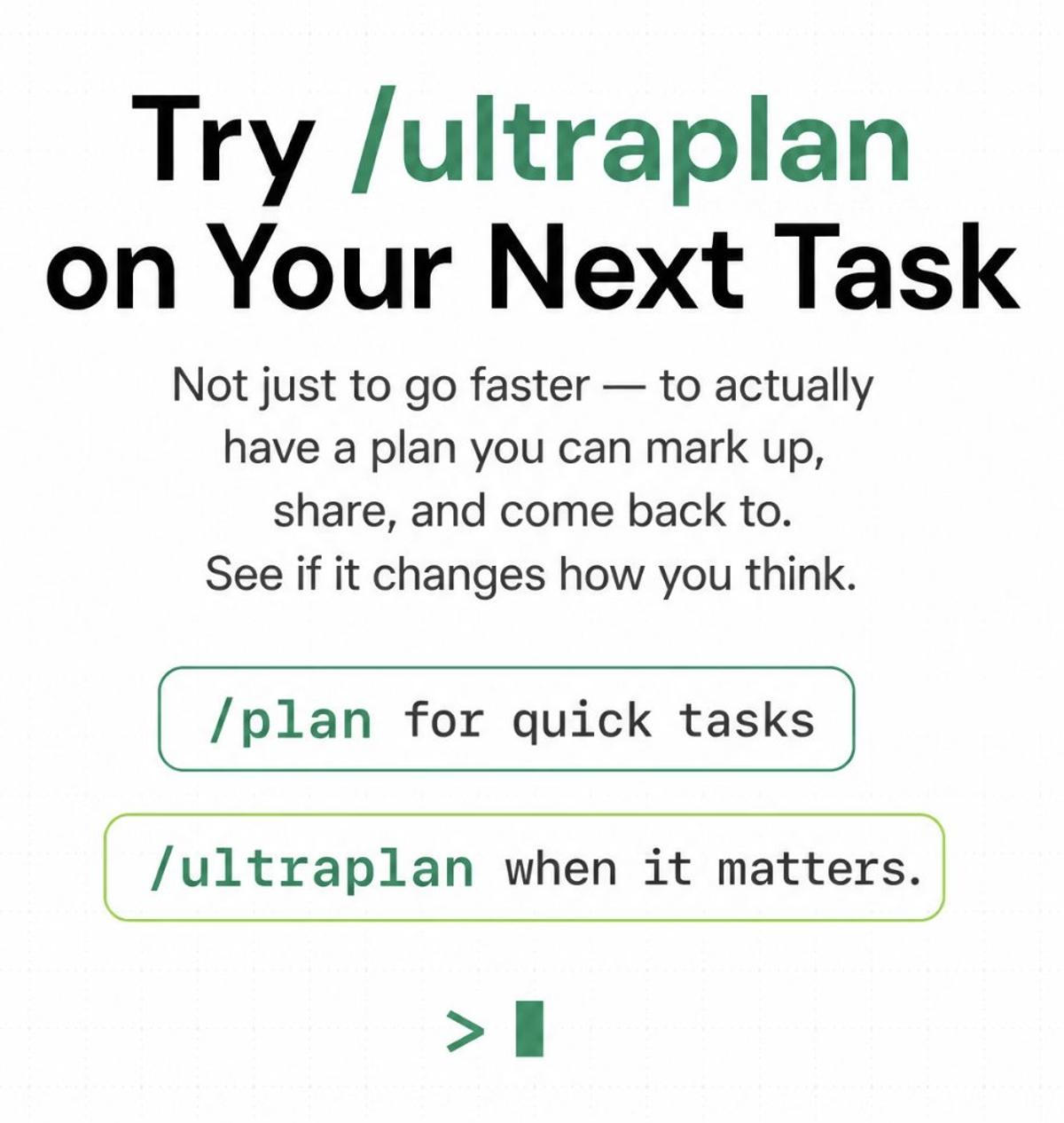
Claude Code's /Ultraplan Transforms Workflow, Not Just Speed
Claude Code's /ultraplan is one of the AI feature in a while that actually changed my workflow instead of just speeding it up. btw, I always use /plan for a new task. /ultraplan is different. https://t.co/ihnxhDyj7m
Claude Code's Ultrareview Redefines Code Review, Not Just AI Feedback
Claude Code shipped /ultrareview and almost nobody is talking about what's actually new about it. It's not "AI reviews your code." We had that.
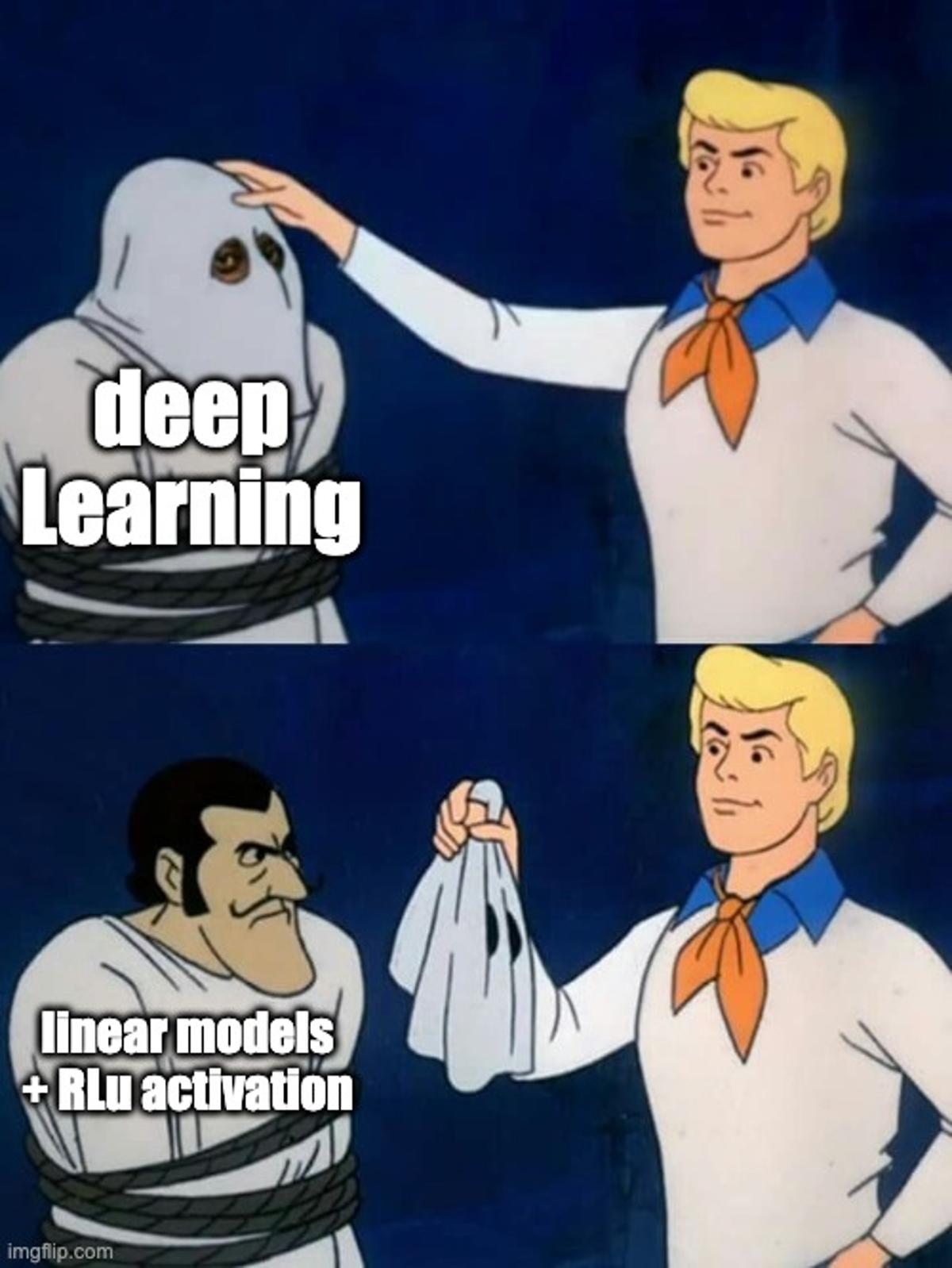
DNNs: Linear Foundations, Non‑Linear Realities
1/ “Deep neural networks (DNN) are just glorified linear models.” You’ve probably heard this. But let’s be honest: it’s both true… and completely wrong. https://t.co/WENhcwUmDH
Sample Swaps Silently Corrupt Bioinformatics Results
Sample swaps are the silent killer in bioinformatics. Your results look clean—but are you sure you're analyzing the right samples? https://t.co/w0H0hvYzHB
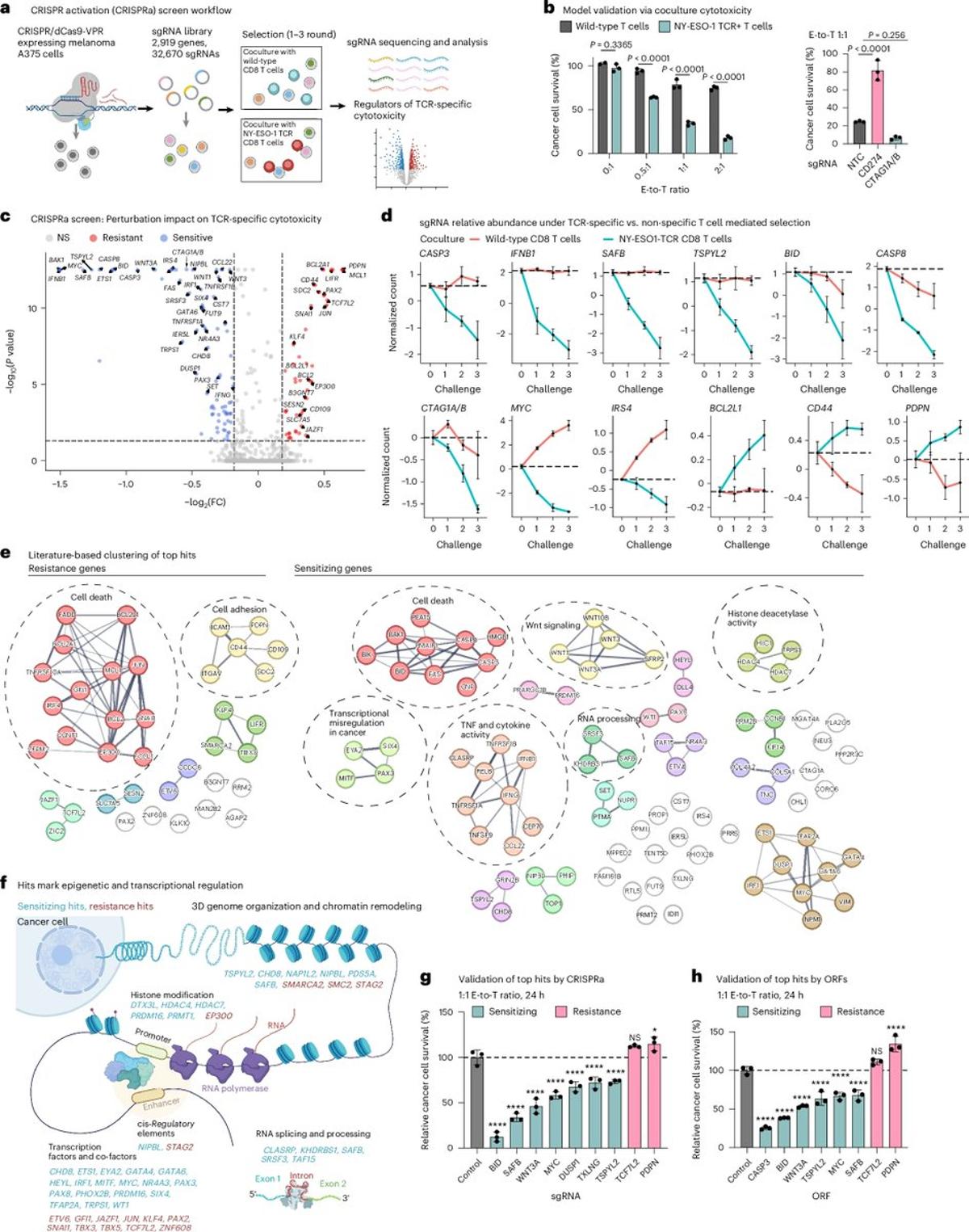
CRISPR Screens Reveal RNA Targets that Boost T‑cell Killing
High-content CRISPR activation screens identify synthetically lethal RNA-based mechanisms to sensitize cancer cells to targeted T cell cytotoxicity https://t.co/gi3hEvoi9V https://t.co/njFRebLRVo
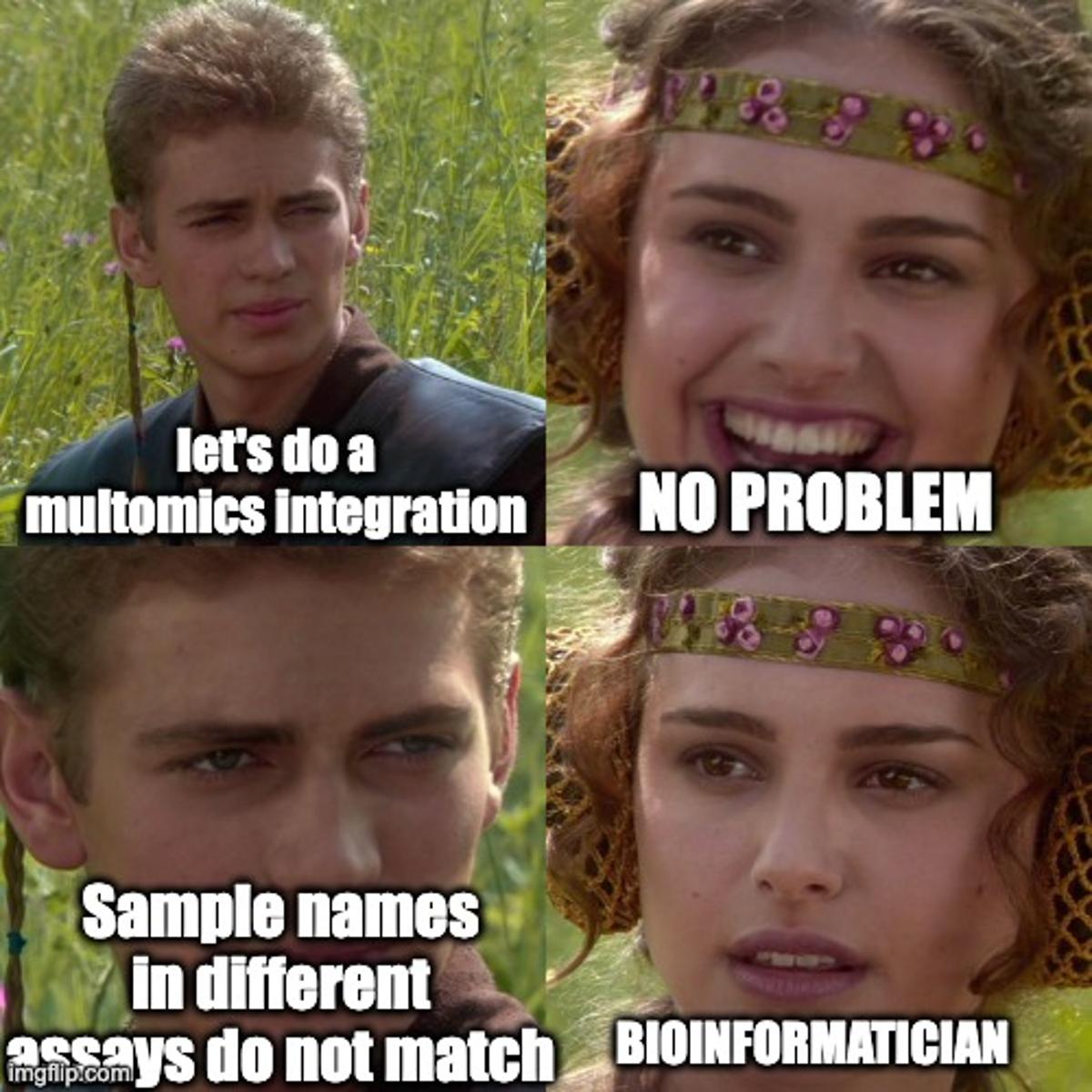
Stop Wasting Hours Matching Sample IDs Across Assays
1/ How many hours do bioinformaticians lose matching sample IDs across assays? Too many. And it’s avoidable. Let’s talk about why this happens—and how to stop it. https://t.co/wxR6DIMzPv
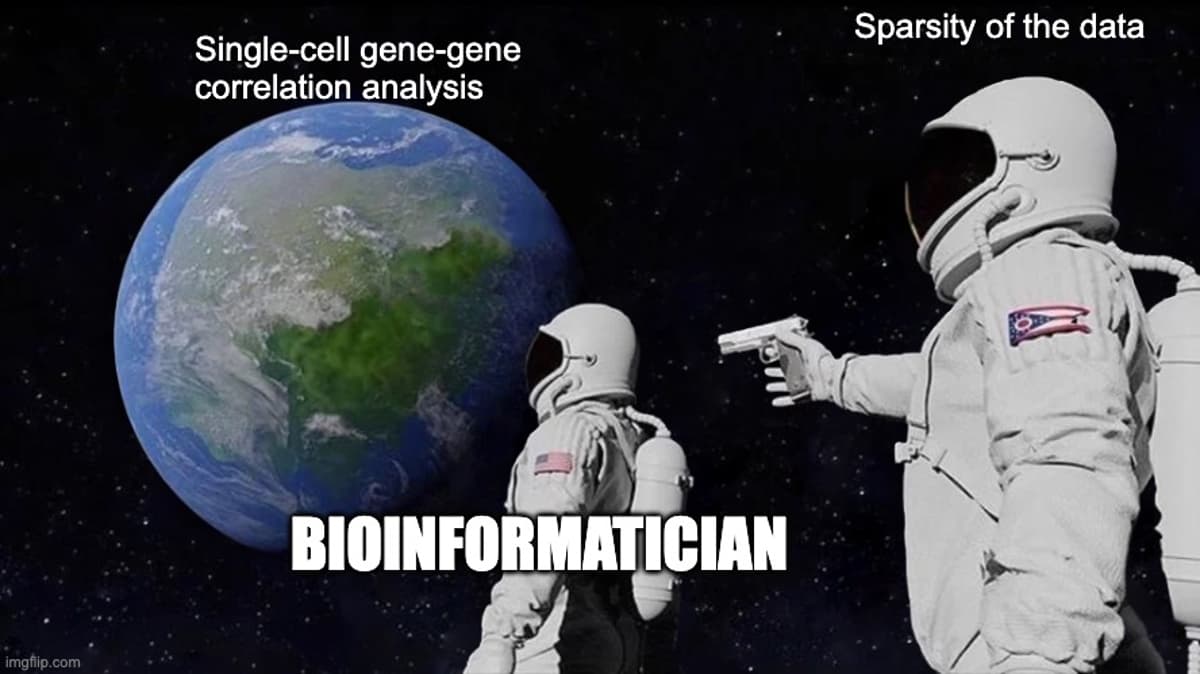
Check Gene A–B Co‑Expression in Your Single‑Cell Data
1/ You have a clear question: Is gene A and gene B co-expressed in my cell type of interest? You feel ready. You have single-cell data. https://t.co/9ET61foUET
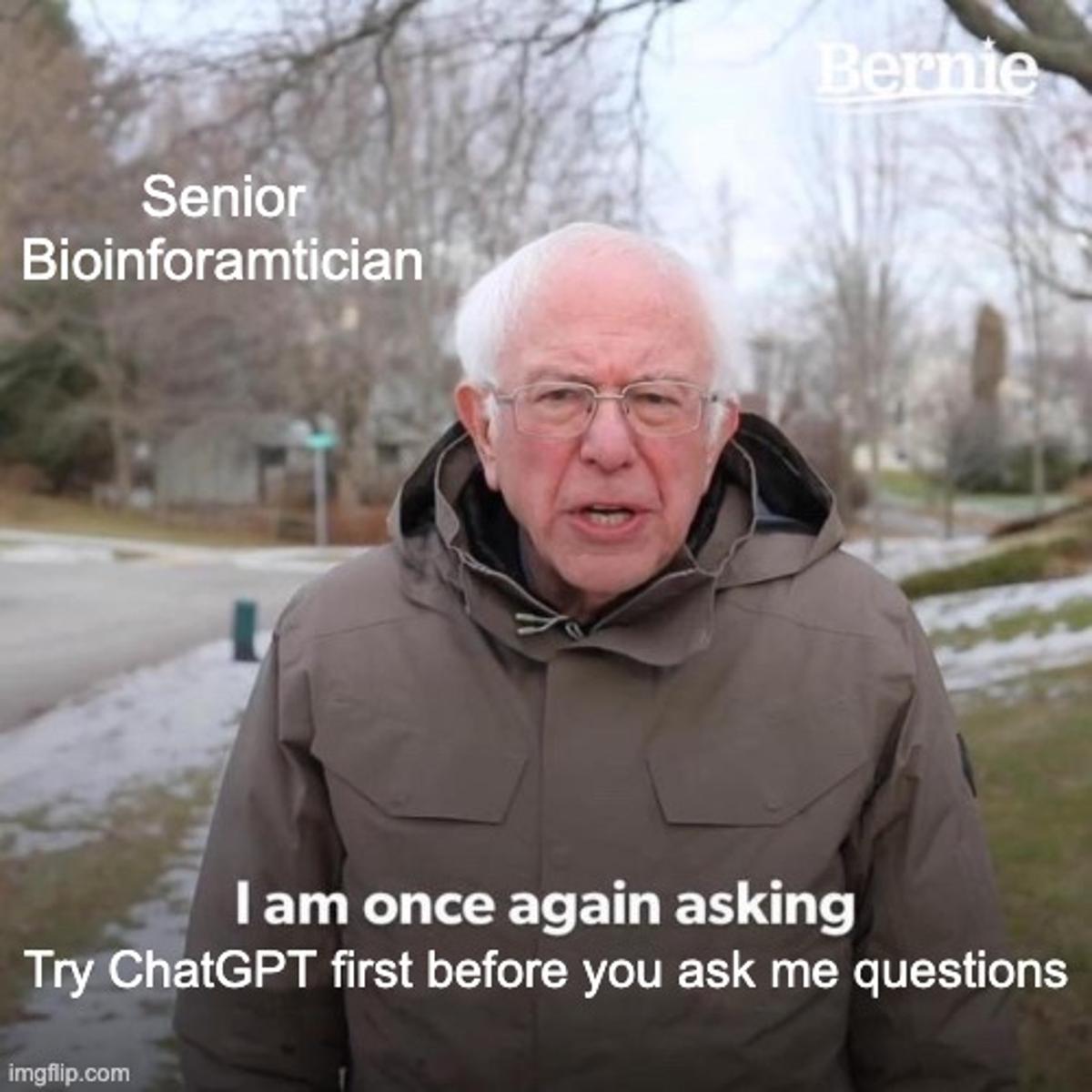
Biologists Leveraging AI Will Outpace Those Who Don't
1/ AI won't replace you. But a biologist using AI will. Especially in bioinformatics, where the questions never stop coming. https://t.co/VYCu5ukfCT
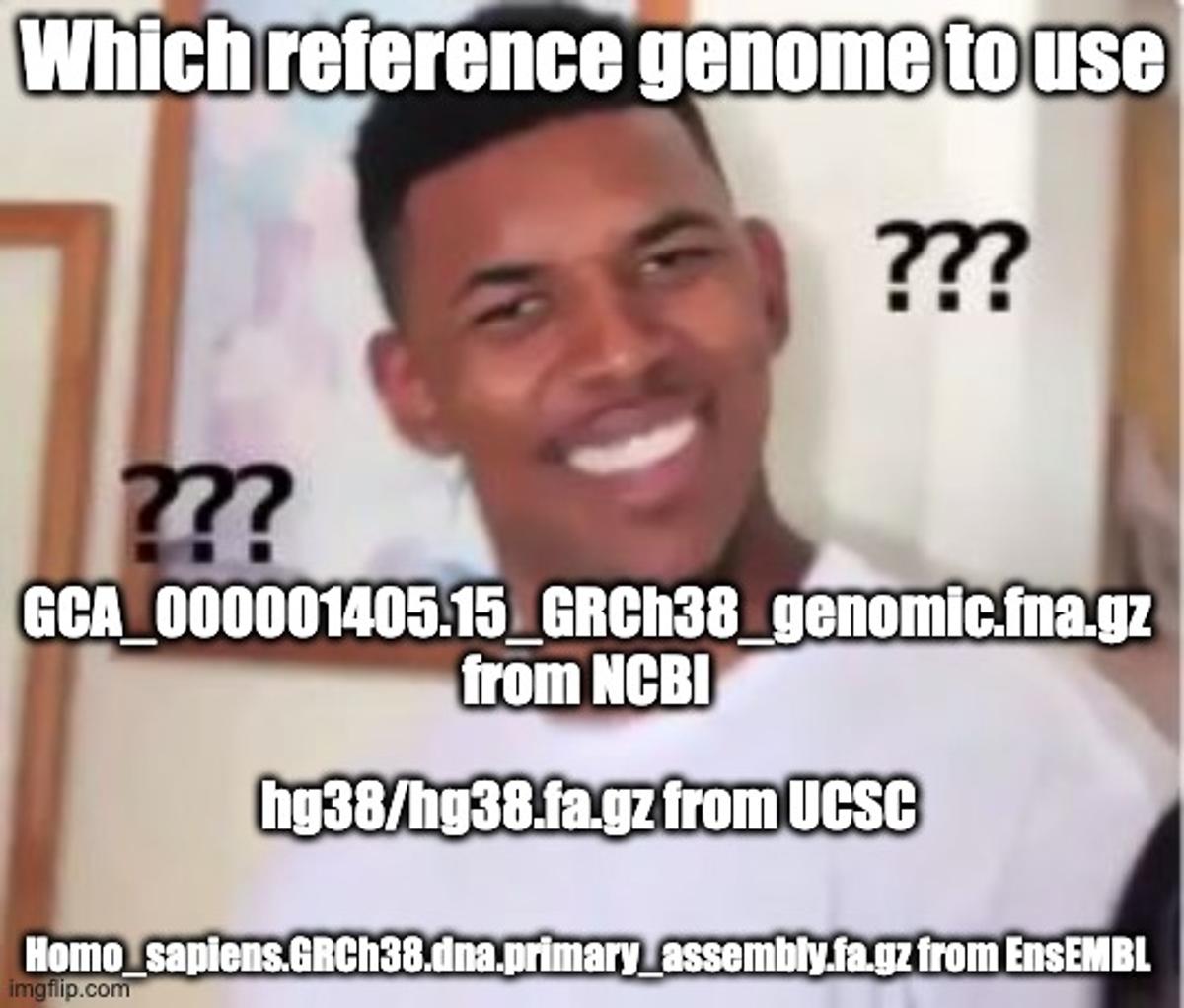
Choosing a Reference Genome Stalls Bioinformatics Before Coding
Bioinformatics is hard before you even write a single line of code. Here's why. 1/ You haven’t started your DNA-seq analysis. You haven’t aligned a read. And yet you’ve already hit a wall. Which human genome to use? https://t.co/nAj5MOqEFm