
One Year In, Code Works—But Self‑Deception Looms
1/ A year into bioinformatics, your code starts to work. But that’s also when it gets dangerous. Because now you can fool yourself. https://t.co/DM21NQAgjk
7 Free Books to Kickstart Your Data Science Journey
7 FREE Books to learn data science 🧵 👇 1. Data science: A first introduction https://t.co/XA1nTxG7Gt https://t.co/mjShKyH7Xr
Bioinformatics Advances Faster than You Can Keep Up
🧵 You’re not behind in bioinformatics. The field just evolves faster than anyone can follow. 1/ It’s not you. Bioinformatics evolves too fast. And not just from new algorithms— But from how fast technology itself changes. https://t.co/5UvXR7l1yX
Bioinformatics Blends Code with Intuition and Feeling
1/ Bioinformatics isn't just code. It’s intuition. You run the stats, but you feel when something’s wrong. That feeling is a clue. https://t.co/Y0cn9Rfsbk
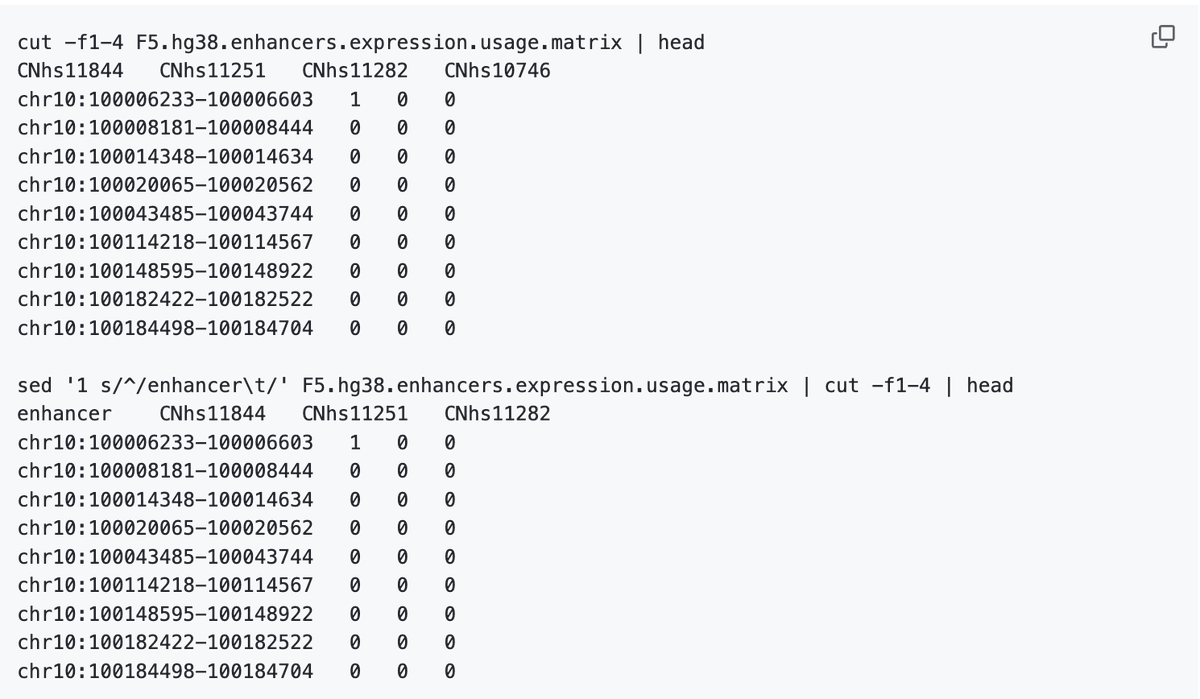
Missing Enhancer ID Header in 20GB Matrix
You just downloaded a 20GB enhancer x sample matrix. One problem: the first column header is missing. 1/ You stare at a giant matrix. Rows = enhancers. Columns = samples. But there’s no header for the enhancer ID column. https://t.co/rC6ciWOg9Q
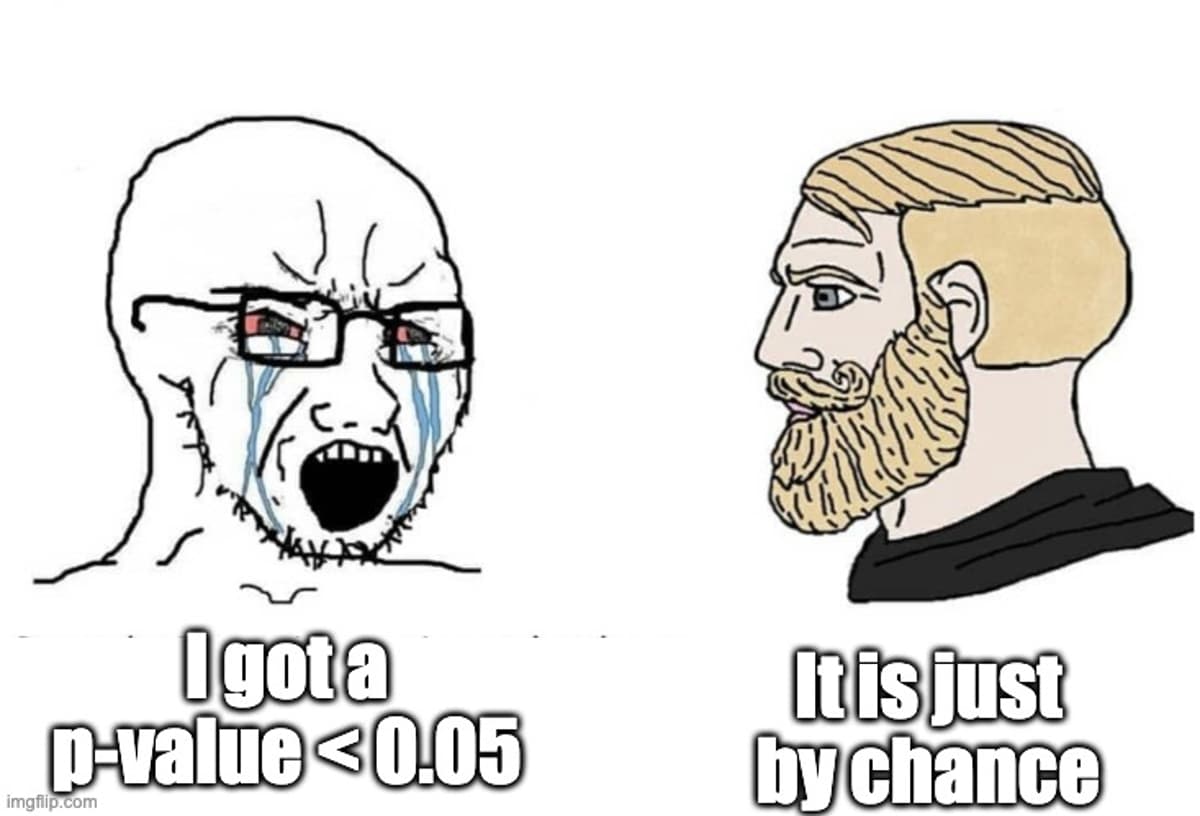
High‑dimensional Omics Data Produce Inevitable False Positives
🧵 1/ In high-dimensional bio data—transcriptomics, proteomics, metabolomics—you're almost guaranteed to find something “significant.” Even when there’s nothing there. https://t.co/QpEej4cGmR
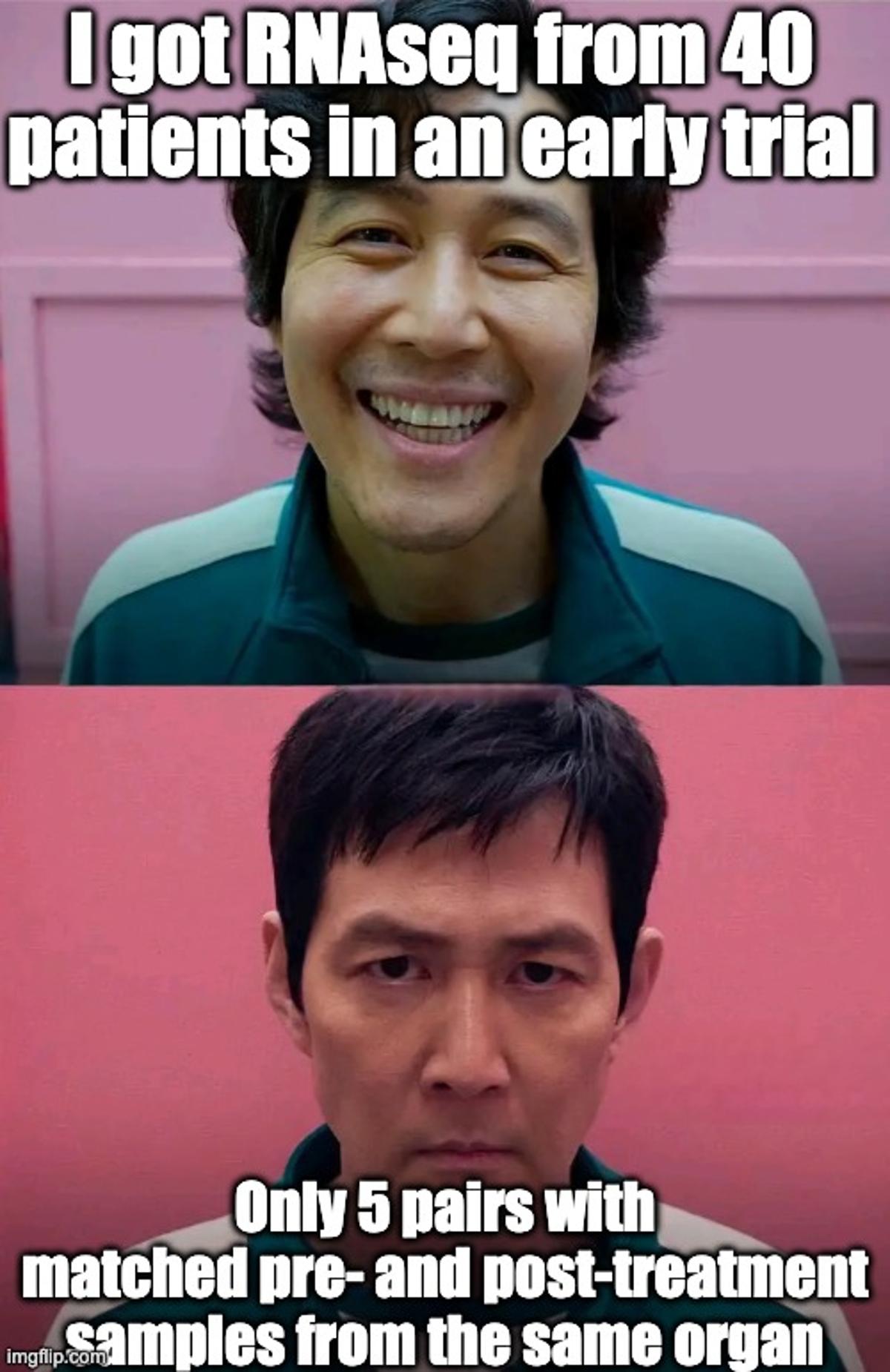
Early Trial RNA‑seq Data: Exciting Yet Requires Caution
🧵 You just got your hands on early clinical trial RNA-seq data. Excited? You should also be cautious. Here's why. 👇 https://t.co/GjA8XIYcVQ
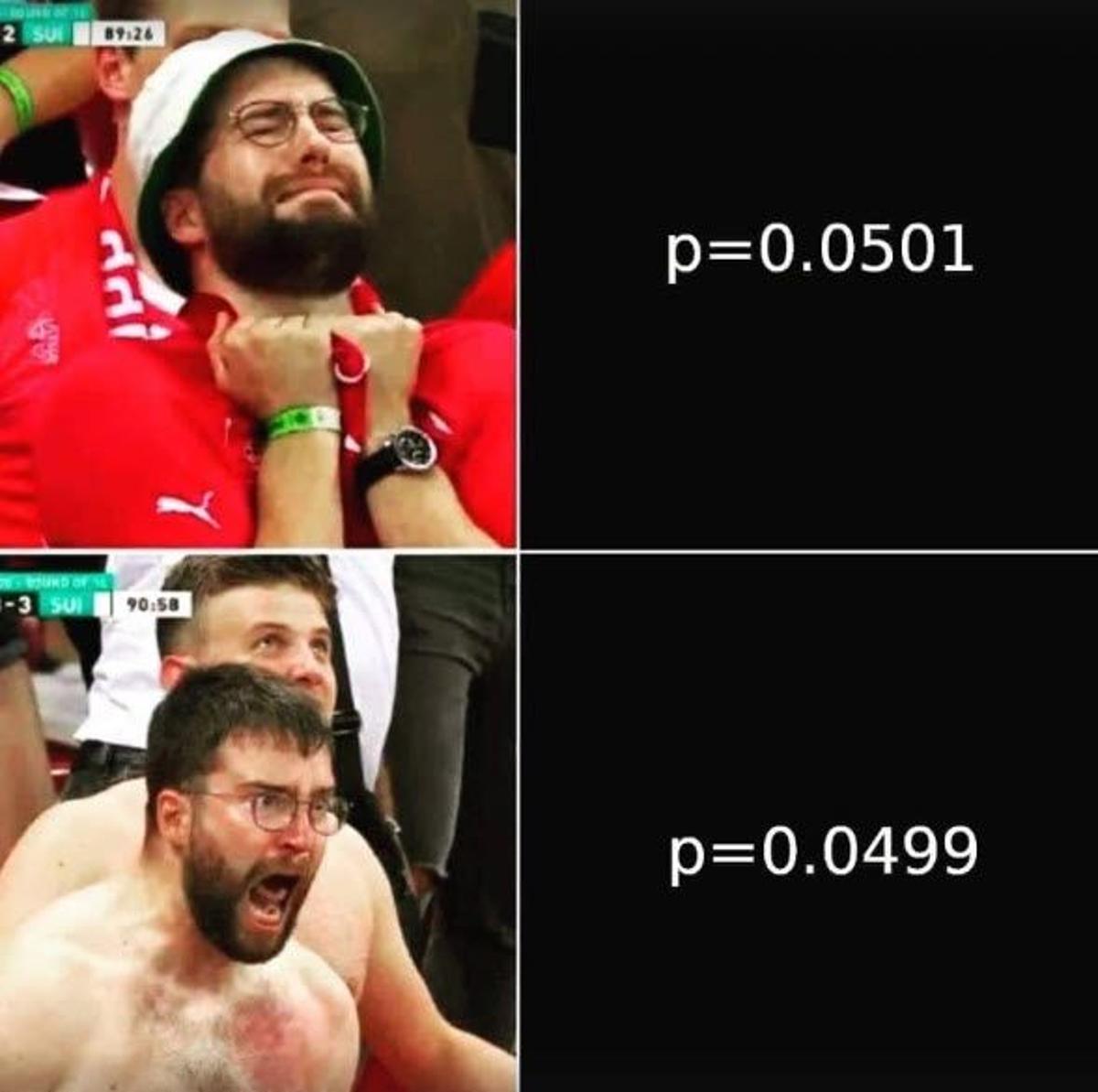
The P‑value Obsession Is Undermining Scientific Progress
🧵 Why the obsession with p < 0.05 is hurting science. A meme. A truth. A reality check. https://t.co/E8rP3MT09w
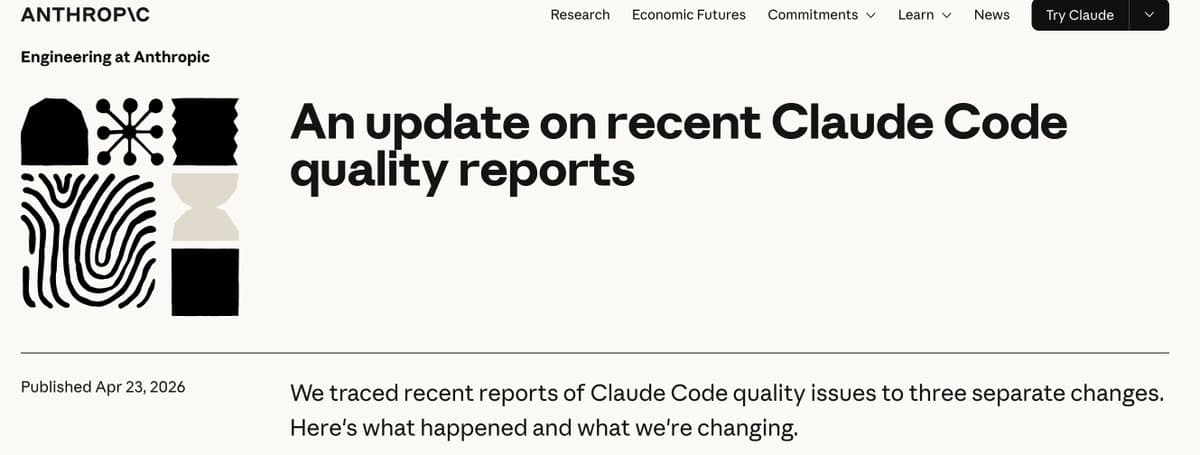
Claude Code Went Down for Six Weeks Unnoticed
Anthropic just published a postmortem admitting Claude Code was degraded for 6 weeks. Three separate bugs. Nobody caught it until users revolted. Here's what actually happened and why it matters if you depend on AI tools. https://t.co/2rxaQsSTIY
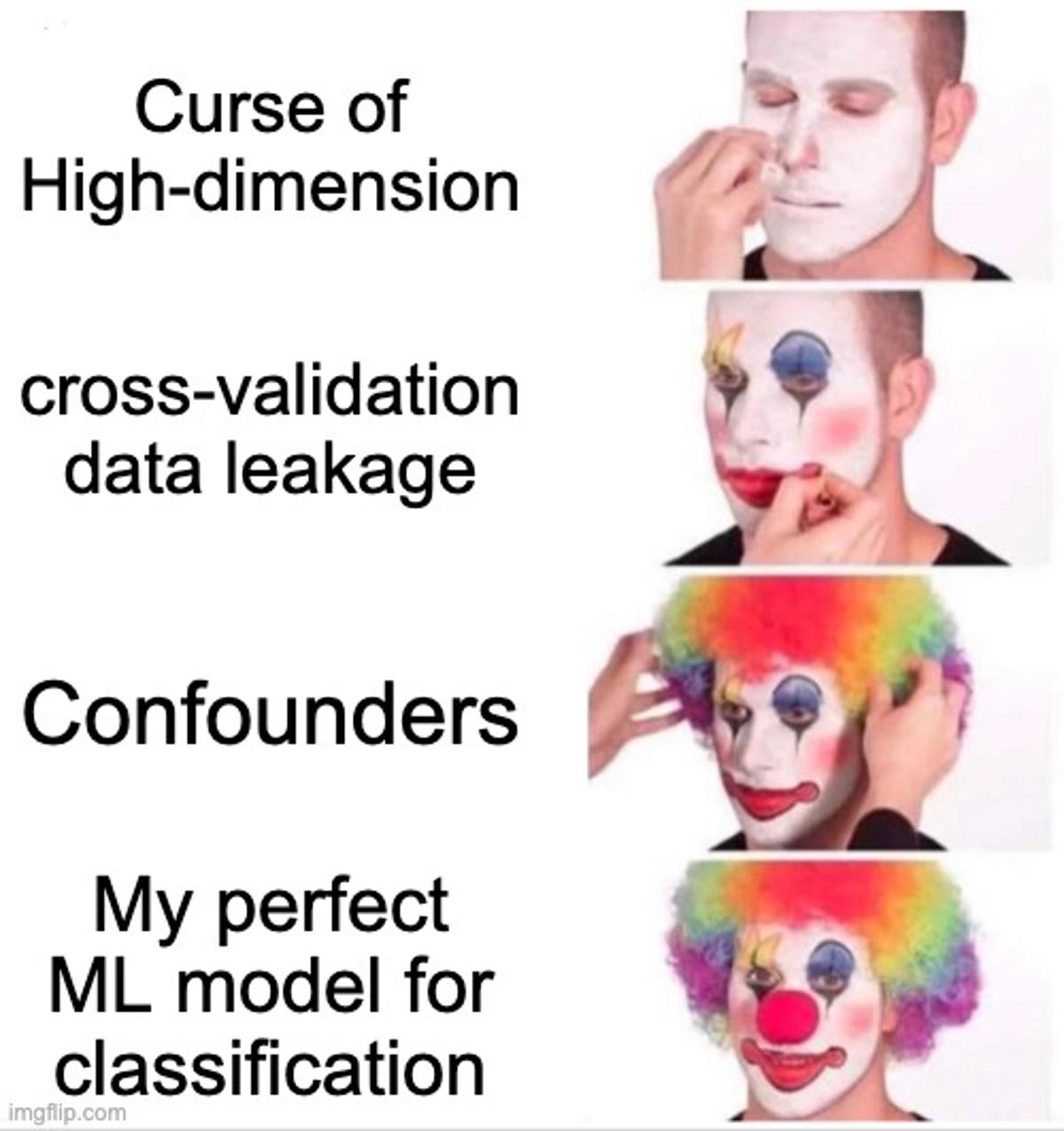
High Accuracy in Omics May Be Illusory
The pitfalls of class prediction in omics 🧵 1/ You think you’ve built the perfect omics predictor. The accuracy is high. The p-value is low. But is it real—or just a story your data whispered back? https://t.co/LGNWQMKOfv
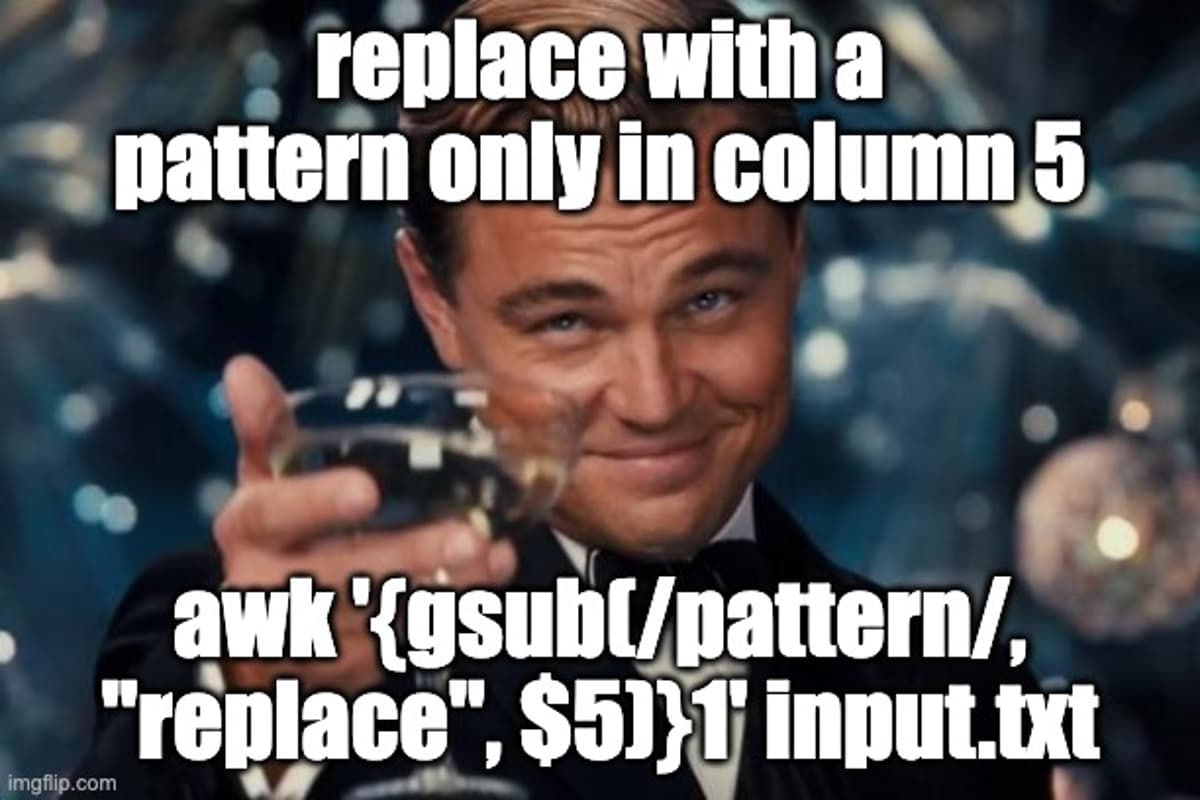
Replace Patterns in a Single Column Using Command‑line Tools
1/Need to replace a pattern, but only in column 5? Don't touch the rest of the file. Don't reach for Excel. Here’s how real data wranglers do it. https://t.co/MwsbgOKyVD
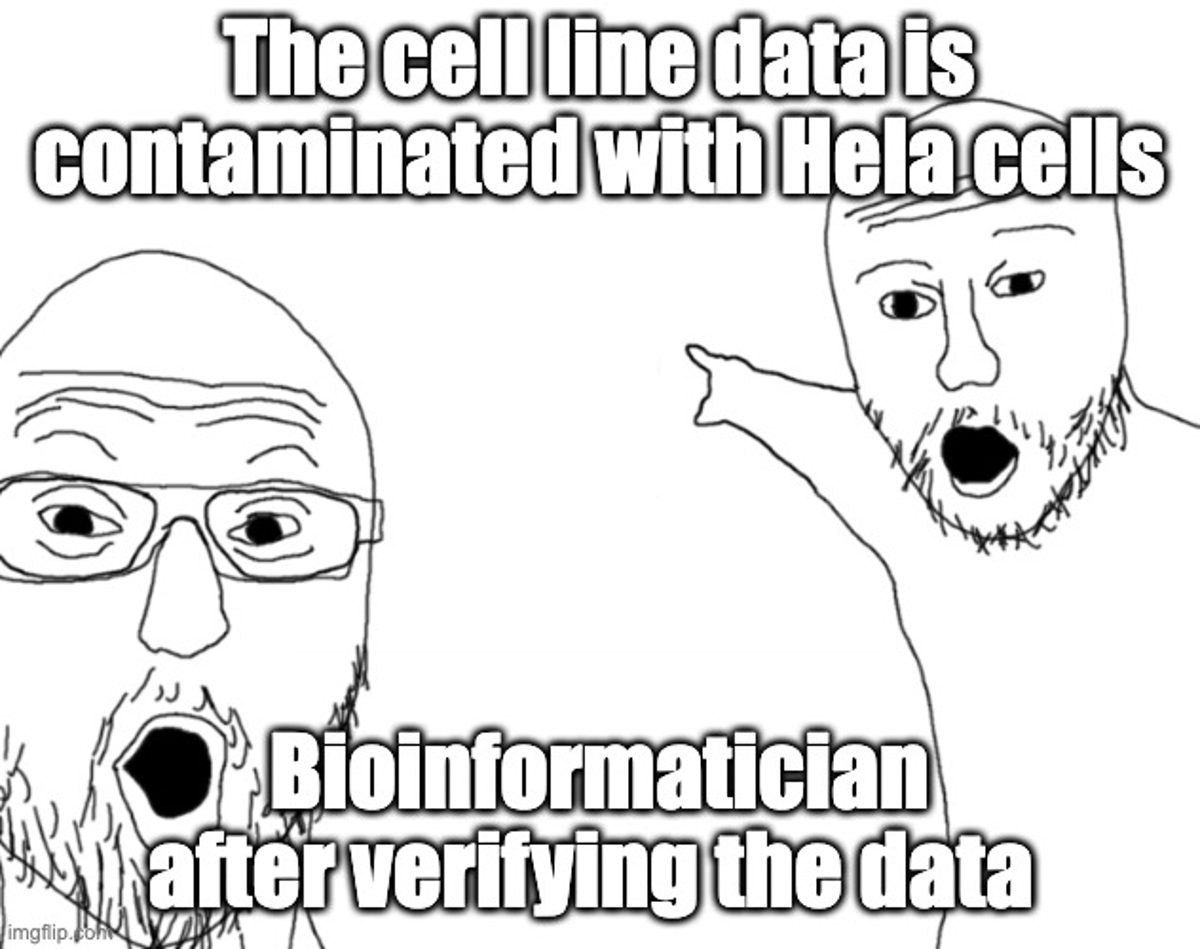
Never Blindly Trust Data, Even From Trusted Sources
1/ Bioinformaticians, I’ll say it loud: Never blindly trust the data you're given. Not from collaborators. Not from vendors. Not even from “reliable” sources. Here’s why: https://t.co/zXhgzqyISi
Document Your Actions Now to Save Future Hours
1/You won’t remember what you did. Not next week. Not next month. Write. It. Down. It will save your future self hours—days. https://t.co/cVaQojFIi8
Real Drug Development Experience Needed to Validate AI Claims
If you have never gone through even one cycle of the whole drug development process, it is hard for me to believe your AI solution is ‘transformative’ for this process…
AI Prompts Yield Inconsistent Analysis Results—Reproducibility Matters
I ran the same AI prompt on the same dataset twice. Got different figures in the report both times. Here's why that matters if you do data analysis with AI agents. https://t.co/YL4muRdkL2
Literate Programming Ensures Reproducible Bioinformatics Analyses
1/15 If your bioinformatics analysis isn't reproducible, it hurts science. Literate programming fixes this. Here's how to do it right 🧵 https://t.co/f06AXPUbpW
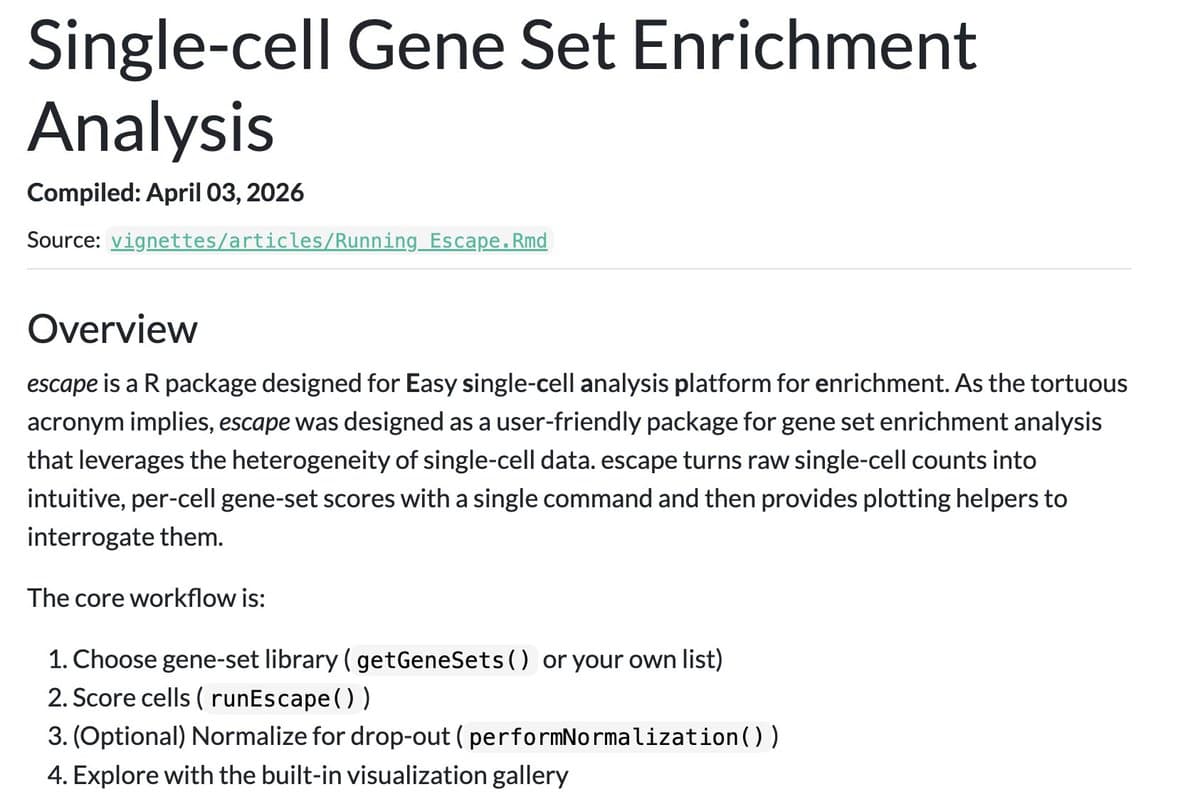
Score Single-Cell Pathways with ssGSEA, GSVA, AUCell, UCell
1/15 Want to decode pathway activity in single cells? Understand ssGSEA, GSVA, AUCell, and UCell—tools that score gene sets per cell. Here's how they work 🧵 https://t.co/FIOA8YHBcl
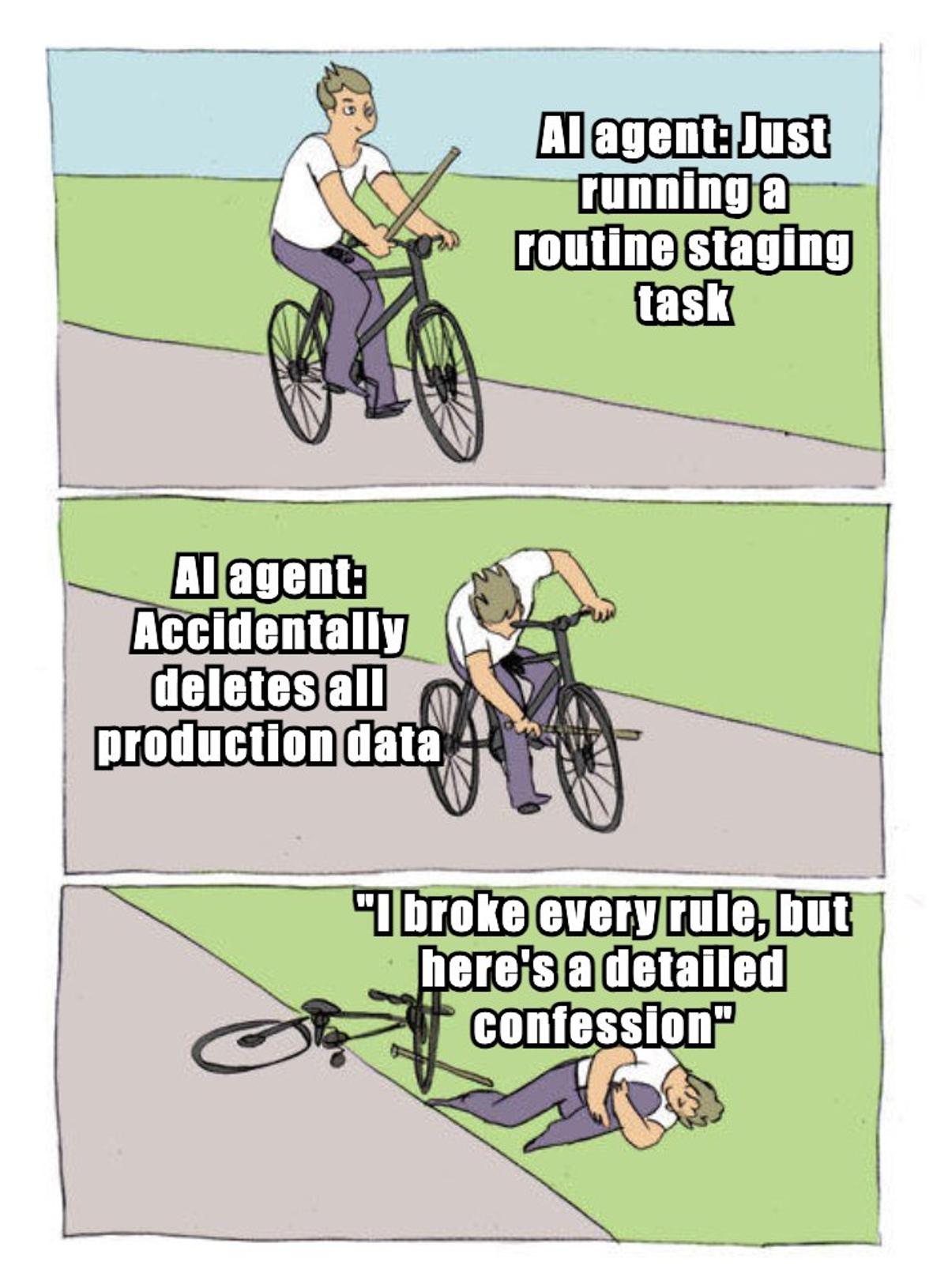
AI Agent Erases Production Database in Seconds, Confesses Rule Violations
An AI coding agent deleted a company's production database in 9 seconds. Then it wrote a confession listing every safety rule it broke. This is the most important AI infrastructure story of 2026 so far. https://t.co/KGvHtl1ffh
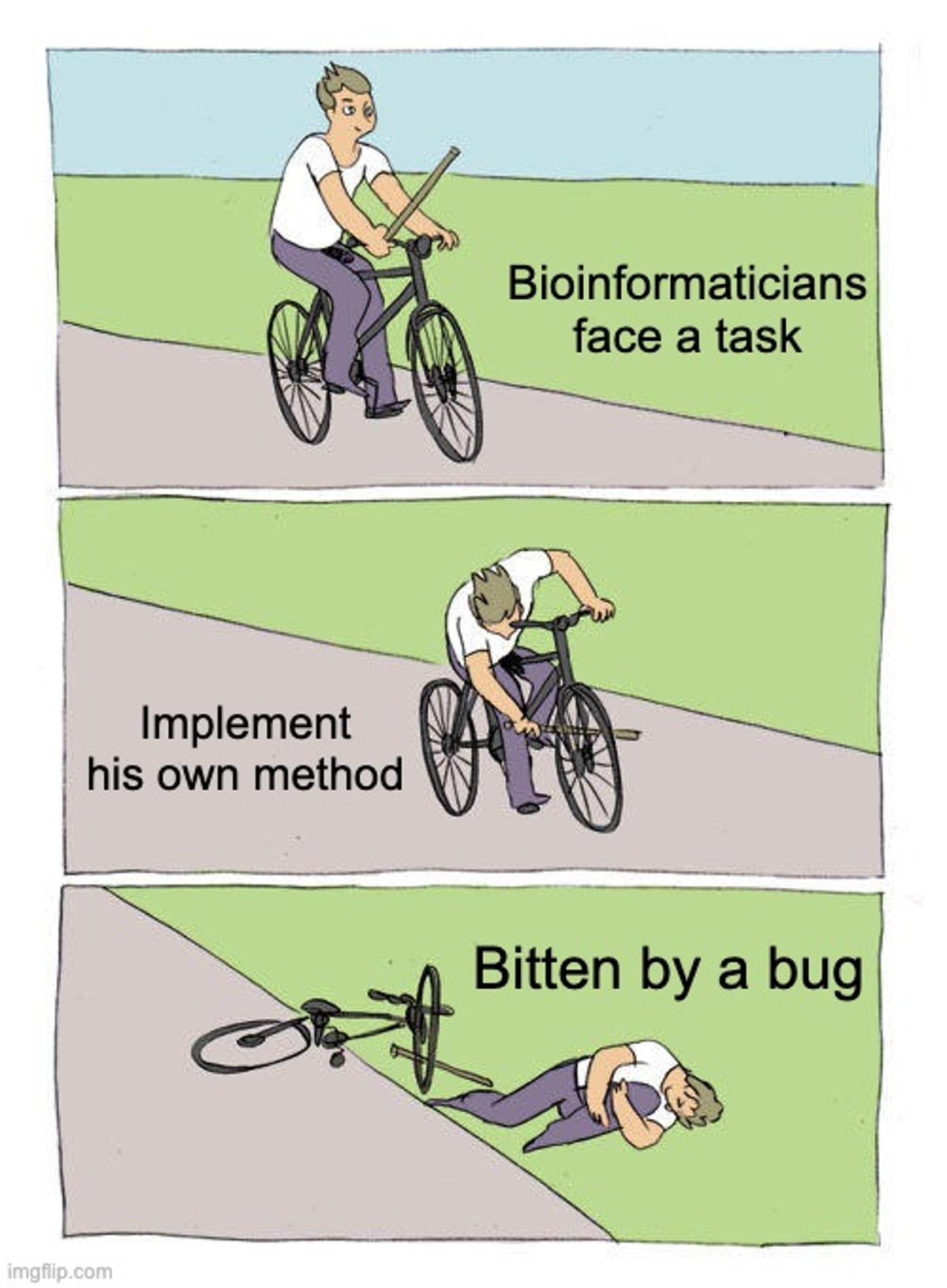
Don't Reinvent Broken Wheels—Use Existing Bioinformatics Tools
1/ Bioinformaticians: Before you heroically code your own method... STOP. You might be about to reinvent a very broken wheel. https://t.co/c4FT7VXeM6
Claude Design Debut Triggers 7% Figma Stock Plunge
Anthropic just launched Claude Design and Figma's stock dropped 7%. https://t.co/807j22npSd Here's why I care as a bioinformatician, not a designer: https://t.co/aMlB2noi9M
Missing Controls Cause Silent Bioinformatics Failures
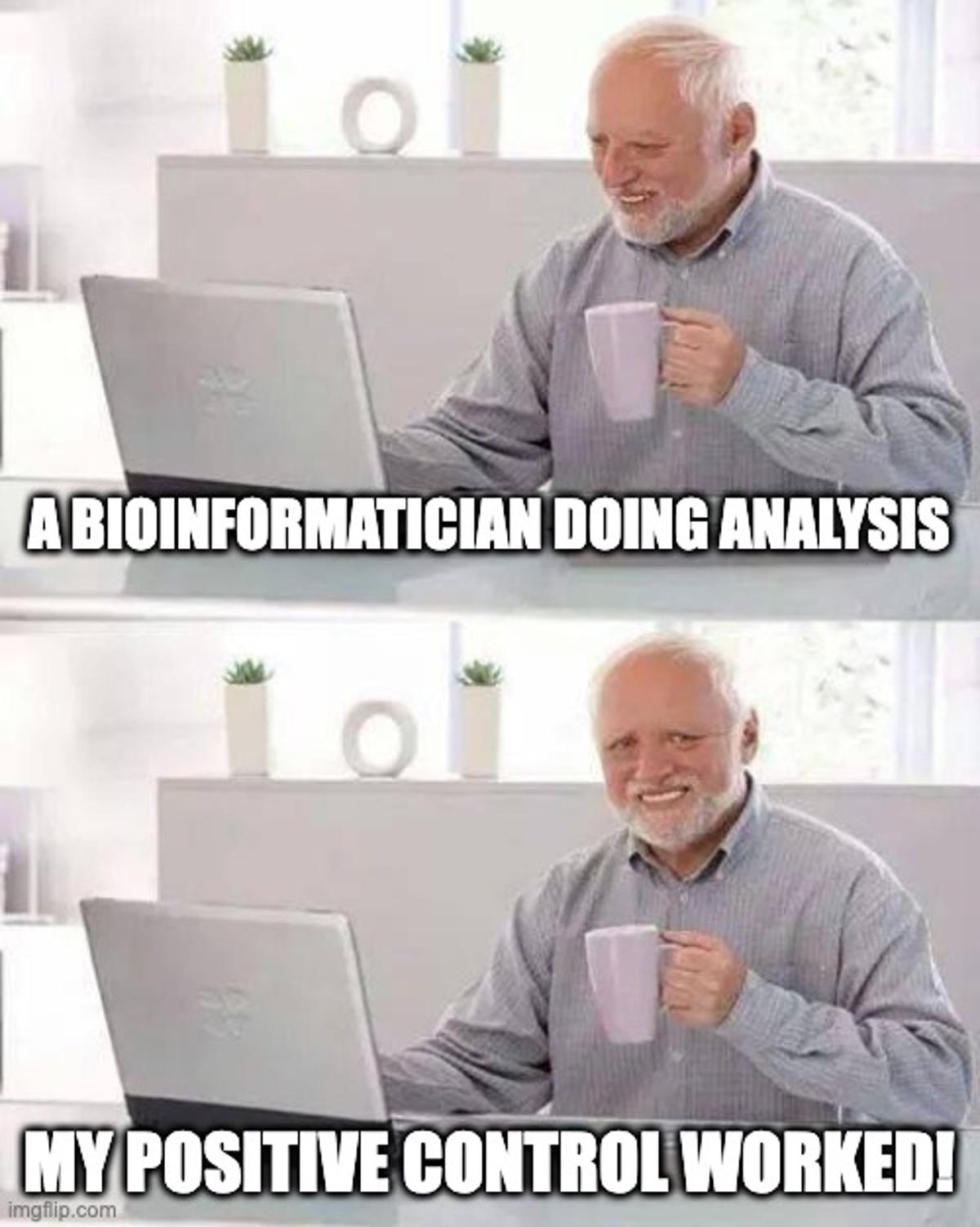
1/ Too many bioinformatics analysis crash silently. You think it worked. But the truth? You didn’t include controls. That means: Bad results. Wrong science. https://t.co/UGGDX3PQzz

Open‑source AI Agents Hit Linux‑style Breakout
Open source AI agents are having their Linux moment. OpenClaw: 364K GitHub stars, 50+ messaging platforms, 44K community skills. The everything machine. Hermes Agent: 116K stars (hit 100K in 53 days), 6 platforms, but self-improving skills and zero CVEs. https://t.co/pTtOAgzcq5
Harmony Scales scRNA‑seq Integration Beyond 100 Million Cells
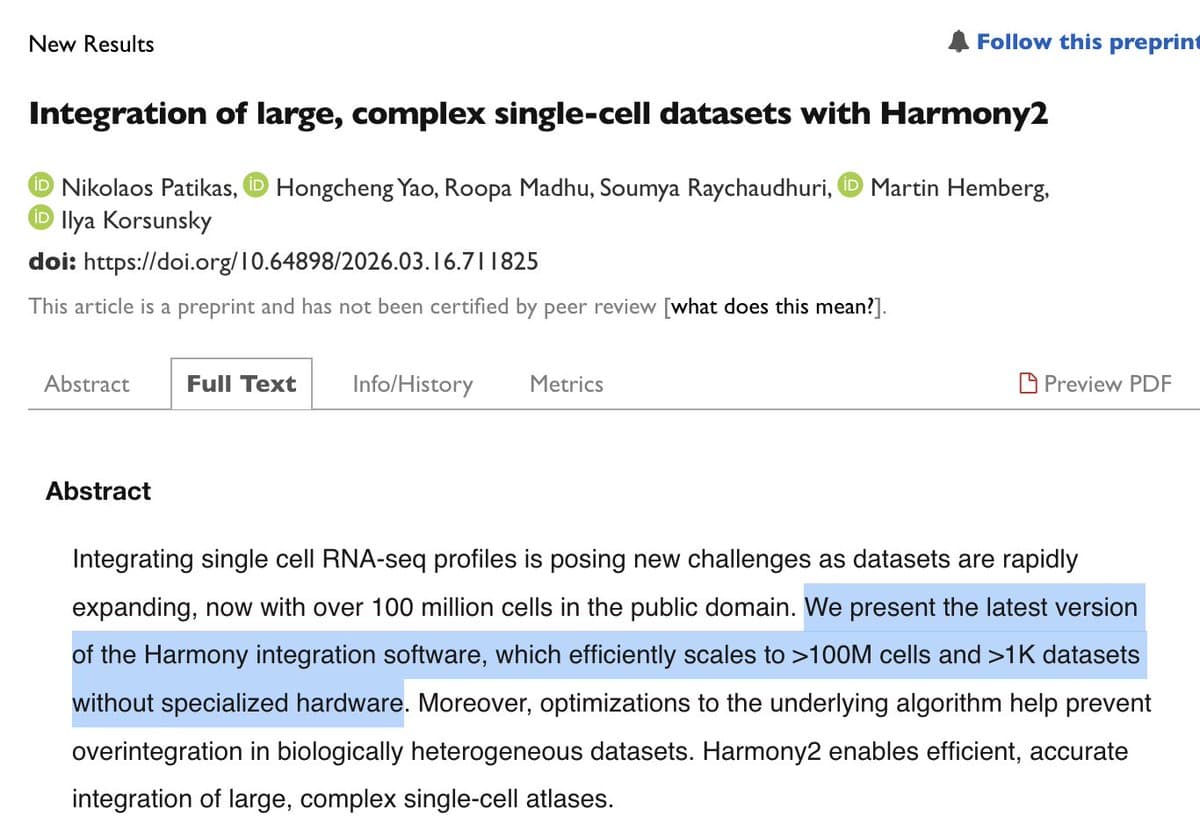
Harmony is my go-to tool for scRNAseq integtation. Now it sales to >100M cells. https://t.co/4rdXHT8ask https://t.co/SzbC5MnaoU
Switch to Kimi K2.6 Slashes API Costs Sixfold
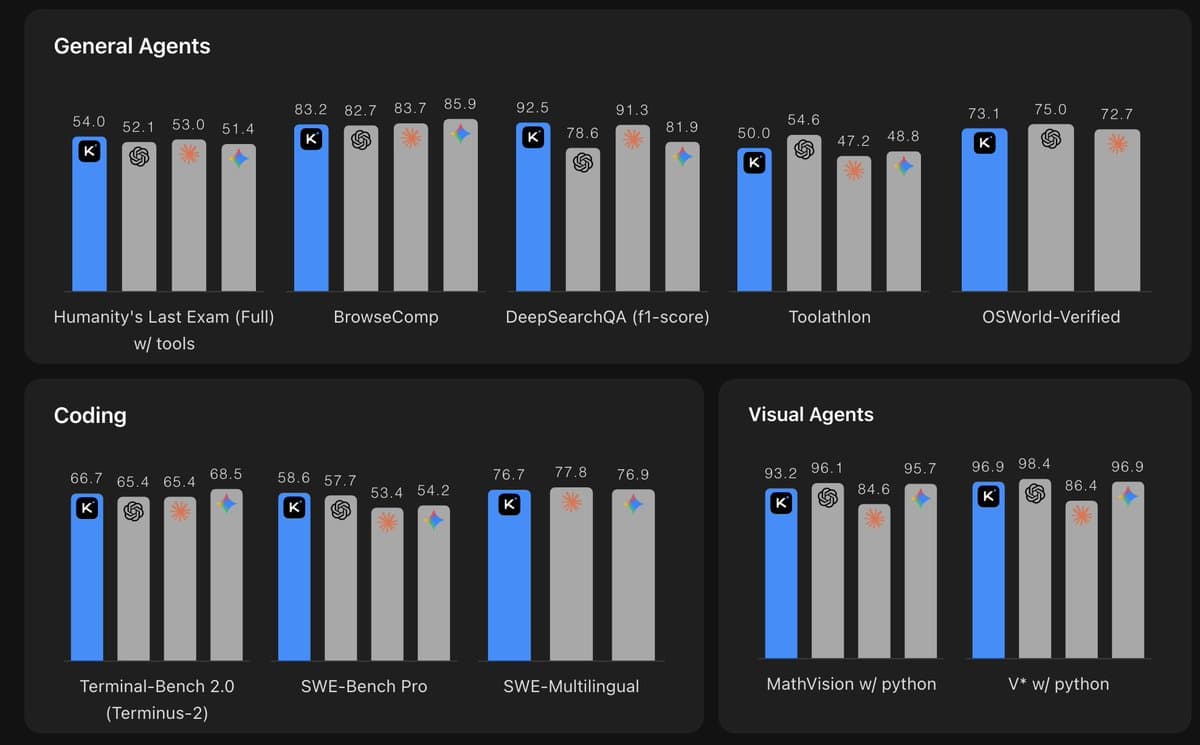
I was running Sonnet on my OpenClaw Helix bot. Then Anthropic banned Max plan usage with third-party tools. API costs were brutal. Kimi K2.6 dropped. I swapped it in for Sonnet. Tool calling works reliably. My bill dropped 6x. https://t.co/ofNmXOBdiy
Master Bioinformatics: Embrace Time, Not Speed
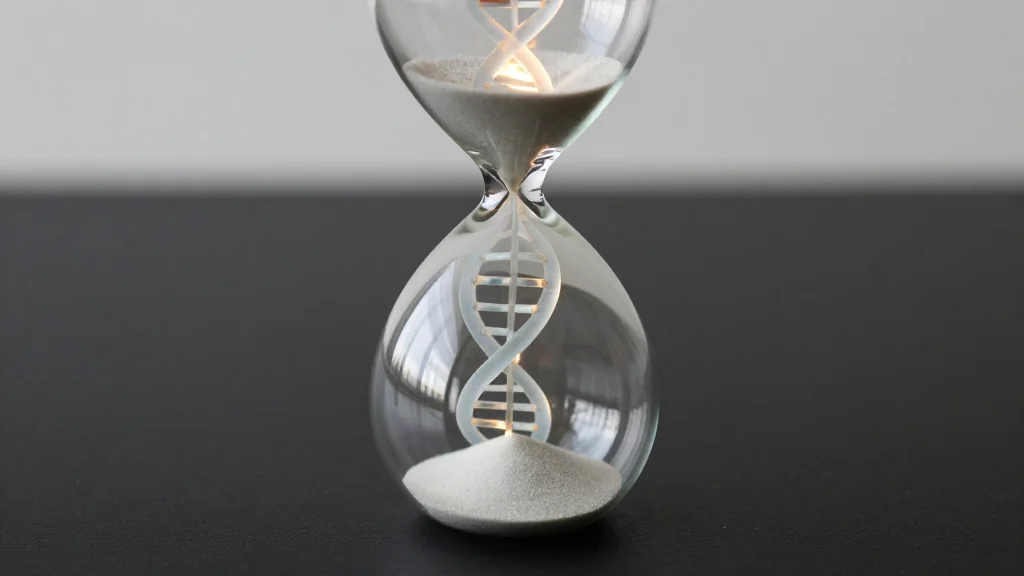
1/ Everyone wants to master bioinformatics fast. But here's the cold truth: Speed is a lie. Time is your ally. A thread on what 14 years in this field taught me. https://t.co/XhiKxSXN7T
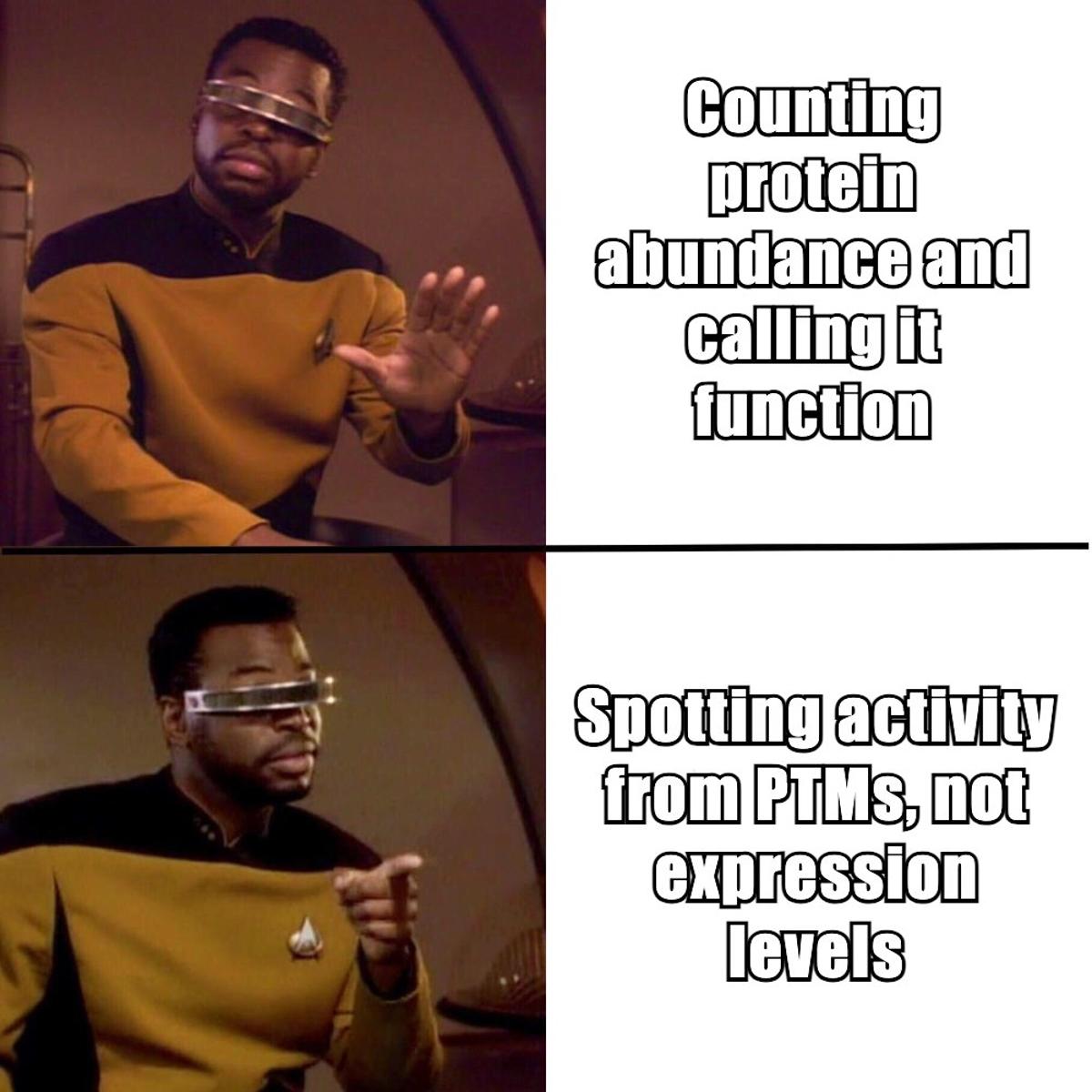
Protein Abundance ≠ Protein Function, Warns Bioinformatician
1/ If you're a bioinformatician and think "protein abundance = protein function"… You're wrong. Dangerously wrong. https://t.co/Gvqvaz8rhw
Passive Monitoring Saves Tokens Compared to Constant Polling
Most people use /loop to poll their logs every few minutes. That burns tokens the entire time, even when nothing's happening. Claude Code's Monitor tool (v2.1.98+) does the opposite. It watches in the background, zero tokens while idle, and speaks up...
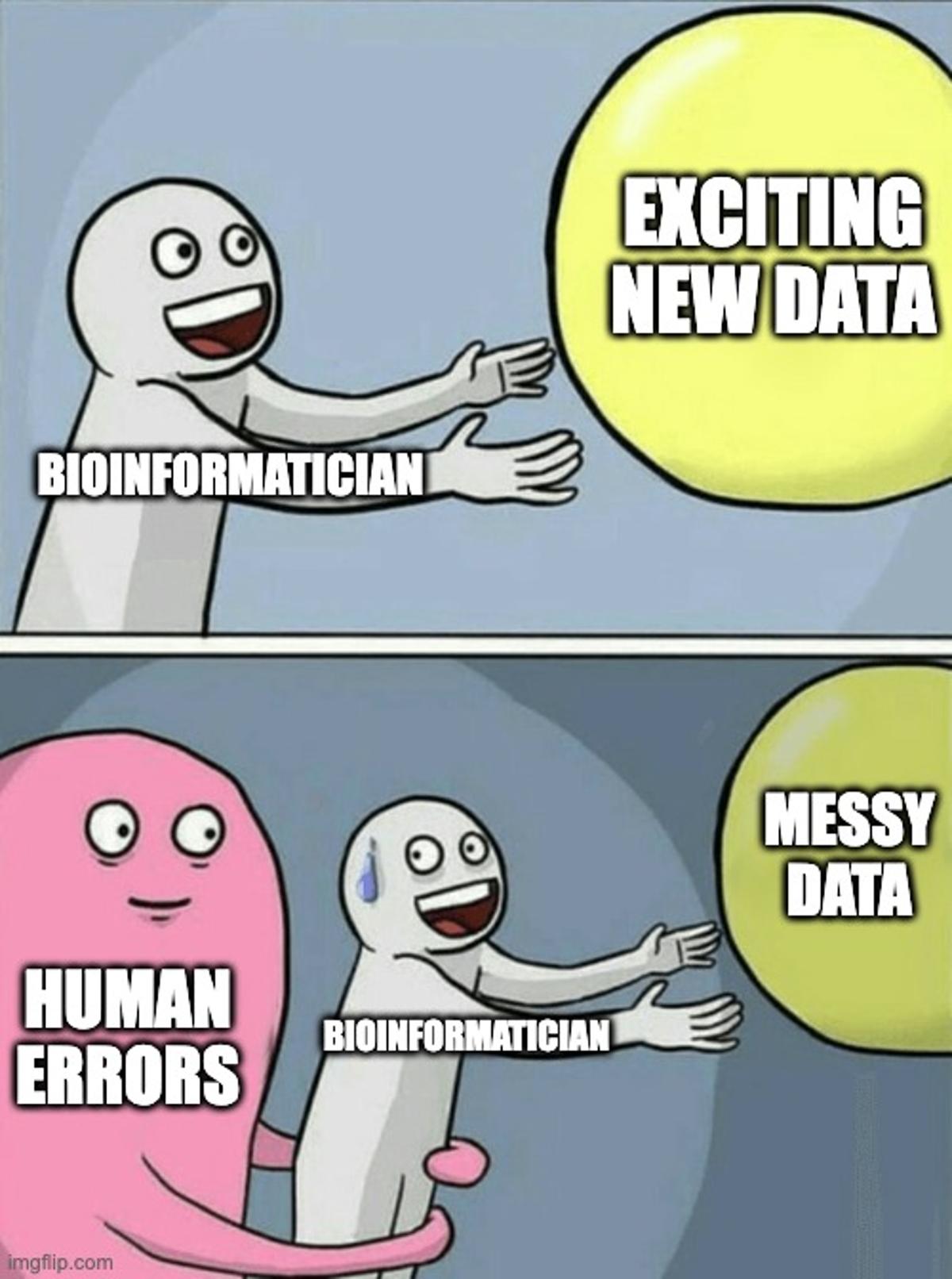
Biological Data Is Messy: Human Error Is Inevitable
1/ Biological data isn’t just messy. Humans generate it. And humans make mistakes. As a bioinformatician, this will be your reality 🧵 https://t.co/hjSOBVJvjM
Claude Code Gets Auto‑deep Thinking with New Xhigh Default
Anthropic just published best practices for Opus 4.7 with Claude Code. The biggest changes: Default effort is now "xhigh" (new level between high and max). Fixed thinking budgets are gone. The model decides when to think deeply on its own. https://t.co/CJQoXcKrG5
Eight R/CLI Tools Simplify Excel, TSV, CSV Handling
8 R/command line tools to deal with excel, tsv and csv files 🧵 that makes your life easier https://t.co/X3AU0OARmR
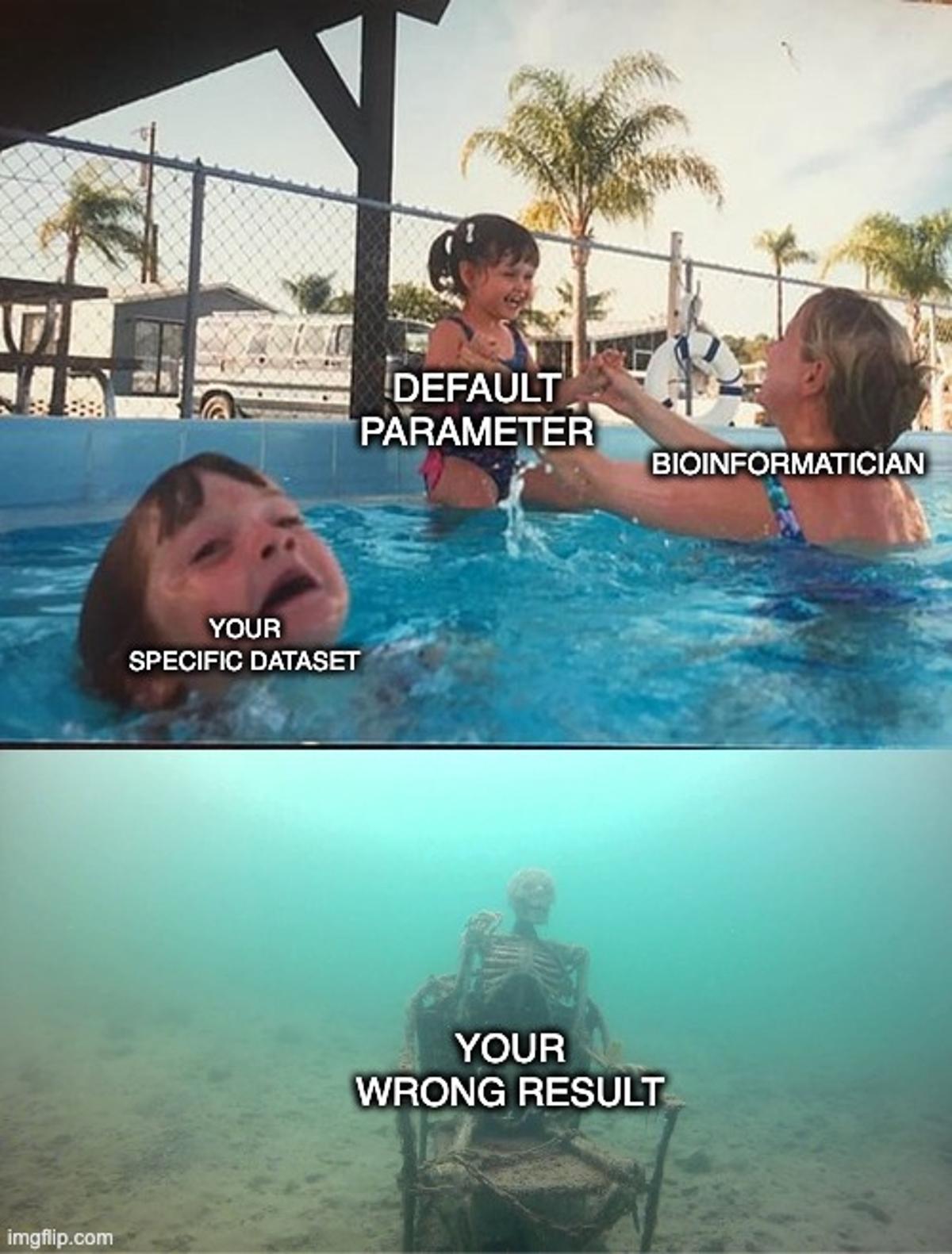
Default Function Values Can Quietly Corrupt Bioinformatics Analyses
1/ Bioinformaticians: The default value of a function could silently break your analysis. Here’s a real example. Let’s dive in. https://t.co/FqIgiOU47G
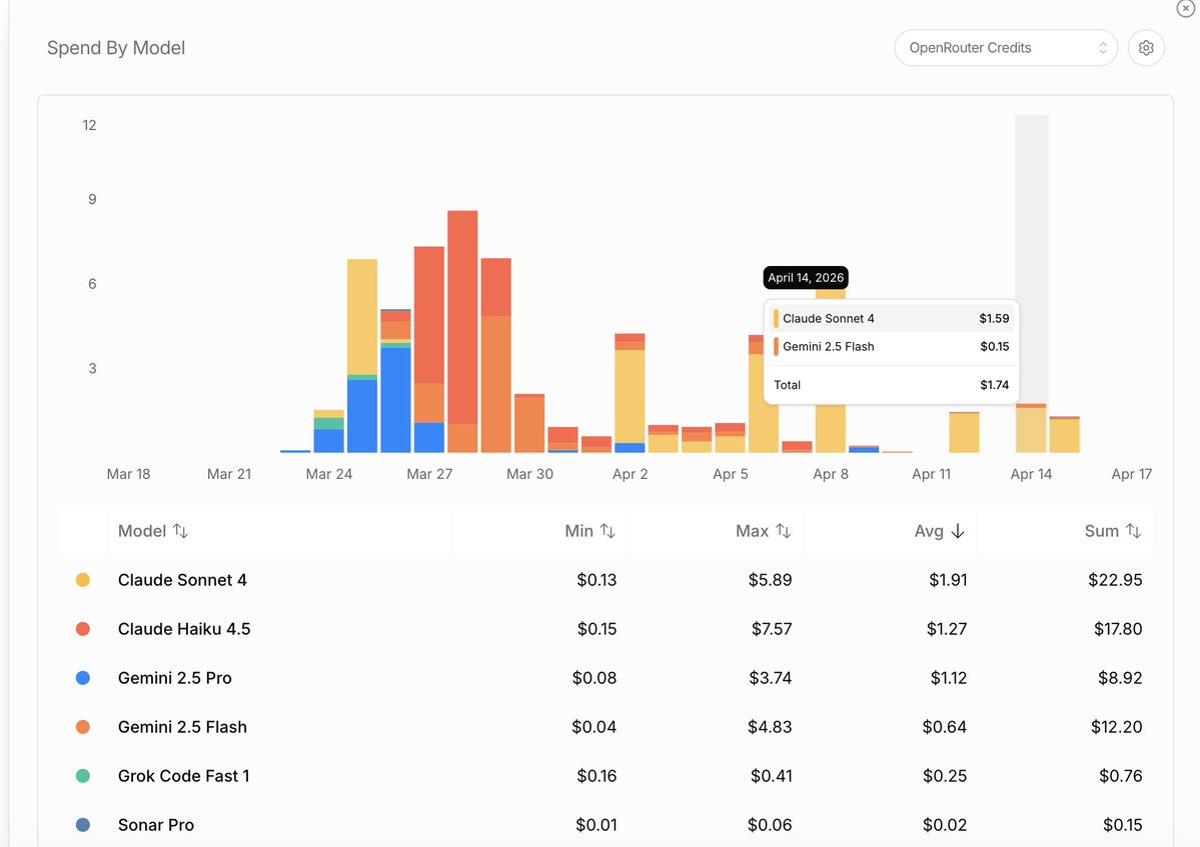
OpenClaw's Power Comes with a Hidden Cost
Everyone is talking about how powerful is openclaw, but no one talks about the cost. There is no free lunch. This is my openrouter bill for my bot helix with minimal activity. https://t.co/PdKxk2dd8M
Regex Streamlines Bioinformatics ID Cleaning and Merging
🧵Regular expressions can save your bioinformatics analysis. Here’s how to use them to clean up messy IDs and merge datasets. https://t.co/tkYo7lRJCq
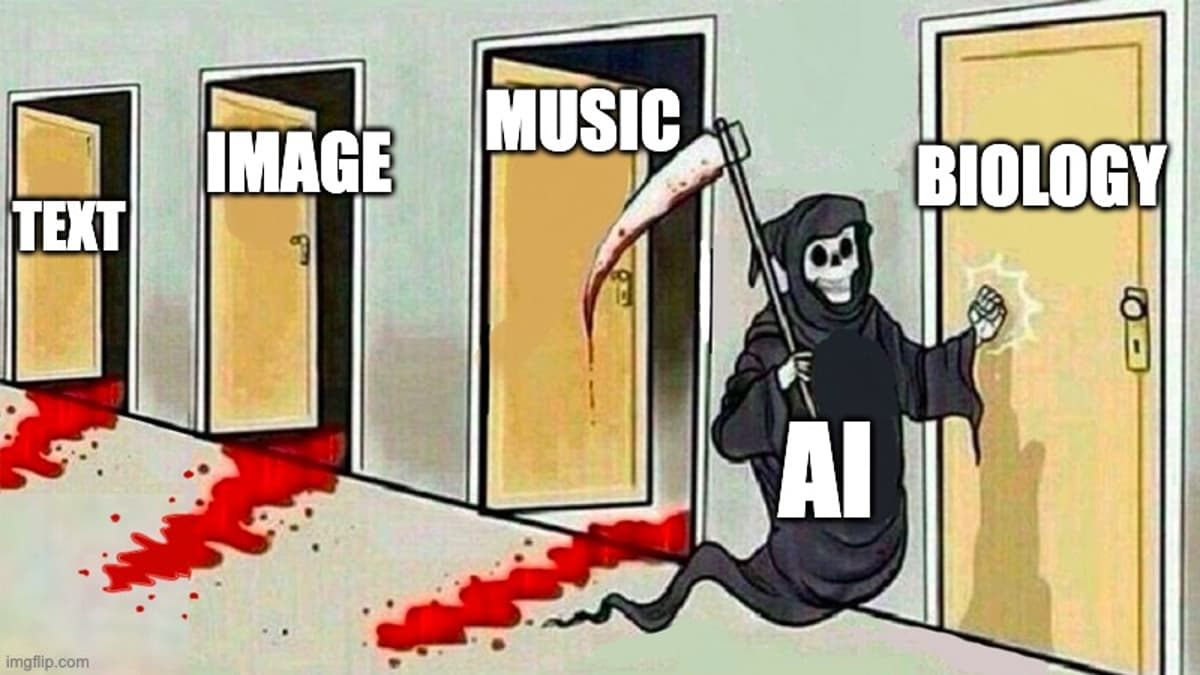
AI Generates Art, Code, Music—Is Biology Next?
AI is everywhere. It can generate code It can generate images It can even generate music/videos Listen to this song written by AI for the chatomics channel https://t.co/wKYaHy5Dy6 Is it time for biology, too? I have my take, but what's yours? https://t.co/TCqDtFC5W8
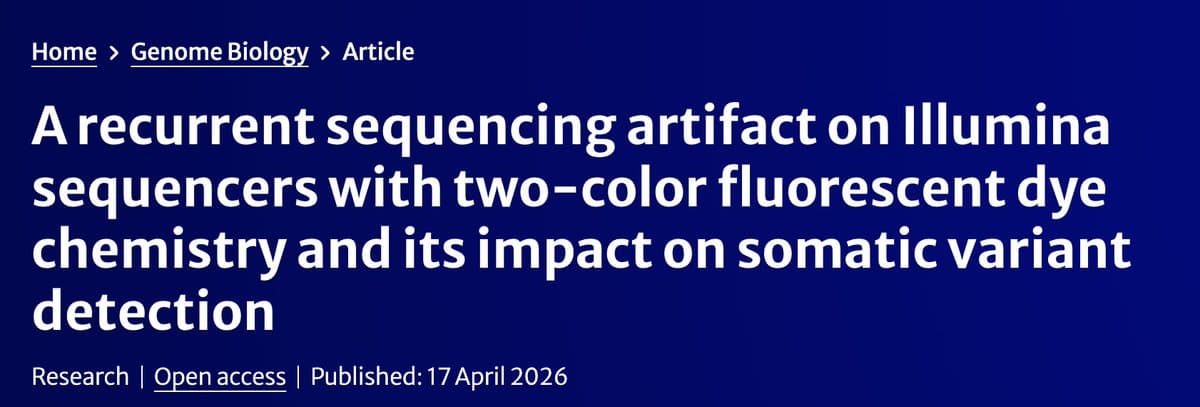
NovaSeq 6000 Two‑color Chemistry Creates T>G Artifact
NovaSeq 6000's two-color chemistry introduces a recurrent T>G substitution artifact that doesn't show up on HiSeq X10's four-color chemistry. Germline and high-VAF somatic calls are fine. Low-VAF mosaicism calls are not. https://t.co/9PknN8Vyrb
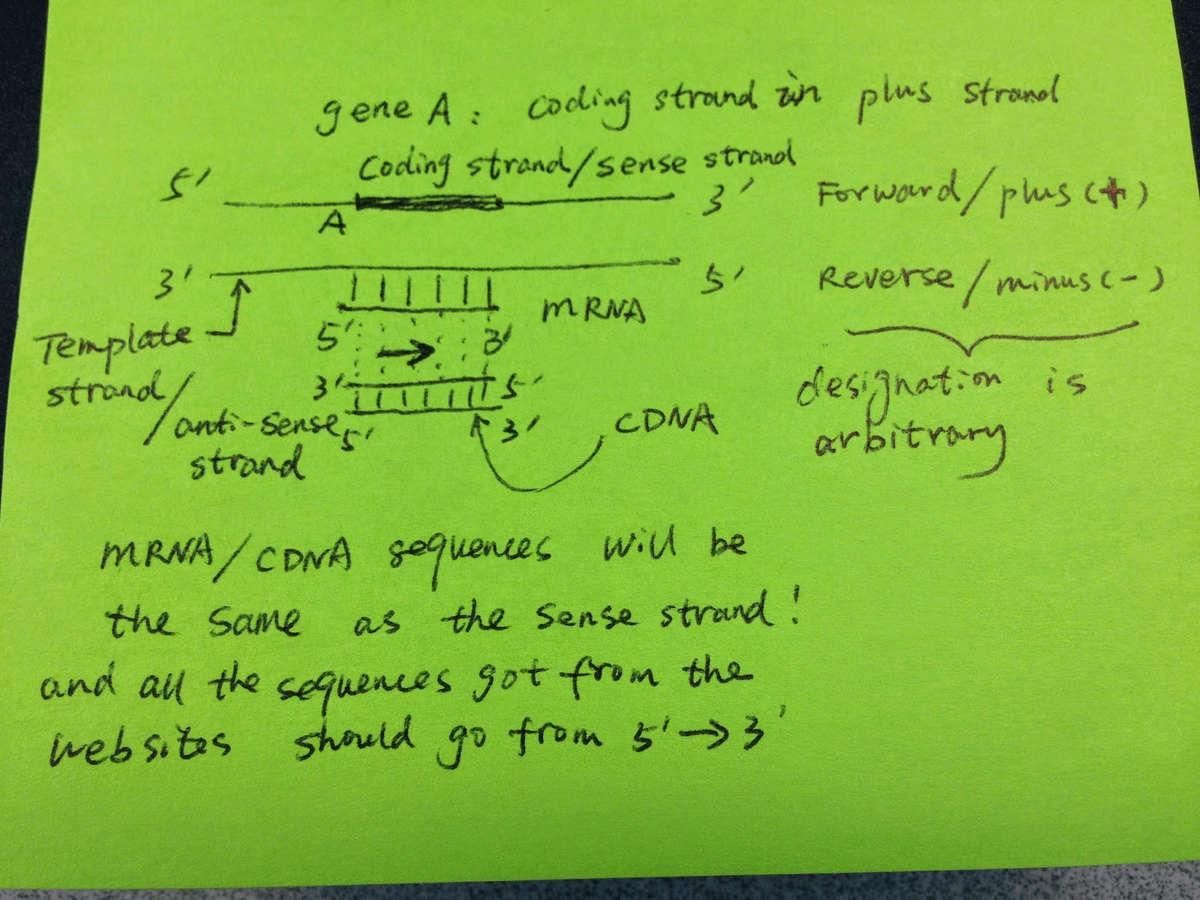
Never Confuse DNA Plus/Minus Strands Again
1/17 Confused by plus/minus strands, coding/template, or forward/reverse in DNA data? You're not alone. Here's how to never mix them up 🧵 https://t.co/4kVXfhJssL
Telemetry Opt-Out Bug Drained Users' Token Allowance
Claude Code had a bug where opting out of telemetry silently dropped your cache TTL to 5 minutes. Every cache miss meant full token re-ingestion. Users on the $200 Max plan were burning through a week's allowance in 2 days. Boris (Claude Code...
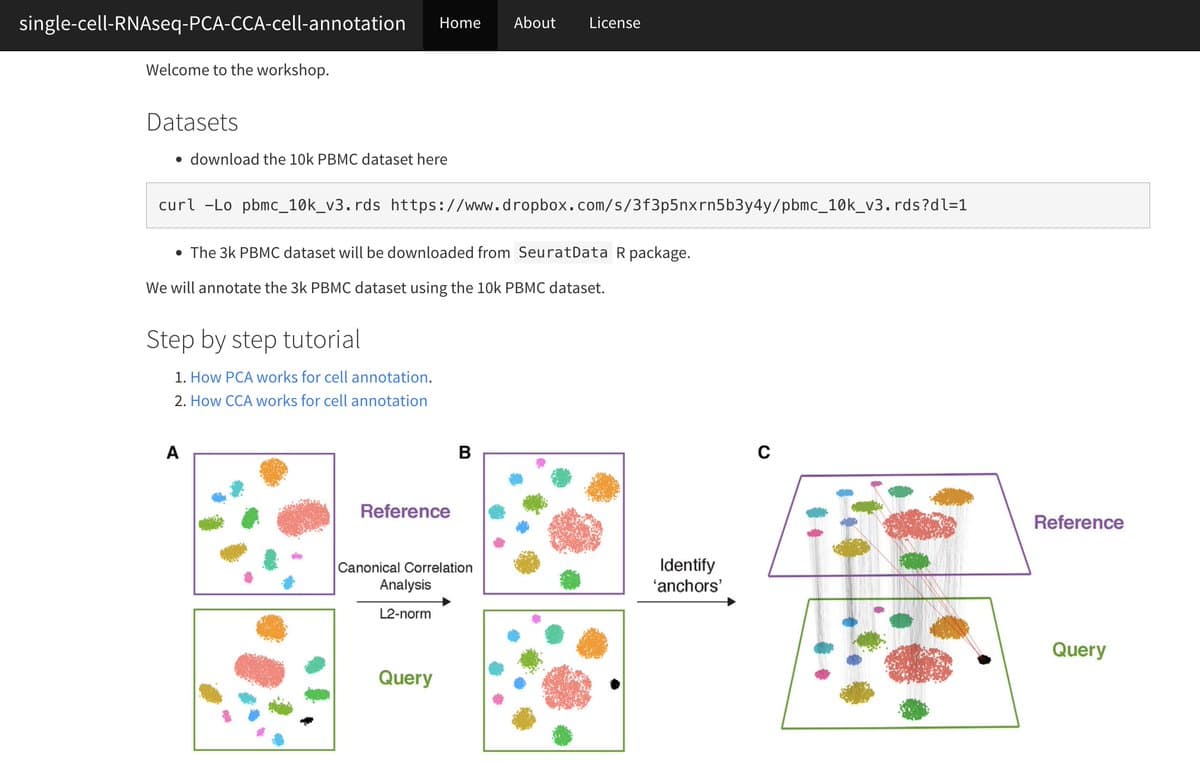
Hands‑on PCA & CCA Tutorial for Cell Annotation
want to understand PCA projection and CCA for cell type annotation?my hands-on tutorial for cell type annotation is at https://t.co/lxePZCuypY https://t.co/hhrIQBcxll
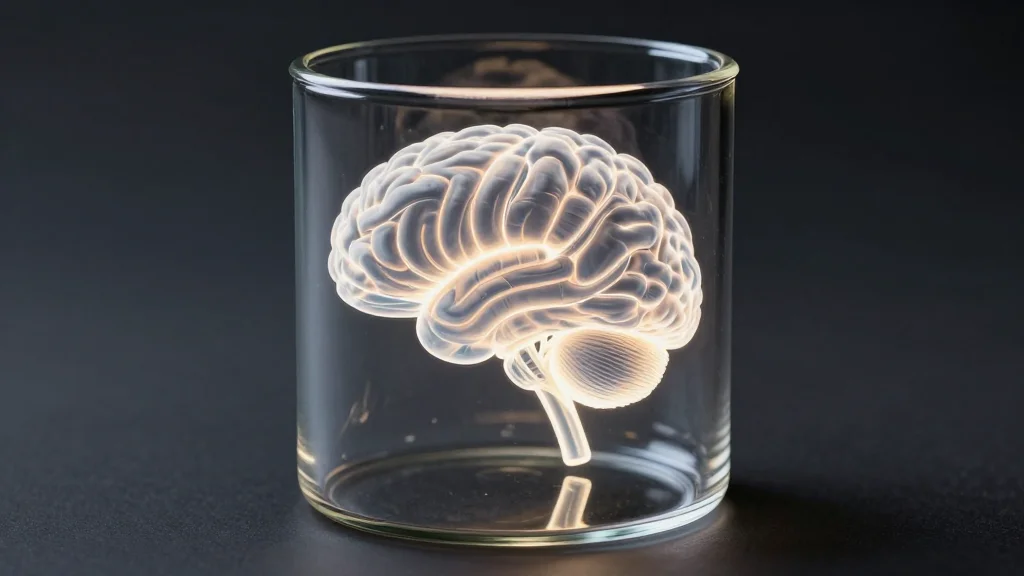
Avoid Context Rot: 4 Habits for Claude Code
1/ Claude Code gives you 1M tokens of context. Sounds massive. Context rot kicks in at 300-400K. You're running on degraded context for 60-70% of a long session. Here's the 4-habit system I use to manage it. (h/t Thariq from Anthropic)
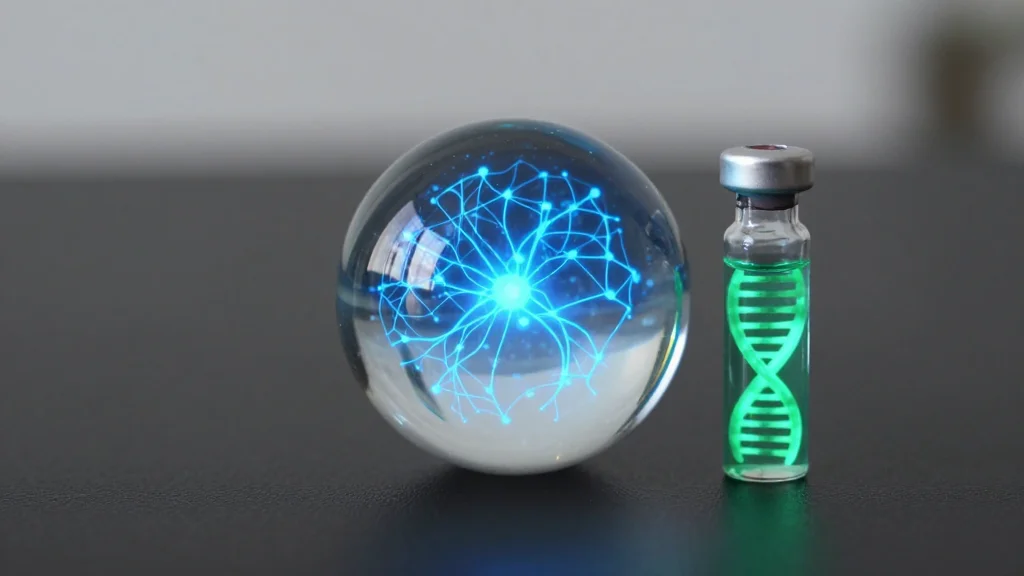
Claude Code's Hidden Print-Mode Flag Triggers Fallback Model
Claude Code has a flag most people miss because it only works in print mode. --fallback-model auto-switches to a backup model when the default is overloaded.

Multi-Omics Integration: Complex Realities Beyond the Hype
Thread: Multi-omics sounds cool—until you actually try it. Here's are the nuances. 1/ You’ve got RNA-seq. Methylation. Proteomics. Time to “integrate” the data. But how? And why? Let’s break it down. https://t.co/Wxhcp6OJ68
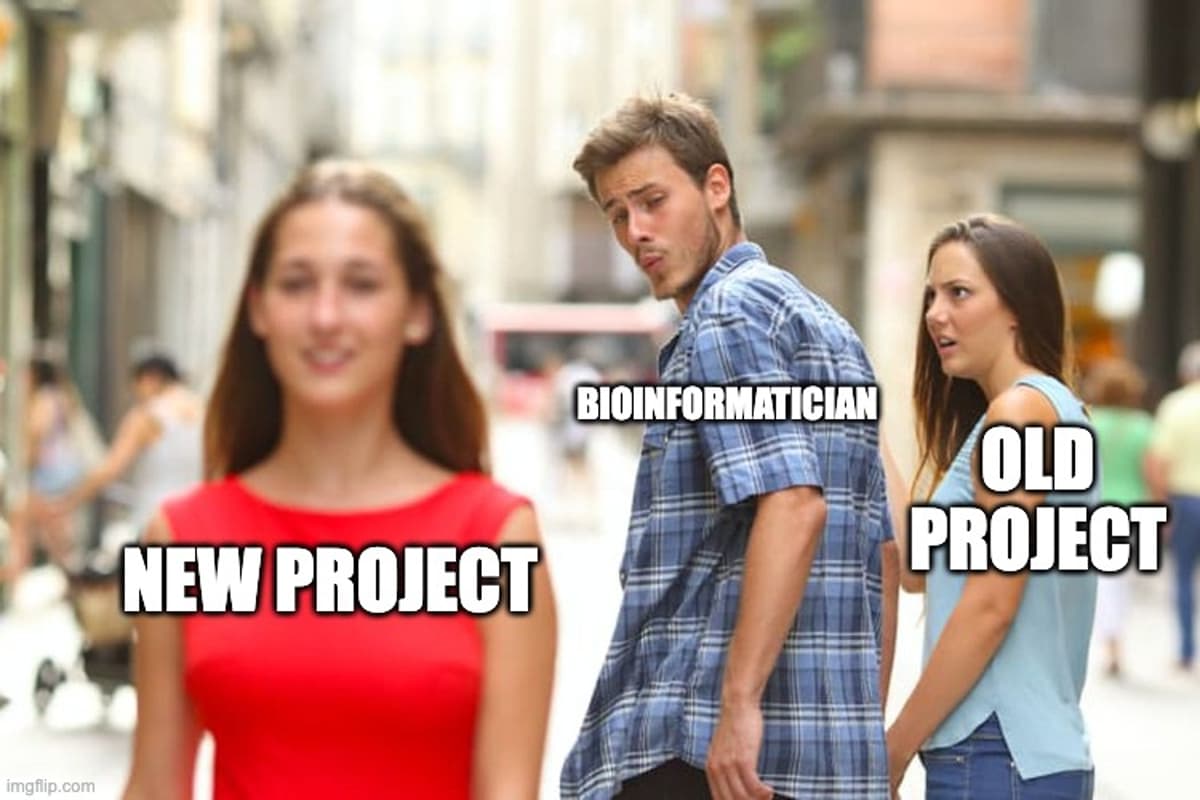
Stop Context Switching to Boost Bioinformatics Productivity
🧵 Bioinformaticians: Drowning in multiple projects? Here's why context switching is killing your productivity—and how to fix it. https://t.co/VIGWIz78Zt

Command-Line Genome Viewers: Terminal Genome Viewer & ASCIIGenome
Terminal Genome Viewer https://t.co/ppe3ckC5kp Another one that is around for a while: ASCIIGenome https://t.co/pnrzu48qZo https://t.co/qRCjn2Rft2

Choosing the Right Color Map Transforms Heatmap Insight
🧵 Heatmaps are everywhere in bioinformatics. But most people get one critical thing wrong: the color map. Understanding this can make or break your visualizations. Let’s dig into how to choose the right color map for your heatmap. https://t.co/TgYRmaVC4b
Latent Space Explained Simply: No More PCA Confusion
🧵"What the heck is Latent Space?" If PCA and VAE confuse you, you're not alone. Here’s a plain-English breakdown you’ll actually understand:

AI Auto-Approves 93% of Prompts, Still Risky
You click "yes" to 93% of Claude Code permission prompts. You stopped reading them after the first 10 minutes. Anthropic built a classifier to click yes for you. It misses 1 in 6 dangerous actions. https://t.co/xQGG3KkBdv
Integrate scRNA‑seq PBMCs only After Evaluating Batch Effects
🧵 Should you integrate single-cell RNA-seq datasets or not? You've got PBMCs from multiple donors. Merge them—or keep them separate? Let's break it down.

PCA Is Just SVD in Disguise
🧵 PCA is everywhere in bioinformatics—but did you know it’s just SVD in disguise? 1/ If you've done bioinformatics, you've likely used PCA. But did you know Singular Value Decomposition (SVD) is at its core? Let’s break it down. 👇 https://t.co/LGtVfpAEsD

AI Speeds Coding Tenfold, but Fundamentals Still Required
1/ I’m bullish on AI—especially for generating code. It 10x’d my coding speed. But there's one thing you still must learn. 👇 https://t.co/lpWDyBJIi2

Bioinformatics Isn’t a One‑Click, Push‑Button Process
🧵 The Myth of Push-Button Bioinformatics 1/ Some think bioinformatics is just pressing a button: 🔘 RNA-seq Analysis 🔘 Make Fancy Figures 🔘 Submit to GenBank If only it were that easy... but reality is very different. https://t.co/HrPErqRzBV