
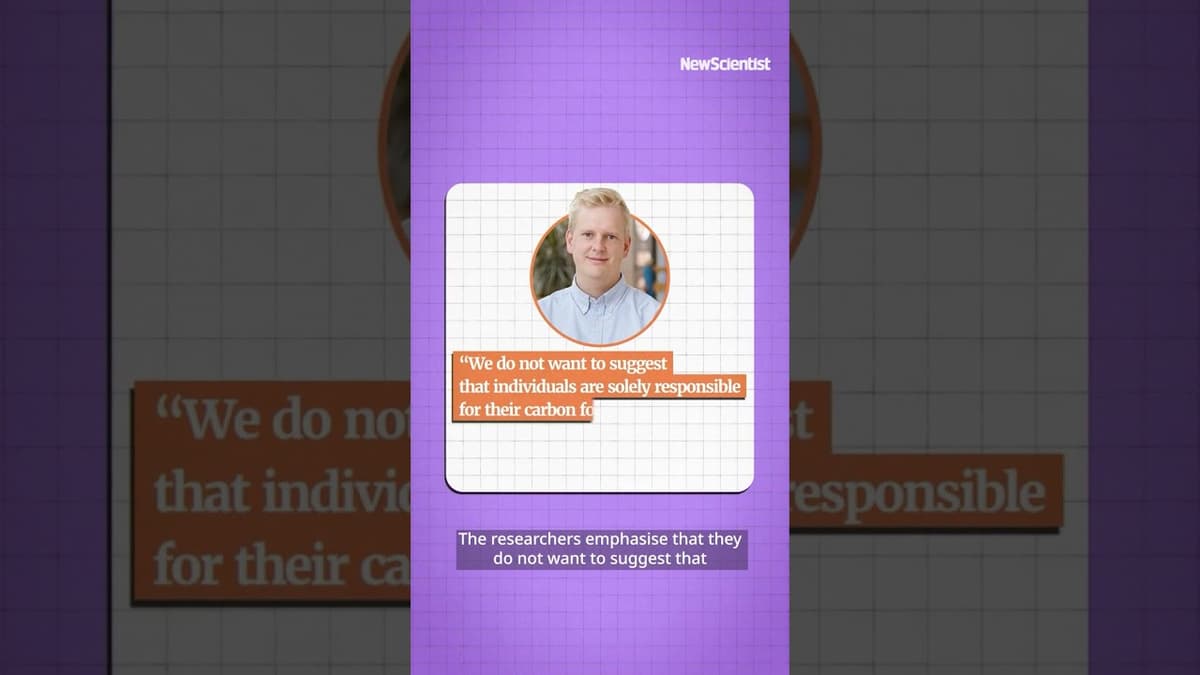
Wealthy People with Environmental Ideals Are the Biggest Emitters
The video examines a new study that finds wealthy individuals who profess strong environmental values actually generate the largest carbon footprints, primarily due to frequent air travel. Researchers surveyed 5,000 respondents worldwide, measuring income, wealth, education, and job prestige alongside attitudes toward nature, climate, and waste. While most people with pro‑environmental views showed smaller ecological footprints, the top 30% of earners who cared most about the planet emitted more than their less‑concerned peers, driven largely by high‑frequency flying. Key data points reveal that affluent nature lovers’ emissions are amplified by aviation, the most carbon‑intensive personal activity. The study also notes that the term “carbon footprint” was coined by BP to shift responsibility onto consumers, underscoring the limited power of individual choices when low‑carbon alternatives are scarce. Policy responses such as the UK and Germany’s aviation taxes and France’s short‑haul flight ban have produced modest price increases but failed to deter high‑income travelers, partly due to loopholes. Conversely, the video highlights the impact of collective action: Germany’s Fridays for Future protests helped secure stronger climate legislation, suggesting that public pressure can outpace market‑based deterrents. Researchers argue that focusing solely on shifting values is insufficient; robust regulatory measures are needed to curb the emissions of the most affluent segment. The findings imply that businesses and policymakers must look beyond consumer education and target systemic levers—taxes, bans, and investment in low‑carbon travel infrastructure—to achieve meaningful emission reductions. Ignoring the outsized footprint of wealthy environmentalists risks undermining broader climate goals.

We Are Made of Something That Should Not Exist
The video explores why the observable universe is made almost entirely of matter, despite the Big Bang’s expectation of equal matter‑antimatter creation. Physicists believe a minuscule excess—roughly one extra particle per billion pairs—allowed matter to dominate, a mystery that drives...
The Ancient Origins of Our Anatomy
The video explores how every component of the human body can be traced back to ancient organisms, from the first single‑celled life in primordial oceans to the vertebrate ancestors that first left water. It highlights that our limbs evolved from the...

The Adaptations We Don't Need
The video challenges the habit of labeling every human anatomical feature as an adaptive trait, focusing on the seemingly superfluous yolk sac that persists in mammalian embryos. Although human embryos receive all nutrients via the placenta, they still develop an empty...

The Forgotten Origins Of Your Human Body
The video explores how every part of the human body is rooted in deep evolutionary history, challenging the notion of human exceptionalism. By juxtaposing human anatomy with that of fish, amphibians, and even ancient worm‑like ancestors, the presenter shows that...

These Missions Could Find Life on Other Planets
The video outlines three flagship missions—NASA’s Da Vinci probe to Venus, the Dragonfly rotorcraft to Titan, and the planned Habitable Worlds Observatory—that aim to answer whether life ever arose, or still exists, beyond Earth. Da Vinci will plunge through Venus’s dense cloud deck...

'Arts Programs Can Be Prescribed as Clinical Care'
The video argues that regular arts engagement should be treated like exercise, diet, or sleep—a health behavior that can be prescribed by clinicians and embedded in hospitals. Research cited links daily participation in music, visual art, or theater to lower incidence...
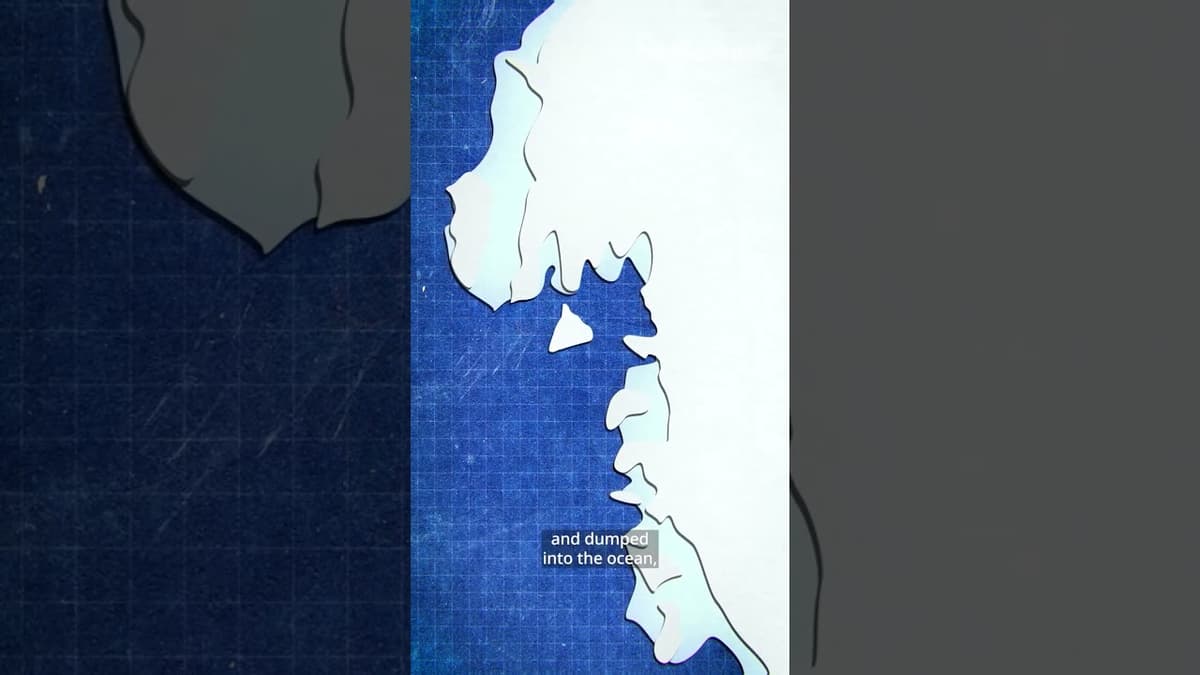
Antartica's 'Doomsday' Glacier's Giant Ice Shelf Is About to Break Away
The video focuses on Antarctica’s Thwaites Glacier, often dubbed the ‘Doomsday Glacier,’ and the imminent disintegration of its eastern floating ice shelf. Scientists attribute the rapid decay to warmer ocean currents that thin the shelf, and to the loss of an...

Are GLP-1 Medications Transforming Chronic Disease?
She Med’s video argues that GLP‑1 medications are a clinical breakthrough for chronic disease, especially for women with conditions like PCOS, rather than a cosmetic weight‑loss tool. The company cites its large real‑world study showing participants experience reduced inflammation, regular menstrual...

World’s Largest Scorpion Revealed From 415-Million-Year-Old Fossils
The Natural History Museum unveiled a 1‑meter‑long fossil scorpion, the largest arthropod ever recorded, recovered in 1871 but only now correctly identified. Detailed analysis showed the specimen possessed hallmark scorpion traits—pincers over 16 cm, a segmented tail, and distinctive wing‑like lateral extensions—ruling...
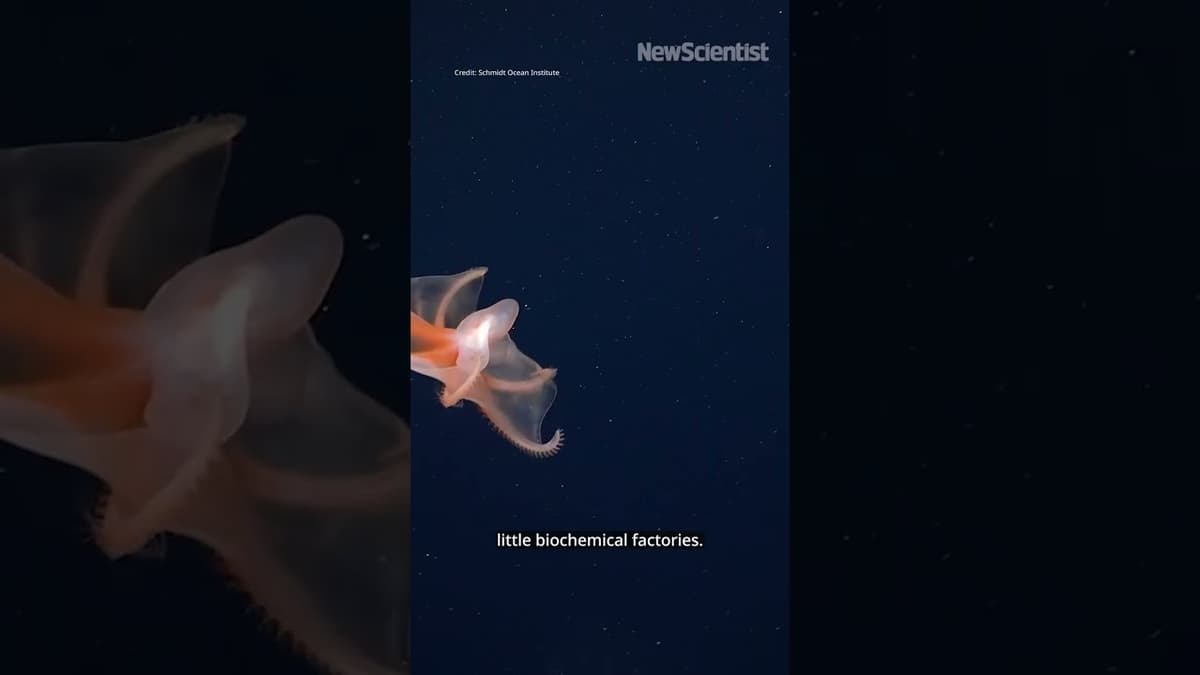
Can We Patent the Deep Sea?
The video examines the emerging debate over whether genetic material harvested from the deep sea can be patented, a topic now embedded in the new high seas treaty. While the treaty is celebrated for establishing marine protected areas, it also...
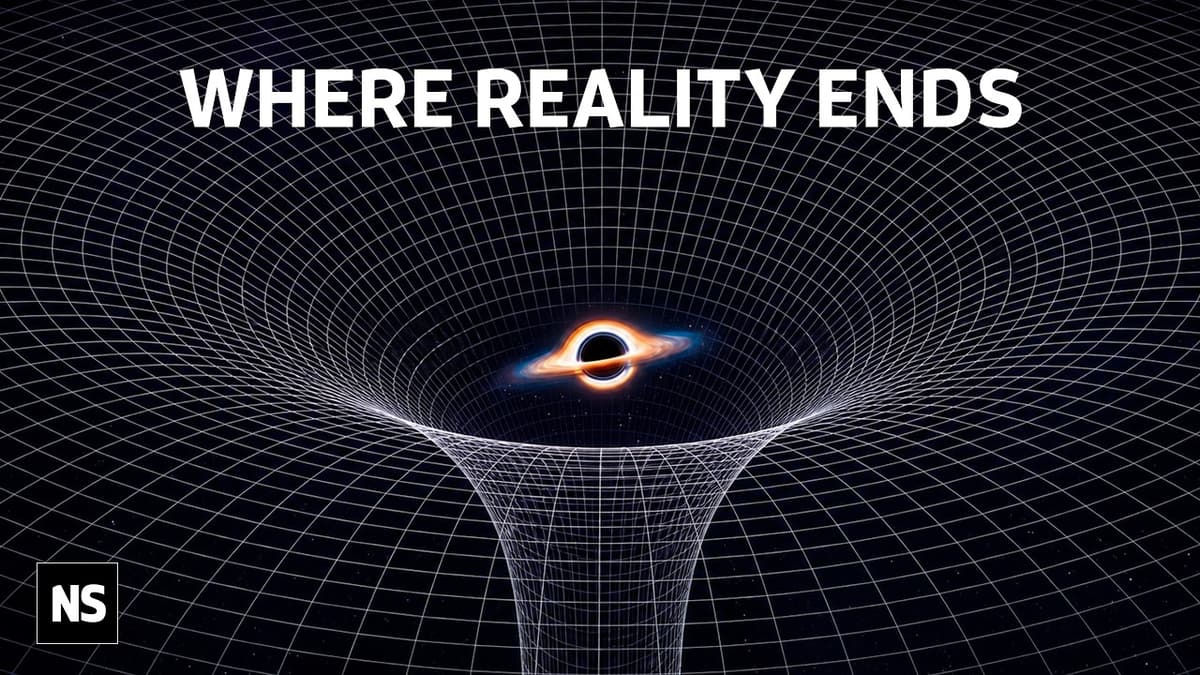
We Might Be Completely Wrong About Black Holes
The video tackles black holes as the ultimate testing ground where Einstein’s general relativity and quantum mechanics collide, arguing that a deeper grasp of these objects is essential for a unified physics framework. It walks viewers through the historical skepticism...

Why Is Our Love for Robots Inevitable?
The video argues that our growing fascination with robots is less about efficiency and more about emotional labor. While factories and AI automate tasks, the robots that capture our imagination are human‑like bodies designed to provide companionship, unconditional love, and...
You Are 2 per Cent Neanderthal
The video argues that Homo sapiens are far from genetically isolated, revealing that only a small fraction of our DNA is exclusive to our species. Modern genetic analyses show that between 1.5% and 7% of the human genome is uniquely ours,...
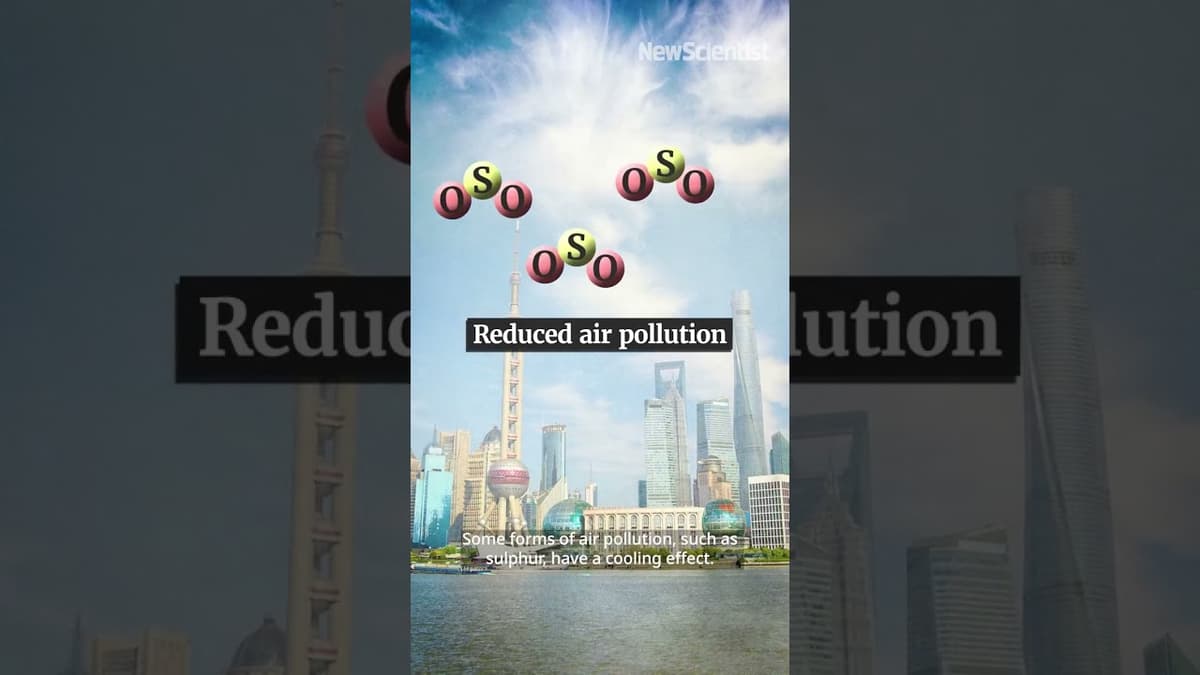
The Sudden Increase in the Rate of Sea Level Rise
The video discusses recent acceleration in global sea‑level rise, noting that satellite records over three decades showed a relatively steady increase of about 3.6 mm per year, but a distinct jump occurred around 2012, raising the rate from 2.9 mm/yr to 4.1 mm/yr. Researchers...