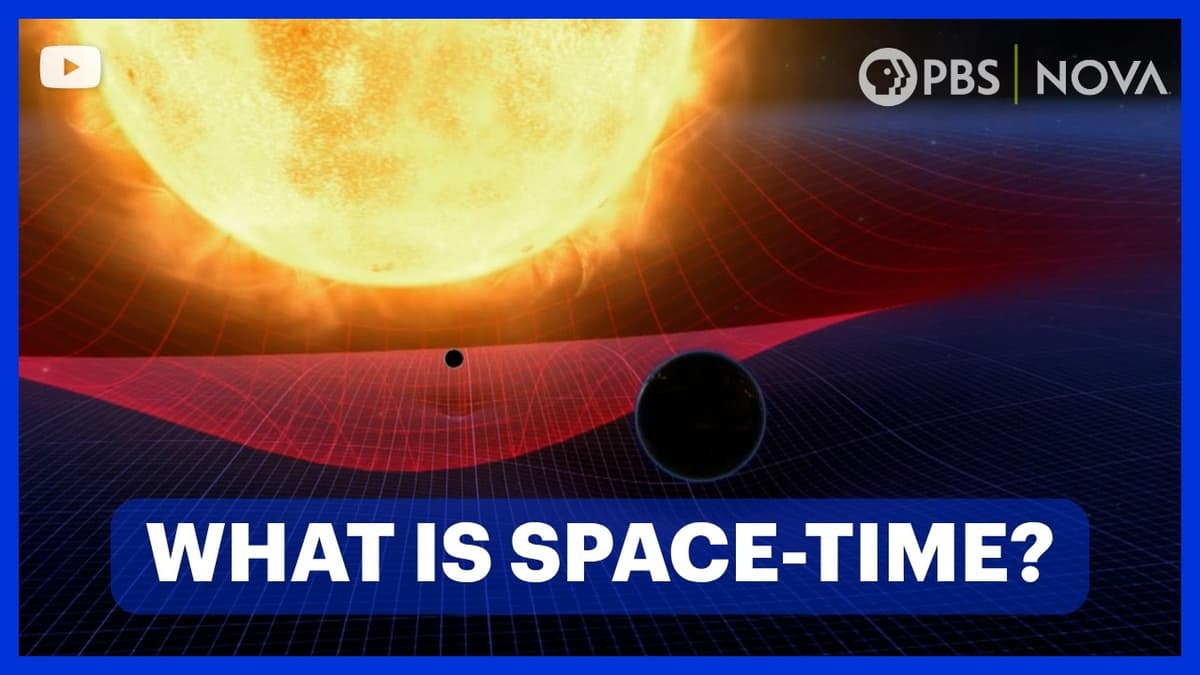
Einstein’s “Biggest Blunder” Was Actually Right | NOVA | PBS
Einstein introduced the cosmological constant to force a static universe, but Hubble’s 1920s observations showed the cosmos is expanding and the discovery of the cosmic microwave background later confirmed a hot Big Bang origin. In the 1990s, Adam Riess and other teams used Type Ia supernovae as standard candles and unexpectedly found the expansion is accelerating, effectively reviving Einstein’s cosmological constant as a real physical effect. That accelerated expansion is attributed to dark energy — a mysterious repulsive component of the universe that dominates its dynamics. The film traces this arc from historical ideas to modern observational evidence that transformed cosmology.
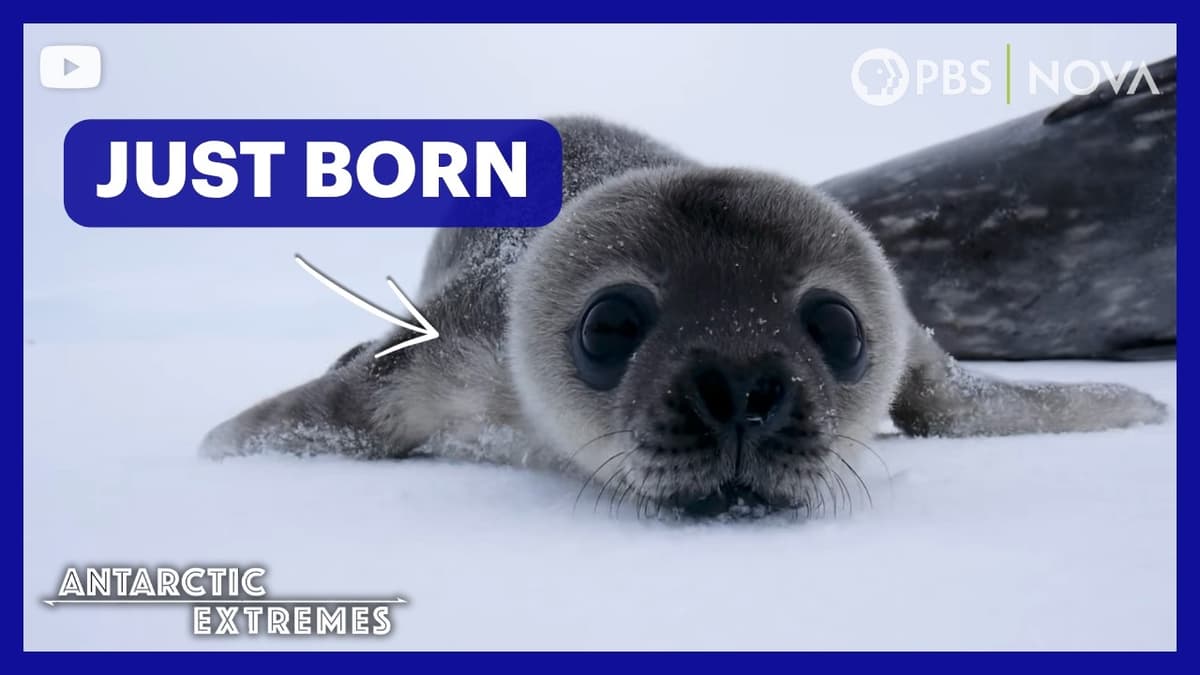
We Met Baby Seals on the Ice in Antarctica | NOVA | PBS
The PBS NOVA segment follows a team of scientists on Razorback Island as they document the pupping season of Weddell seals, the southernmost mammals on Earth. Filmed against Antarctica’s stark sea‑ice landscape, the crew gets up close to newborn...
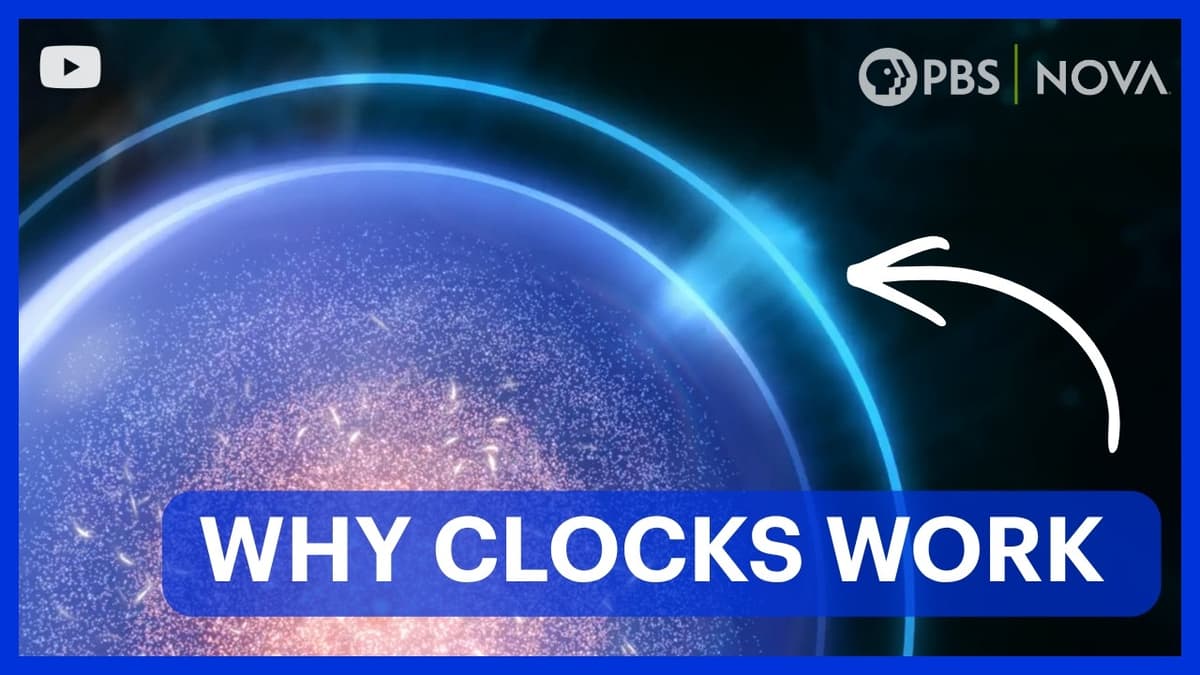
Atomic Clocks Prove Reality Is Stranger Than You Think | NOVA | PBS
The NOVA documentary delves into how quantum mechanics, especially superposition, forms the foundation of today’s most precise timekeepers. It contrasts the historic evolution from sundials and pendulums to the 1960s adoption of cesium‑based atomic clocks, which lock the definition of...
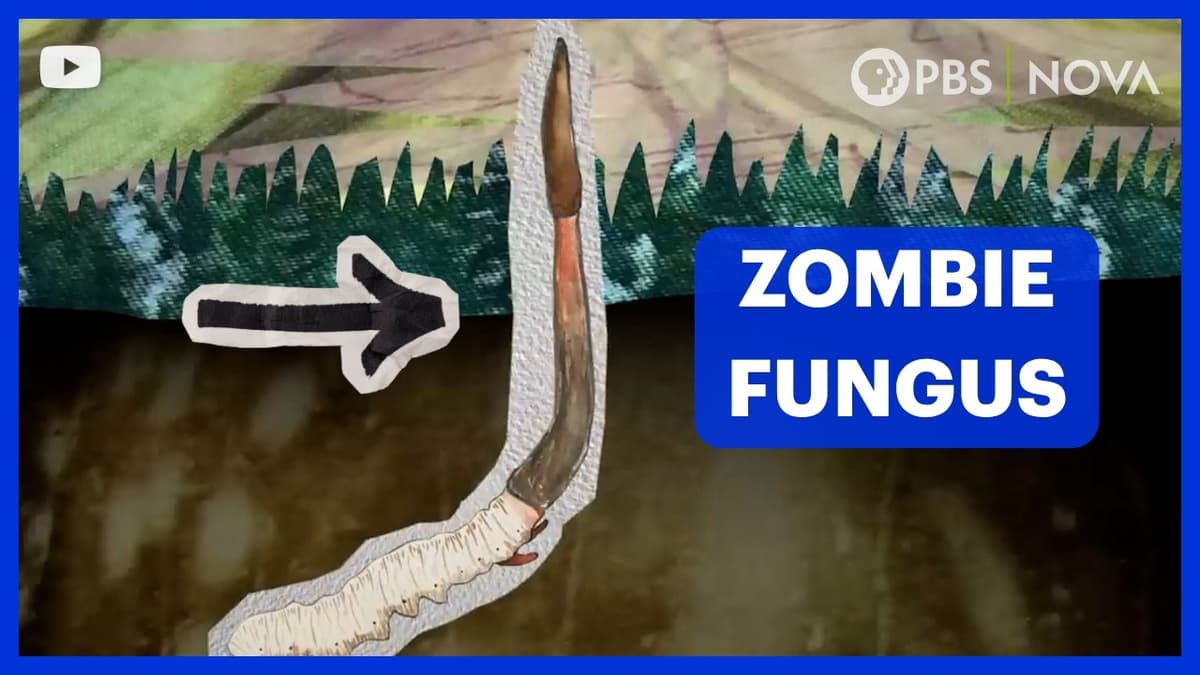
The World's Most Expensive Fungus | NOVA | PBS
The video explores Ophiocordyceps sinensis, a parasitic fungus that hijacks ghost‑moth caterpillars on the Tibetan Plateau, forcing them to climb to the soil surface before a brown stalk erupts from their heads. This striking life cycle turns a humble insect...
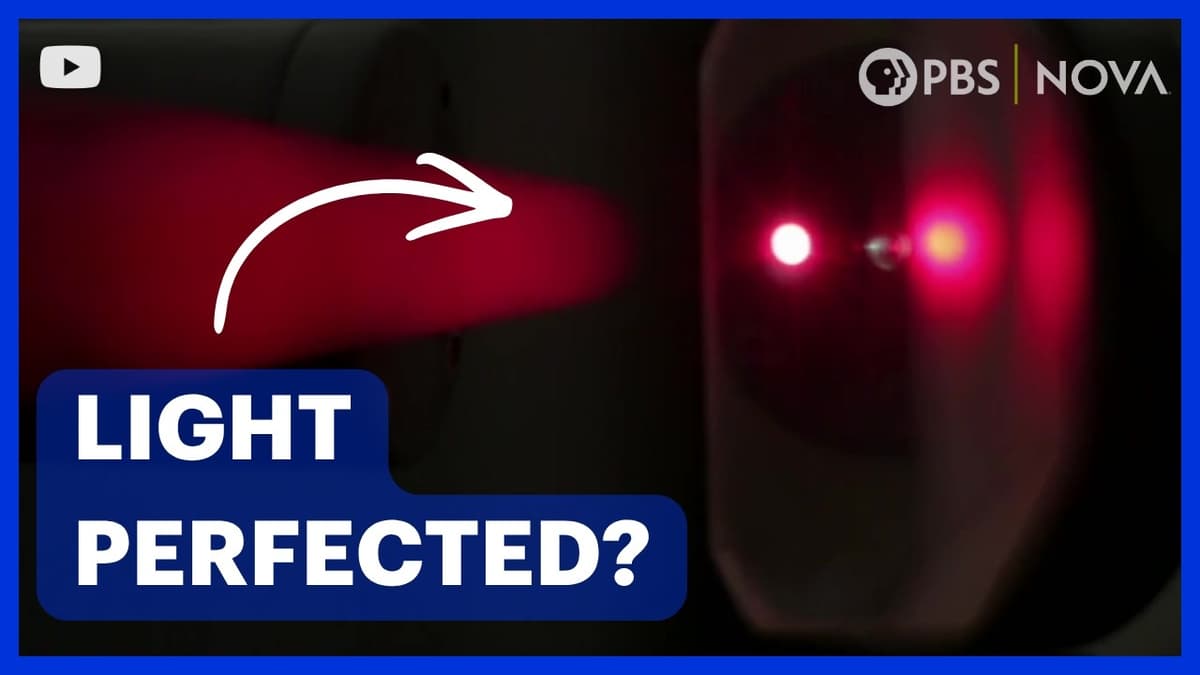
The Quantum Secret Behind the Most Precise Tool on Earth | NOVA | PBS
The video explains how lasers differ from ordinary light sources, focusing on the quantum mechanism of stimulated emission that yields a beam of photons identical in frequency, phase, and direction. It shows how that coherence enables laser interferometry, the core of...
Carl Sagan on the Search for Life #space #universe #contact
In a recent clip, Carl Sagan outlines the odds of encountering an advanced extraterrestrial civilization and the practical hurdles of searching for it. He estimates that roughly one in every 100,000 stars could host a technical society, translating to a few...
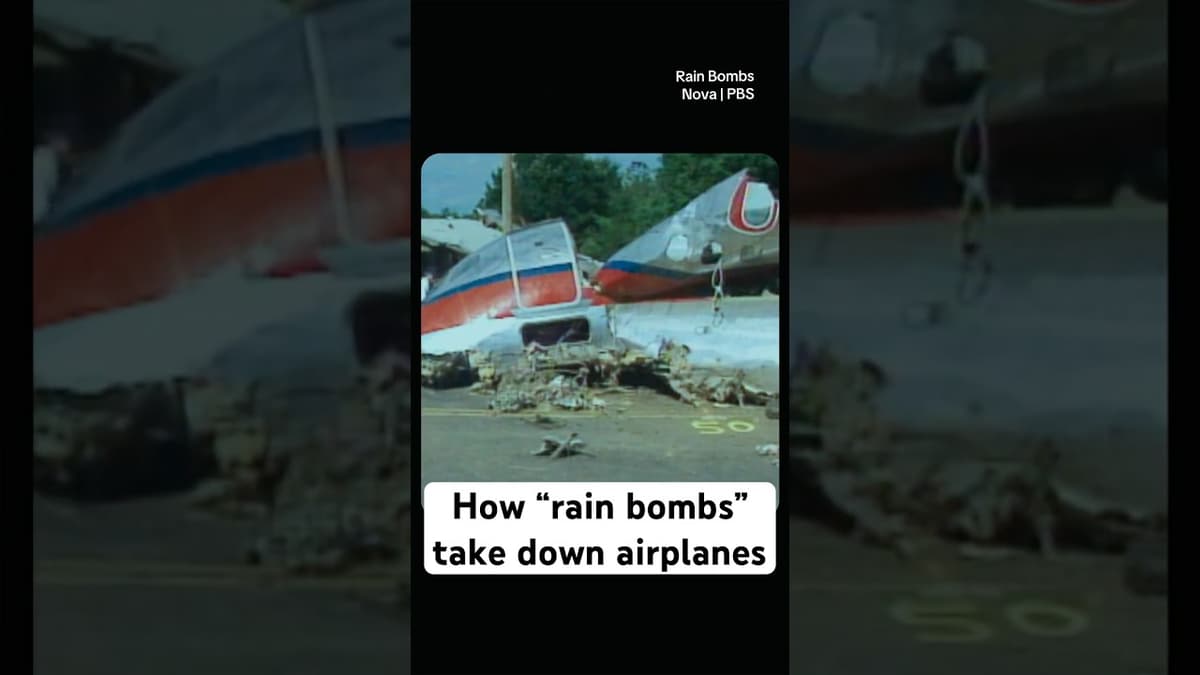
How “Rain Bombs” Take Down Airplanes #weather #airplane #wind
A Aeroméxico Connect jet attempting takeoff at Durango International Airport was caught in a powerful downburst – a localized, high‑velocity wind gust accompanied by intense rain – and slammed back onto the runway. The aircraft survived without fatalities, but the...
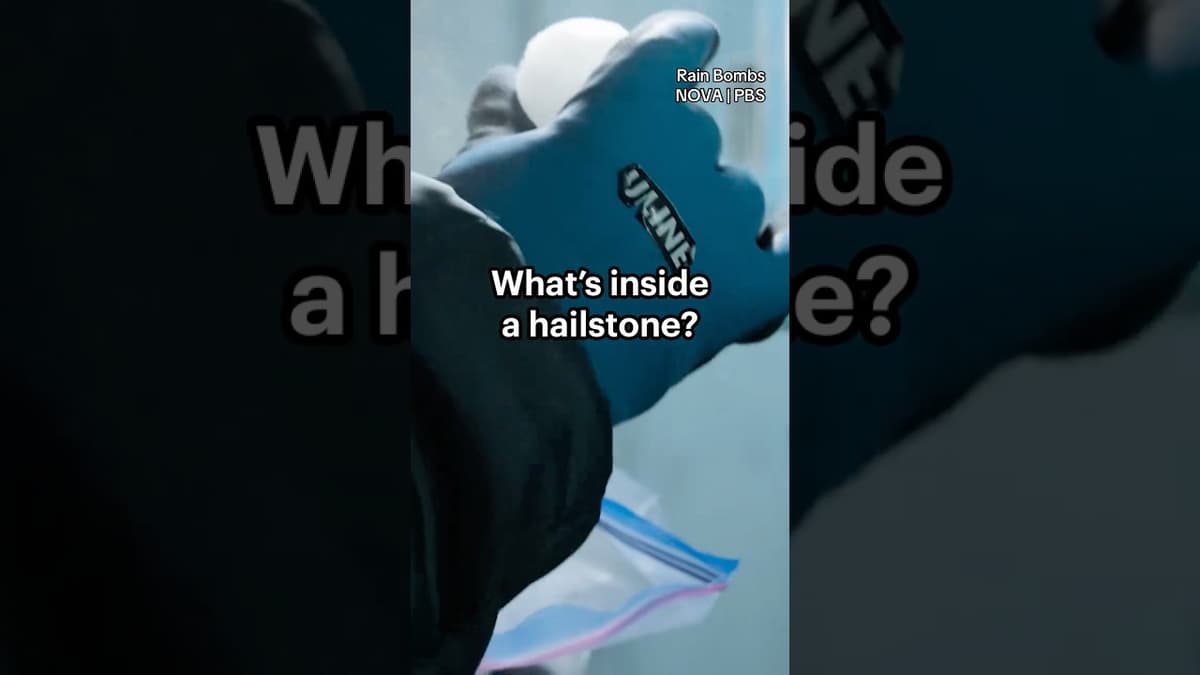
What’s Inside a Hailstone? #hailstorm #weather #atmosphere
Scientists cut thin, polished slices of hailstones to read their internal rings, much like tree rings, revealing the storm conditions during formation. By examining opaque versus clear layers, researchers infer rapid temperature swings as the hail moved through cold and warm...
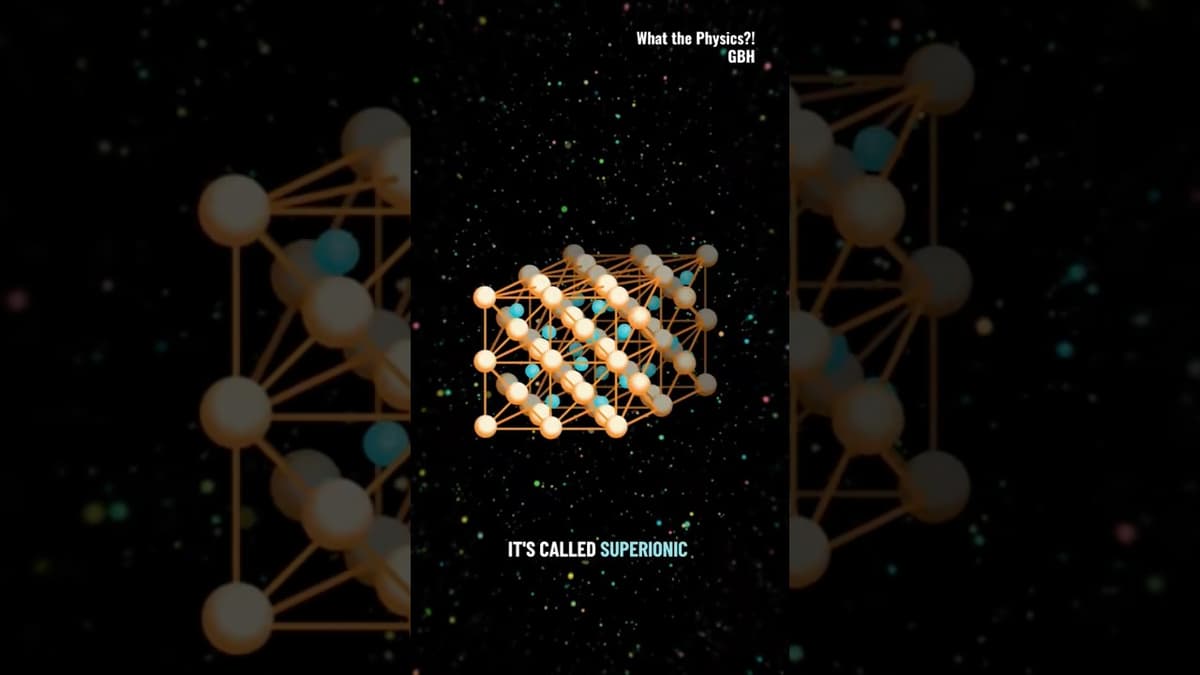
Ice From Space, on Earth #neptune #space #chemistry #physics
The video introduces ice XVIII, a superionic form of water ice that only appears under extreme pressure and temperature, such as those inside Neptune and Uranus. In this phase, oxygen atoms lock into a crystalline lattice while hydrogen ions become a...
How Trauma Gets Passed to the Next Generation | NOVA | PBS
The video explores how traumatic experiences can be biologically transmitted to subsequent generations, combining historical human data with cutting‑edge animal research and neuroscience experiments on perceived control. Researchers cite the Dutch famine of WWII, where children and grandchildren of starving survivors...

Mae Jemison Explains What It Feels Like to See Earth From Space #nasa #astronaut
Mae Jemison recounts the visceral experience of orbiting Earth, describing how the view made her feel intimately connected to the cosmos. She emphasizes that the planet is part of a larger universal tapestry, and the sight of Chicago sparked personal...
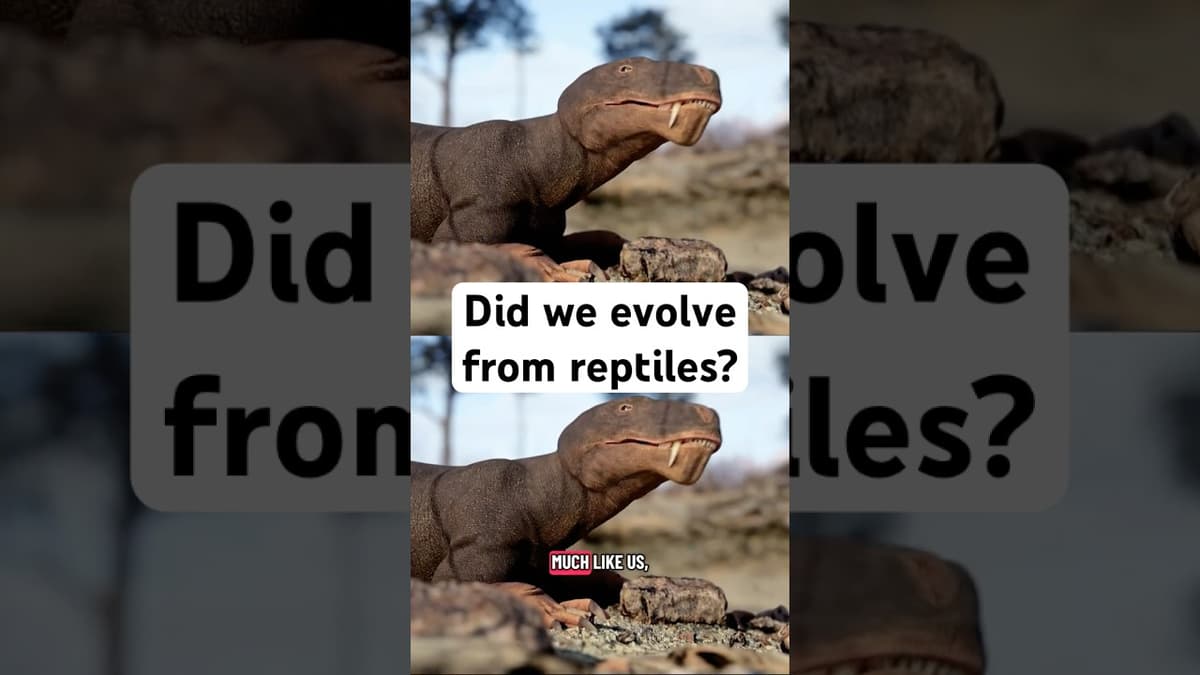
Did We Evolve From Reptiles? #evolution #reptiles #stem #fossil #therapsids
The video tackles the common question whether humans evolved from reptiles, explaining that the true ancestors were therapsids, a group that dominated the Permian long before dinosaurs. Among therapsids, cynodonts displayed the first mammalian characteristics—warm‑blooded metabolism, fur, whiskers, and milk production....
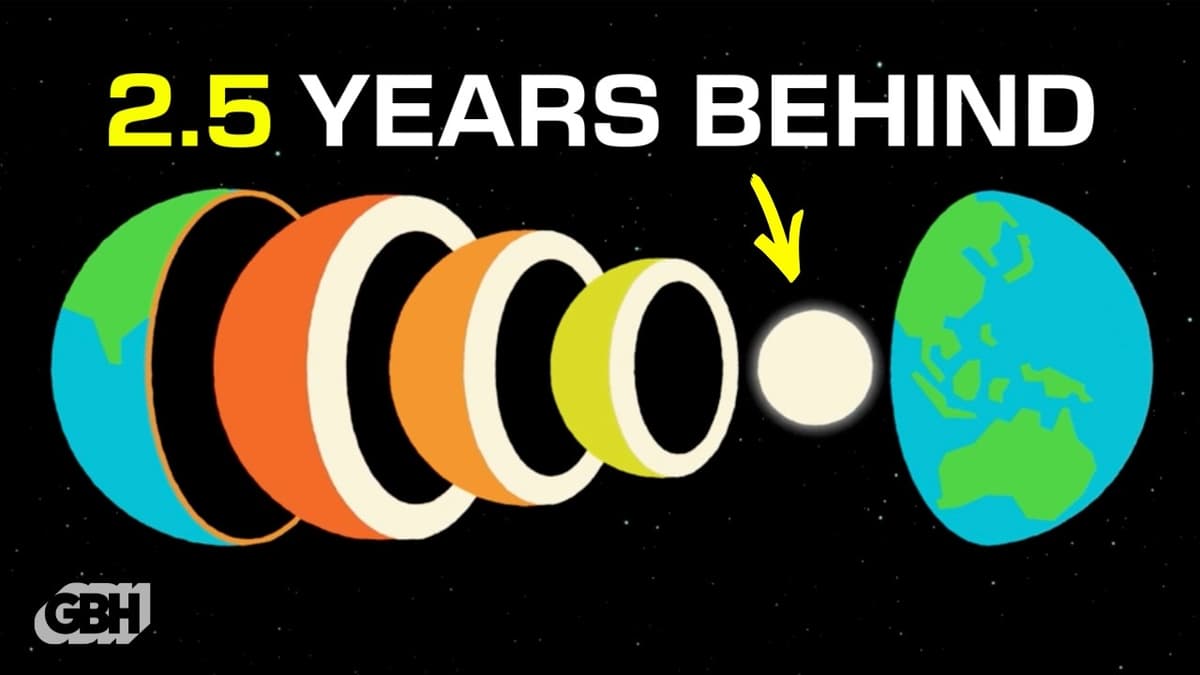
Time Isn’t Universal — and That Changes Everything | What the Physics?!
The video explains that time is not a universal constant; it flows at different rates depending on velocity and gravitational field strength, a phenomenon first described by Einstein’s theories of special and general relativity. Examples include Earth’s core lagging 2.5 years behind...
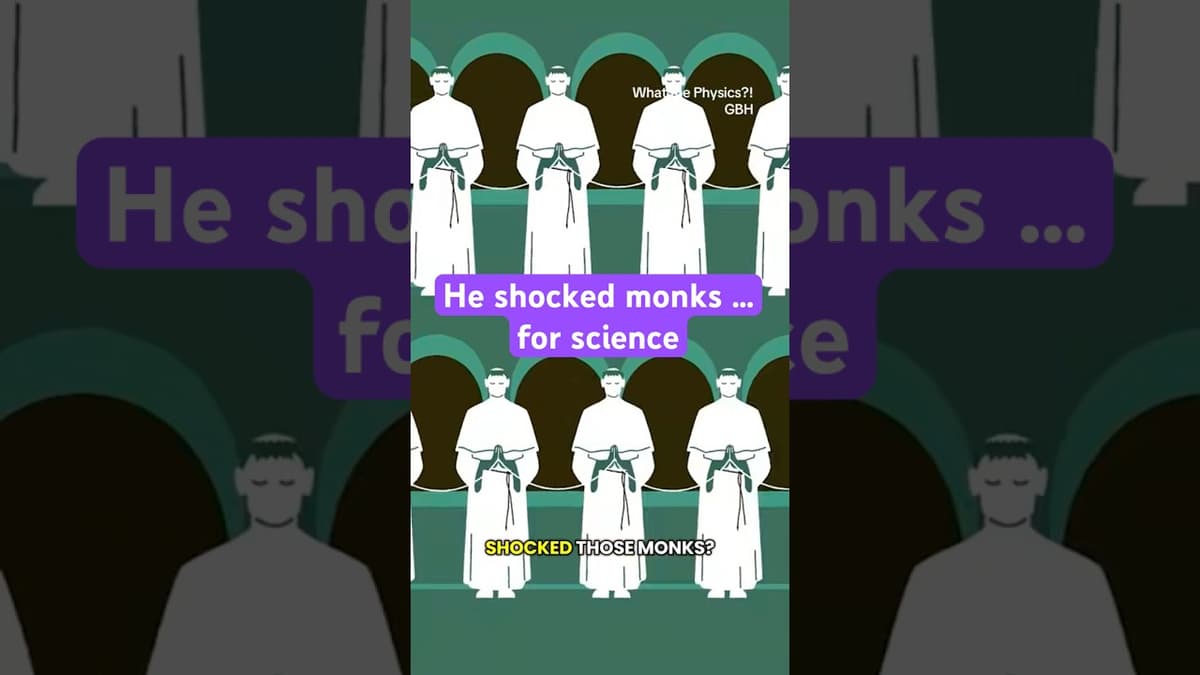
He Shocked Monks … for Science ⚡️#electricity #experiment
The video recounts a 1746 demonstration by French abbot‑physicist Jean‑Antoine Nollet, who wired a line of monks together to measure how fast electricity travels. By delivering a simultaneous shock, he aimed to capture the signal’s speed across the circuit. Nollet’s observation...
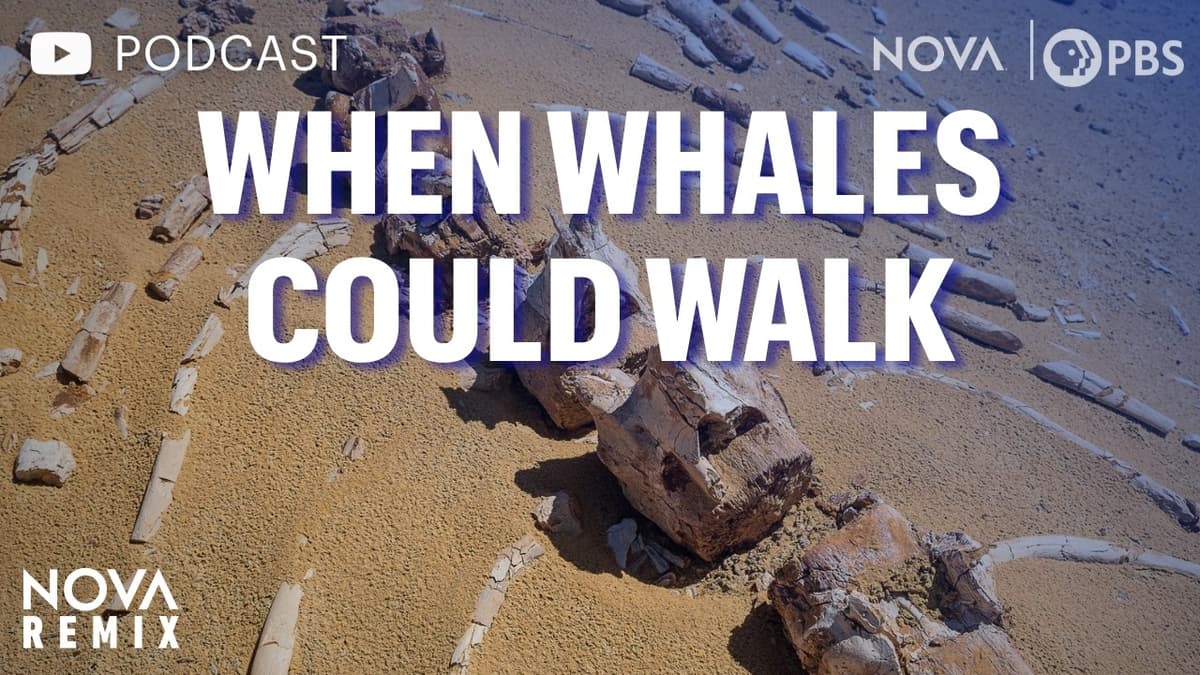
(Podcast Version) When Whales Could Walk | NOVA Remix | NOVA | PBS
The Nova Remix episode delves into the remarkable evolutionary journey that turned land‑dwelling mammals into today’s ocean‑giant whales. By traveling to Egypt’s Wadi Hitan, the world’s largest ancient whale graveyard, the program showcases fossils that date back 40 million years, including...