

Who Rules Cyberspace? The Microsoft Approach to Cyber Diplomacy
The video examines Microsoft’s self‑styled "digital diplomacy," a private‑sector approach to shaping cyber norms as cyberspace becomes a contested domain of conflict. Director John Herring explains that Microsoft moves beyond traditional policy advice to actively engage in multilateral forums, offering technical insight on threat landscapes while grounding its work in human‑rights and freedom of expression. Key insights include the company’s dual role of supplying threat intelligence and attribution that informs government decisions, and its participation in UN norm‑setting processes where it does not dictate policy but provides an informed perspective. Herring stresses that commercial interests and broader societal security are intertwined, arguing that a trusted digital environment benefits both customers and Microsoft’s cloud business. Examples cited range from Microsoft’s attribution reports—distinguishing technical, legal, and political attributions—to its concrete actions during Russia’s invasion of Ukraine, such as migrating government data to the cloud, mitigating wiper malware, and publishing analyses linking cyber activity to military campaigns. These efforts illustrate how private expertise can complement state capabilities while navigating geopolitical sensitivities. The discussion underscores a shifting landscape where private firms like Microsoft are essential actors in cyber statecraft, influencing norm development, attribution practices, and the overall governance of a synthetic domain. Their involvement reshapes risk calculations for both governments and businesses, signaling that future cyber stability will depend on sustained public‑private collaboration.
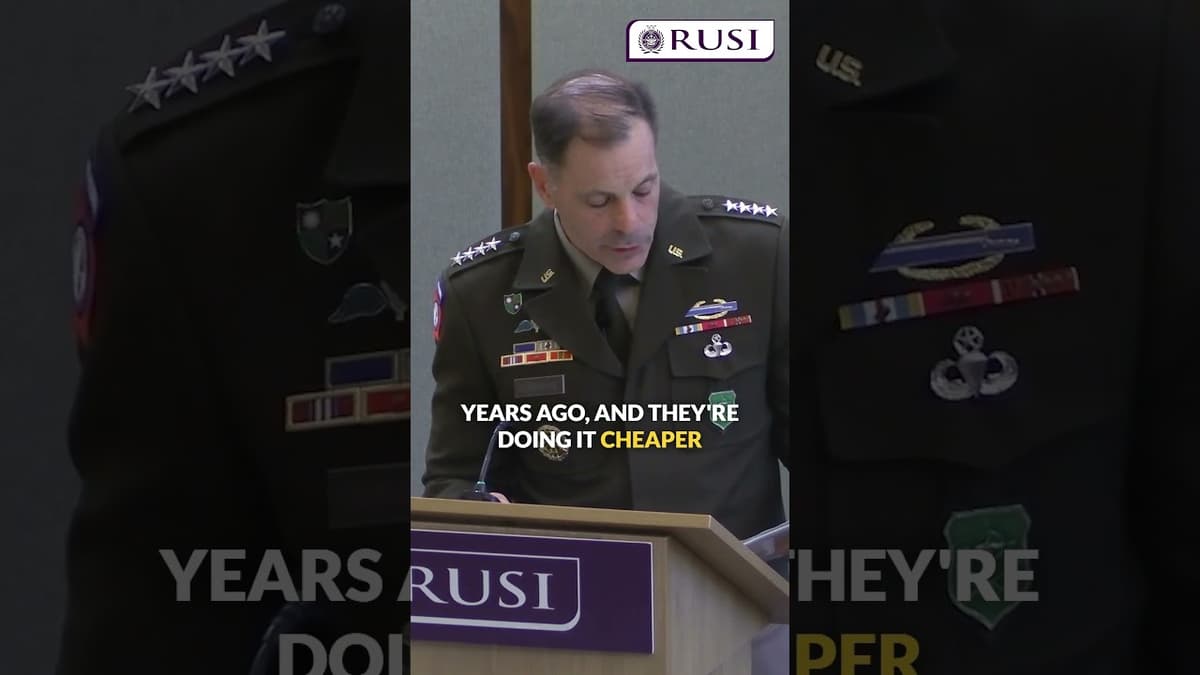
Commanding General of US Army, Europe and Africa: 'The Battlefield Is Transparent'
The commanding general of U.S. Army Europe and Africa warned that the nature of war is transforming at an unprecedented speed, driven by emerging technologies that render the battlefield increasingly transparent. He emphasized that traditional concepts of mass and protection...
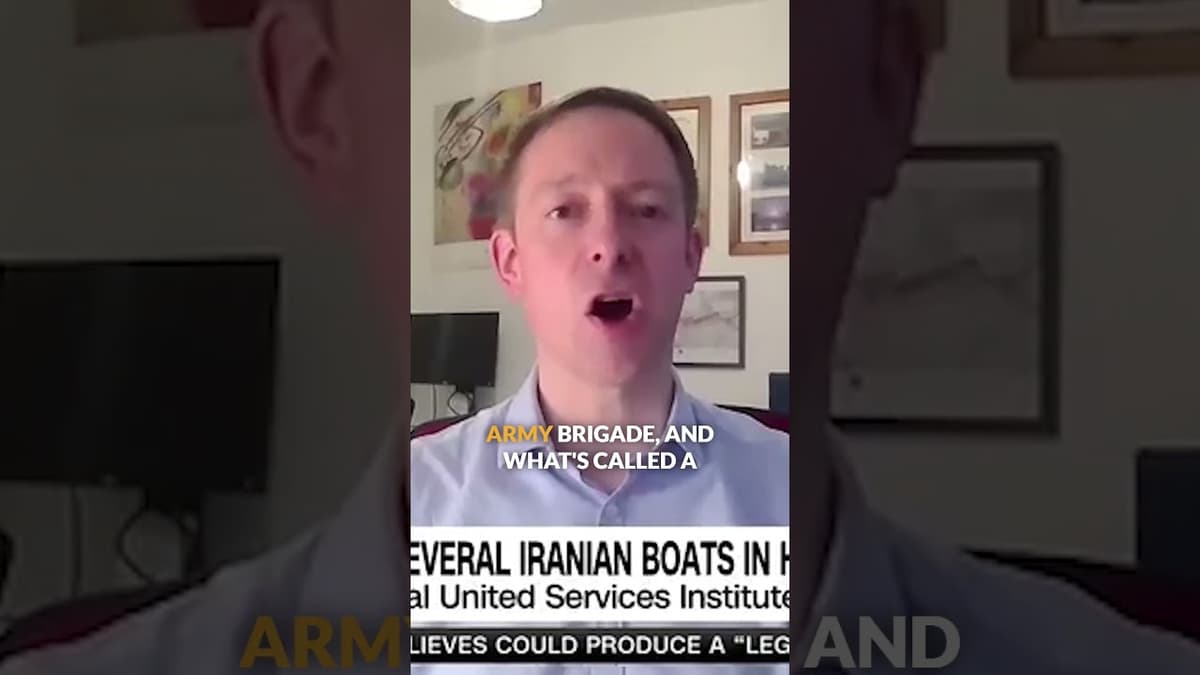
Trump Exposes Gap in European Deterrence Capability | Matthew Savill on CNN International
In a recent CNN International interview, former President Donald Trump floated the idea of pulling U.S. forces out of Europe, sparking debate over the continent’s deterrence posture against Russia. Trump’s remarks echo a broader U.S. narrative that Europe must “focus on...
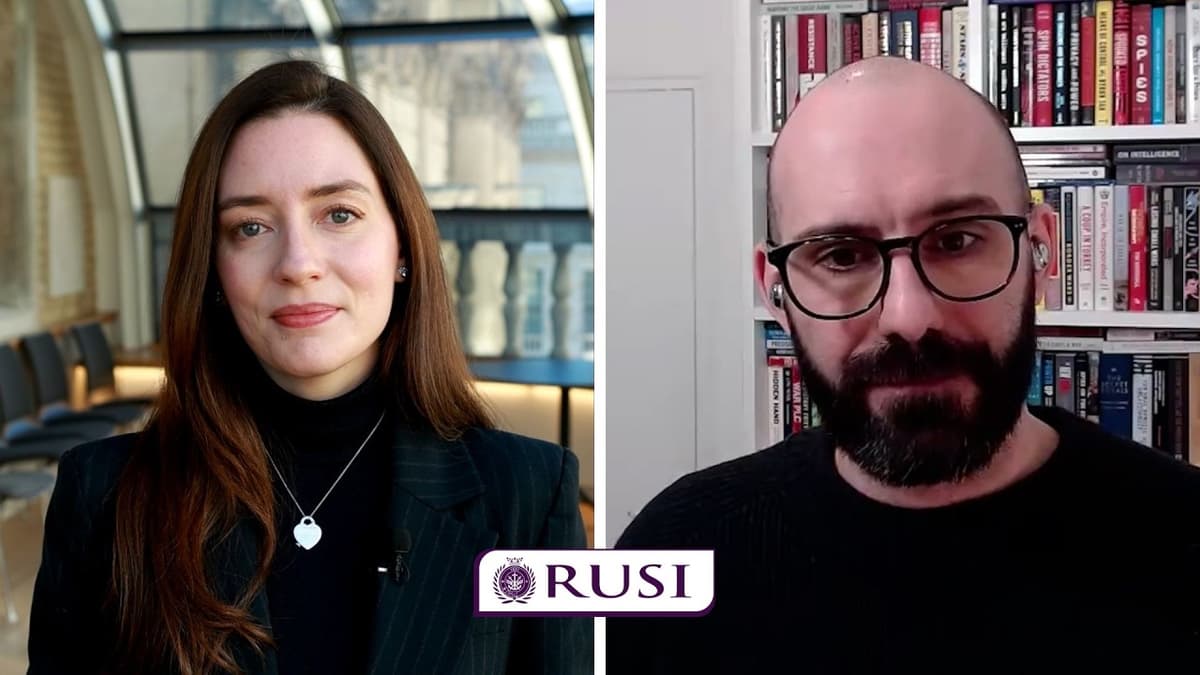
The Role of Private Sector Intelligence in a Divided World
The video explores how private‑sector intelligence, long predating formal state services, has become a pivotal force in today’s fragmented geopolitical landscape, especially in cyberspace. Host historian Lewish Sage Passant traces origins to Lloyd’s of London’s 1811 intelligence unit, predating Britain’s SIS,...
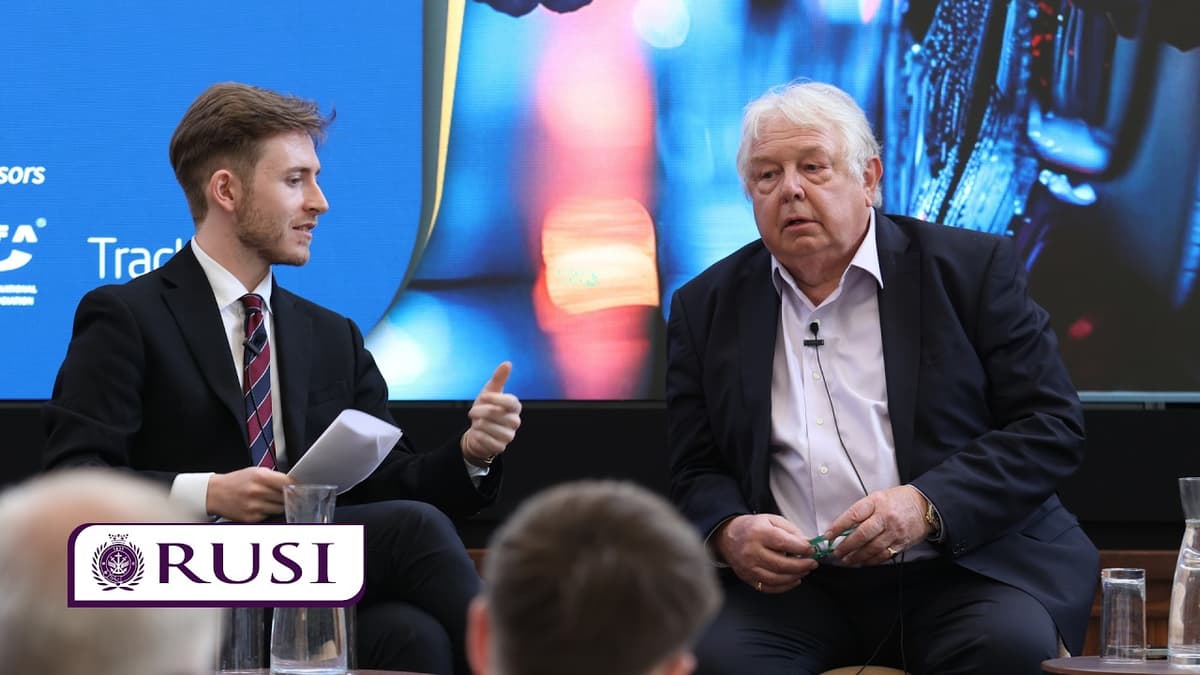
When Your Car Disappears: LBC's Nick Ferrari on Vehicle Theft, Policing, and Public Frustration
Nick Ferrari recounts the unsettling theft of his distinctive black Jeep Wrangler, using his personal ordeal to explore a broader wave of vehicle crime gripping London. He describes how media exposure—LBC, the Sunday Express, and online platforms—quickly amplified his case,...
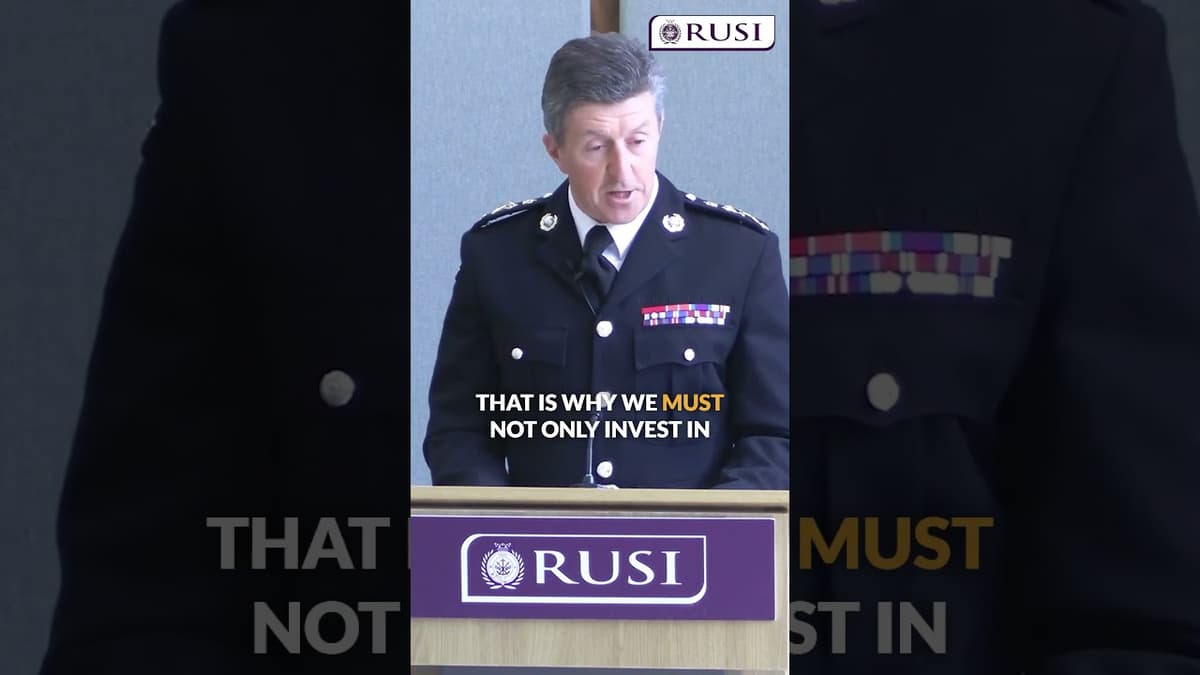
The Pace of Technological Change in Conflict | First Sea Lord General Sir Gwyn Jenkins
First Sea Lord General Sir Gwyn Jenkins warned that the tempo of technological change in modern warfare has accelerated to a point where days, not years, define innovation cycles. He highlighted Ukraine’s relentless need to upgrade drones daily to evade...
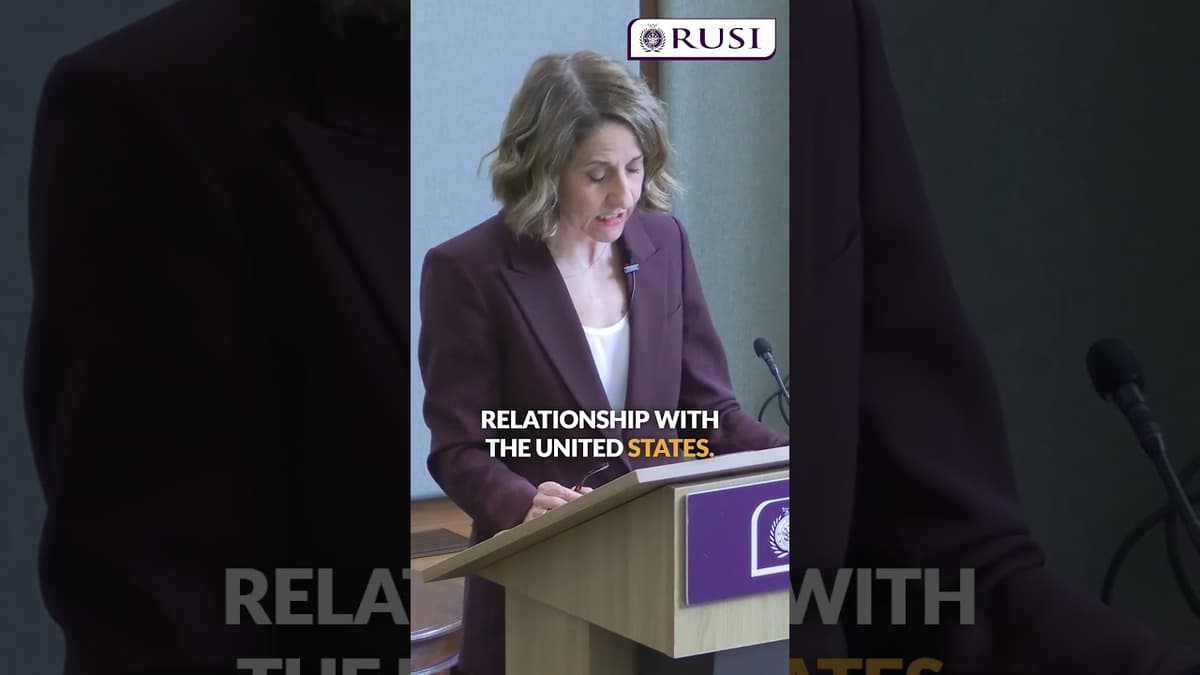
Open Source AI Models and Strengthening the UK's Cyber Resilience
The video outlines the United Kingdom’s strategy to bolster cyber resilience by harnessing open‑source AI models and expanding the role of its National Cyber Security Centre alongside a dedicated AI security institute. Officials stress that these initiatives are designed to...
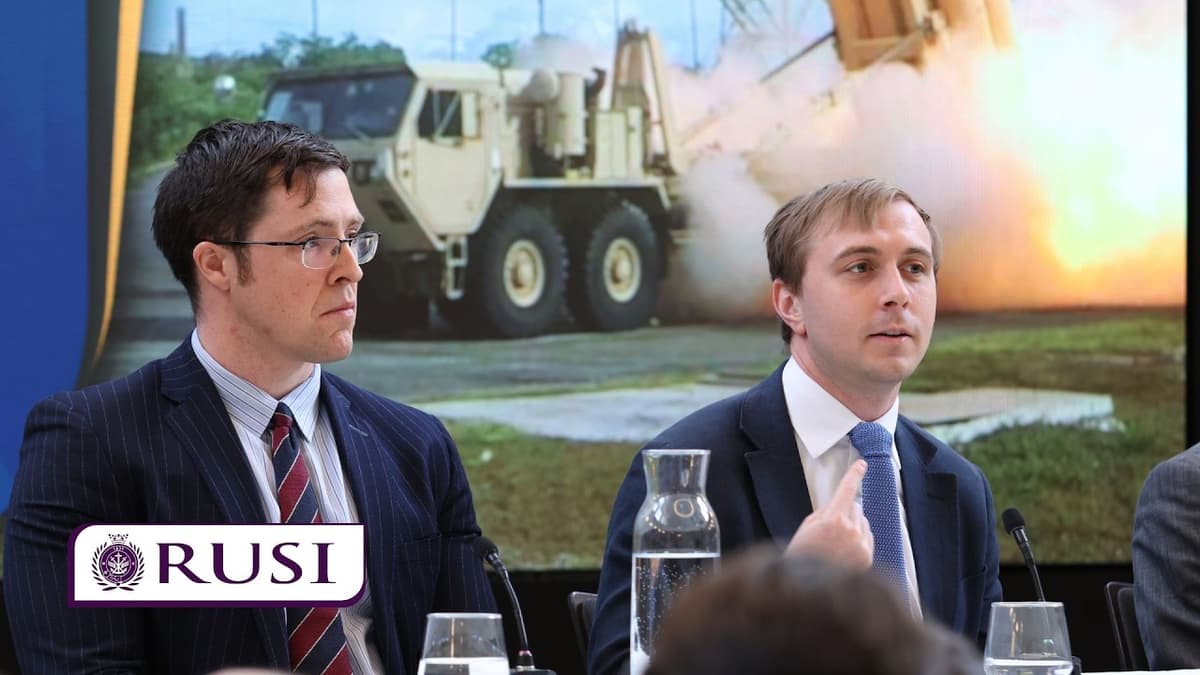
Confronting The Evolving Missile Threat in Europe | IAMD Conference 2026
The 2026 RUSI Air‑Missile Defence conference opened with Siddharth Kaushal framing Europe’s air‑and‑missile threat as a convergent, evolving challenge that now dominates anti‑access, critical‑infrastructure and supply‑chain security. Speakers highlighted how Russian forces have shifted from limited precision strikes to massive, coordinated...
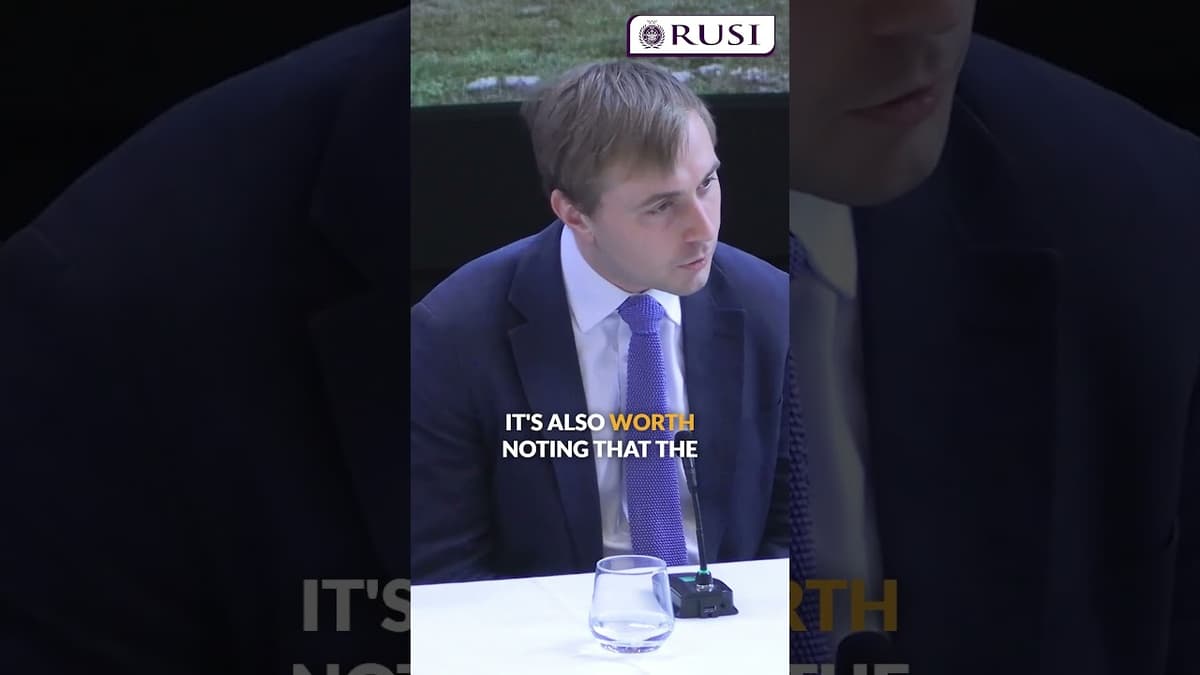
Will Russia Learn From Iran's Recent Experiences? | Integrated Air and Missile Defence Conference 26
The Integrated Air and Missile Defence Conference highlighted Russia’s accelerating collaboration with Iran, China and North Korea on advanced missile and air‑defence systems. Analysts noted that Moscow is not only sharing technology but also observing Iranian operational concepts, such as...
Dr Kaushal on Subsea Cable Sabotage
Dr. Kaushal explains that the vulnerability of subsea communication cables varies dramatically with water depth. In shallow regions such as the Baltic Sea, a simple commercial vessel dragging an anchor can sever a fiber‑optic line, providing a low‑cost, deniable method...
Matthew Savill on BBC 5 Live: Iran's 10-Point Ceasefire Plan
On BBC 5 Live, security analyst Matthew Savill dissected Iran’s newly unveiled 10‑point cease‑fire proposal, questioning its viability and alignment with U.S. interests. The discussion centered on Tehran’s demand to retain influence over the Strait of Hormuz and other concessions that...
Dr Burcu Ozcelik on BBC 5 Live: Trump's Deadline on Iran
Dr. Burcu Ozcelik appeared on BBC 5 Live to warn that President Trump's looming deadline on Iran could trigger attacks on overwhelmingly civilian targets, raising strategic concerns for the White House. She argued that while Trump has cultivated an image of...

Dr Burcu Ozcelik on BBC Newsnight 1 April 2026 - Trump’s Iran 'Update'
The interview centered on the United Kingdom’s plan to convene a virtual meeting of more than thirty countries tomorrow, aimed at safeguarding the Strait of Hormuz – a critical artery for global oil shipments. Dr. Burcu Ozcelik linked the timing...

State Threats in Sub-Saharan Africa: Identity, Influence and Insecurity | 18 March 2026
The panel convened experts from Rusei to examine how state‑sponsored threats are reshaping Sub‑Saharan Africa through the lenses of identity, influence, and insecurity. By applying a gender‑focused framework, they argue that modern geopolitical competition is no longer confined to...

Lord Coaker: Why Defence Diplomacy Matters More Than Ever
Lord Coaker’s remarks underscore a strategic pivot toward defence diplomacy, arguing that in today’s security environment soft power is as vital as hard power. He frames Britain’s role within NATO—a 32‑nation alliance—as the cornerstone of this approach. The speaker highlights that...