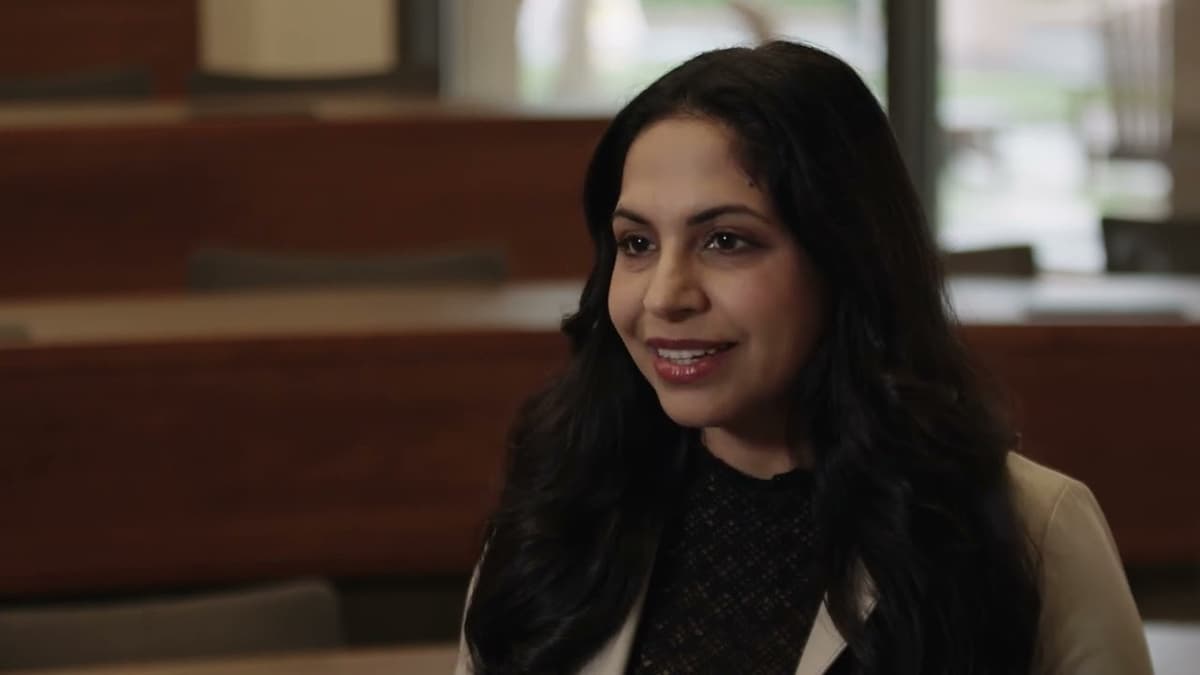
Stanford Executive Program: Transformational Leadership
The Stanford Executive Program (SEP) on Transformational Leadership offers senior executives an intensive, immersive curriculum designed to reshape how they think, lead, and innovate. Participants experience a blend of cutting‑edge academic research, cross‑functional sessions in marketing, finance and accounting, and dedicated modules on personal balance and whole‑self development. Key insights from alumni highlight a dramatic expansion of leadership lenses, with the program’s Creativity Unlock module prompting new ways of problem‑solving and fostering a culture of surprise and influence. The cohort model creates a "magical space" where deep relationships form through water‑cooler conversations, providing a continuous peer‑learning network beyond the classroom. Notable testimonials underscore the program’s impact: Ikroop Dhillon calls it "the best investment I've made in myself," while Greg Cullen notes the unexpected value of cohort dialogues. Faculty research underpins the curriculum, delivering actionable frameworks that translate directly into organizational change. The implications are clear: executives leave SEP equipped with actionable tools to drive creativity, balance personal well‑being with professional demands, and sustain long‑term growth, positioning their companies for competitive advantage in rapidly evolving markets.

Tekedra Mawakana, Co-CEO of Waymo: Building a Safer Way Home
The video features Tekedra Mawakana, co‑CEO of Waymo, discussing how the company builds a “safer way home” and her personal journey from Mississippi to the autonomous‑vehicle leader. Mawakana emphasizes that trust in driverless cars hinges on safety that surpasses the reliability...
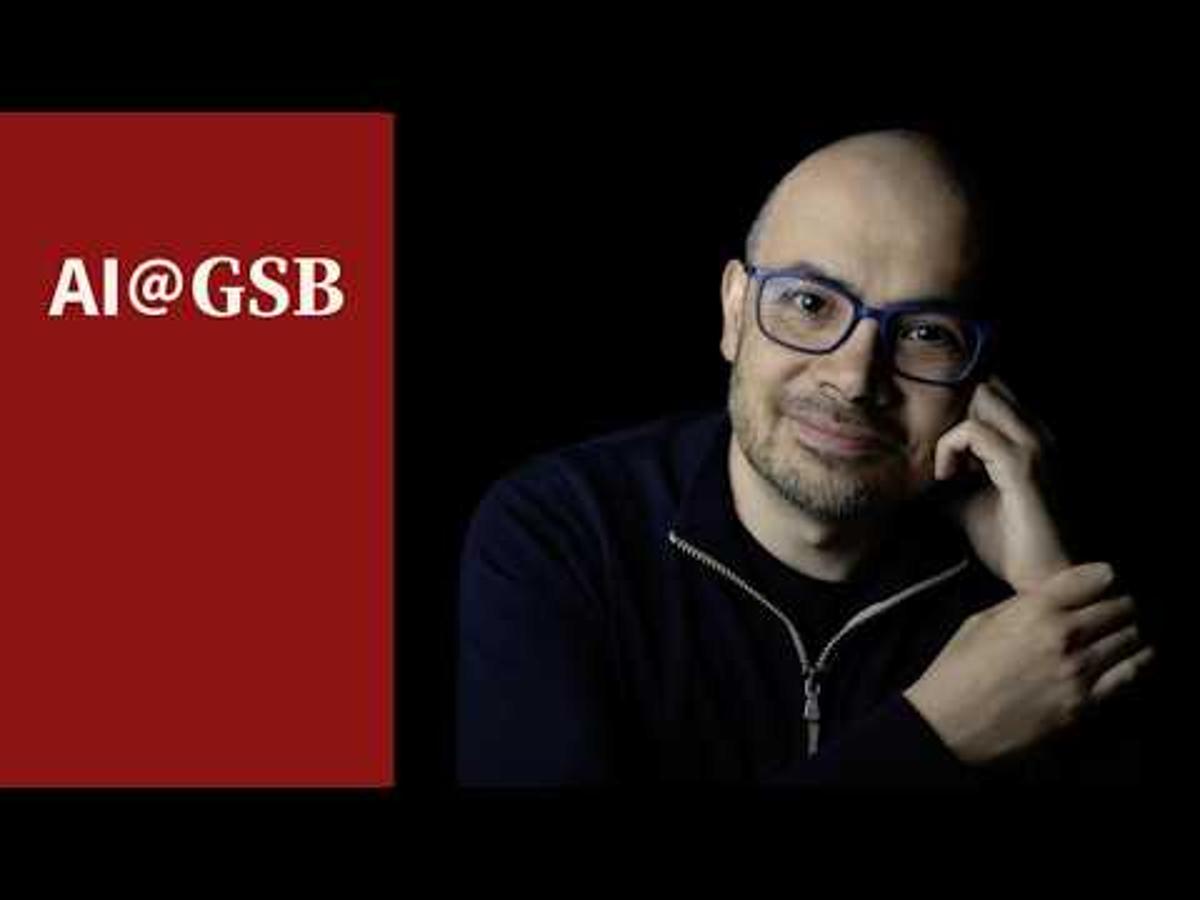
A Conversation with Demis Hassabis, Co-Founder and CEO of Google DeepMind
The Stanford fireside chat featured Demis Hassabis, co‑founder and CEO of Google DeepMind, discussing how AI research at the crossroads of games, neuroscience, and engineering is reshaping science and society. Hassabis traced DeepMind’s evolution from Atari and Pong experiments to...

The Black Box Problem #Explainer #StanfordGSB #AI
The video explains the ‘black‑box problem’—the opacity of modern AI models that can process vast amounts of text and data but offer little insight into how they reach conclusions. While AI’s computational power enables connections humans cannot make alone, the hidden...

Love Thy Neighbor: Community Building with Nextdoor CEO Nirav Tolia
In a Stanford Leadership for Society dialogue, Nextdoor co‑founder and CEO Nirav Tolia explains how the company‑owned platform is designed to strengthen hyper‑local communities by connecting residents with their immediate neighbors. Tolia stresses that Nextdoor is a utility‑driven network rather than...
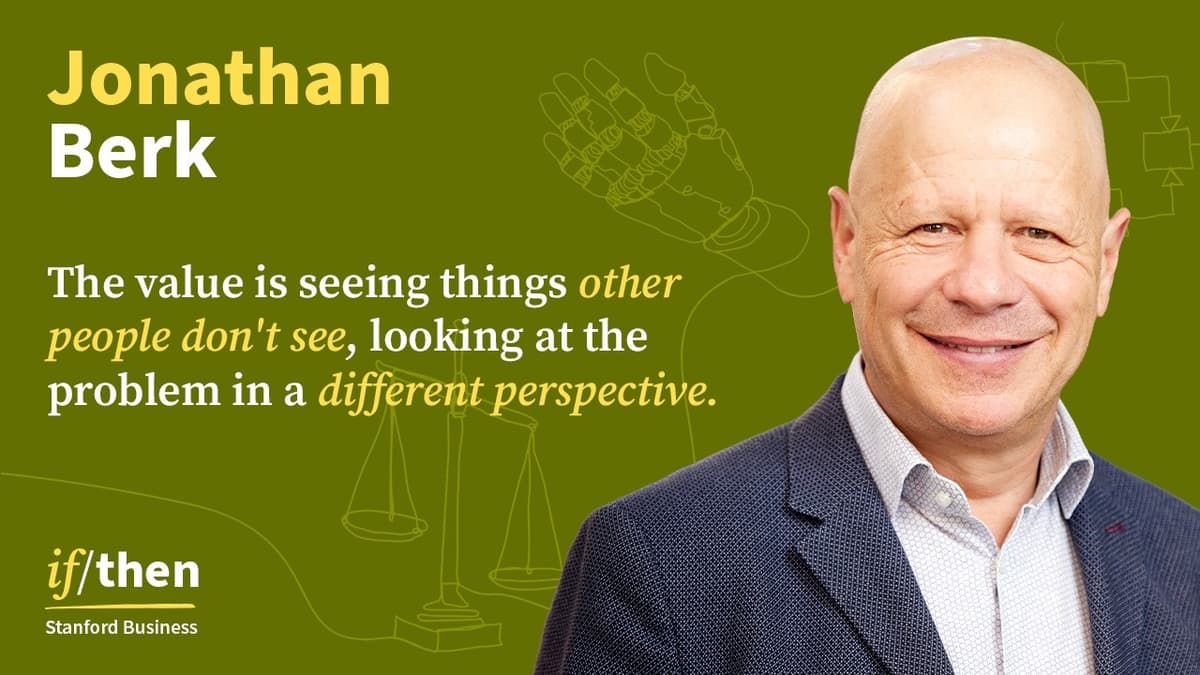
Unconventional Wisdom
The video opens with the story of Dick Fosbury’s revolutionary high‑jump technique, using it as a metaphor for challenging entrenched practices. It then shifts to a conversation with Stanford finance professor Jonathan Burke, who examines how conventional wisdom in economics—particularly...
Power to Truth: How Big Tech Is Rewriting Reality and Weakening Democracy
The video features Guy Rolnik, a journalist and professor, warning that the business models of dominant tech firms—most notably Meta—are fundamentally at odds with democratic norms. He illustrates this clash through a personal ordeal where AI‑generated impersonators used his name...
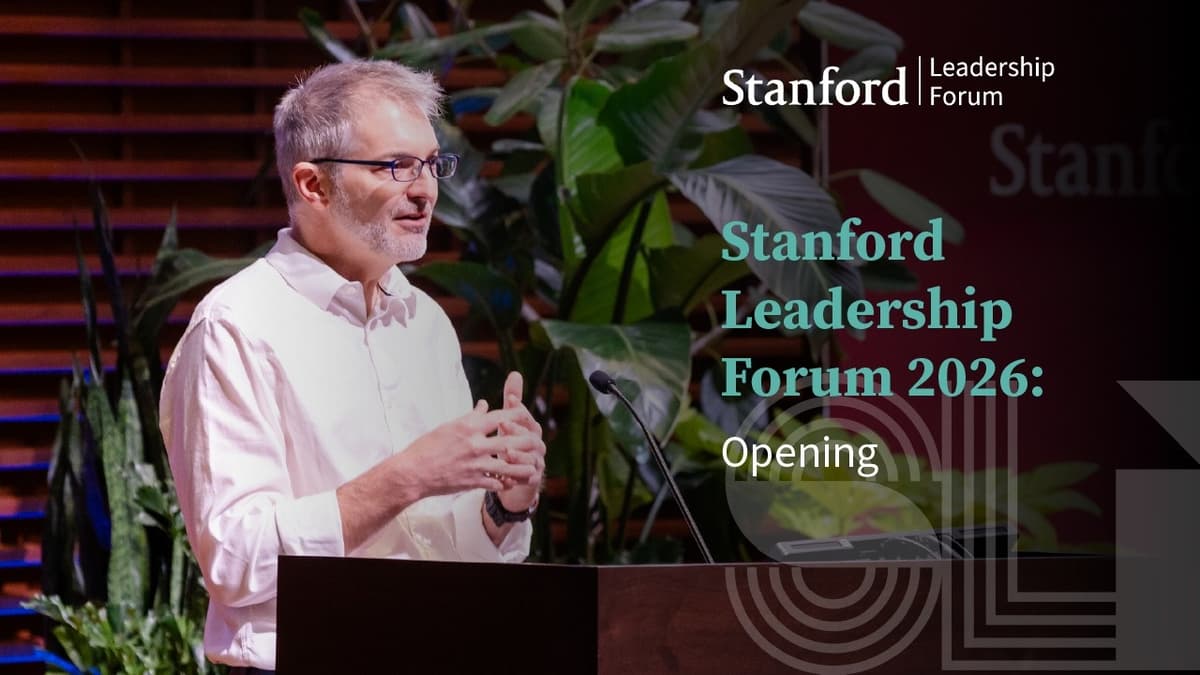
Stanford Leadership Forum 2026: Opening
Stanford Graduate School of Business opened its new Stanford Leadership Institute (SLI) during the inaugural Leadership Forum, signaling a formal commitment to equip future leaders for an era of rapid technological and societal change. Ken Schatz highlighted the institute’s mission to...
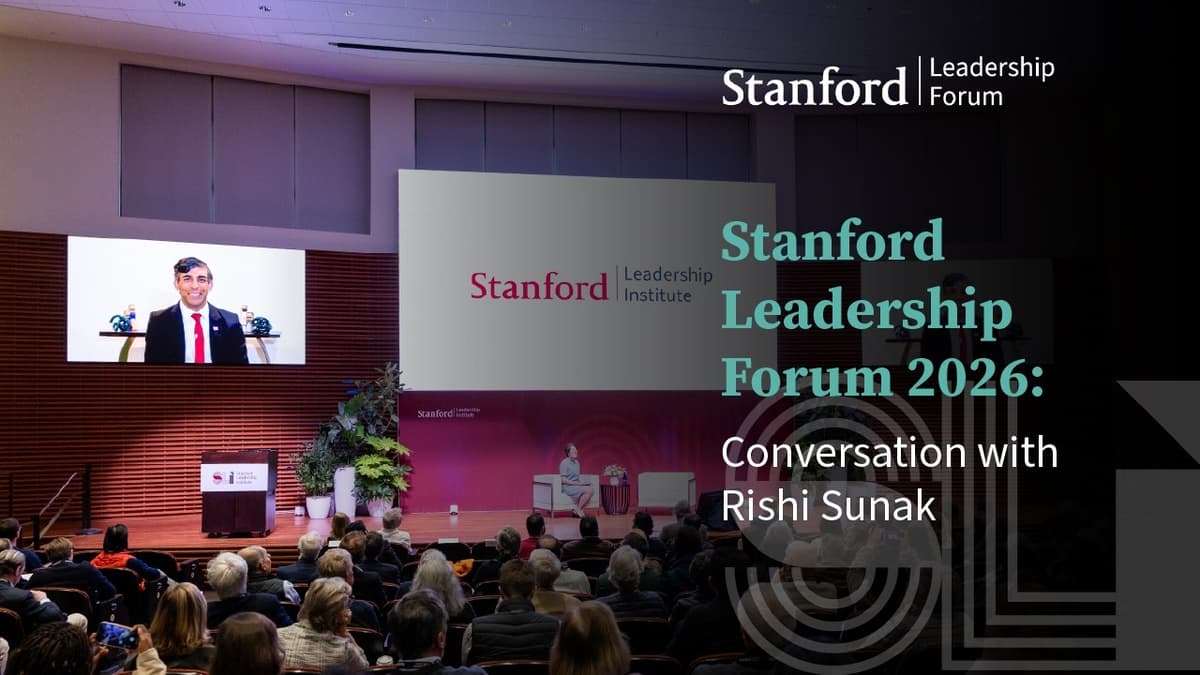
Stanford Leadership Forum 2026: Conversation with Rishi Sunak
The Stanford Leadership Forum opened with former UK Prime Minister Rishi Sunak joining Dean Sarah Soule via video to assess the shifting global landscape. Sunak argued that the post‑World‑War‑II rules‑based order has dissolved, ushering in a period of uncertainty where...

Stanford Leadership Forum 2026: Conversation with Ken Griffin
The Stanford Leadership Forum 2026 hosted a panel titled “The Business Case for Financial Literacy,” featuring educators, regulators, and investors—including Ken Griffin’s perspective—who argued that financial education is an economic imperative, not merely an academic add‑on. Panelists highlighted striking data: a...
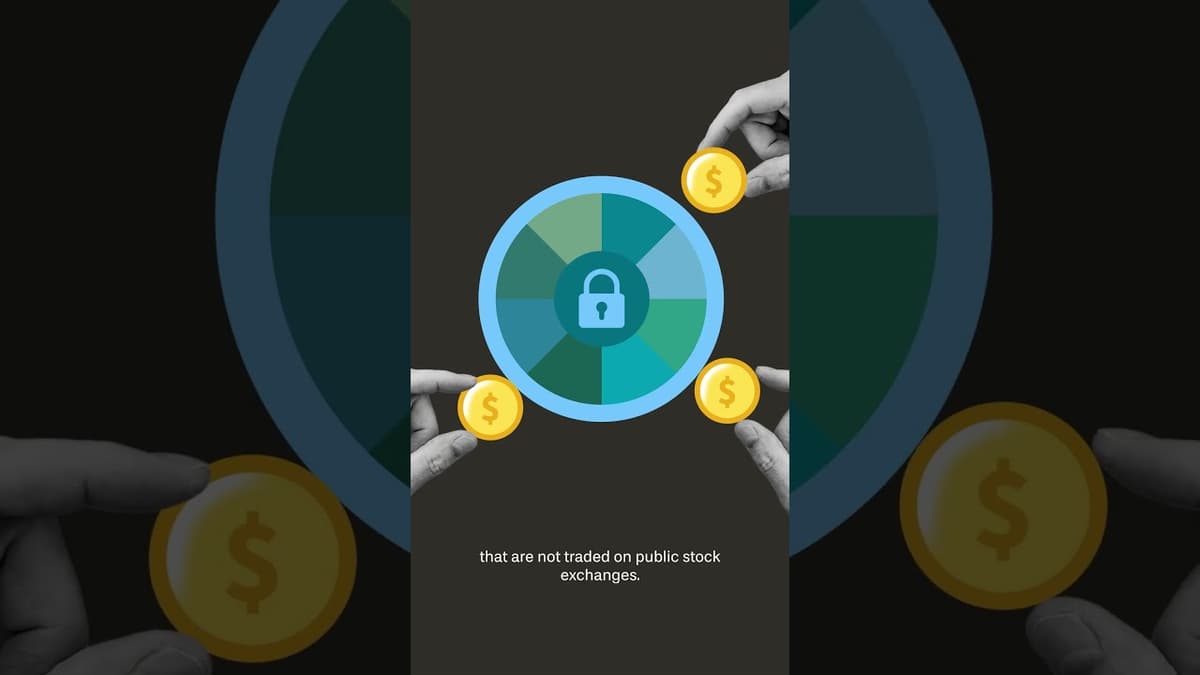
Explainer: What Is Private Equity? #StanfordGSB #Investing
The video defines private equity as capital placed in privately held firms that are not listed on stock exchanges, contrasting it with the more familiar public equity where investors buy shares of listed companies and can readily liquidate. It explains that...
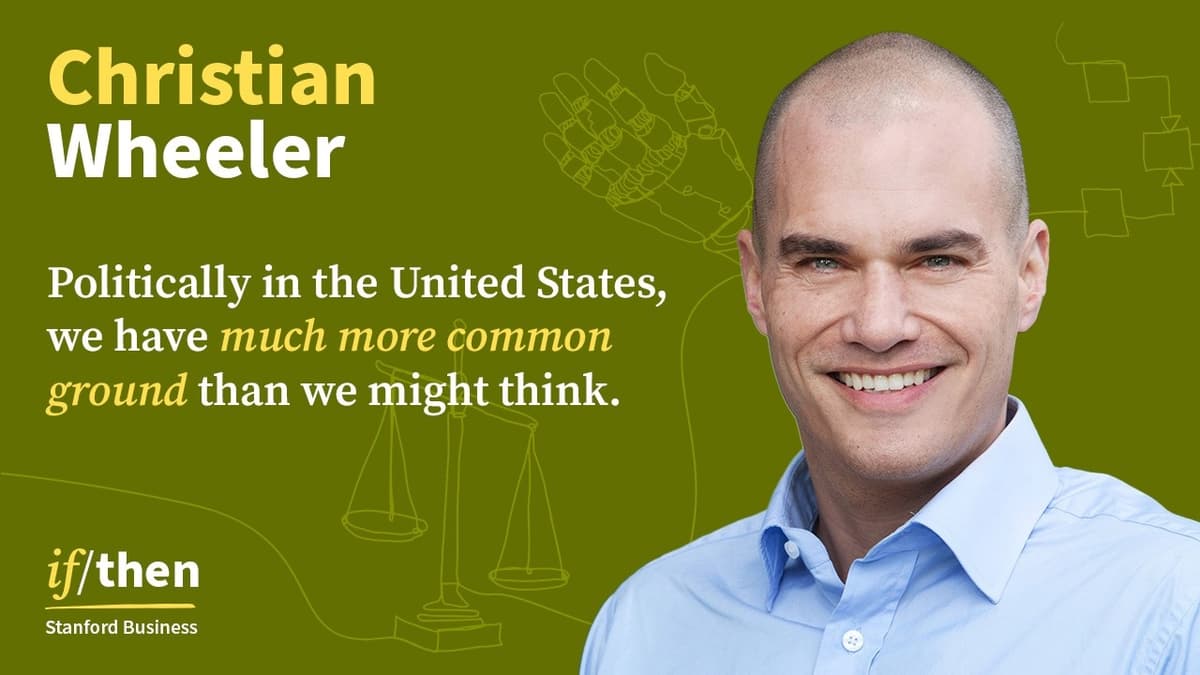
Why Who You Are Affects How You Think
The video uses tattoo culture and Stanford research to examine how who we are shapes the way we think. It begins with Shauna, a tattoo artist, who frames body art as a conscious expression of identity, noting that cover‑ups and...
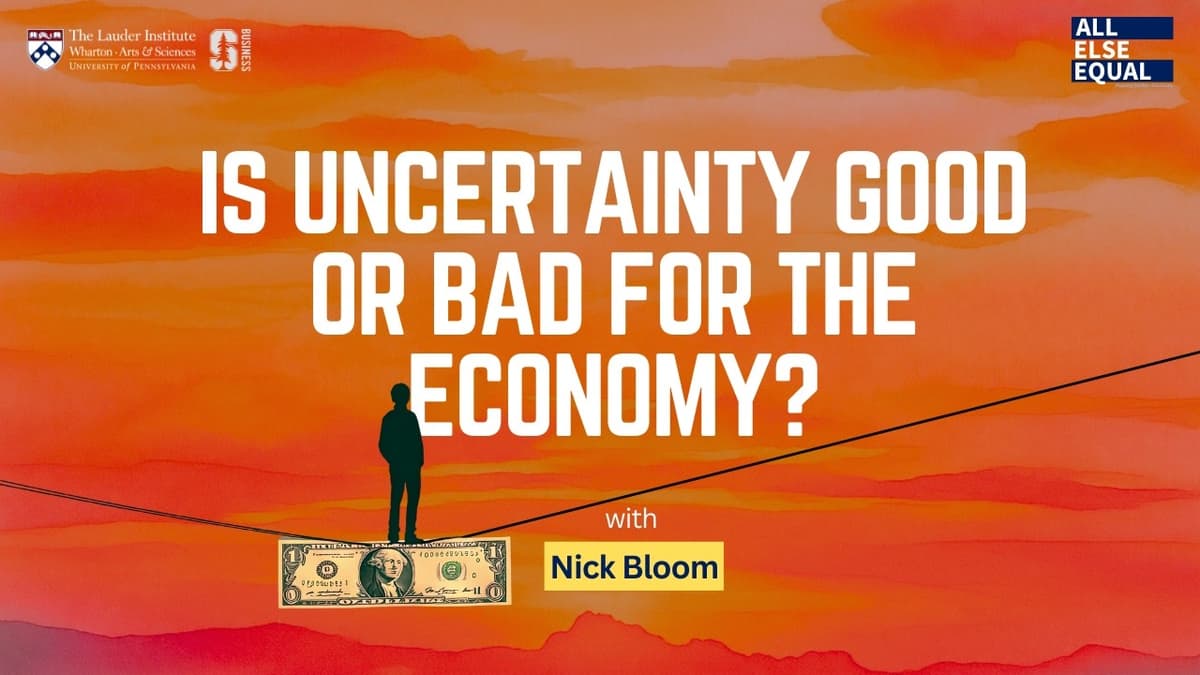
Ep76 “How Should You Deal with Uncertainty in Today's World?” With Nick Bloom
The All Else Equal podcast episode features Stanford economist Nick Bloom discussing how to measure economic uncertainty and why the choice of metric matters for businesses and policymakers. Bloom outlines three classic approaches—GDP growth volatility, financial market volatility such as the...
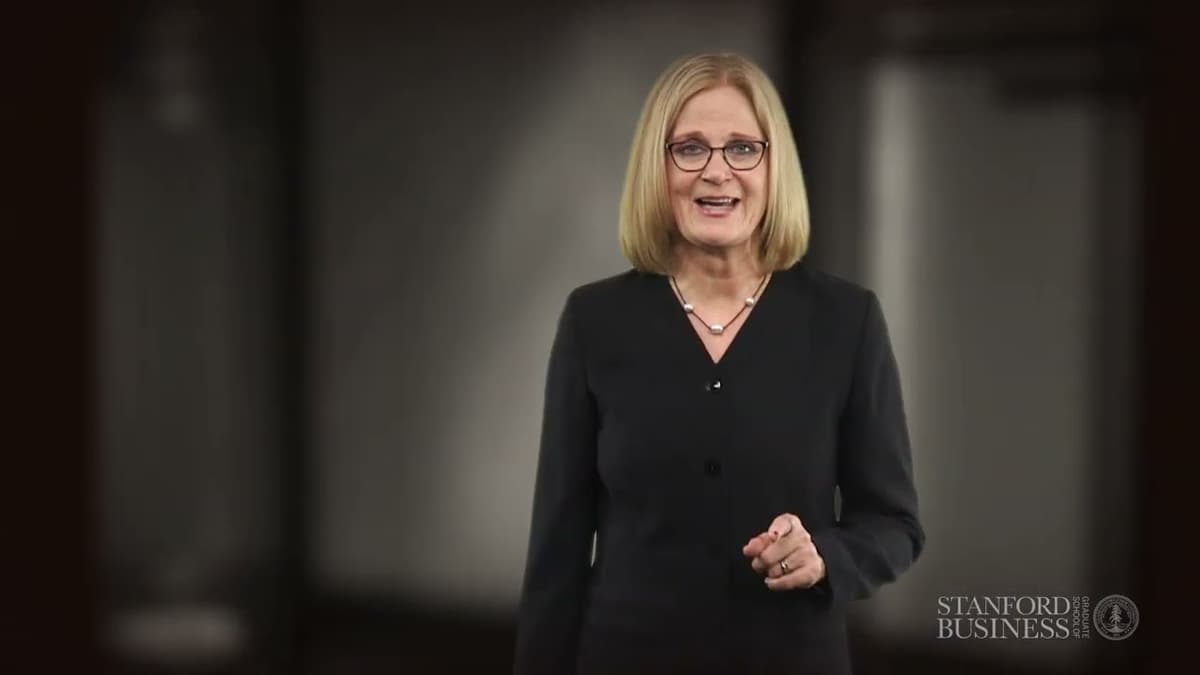
Stanford LEAD Webinar: Negotiations, Getting (More of) What You Want
The Stanford LEAD webinar introduces a new online course focused on mastering negotiations. It highlights a hands‑on curriculum where participants engage in three live negotiation simulations, using peer feedback to refine tactics. The program draws on decades of psychological and economic...
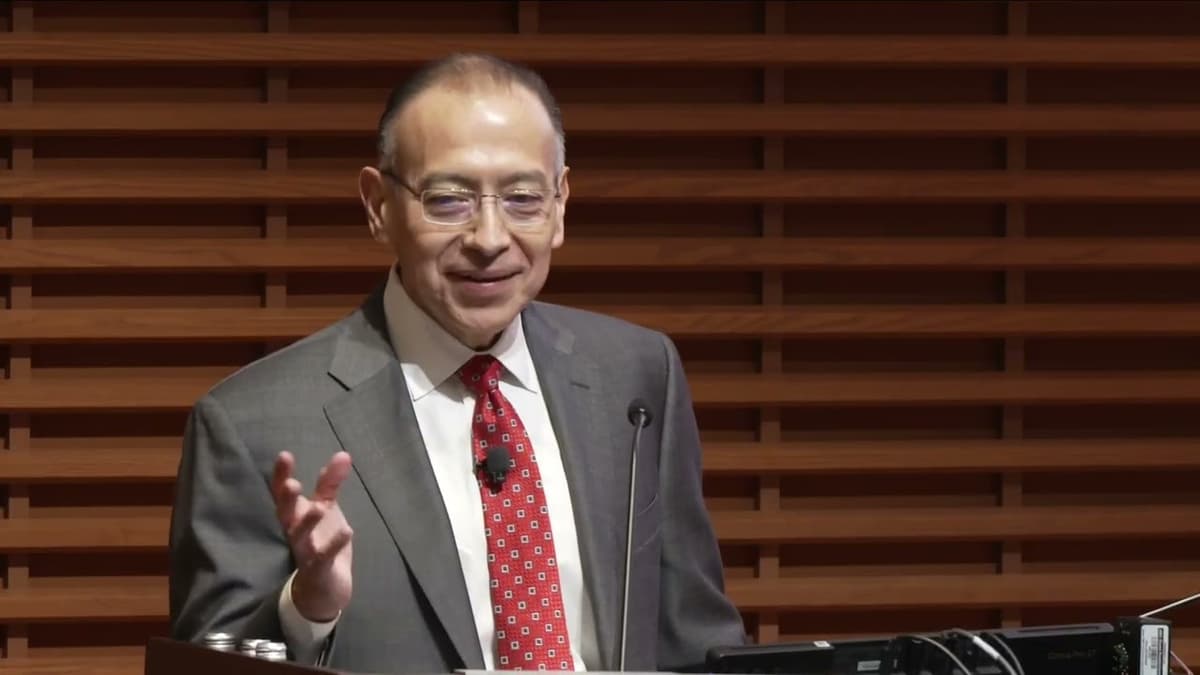
2026 State of Latino Entrepreneurship (SOLE) Summit
The 11th annual State of Latino Entrepreneurship (SOLE) Summit convened at Stanford University, hosted by Elban, to celebrate and advance Latino business leadership. Attendees included alumni, ecosystem partners, and Stanford trustees, underscoring a collective commitment to building a supportive network...