
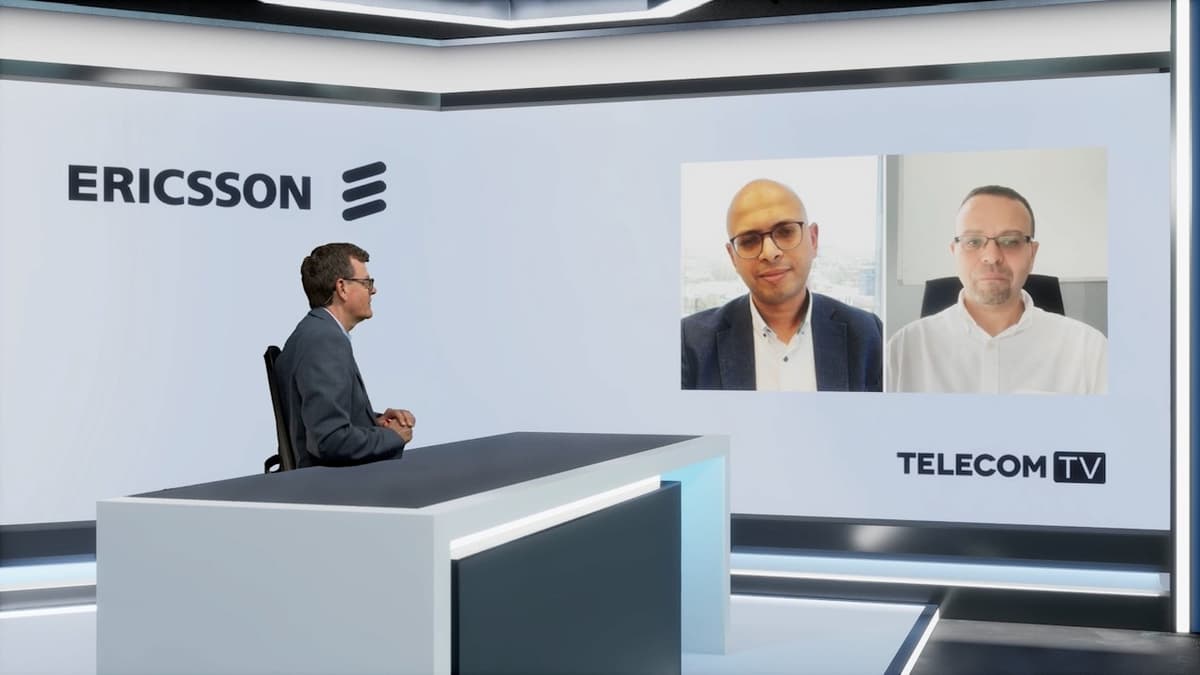
Lead with AI in Autonomous Networks
Telecom TV’s panel examined how AI is reshaping autonomous networks as operators move from static hardware to cloud‑native, software‑defined fabrics. With 5G already deployed, the scale and dynamism of services now exceed human‑managed operations. Both Deutsche Telekom and Ericsson argued that AI is no longer an add‑on but the network’s operating system. AI must handle millions of variables, personalize SLAs in real time, and boost resilience and energy efficiency across the resource, service and business layers. Ericsson highlighted concrete models—from edge‑embedded link‑adaptation neural nets to centralized R‑apps using graph neural networks and reinforcement learning—showing live gains of up to 20% user throughput, 10% spectral efficiency, and 75% OPEX reduction in cell‑shaping. Deutsche Telekom stressed the need for open, interoperable agents and federated learning to preserve data sovereignty while sharing insights. The discussion underscored that widespread AI adoption hinges on clean, AI‑native data, multi‑vendor openness, and trustworthy, explainable outcomes. Operators that master these challenges can unlock cost savings, higher performance, and sustainable network growth.
Rakuten Symphony on Balancing AI Agent Autonomy with Network Control
The discussion centered on how generative AI agents are reshaping telecom operations, with Tapas Ranjan of Rakuten Symphony arguing that their net benefit hinges on policy‑based execution rather than unrestricted autonomy. He described the industry’s "control paradox"—the need to grant...
AI-RAN Implementation Strategies for 5G and 6G Networks
The interview with Vihang Campbell, CTO of Rakuten Symphony’s RAN unit, explores how artificial‑intelligence‑driven radio access networks (AI RAN) are being rolled out in today’s 5G and what they could look like in future 6G deployments. Campbell highlights that AI RAN is...

How Telcos Can Differentiate Themselves with Telecoms Sovereignty Services
The Unthinkable Lab convened telcos, vendors and regulators to dissect the rising demand for telecom‑sovereignty services. Participants linked the surge to recent US policy moves – notably the Cloud Act under the Trump administration – and broader geopolitical frictions...
Moving to AI-Native RAN
The discussion centers on the transition from cloud‑native Open RAN to AI‑native RAN, with Wind River CTO Paul Miller explaining that the shift does not require a wholesale architectural overhaul but rather adds AI capabilities atop the existing Open RAN...
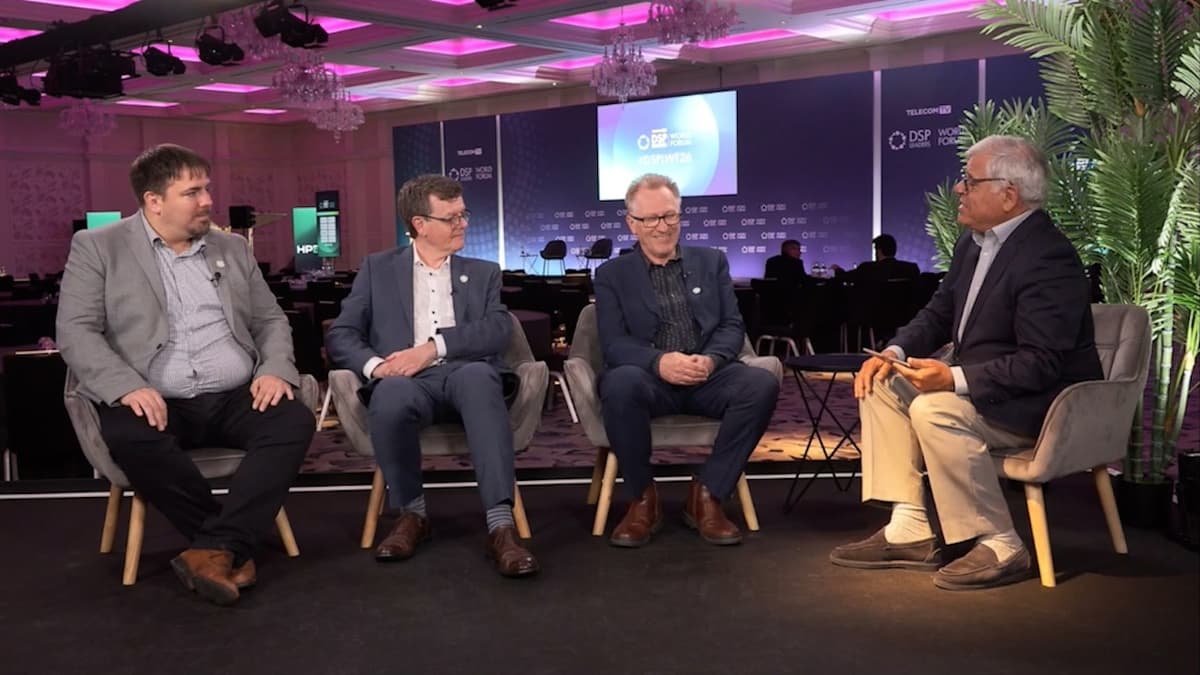
Key Editorial Insights From DSP Leaders World Forum
The DSP Leaders World Forum in Windsor wrapped up with a candid editorial round‑table, where senior voices dissected the week’s themes – chiefly the rapid infusion of artificial intelligence into telco operations, cultural readiness, and the sector’s standing with adjacent...
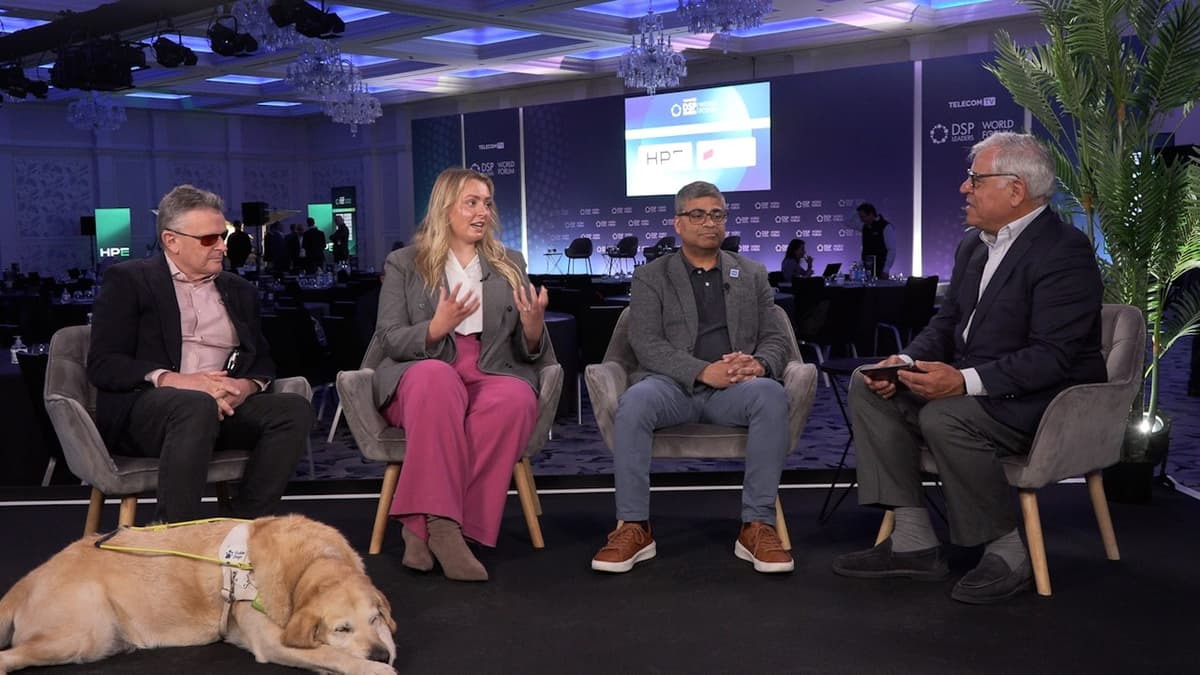
Moving Beyond AI Pilots to Business Transformation
The panel at Telecom TV’s DSP Leaders Forum tackled the gap between AI pilots and true business transformation for telecom operators. Speakers emphasized that AI should move beyond isolated proof‑of‑concepts toward initiatives that directly boost revenue and customer experience. Key insights...
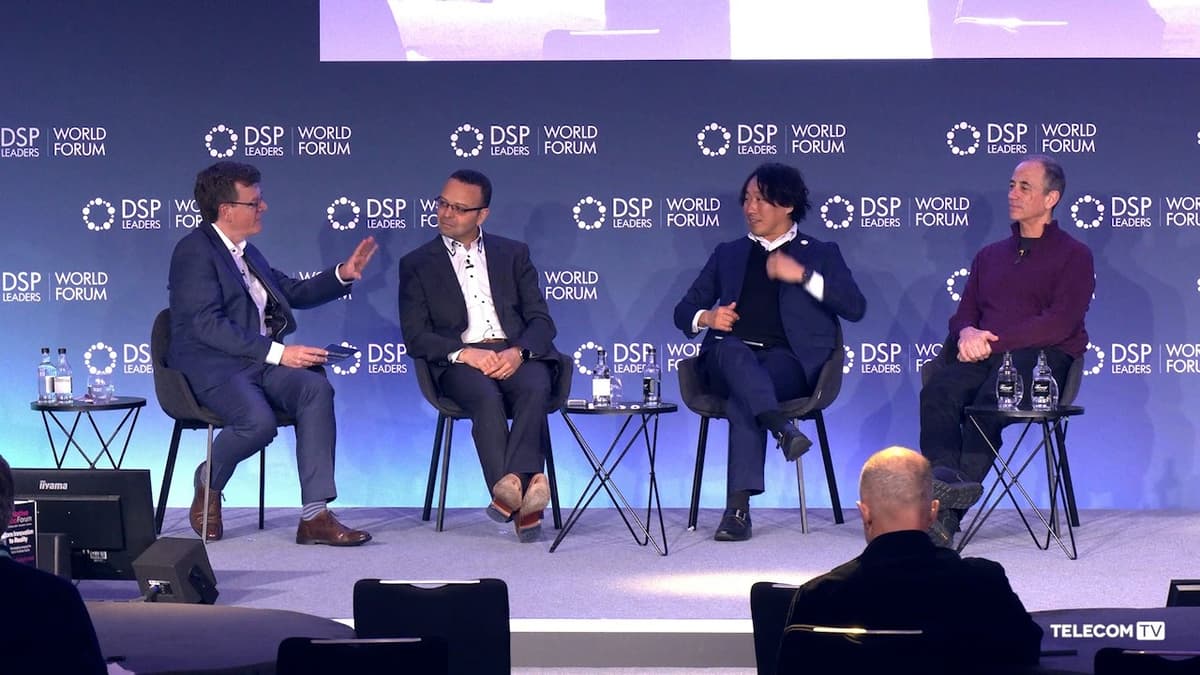
Accelerating the AI-Native Telco
TelecomTV introduced the AI‑Native Telco Accelerator (ANTA), a multi‑channel initiative that includes a dedicated content stream, an annual forum in Düsseldorf, and the first AI‑Native Telco Index ranking operators on AI transformation. The Index will score roughly 20 metrics such...
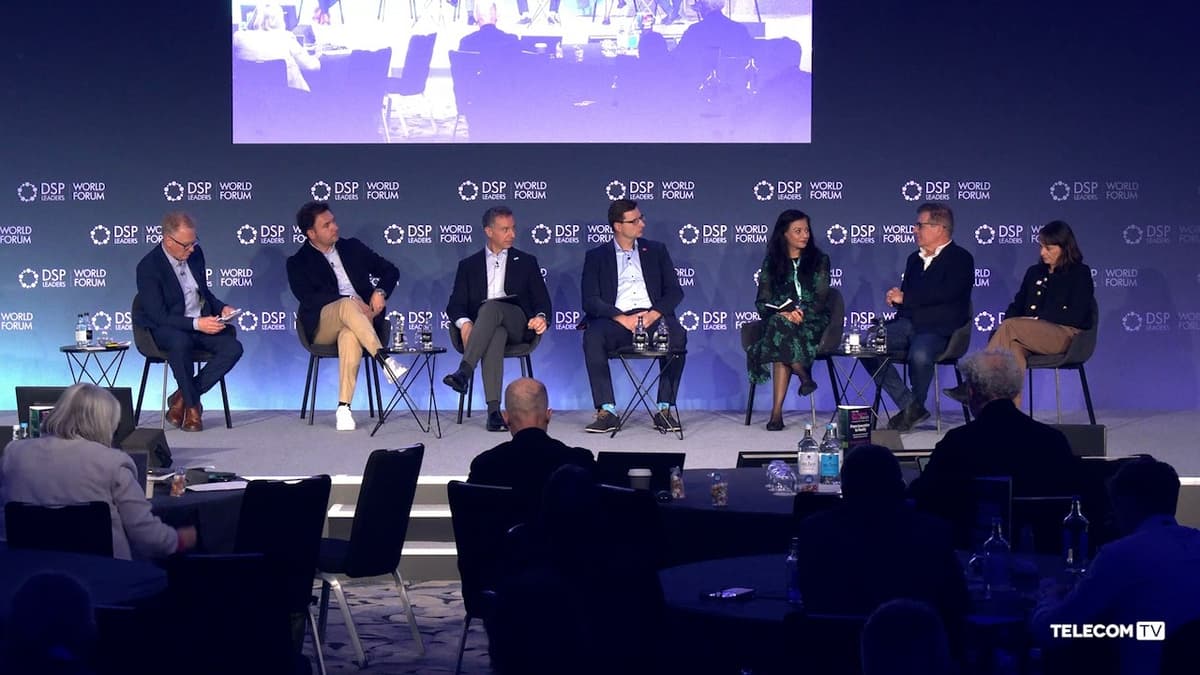
Digital Sovereignty Requirements
The panel convened at Windsor’s digital‑sovereignty session explored how geopolitical tensions are reshaping telecom strategy. Participants – from BT’s CTO to Ofcom’s policy director and industry vendors – examined the urgent need for a clear, UK‑specific framework that defines what...
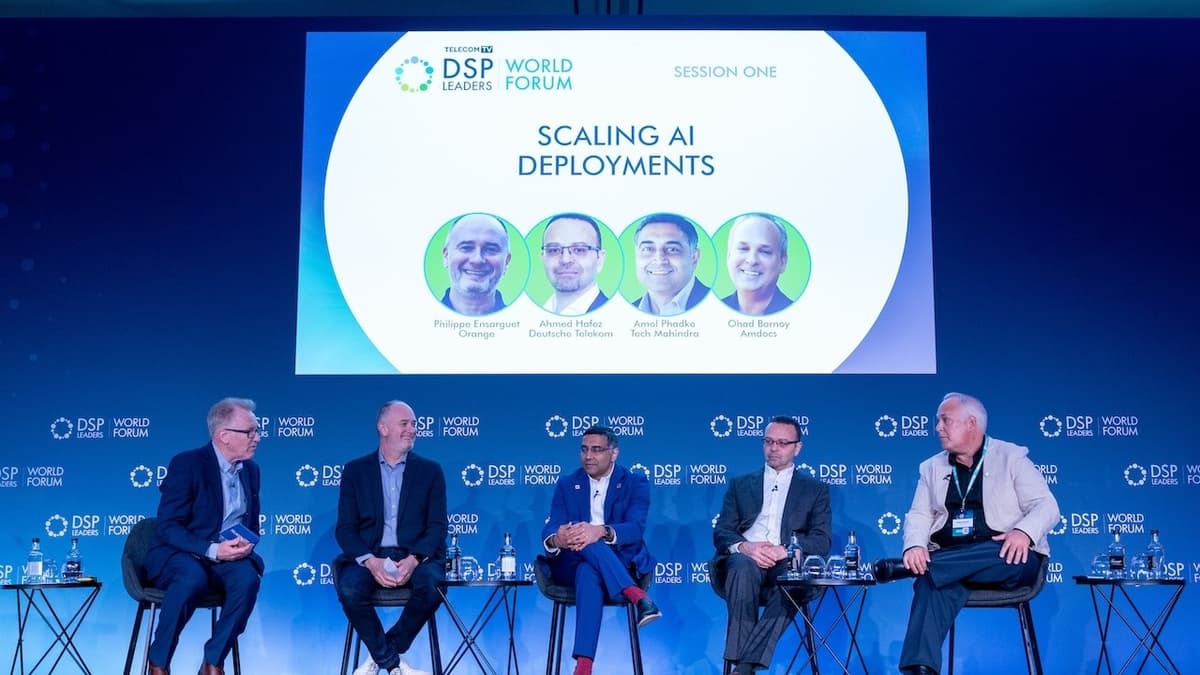
Scaling AI Deployments
The panel titled “Scaling AI Deployments” highlighted the telecom sector’s urgent need to move beyond isolated AI pilots and embed artificial intelligence into core operations. Speakers from Amdocs, Deutsche Telekom, Tech Mahindra and Orange argued that while proof‑of‑concepts are easy to launch,...
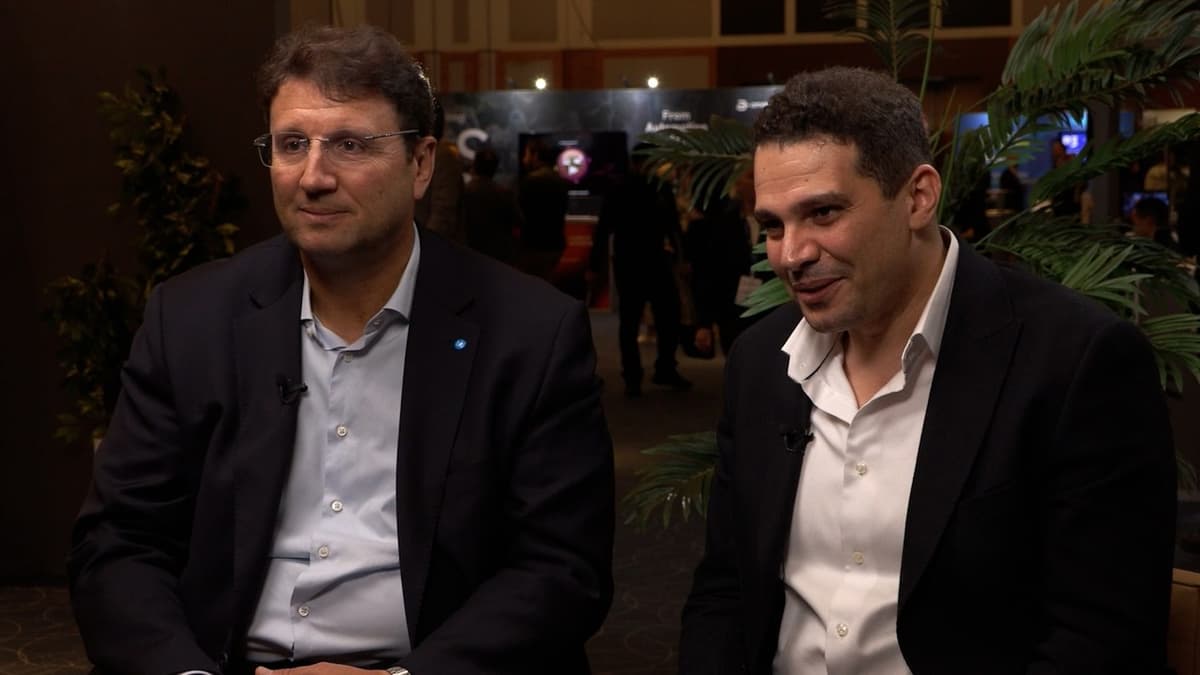
Orange Business and Blue Planet on Invisible OSS and AI-Driven Network Operations
At FutureNet World 2026, Orange Business and Blue Planet outlined a joint roadmap to transform telecom operations through an AI‑driven, “invisible OSS” model. The discussion centered on moving from legacy, ticket‑based systems to a programmable, platform‑based architecture that unifies...
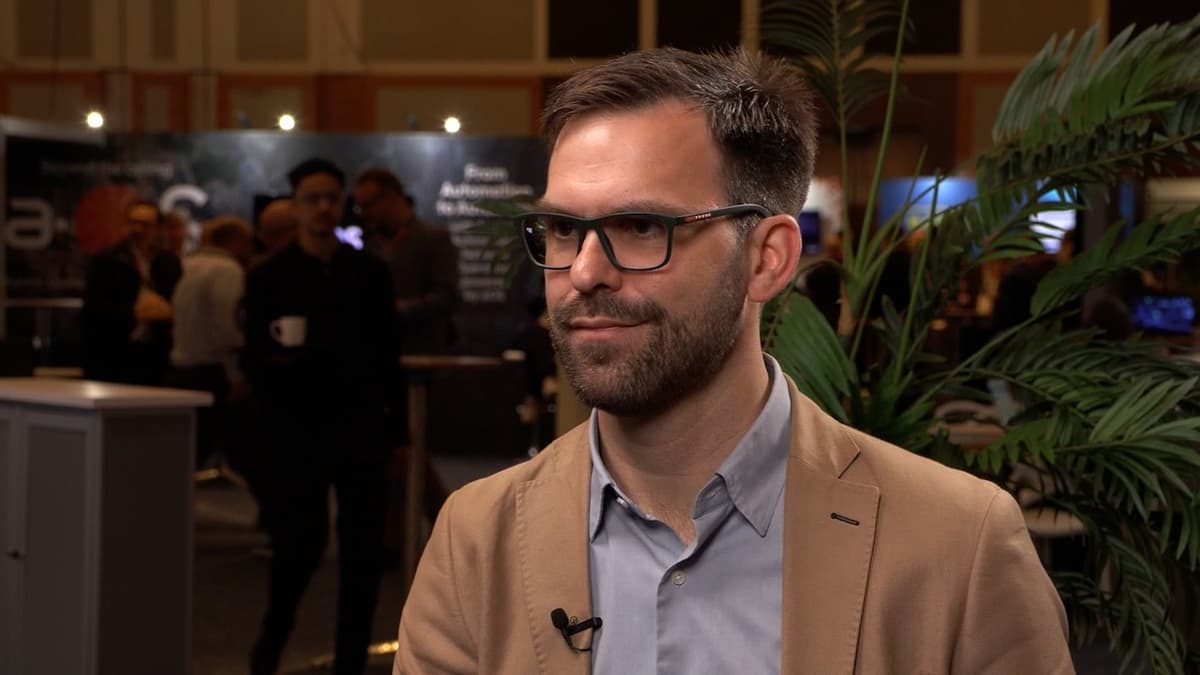
How AI Is Giving Voice a New Lease of Life
Telecom operator Orange Business used the Telecom TV interview to showcase how AI, especially voice AI, is becoming a revenue engine rather than just a cost‑saving tool. Miguel Alvarez highlighted that the group generated €300 million in AI‑related sales last year...
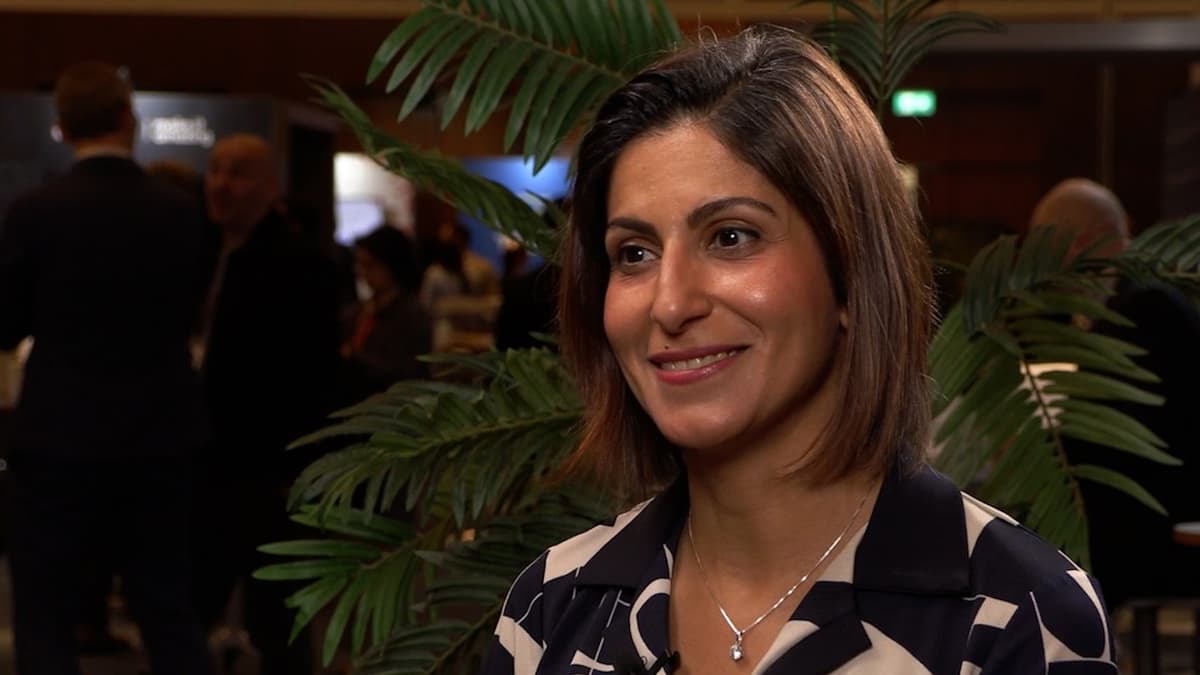
How Eutelsat Is Leveraging AI Innovation
At Futureet World, Dr. Mariam Kenya, chief data and information officer of Eutelsat, explained how the satellite operator is embedding AI across its data, IT, and cybersecurity strategy, emphasizing generative and agentic AI as the next wave. She described a three‑pillar...
Why AI Is Like Jelly
At Futureet World 2026 in London, industry leaders debated the state of artificial intelligence in telecom, using a vivid "AI is like jelly" analogy to capture its current fluidity and unpredictability. Panelists noted a scarcity of hard‑numbers; most initiatives remain operational...
A Deep Dive Into Deutsche Telekom’s Telco Cloud
The interview introduces Deutsche Telekom’s new horizontal telco cloud, a production‑grade architecture deployed in its German network. Built on three layers—cloud infrastructure, a vanilla Kubernetes stack, and cloud‑native network functions—the platform adds a unified automation layer that supersedes traditional vendor‑specific...