Exploring Chronic Pain
The video explores how the brain’s interpretation of pain signals can perpetuate chronic discomfort, urging viewers to view pain through a neuroplastic lens. It introduces seven practical strategies, beginning with the creation of an evidence journal, to help the mind recognize and correct erroneous pain narratives. By documenting exceptions—moments when pain subsides despite usual triggers—viewers gather concrete proof that the brain can be distracted from fear‑driven pain. The speaker advises noting stress levels, onset circumstances, and other patterns from a 13‑point guideline list, reinforcing the notion that pain often stems from learned neural pathways rather than tissue damage. The presenter cites Alan Gordon’s book *The Way Out* and shares anecdotes, such as a back ache that vanished during an exciting movie, and Mary’s sudden pain after her daughter’s engagement, illustrating how emotional context influences pain perception. These examples underscore the power of self‑generated evidence to reshape neural circuits. Adopting these techniques could empower chronic‑pain sufferers to reduce reliance on medication, improve functional outcomes, and foster a proactive mindset toward healing, highlighting the broader potential for neuroplastic interventions in pain management.

How to Actually Change
The video outlines a step‑by‑step method for rewiring impulsive habits, emphasizing that change is a retroactive process that moves from post‑action awareness to pre‑action interception. In weeks one and two, viewers learn to catch themselves after the impulsive act, cultivate curiosity,...
What to Do with Triggers
The video addresses how individuals can transform the way they respond to emotional triggers, emphasizing that triggers are not the cause of behavior but signals that create a decision point. It explains that between a stimulus and a reaction lies a...
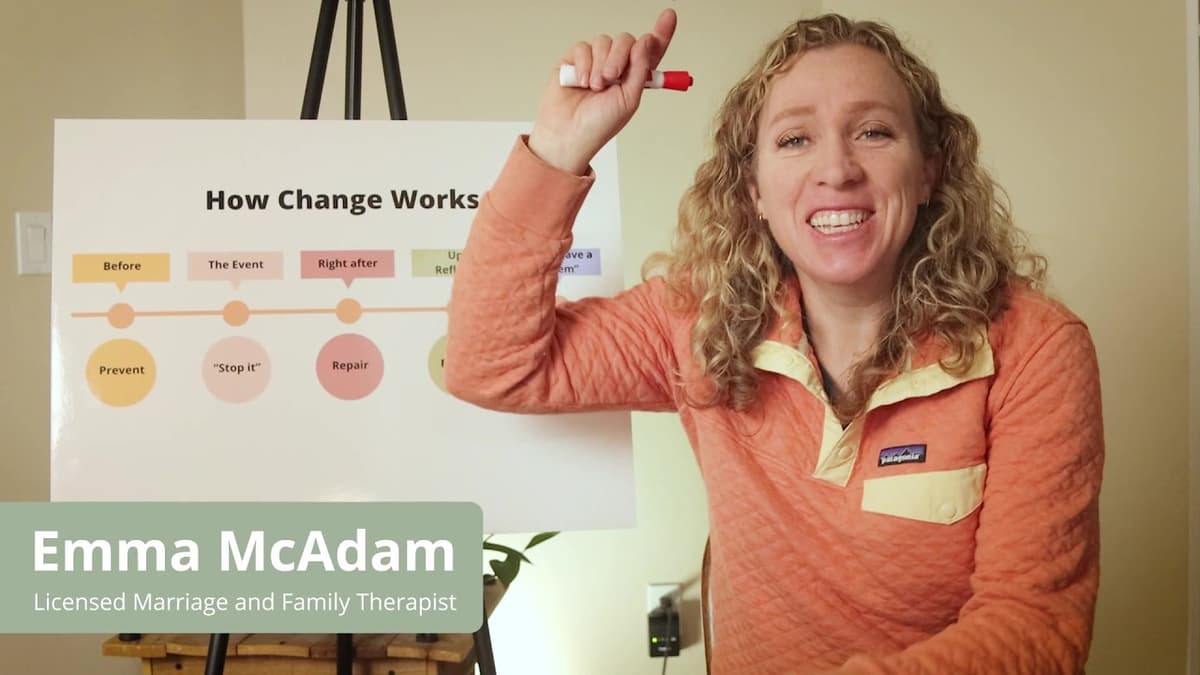
How To Be Less Reactive or Impulsive - The System that Actually Works
The video explains that impulsivity is a nervous‑system reflex, not a lack of willpower, and introduces a five‑step system to rewire automatic reactions. It teaches viewers how to identify triggers, insert a deliberate pause, and replace impulsive habits with healthier...

Chronic Pain Treatment
The video introduces semantic tracking, a mindfulness‑based technique designed to reprocess chronic pain by encouraging intentional, non‑judgmental observation of discomfort. The presenter positions it as a core component of pain‑reprocessing therapy, offering a short, repeatable practice that can be accessed...

The Most Actionable Way to Improve Your Therapy
The video argues that the single most actionable habit for improving therapy outcomes is to bring a notebook or journal to each session. Because intense emotions dampen the brain’s thinking and memory‑encoding functions, clients often forget key insights, therapist suggestions, and...

Healing Beam of Light Meditation for Energy, Warmth and Healing
The video introduces a guided “Healing Beam of Light” meditation designed to boost energy, warmth, and emotional healing, especially useful at the start of the day. The practice begins with grounding, deep breathing, and visualizing cold, frosty tension in the body....