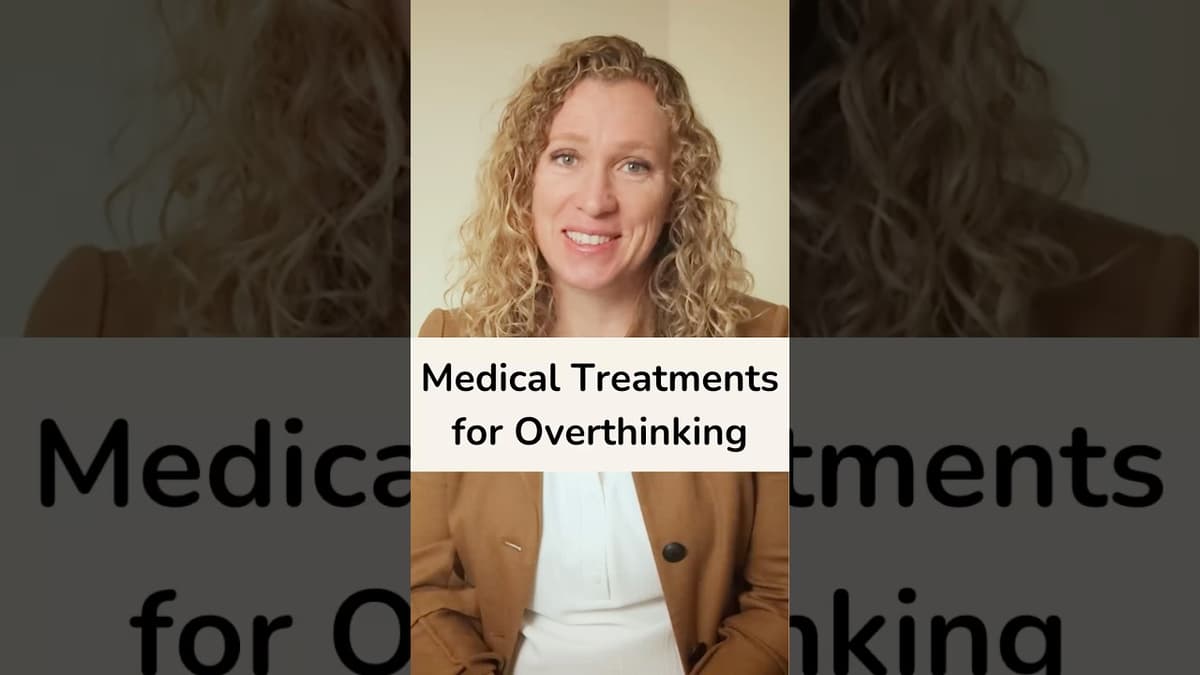
Medical Treatments for Overthinking
The video addresses how rumination—described as a deep rut—locks thinking patterns, leading to depression, hopelessness, and anxiety. It outlines three medical interventions that can reshape neural pathways: SSRIs, now viewed as neuroplasticity enhancers; ketamine therapy, which raises brain‑derived neurotrophic factor to foster new neuronal branches; and transcranial magnetic stimulation (TMS), an office‑based, low‑side‑effect technique that stimulates cortical activity. A collaborating psychiatrist likens these treatments to fresh snow on a ski hill, making it easier to leave icy ruts and carve new trails. The speaker stresses that medication alone is insufficient without cognitive therapy. Pairing pharmacologic or neuromodulation approaches with psychotherapy accelerates recovery, offering a viable strategy for individuals and employers seeking to reduce mental‑health‑related productivity losses.
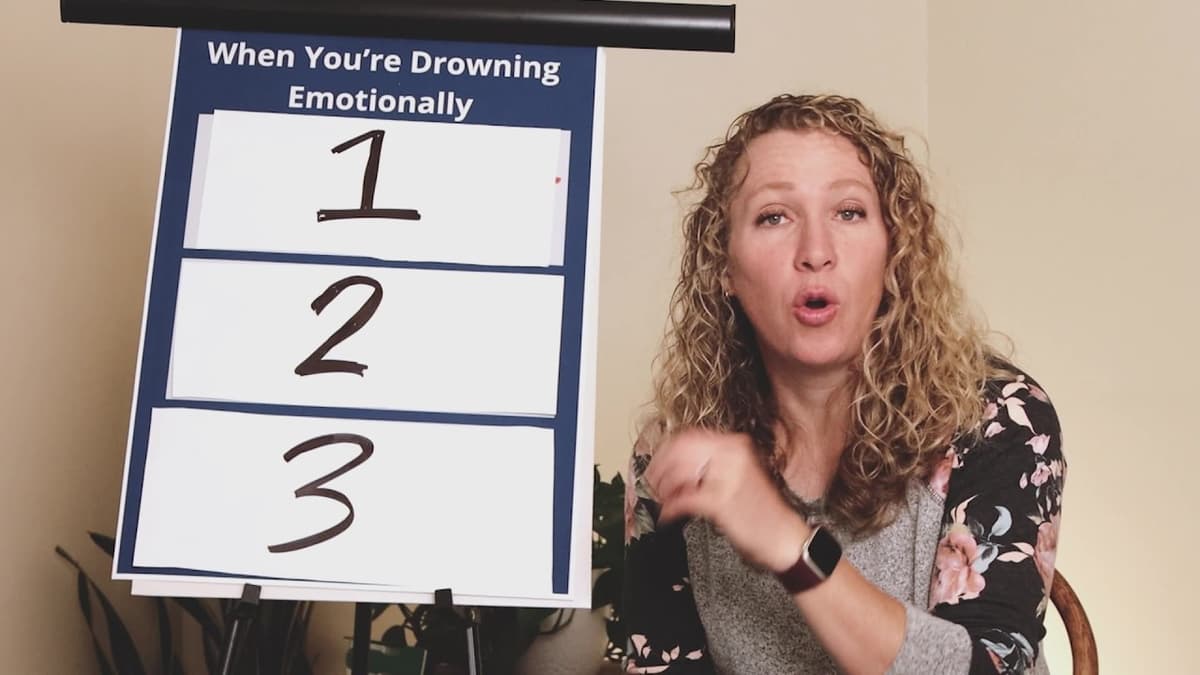
What to Do when Life Overwhelms You
The video tackles how to navigate periods when life feels overwhelming—multiple stressors converging into a crisis. It proposes viewing such moments not as catastrophes but as chances to level up one’s emotional toolkit. The presenter outlines a three‑step framework: first, reframe...
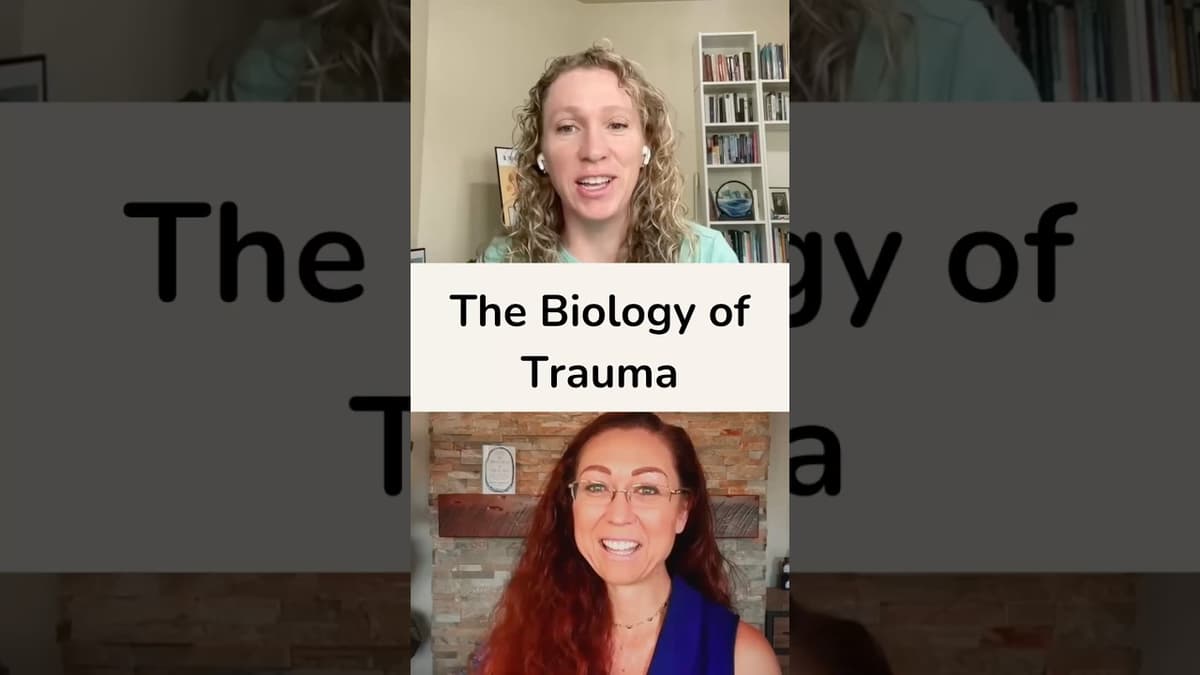
The Biology of Trauma
The video “The Biology of Trauma” explains how the nervous system orchestrates a cascade of responses when a person experiences extreme threat, moving from heightened sympathetic arousal to a paradoxical shutdown. Initially, adrenaline floods the body, fueling a “gas pedal” of...
Why Anxious People Shouldn’t Use Deep Breathing
The video challenges the long‑standing advice to use deep, diaphragmatic breathing for anxiety, explaining that many anxious individuals over‑inhale and inadvertently provoke a panic response. The therapist argues that forcing a deep breath can lower carbon dioxide levels, leading to...
Micro Habits to Regulate Depression or Trauma (Shutdown Response)
The video outlines nine micro‑habits designed to pull people out of a dorsal‑vagal shutdown—commonly experienced as depression, freeze, or trauma‑induced immobilization. It frames the nervous system in three states (ventral vagal safety, sympathetic alertness, dorsal vagal shutdown) and pairs each habit...
Rewiring Stuck Brain Patterns
The video tackles the mental habit of rumination—re‑playing past mistakes as if it were productive work. It likens rumination to a deep rut in a muddy road, explaining why the brain clings to it: it offers an illusion of control...
How to Stop Overanalyzing
The video tackles chronic overanalysis, framing it as an anxiety‑driven attempt to control outcomes rather than a productivity tool. It explains that the brain seeks control by running endless scenarios, making lists, and intellectualizing emotions, which temporarily eases anxiety but entrenches...

When Your Therapist Isn’t a Good Fit
The video discusses how crucial therapist‑client fit is, arguing that a poor match can undermine therapy even before any technique is applied. Citing a large meta‑analysis, it notes that 55% of positive outcomes stem from client‑related factors, 30% from the therapeutic...
How to Be Less Impulsive
The video teaches practical strategies to curb impulsivity by deliberately slowing down decision‑making. It recommends simple “slow‑down” tricks—taking a deep breath, using delay phrases like “let me think,” or asking for a bathroom break—to create a pause. It stresses rehearsing these...
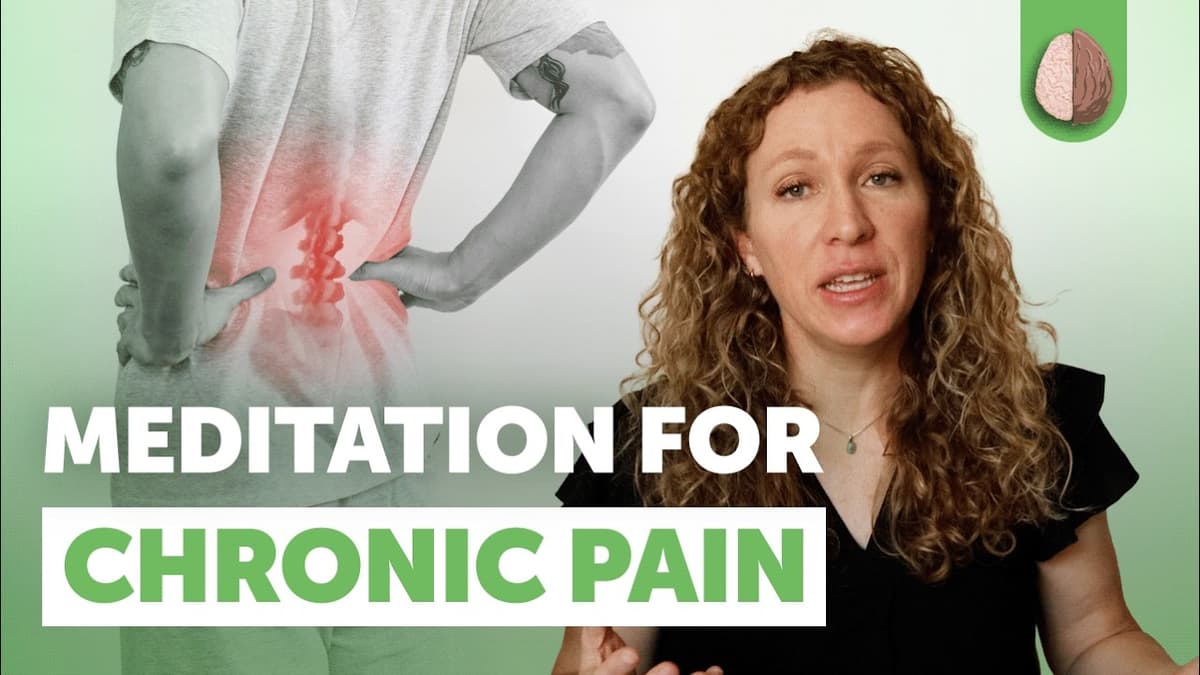
Meditation for Chronic Pain- Somatic Tracking Exercise to Replace Fear with Curiosity
The video presents a guided meditation designed to rewire chronic pain by teaching the brain to differentiate fear from physical sensation. Developed by Alan Gordon, creator of Pain Reprocessing Therapy, the exercise uses somatic tracking to replace threat‑based responses with...
How to Trick Your Brain Into Actually Changing
The video explains that the brain struggles with negative goals and that effective behavior change requires framing instructions as positive actions rather than prohibitions. Research on toddlers illustrates that commands beginning with “don’t” lack a verb for the brain to act...
What Is Anxious Attachment
The video explains the four primary attachment styles—anxious, avoidant, disorganized, and secure—and outlines how early relational patterns shape adult intimacy. It emphasizes that anxious individuals chase reassurance, avoidants withdraw from vulnerability, and those with disorganized attachment oscillate between craving and...
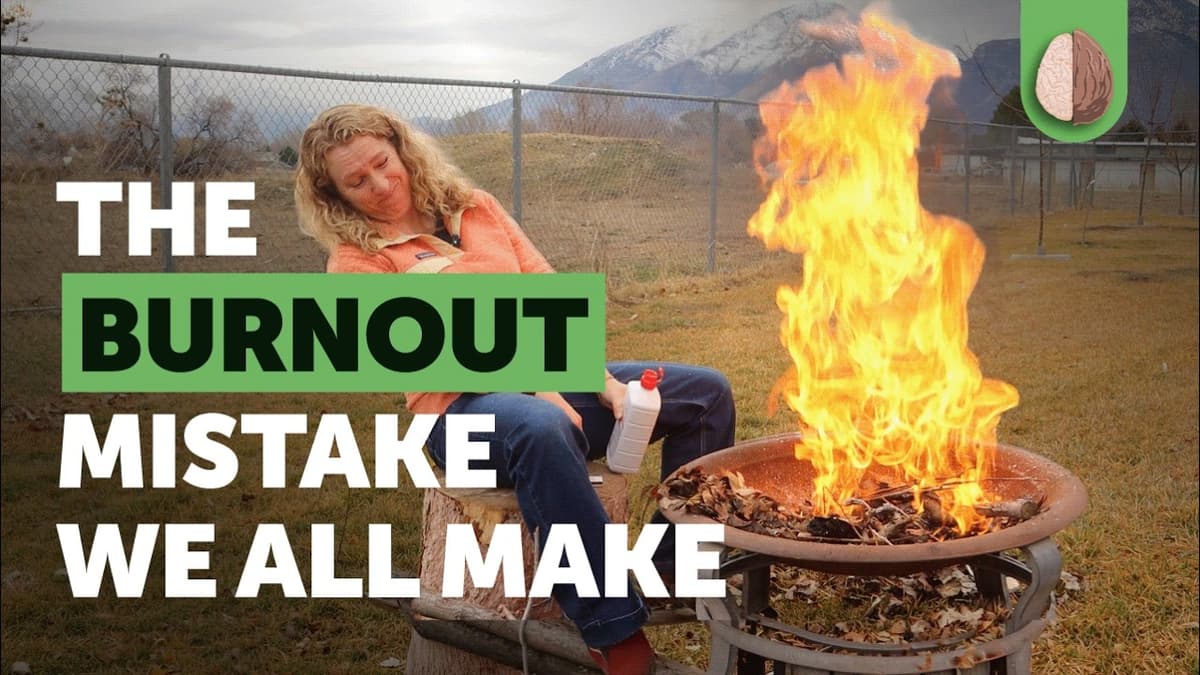
3 Essential Strategies for Managing Burnout for Modern Knowledge Workers
The video tackles the rising burnout epidemic among modern knowledge workers, arguing that the true catalyst is not sheer volume of work but the habit of using stress as a decision‑making gauge. Drawing on Cal Newport’s Slow Productivity, the presenter...
You Can’t Just Try Harder to Be Less Reactive
The video uses a fight‑training scene to illustrate that telling someone to “try harder” is ineffective when they lack the necessary skill set. It argues the first principle of altering impulsive behavior: you must teach the skill, not just increase...
Social Anxiety Skills That Actually Help W/ Dr. Deborah Dobson
The video features Dr. Deborah Dobson, author of Living Well with Social Anxiety, discussing practical strategies to manage social anxiety. Host Emma frames the conversation around everyday challenges such as small talk, public speaking, and avoidance of social settings. Dobson notes...