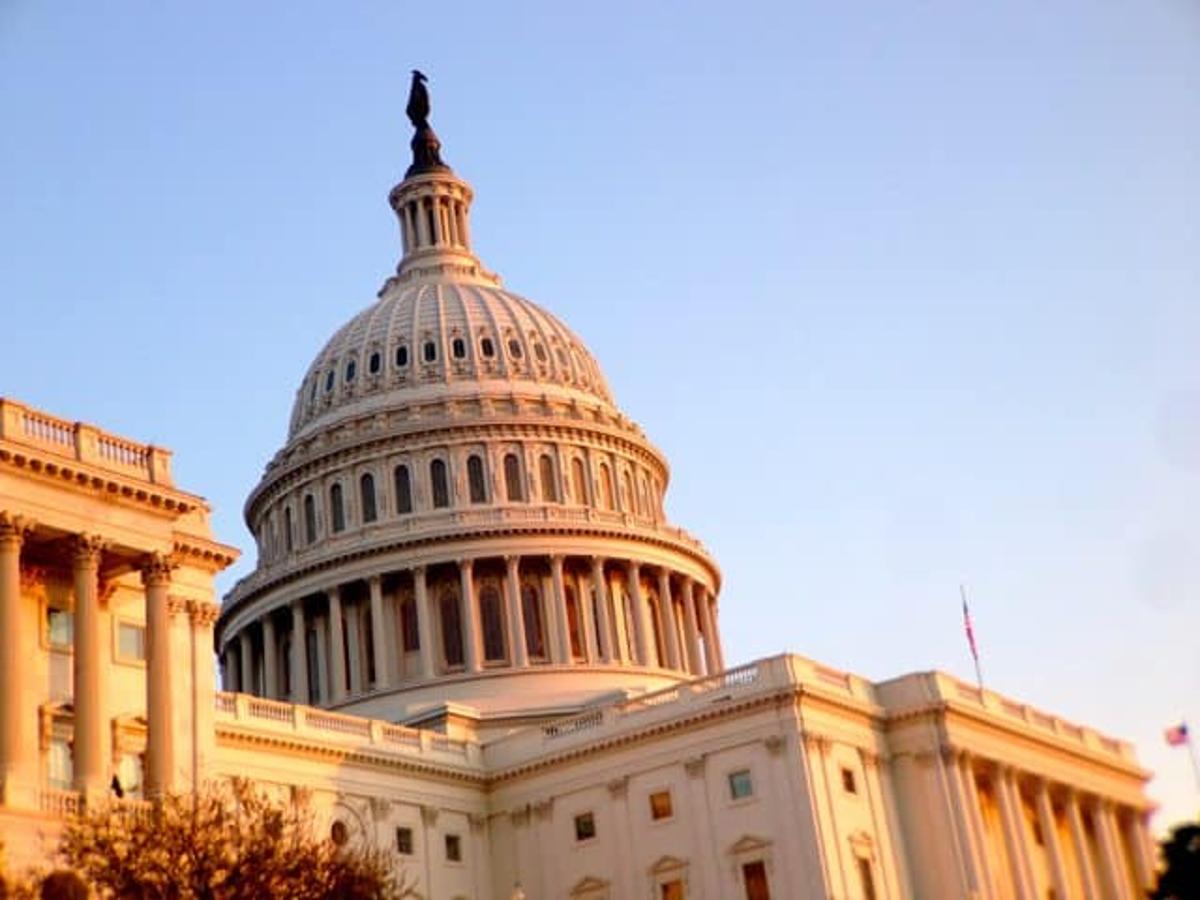
Cryptio CEO Comments on Stablecoin Yield Hurdle in CLARITY Act Impasse
Why It Matters
Allowing yield‑bearing stablecoins could preserve deposit bases and bolster the dollar’s global role, while a ban may cement banking dominance at consumer expense.
Key Takeaways
- •Banks fear yield‑bearing stablecoins eroding deposits
- •CLARITY Act currently restricts stablecoin yield provisions
- •Third‑party yield mechanisms may bypass direct‑issuer bans
- •Policy shift toward market‑structure balance emerging
- •Transparent, auditable stablecoin incentives crucial for dollar competitiveness
Pulse Analysis
The stablecoin yield controversy sits at the intersection of fintech innovation and entrenched banking interests. Recent legislative drafts, notably the CLARITY Act and the earlier GENIUS Act, have largely prohibited stablecoins from offering interest, a stance driven by concerns over systemic risk and regulatory oversight. However, banks argue that such prohibitions protect their traditional deposit models, even as digital‑native competitors lure capital with higher returns. This regulatory friction reflects a broader struggle to define the role of crypto‑based money market products within the U.S. financial system.
Beyond the immediate banking‑vs‑crypto clash, the policy debate carries macroeconomic weight. Yield‑bearing stablecoins can enhance dollar liquidity abroad, reinforcing the currency’s reserve status by providing a low‑cost, programmable alternative to traditional deposits. Yet, without clear rules, issuers may resort to opaque third‑party arrangements that skirt direct bans while still delivering returns. Such workarounds could preserve market efficiency but also raise transparency and auditability challenges, prompting regulators to consider a nuanced framework that balances innovation with consumer protection.
For policymakers, the path forward involves crafting standards that mandate real‑time reporting, collateral verification, and robust governance for any yield mechanisms, whether embedded in the token itself or offered by ancillary services. By doing so, the United States can foster a competitive stablecoin ecosystem that supports dollar competitiveness without sacrificing financial stability. This approach would also signal to global markets that the U.S. remains a leader in integrating digital assets into mainstream finance, encouraging responsible innovation across the sector.


Comments
Want to join the conversation?
Loading comments...