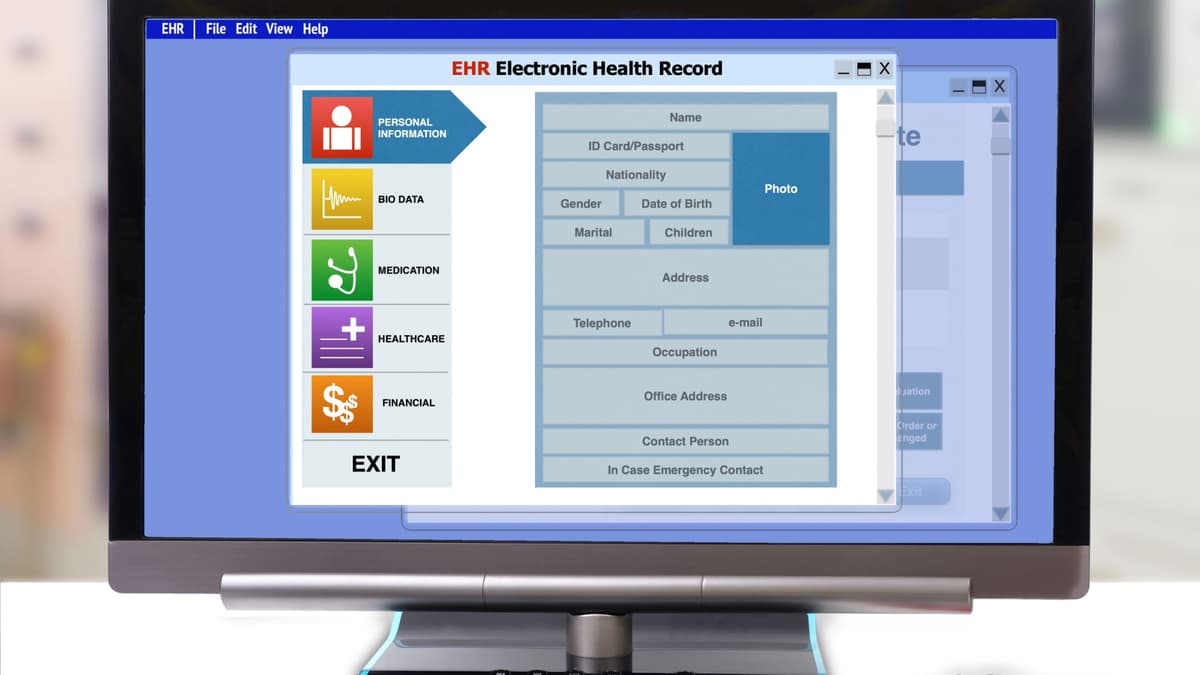
AI Finds 38 Security Flaws in Electronic Health Record Platform
Companies Mentioned

Why It Matters
The rapid AI‑driven detection accelerates patch cycles, reducing exposure of protected health information, while also raising the stakes as threat actors can leverage similar tools to find exploits faster.
Key Takeaways
- •AI tool uncovered 38 new CVEs in OpenEMR within three months
- •Vulnerabilities ranged from medium to critical, including SQL injection and XSS
- •OpenEMR patched all flaws and integrated AI scanner into its CI pipeline
- •Faster AI-driven audits outpace traditional manual security reviews
- •Threat landscape intensifies as attackers also adopt AI for exploit discovery
Pulse Analysis
OpenEMR, the most widely deployed open‑source electronic health‑record system, powers clinics and hospitals across the United States and beyond. Its codebase, freely available to developers, makes it an attractive target for both benevolent security researchers and malicious actors. By deploying an autonomous AI analyzer, Aisle was able to parse millions of lines of code, flagging 38 new CVEs in a three‑month window—a pace that dwarfs the 23 flaws uncovered by a traditional 2018 audit. This speed not only shortens the window of vulnerability but also demonstrates how AI can become a force multiplier for defensive teams.
The newly disclosed flaws span a spectrum of attack vectors. Critical SQL‑injection bugs in the Patient REST API and immunization module could have granted attackers full database control, enabling mass exfiltration of protected health information or even remote code execution on server hosts. An XSS issue and a path‑traversal flaw further exposed the platform to client‑side attacks and unauthorized file access. By automatically generating remediation patches, the AI tool reduced the manual effort required for developers to secure the code, allowing OpenEMR to push version 8.0.0 and subsequent updates within weeks of discovery.
Industry‑wide, the episode underscores a growing arms race: defenders harness AI to accelerate discovery and remediation, while adversaries eye the same technology to weaponize vulnerabilities before patches land. Healthcare organizations, already grappling with stringent compliance mandates, must adapt their risk‑management frameworks to account for AI‑generated threat intel. Integrating AI scanners into continuous integration pipelines, as OpenEMR now does, offers a proactive defense, but it also calls for robust governance to validate findings and prevent false positives from overwhelming security teams. The net effect is a faster, more dynamic vulnerability lifecycle that could reshape how the sector approaches cyber‑risk mitigation.
AI Finds 38 Security Flaws in Electronic Health Record Platform
Comments
Want to join the conversation?
Loading comments...