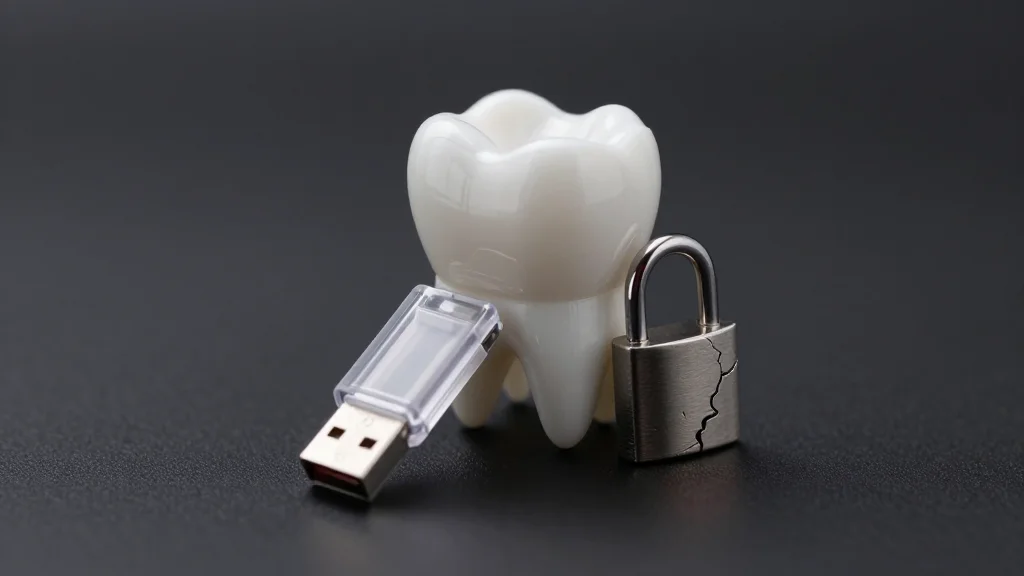
DentaQuest Breach Exposes 2.6 Million Accounts, 234 GB of Data Stolen

Companies Mentioned
Why It Matters
The DentaQuest breach underscores the growing vulnerability of ancillary health‑benefit platforms that store both PII and PHI. As dental coverage expands under employer‑provided plans, the volume of sensitive data held by administrators is swelling, making them attractive targets for financially motivated cybercriminals. The incident also highlights the challenges of legacy systems and fragmented security controls that can leave large swaths of data exposed. Regulators are likely to use this breach as a case study for tightening enforcement of HIPAA’s security rule, especially around encryption, access controls, and incident‑response protocols. For the broader cybersecurity market, the breach could spur increased demand for specialized solutions—such as zero‑trust architectures and automated breach‑response platforms—tailored to the health‑benefits ecosystem.
Key Takeaways
- •ShinyHunters leaked 234 GB of DentaQuest data, affecting 2.6 million accounts.
- •Exposed records include full names, emails, phone numbers, government IDs, health‑insurance details, gender, and dates of birth.
- •Two‑thirds of the compromised records had appeared in earlier public breaches.
- •DentaQuest confirmed the incident, engaged third‑party experts, and notified law enforcement.
- •Potential HIPAA penalties could reach $1.5 million per violation, with market impact evident in Sun Life’s 1.2 % stock dip.
Pulse Analysis
The DentaQuest breach is a watershed moment for the dental‑benefits niche, a sector that has traditionally been overlooked in the broader conversation about health‑data security. While major medical insurers have invested heavily in advanced threat‑intelligence platforms, dental administrators often rely on legacy infrastructure that lacks modern segmentation and encryption capabilities. This disparity creates a soft underbelly that groups like ShinyHunters can exploit for both data theft and extortion.
From a market perspective, the incident is likely to accelerate consolidation among benefits administrators. Companies with proven security track records—such as Cigna’s Evernorth or MetLife’s Dental Advantage—may attract clients seeking to mitigate risk, especially as employers tighten procurement criteria around cyber‑resilience. At the same time, venture‑backed startups offering AI‑driven anomaly detection and automated incident response could see a surge in demand, as insurers scramble to retrofit existing platforms with next‑gen defenses.
Looking ahead, regulators will probably tighten oversight, mandating more frequent security audits and stricter breach‑notification timelines. The OCR’s anticipated investigation could set new precedents for penalty calculations based on the sheer volume of records exposed, not just the presence of PHI. For DentaQuest, the path forward will involve transparent communication, robust remediation, and demonstrable improvements in security posture—steps that will be closely watched by both policymakers and the market at large.
DentaQuest breach exposes 2.6 million accounts, 234 GB of data stolen
Comments
Want to join the conversation?
Loading comments...