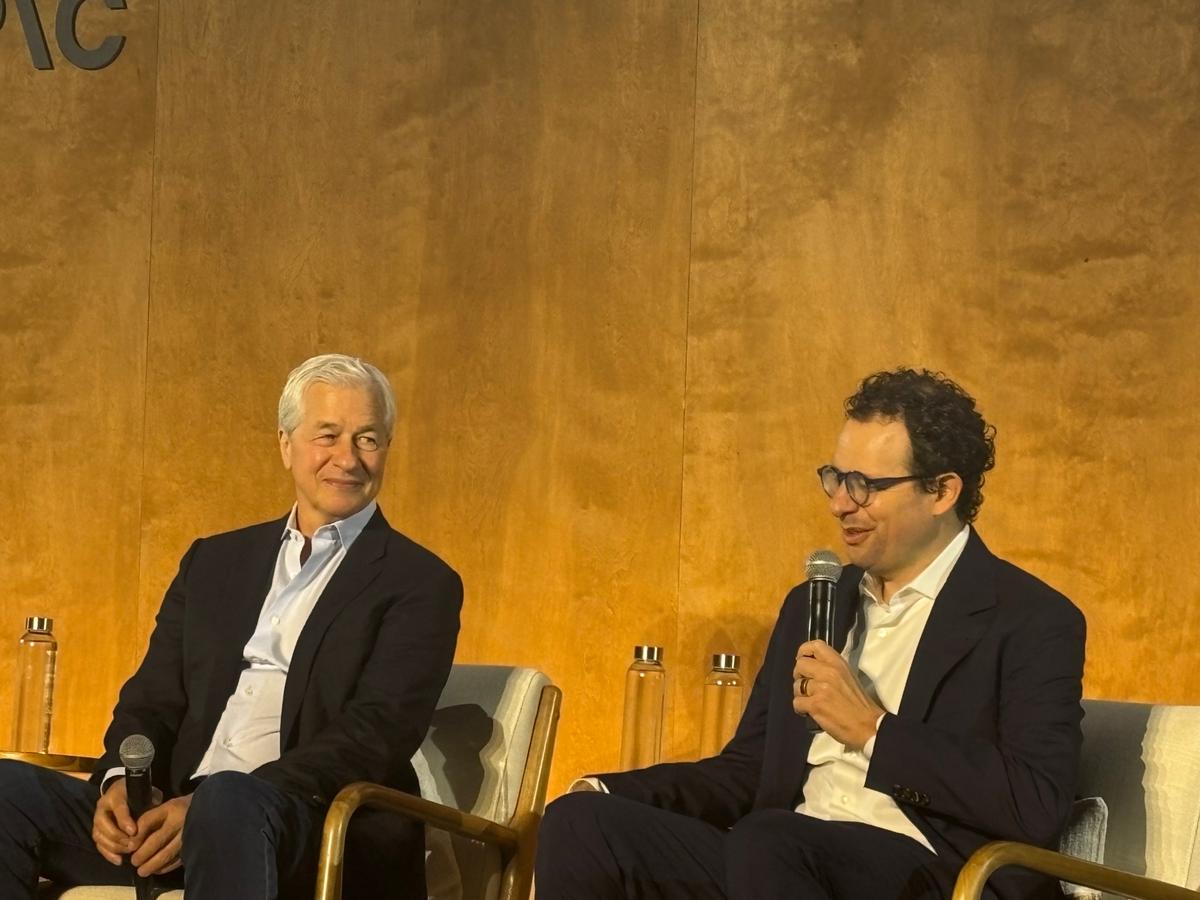
Jamie Dimon and Dario Amodei Sidestep Question About Whether the AI Cyber ‘Freakout’ Is Warranted
Companies Mentioned


Why It Matters
AI‑powered cyber threats could destabilize banks and markets, demanding rapid defensive measures and clear, predictable regulation. The dialogue signals that both industry leaders and regulators must act now to mitigate systemic risk.
Key Takeaways
- •Anthropic's Mythos model uncovered ~300 Firefox bugs, tens of thousands overall
- •Chinese state-linked actors attempted AI-driven attacks on U.S. tech firms
- •JPMorgan and Anthropic push patch cycles measured in minutes, not weeks
- •Both reject FDA‑style AI approval, favor automotive‑like safety standards
- •Predictable, streamlined regulation needed to avoid overburdening financial firms
Pulse Analysis
The emergence of AI models like Anthropic's Mythos has shifted the cyber threat landscape from conventional exploits to automated, large‑scale vulnerability discovery. By identifying hundreds of bugs in a single browser and estimating tens of thousands across the internet, Mythos demonstrates how generative AI can both expose and potentially weaponize software flaws. This capability raises the stakes for sectors that rely on digital infrastructure, especially finance, where a single breach can cascade through markets and erode confidence.
For banks such as JPMorgan, the challenge is twofold: defending against AI‑enhanced attacks while maintaining the speed of innovation. Dimon’s call for patch deployment in minutes, rather than weeks, reflects a broader industry push for continuous, automated remediation pipelines. At the same time, the debate over regulatory oversight intensifies. While some policymakers propose an FDA‑style pre‑market review for AI, executives argue that a model akin to automotive safety—mandatory standards with rapid certification—offers a better balance between security and progress. Such a framework could provide the predictability firms need without stifling the rapid release cycles that drive competitive advantage.
Investors are watching closely, as the intersection of AI and cybersecurity could reshape risk assessments across portfolios. Persistent vulnerabilities may trigger higher insurance premiums, tighter compliance costs, and potential capital allocation shifts away from exposed sectors. Conversely, firms that successfully integrate AI‑driven defenses could gain a market edge, positioning themselves as leaders in a new era of resilient finance. Coordinated policy, industry collaboration, and swift technical responses will be critical to turning this looming threat into a manageable challenge.
Jamie Dimon and Dario Amodei sidestep question about whether the AI cyber ‘freakout’ is warranted
Comments
Want to join the conversation?
Loading comments...