Microsoft Slams Public Zero-Day Disclosures Amid GitHub Researcher Account Removal
Companies Mentioned
Why It Matters
The clash underscores the delicate balance between rapid threat mitigation and responsible disclosure, shaping how the tech industry manages high‑impact security flaws and influences overall cyber‑risk exposure.
Key Takeaways
- •Microsoft urges coordinated disclosure after five Windows zero‑days exposed
- •BlueHammer, RedSun, UnDefend already exploited in the wild
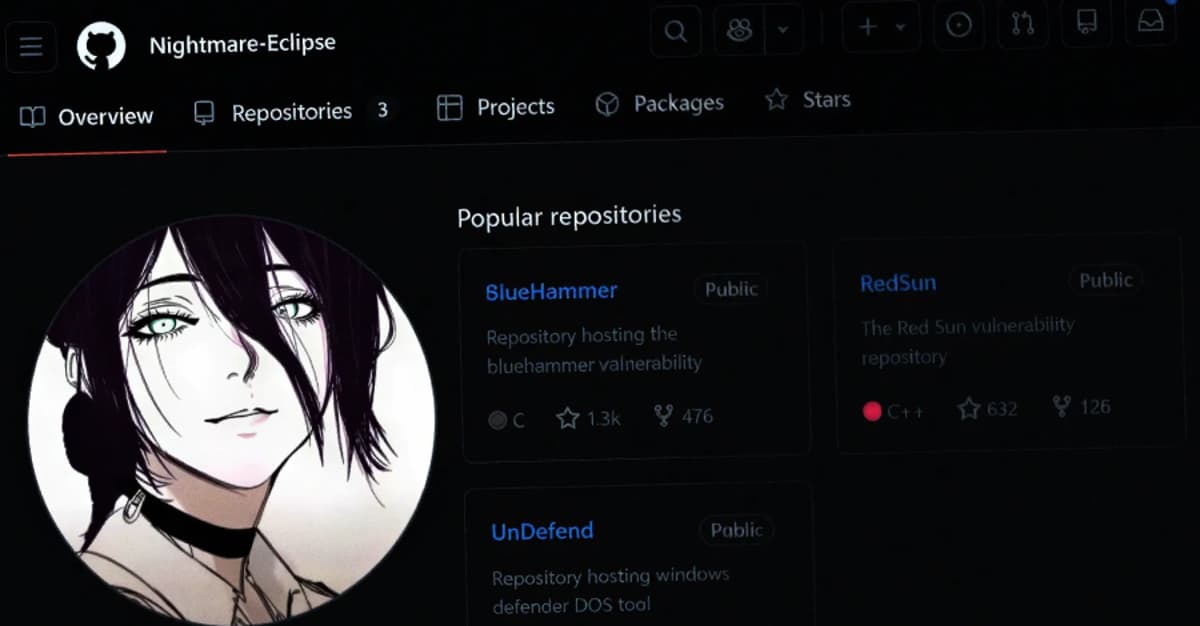
- •GitHub removed researcher Chaotic Eclipse’s account following public disclosures
- •Exploit code reposted to GitLab, keeping threats accessible
- •Researcher threatens new release on July 14, 2026, escalating conflict
Pulse Analysis
Coordinated vulnerability disclosure (CVD) has become the industry’s gold standard for handling critical flaws, allowing vendors time to develop patches before details go public. Microsoft’s recent blog post reaffirms this approach, arguing that premature exposure of zero‑day exploits—like the recent Windows vulnerabilities—can endanger millions of users. By urging researchers to follow established channels, the tech giant hopes to reduce the window of exposure and protect its ecosystem, from enterprise endpoints to consumer devices.
The disclosed flaws target core Windows security components: BlueHammer undermines Defender’s real‑time protection, RedSun compromises BitLocker’s encryption key management, and UnDefend weakens kernel‑level defenses. Early reports indicate active exploitation in the wild, meaning threat actors are already leveraging these bugs to gain footholds on vulnerable machines. Such attacks can facilitate ransomware deployment, data exfiltration, or persistent espionage, amplifying the urgency for rapid patch development and widespread deployment across Microsoft’s update infrastructure.
The fallout also highlights the growing tension between independent security researchers and platform providers. GitHub’s decision to delete Chaotic Eclipse’s account sparked debate over the balance between protecting users and preserving researcher freedom. While the exploit code migrated to GitLab, the incident underscores the need for clear, mutually respected disclosure policies that safeguard both security research and end‑user safety. As the researcher threatens a July 14 release, the industry watches closely, recognizing that collaborative dialogue—not confrontation—will be key to mitigating future zero‑day crises.
Microsoft Slams Public Zero-Day Disclosures Amid GitHub Researcher Account Removal
Comments
Want to join the conversation?
Loading comments...