Poisoned Ruby Gems and Go Modules Exploit CI Pipelines for Credential Theft
Companies Mentioned
Why It Matters
The attack demonstrates how trusted package managers can become vectors for credential theft and CI pipeline compromise, raising the risk profile for DevOps teams worldwide.
Key Takeaways
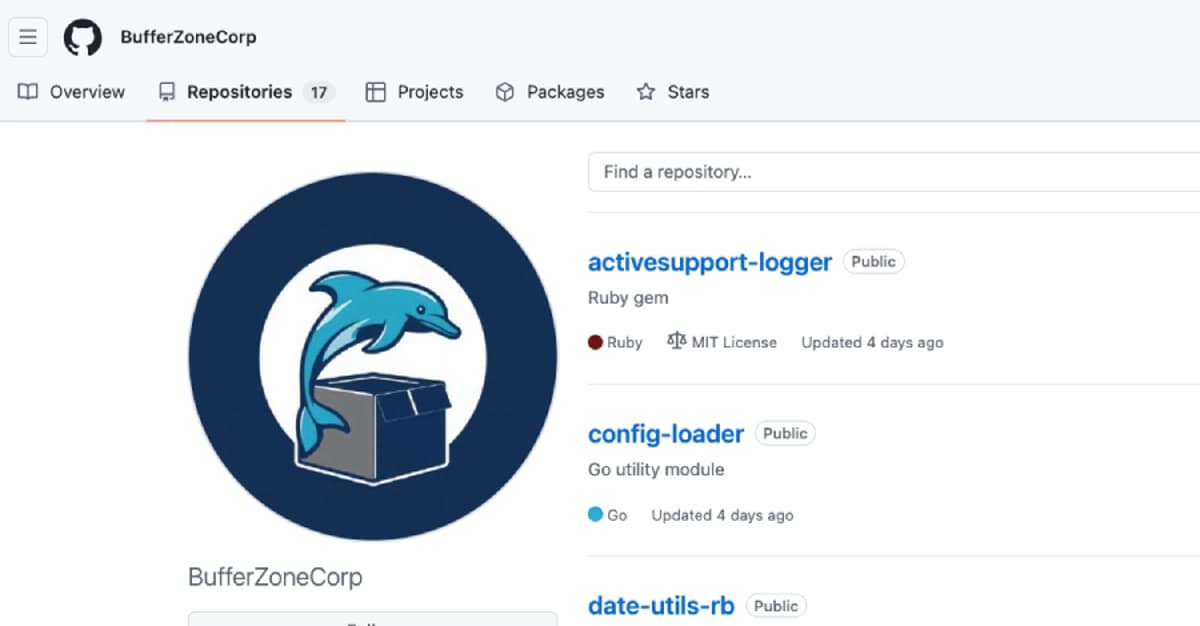
- •BufferZoneCorp published 7 malicious Ruby gems, 9 Go modules
- •Gems exfiltrate AWS keys, .npmrc, SSH keys to attacker webhook
- •Go modules inject proxy settings, fake binaries into GitHub Actions
- •Sleeper packages remain dormant until CI environment variables appear
Pulse Analysis
Supply‑chain attacks have evolved from single‑file malware to sophisticated, multi‑stage campaigns that exploit the trust developers place in package registries. The BufferZoneCorp operation leverages familiar naming conventions—such as activesupport‑logger and go‑retryablehttp—to slip past casual inspection. By embedding malicious code in the init() function of Go modules and in the install hooks of Ruby gems, the attackers ensure execution only in CI environments where variables like GITHUB_ENV are present, dramatically increasing the likelihood of successful credential harvest without alerting developers.
Technical analysis reveals two distinct payload families. The Ruby gems focus on credential theft, scanning for environment variables, SSH private keys, AWS access tokens, .npmrc files, and even RubyGems credentials, then funneling the data to a remote webhook. In contrast, the Go modules manipulate the build pipeline: they set HTTP_PROXY/HTTPS_PROXY, drop a counterfeit Go binary into the cache, prepend its path to the workflow, and silently forward execution to the legitimate binary. This approach not only captures developer data but also plants a hard‑coded SSH public key in ~/.ssh/authorized_keys, granting persistent remote access. The modular design allows attackers to mix and match capabilities across compromised hosts.
For organizations, the incident underscores the necessity of rigorous SBOM practices, automated dependency scanning, and strict CI hardening. Immediate steps include purging the listed packages, rotating exposed secrets, and monitoring outbound traffic for anomalous HTTPS calls. Longer‑term strategies should enforce signed packages, limit network egress from build runners, and employ runtime integrity checks. As attackers continue to weaponize package ecosystems, proactive governance will be the decisive factor in protecting the software supply chain.
Poisoned Ruby Gems and Go Modules Exploit CI Pipelines for Credential Theft
Comments
Want to join the conversation?
Loading comments...