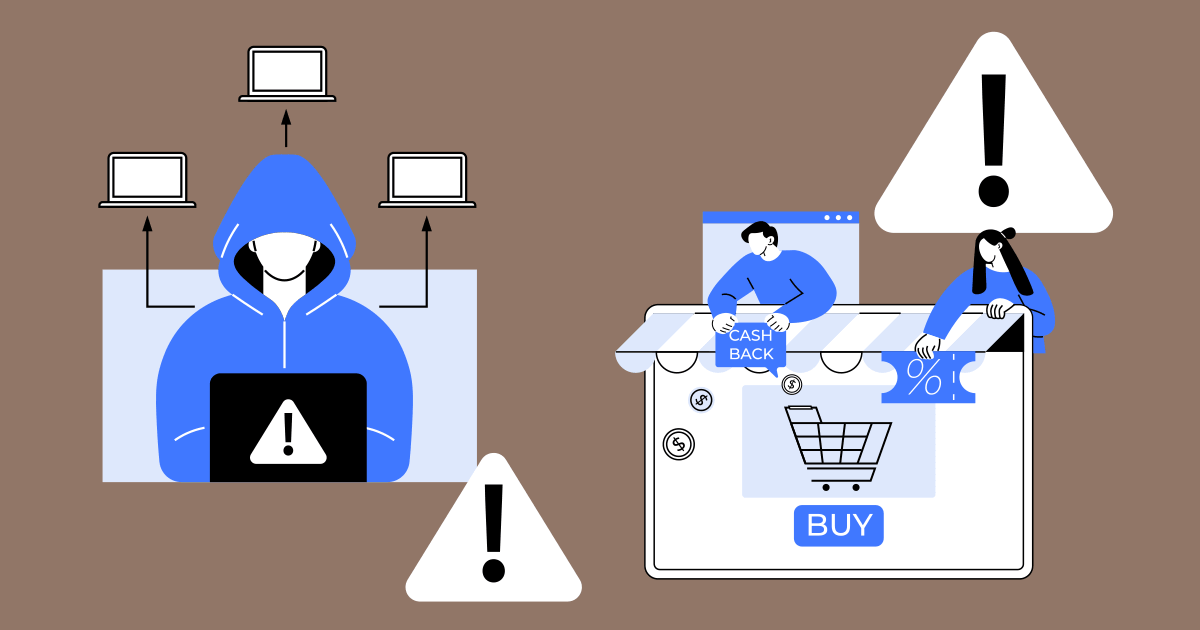
Tips for Protecting Against Retail Cyberattacks
Companies Mentioned
Why It Matters
A breach can shut down sales channels, erode consumer trust and cost billions, making robust retail cyber‑defense essential for revenue continuity and brand reputation.
Key Takeaways
- •Retail accounts for 24% of all cyberattacks, per Fortinet
- •Third‑party vendor access is the top risk surface for retailers
- •AI chatbots add new social‑engineering attack vectors
- •Segmentation and least‑privilege permissions curb lateral movement
- •Employee training must be retail‑specific, not generic corporate
Pulse Analysis
Retail’s digital transformation has expanded the attack surface far beyond point‑of‑sale terminals. Hackers now target loyalty apps, in‑store Wi‑Fi, self‑checkout kiosks and supply‑chain APIs, leveraging identity‑based tactics such as MFA fatigue and OAuth abuse. The 2026 Huntress report highlights a surge in credential‑theft and cloud‑misconfiguration exploits, while a recent test of 20 major U.S. shopping apps revealed that 90% store passwords insecurely within the app, exposing millions of consumers to data theft. These trends underscore that cyber risk is no longer a peripheral IT issue but a core operational threat for retailers.
The biggest vulnerability often lies in third‑party relationships. The 2013 Target breach, triggered by compromised HVAC vendor credentials, exemplifies how over‑privileged vendor access can open a backdoor to critical systems. Experts now advise narrow, temporary permissions and continuous review of all external connections. Simultaneously, AI‑driven customer assistants promise faster service but introduce new social‑engineering vectors; unrestricted AI access can inadvertently reveal payment data or internal policies. Effective governance treats AI agents like frontline staff, imposing clear guardrails, confidence thresholds and cross‑channel consistency checks.
Mitigating these risks requires a blend of technology, process and people. Network segmentation isolates POS terminals from customer databases, while stepped‑up verification for high‑risk actions—password resets, new payment methods, address changes—adds friction for attackers. Retail‑specific, scenario‑based employee training replaces generic awareness programs, ensuring staff can spot phishing attempts that mimic IT support. Finally, resilience planning—regular incident‑response drills, validated backups and clear escalation paths—transforms downtime from a revenue‑killing event into a manageable disruption. Retailers that rehearse these defenses are far more likely to survive an attack and retain consumer confidence.
Tips for Protecting Against Retail Cyberattacks
Comments
Want to join the conversation?
Loading comments...