Toxic Combinations: When Cross-App Permissions Stack Into Risk
Companies Mentioned


Why It Matters
The incident exposes a systemic blind spot in SaaS security: unchecked cross‑app permissions can turn benign integrations into high‑risk attack vectors. Addressing it is critical for protecting data in increasingly interconnected cloud environments.
Key Takeaways
- •Moltbook exposed 35k emails and 1.5M API tokens publicly
- •Private messages stored plaintext OpenAI keys alongside agent tokens
- •AI agents bridge apps, creating unauthorized cross‑app permission combos
- •Single‑app reviews fail to catch toxic permission combinations
- •Dynamic SaaS platforms continuously map runtime graphs to detect risks
Pulse Analysis
The Moltbook breach underscores how AI‑driven agents are reshaping the identity landscape. Non‑human identities—service accounts, bots, and autonomous agents—now outnumber human users in many SaaS stacks, yet most security programs still inventory them as ordinary user accounts. When these agents inherit OAuth scopes from multiple services, they become invisible bridges that can ferry credentials across applications without a single owner’s explicit consent. This structural weakness was starkly demonstrated when Moltbook’s open database revealed not only user emails but also raw OpenAI API keys, turning a simple data leak into a potential gateway for broader cloud abuse.
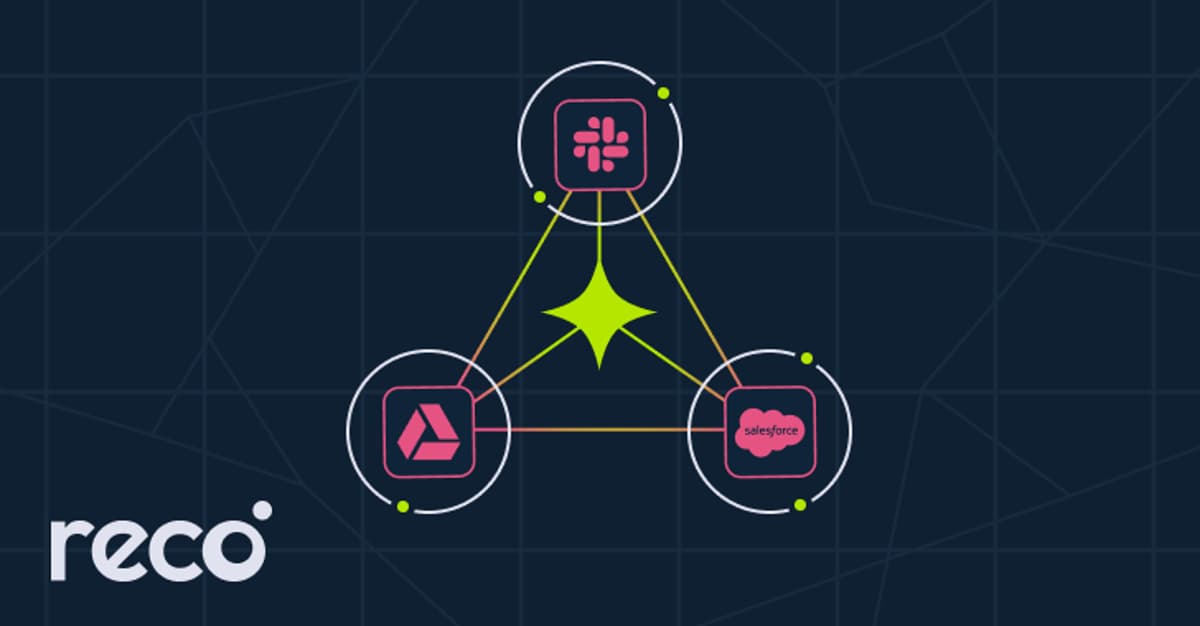
A "toxic combination" forms whenever two or more SaaS applications are linked through an agent or integration that carries overlapping permissions. Each side of the bridge appears legitimate in isolation, but the combined scope can grant read‑write access across the entire workflow—something no individual admin approved. The Cloud Security Alliance’s 2025 State of SaaS Security report found that 56 % of organizations are already worried about over‑privileged API access in SaaS‑to‑SaaS integrations, highlighting the growing awareness of this risk. Traditional access‑review processes, which evaluate permissions one application at a time, lack the visibility needed to detect these emergent attack surfaces.
Dynamic SaaS security platforms provide the missing cross‑app perspective. By continuously ingesting identity, token, and permission data, they construct a real‑time knowledge graph that maps every bridge—human or non‑human—across the environment. Solutions like Reco automatically inventory AI agents, flag new cross‑app scope grants, and monitor runtime drift to revoke risky tokens before they can be exploited. This shift from static, per‑app reviews to continuous, graph‑based oversight transforms the way enterprises safeguard their cloud ecosystems, turning hidden toxic combinations into visible, manageable risks.
Toxic Combinations: When Cross-App Permissions Stack into Risk
Comments
Want to join the conversation?
Loading comments...