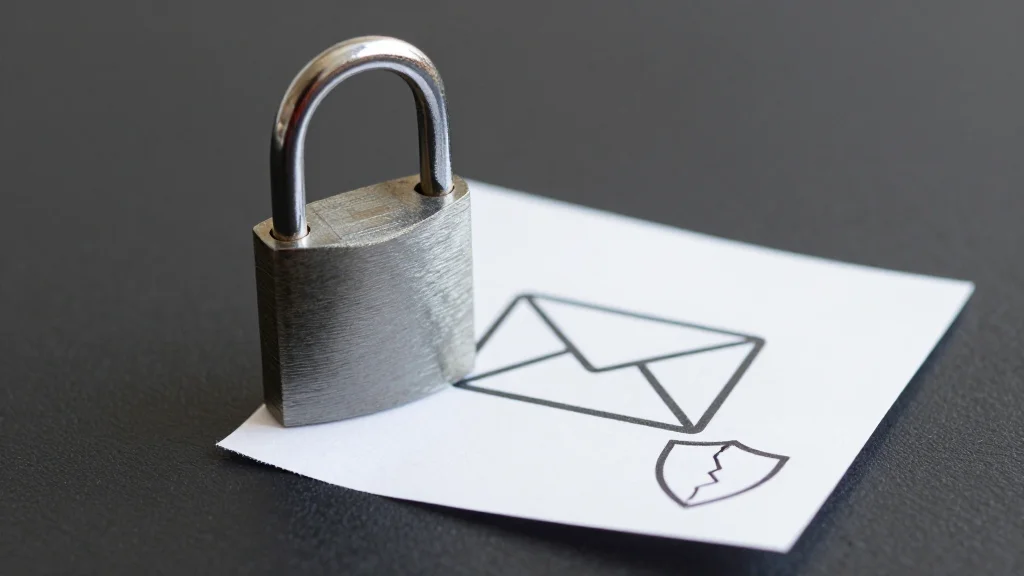
Zara Breach Leaks 197,400 Customer Emails and Purchase Data, No Payment Info Stolen

Companies Mentioned
Why It Matters
The Zara breach underscores how attackers can pivot from a compromised third‑party service to harvest valuable consumer data stored in cloud platforms. As retailers increasingly outsource analytics to SaaS providers, the attack surface expands, making supply‑chain security a top priority for risk managers. Moreover, the exposure of purchase histories without accompanying PII still enables sophisticated social engineering, raising the stakes for phishing defenses across the sector. Regulators are likely to intensify oversight of data‑handling practices, particularly in the EU where GDPR mandates prompt breach notification and robust safeguards for consumer information. The incident may accelerate adoption of zero‑trust architectures and stricter vendor‑assessment frameworks, reshaping how fashion and other consumer‑facing industries protect digital assets.
Key Takeaways
- •197,400 customer email addresses and purchase records leaked from Zara's BigQuery storage
- •Data leak originated from a compromised Anodot analytics integration used by Zara
- •No names, physical addresses, login credentials, or payment information were accessed
- •ShinyHunters released a 140 GB archive, enabling targeted phishing campaigns
- •Inditex is notifying authorities and customers while reviewing cloud security contracts
Pulse Analysis
The Zara incident is a textbook example of a supply‑chain attack that bypasses traditional perimeter defenses. By compromising Anodot, a third‑party analytics platform, threat actors accessed a downstream cloud data warehouse without needing to breach Zara's own network. This mirrors recent high‑profile incidents at other retailers, suggesting that the weakest link in a retailer's data stack is often a vendor that handles large volumes of consumer data.
Historically, retailers have focused on point‑of‑sale security and PCI compliance, but the shift to cloud‑native analytics has introduced new vectors. The breach demonstrates that even when PII is not directly stolen, granular purchase data can be weaponized for credential‑harvesting attacks, amplifying the indirect cost of a breach. Companies must therefore adopt a holistic approach that includes vendor risk assessments, continuous monitoring of data flows, and encryption of data at rest and in transit.
Looking ahead, the fallout from Zara's breach will likely influence both industry standards and regulatory expectations. The European Union may tighten its guidance on cloud‑service provider disclosures, while U.S. state privacy laws could expand breach‑notification requirements to cover non‑PII data that can facilitate fraud. Retailers that proactively embed zero‑trust principles—verifying every request, limiting data exposure, and enforcing strict least‑privilege access—will be better positioned to mitigate the cascading effects of similar supply‑chain compromises.
Zara breach leaks 197,400 customer emails and purchase data, no payment info stolen
Comments
Want to join the conversation?
Loading comments...