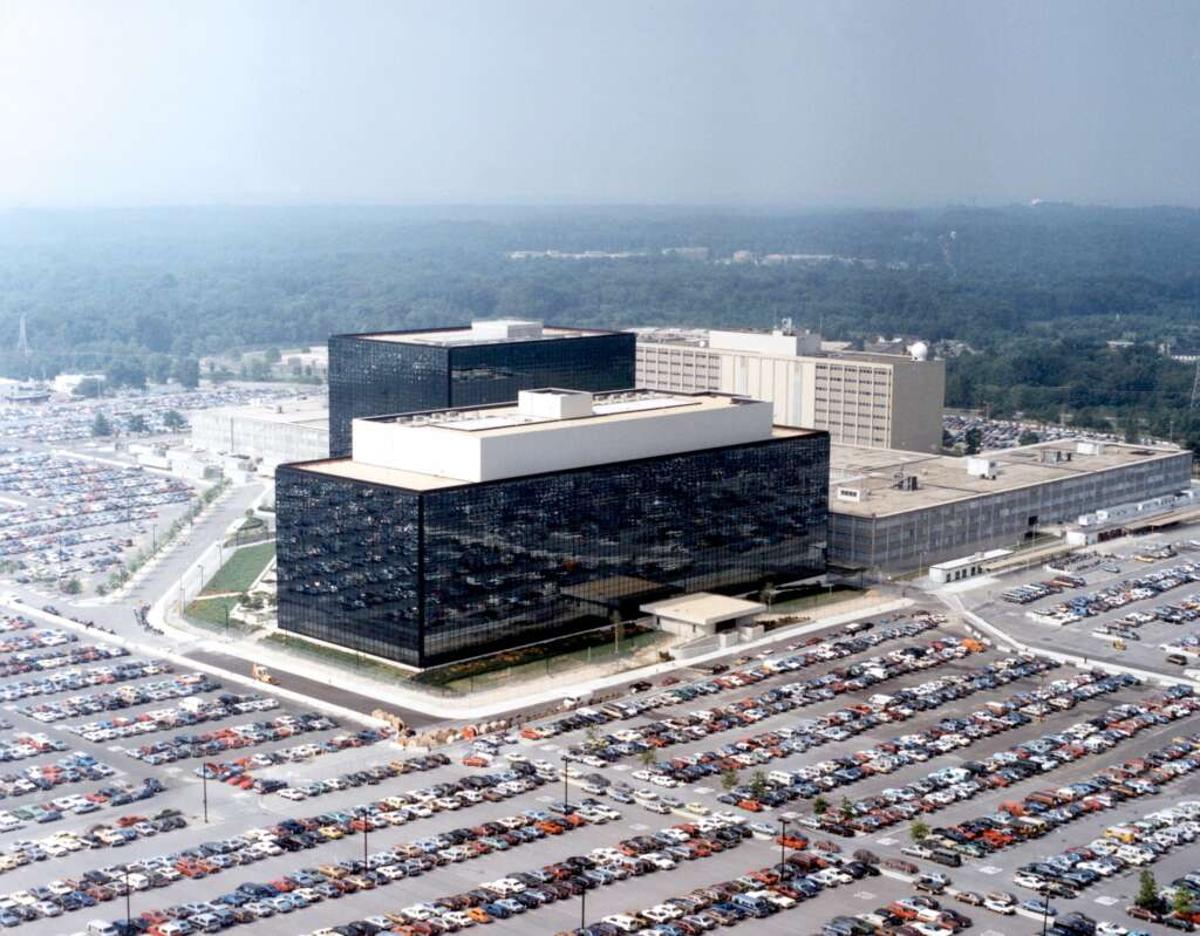
A Renovation Job at Fort Meade Turned Into a Dispute
Why It Matters
The decision reinforces that government security actions, when taken in a sovereign capacity, are largely immune from contractor damages, reshaping risk allocation on defense projects. It also signals that contractors must rigorously manage compliance to avoid losing claims.
Key Takeaways
- •Sovereign acts doctrine shields government from damages
- •Meltech's $1.7 M claim denied by Armed Services Board
- •Contractor errors, not security changes, caused project delays
- •Advance security notices can mitigate contract disputes
- •Base contractors must maintain rigorous personnel vetting
Pulse Analysis
The Armed Services Board of Contract Appeals’ recent ruling underscores the enduring power of the sovereign‑acts doctrine in federal procurement. Originating from cases such as *Connor Brothers Construction*, the doctrine holds that when the government acts in its sovereign capacity—typically for broad security or public‑health reasons—it is immune from liability for consequential contractor costs. This principle has resurfaced repeatedly during COVID‑19 shutdowns and post‑9/11 security tightenings, creating a legal shield that often frustrates contractors seeking compensation for unexpected delays or additional expenses imposed by government‑mandated policy shifts.
In the Fort Meade renovation dispute, Meltech pursued a $1.7 million claim alleging that newly imposed security protocols caused 132 days of delay. The board rejected the claim, first invoking sovereign‑acts immunity and then highlighting Meltech’s own procedural shortcomings, such as incomplete security packages and inadequate personnel vetting. The decision illustrates that even when a sovereign‑act argument is raised, contractors cannot rely solely on it; they must also demonstrate that the government’s actions were unreasonable or that the contractor fulfilled all compliance obligations. Failure to do so can turn a large claim into a footnote.
For contractors operating on military installations, the case sends a clear signal: proactive compliance and robust internal controls are essential. Maintaining up‑to‑date security clearances, conducting thorough background checks, and swiftly adapting to revised access procedures can prevent costly delays. From the government’s perspective, providing detailed advance notice—complete with FAQs and dedicated support lines—helps mitigate disputes and preserves resources. As federal agencies continue to adjust security postures in response to evolving threats, both parties stand to benefit from transparent communication and disciplined contract management, reducing the likelihood of protracted appeals.
A renovation job at Fort Meade turned into a dispute


Comments
Want to join the conversation?
Loading comments...