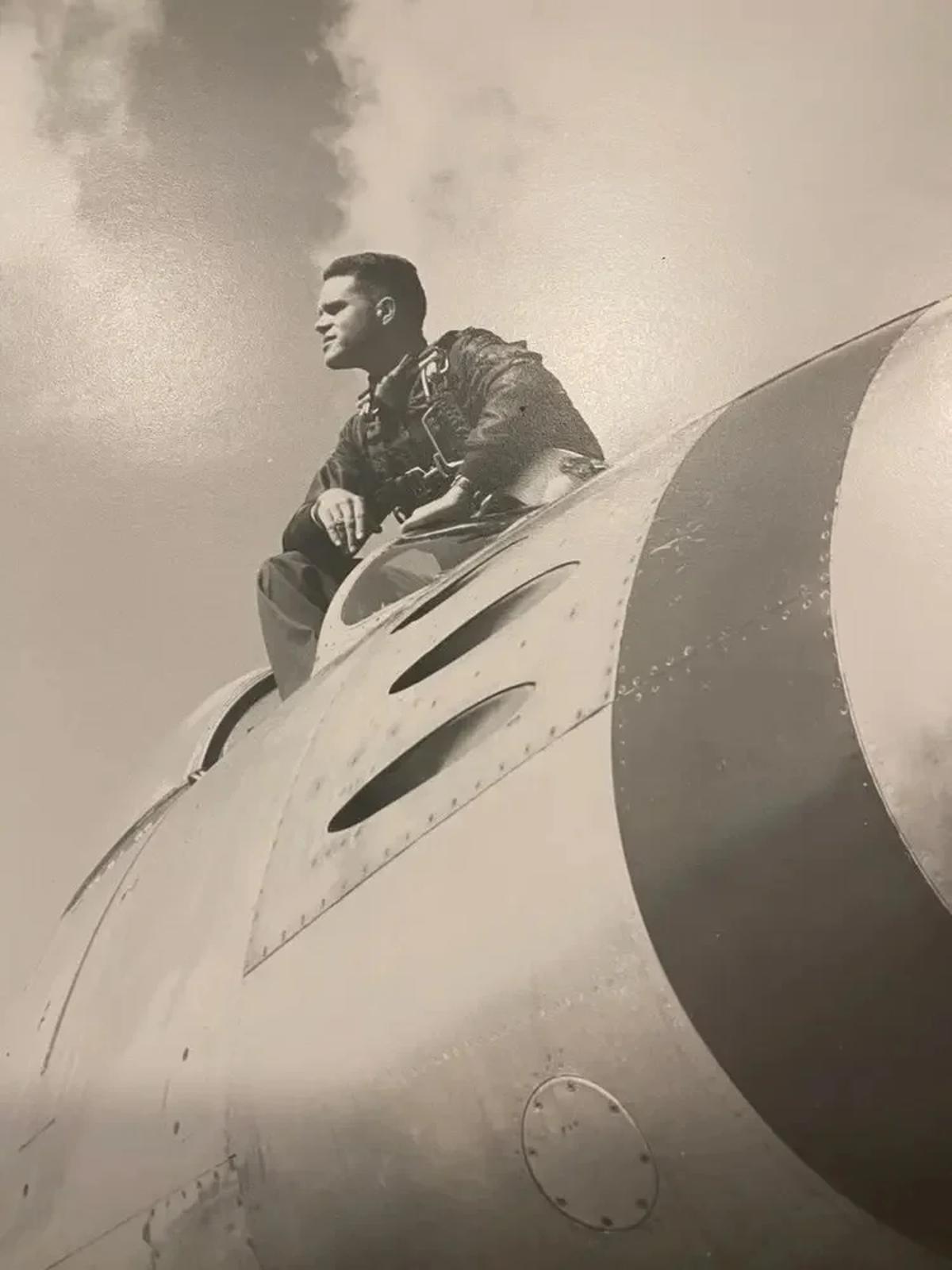
AIAA Senior Member Mackey Died in September 2025
Why It Matters
Mackey’s safety innovations set enduring industry benchmarks, and his mentorship cultivated the next generation of aerospace talent, reinforcing the strategic value of veteran expertise in modern aviation.
Key Takeaways
- •Retired USAF colonel with 4,000 flight hours.
- •Contributed to A‑10 development at Fairchild‑Republic, Grumman.
- •Pioneered Ground Avoidance System and NVG night‑flight use.
- •Active mentor in Civil Air Patrol and AIAA Long Island.
- •MIT and OU alumnus influencing aerospace safety standards.
Pulse Analysis
Glenn Mackey’s career bridged combat operations and aerospace engineering, reflecting a rare blend of hands‑on piloting and technical leadership. After graduating from MIT, he spent 27 years in the Air Force, amassing over 4,000 flight hours and earning distinction as a Skyraider rescue pilot during Vietnam. His later assignments in test and development programs positioned him at the forefront of aircraft innovation, where he contributed to performance‑enhancing research that would shape future fighter designs.
Transitioning to the private sector, Mackey joined Fairchild‑Republic and Grumman, where his expertise proved pivotal in refining the A‑10 Thunderbolt II’s airframe and weapons integration. Beyond the A‑10, he championed safety breakthroughs that are now industry standards: the Ground Avoidance System, which mitigates terrain‑collision risk, and the routine use of night‑vision goggles for low‑light missions. These technologies not only improved pilot survivability but also set a precedent for modern avionics suites across military and commercial fleets.
Mackey’s influence extended beyond engineering labs. As a dedicated mentor in the Civil Air Patrol and a longtime leader within the AIAA Long Island Section, he nurtured emerging talent, fostering a pipeline of engineers and pilots equipped with both technical acumen and operational insight. His legacy underscores how veteran experience can drive innovation, reinforce safety culture, and sustain the aerospace community’s growth for decades to come.
AIAA Senior Member Mackey Died in September 2025


Comments
Want to join the conversation?
Loading comments...