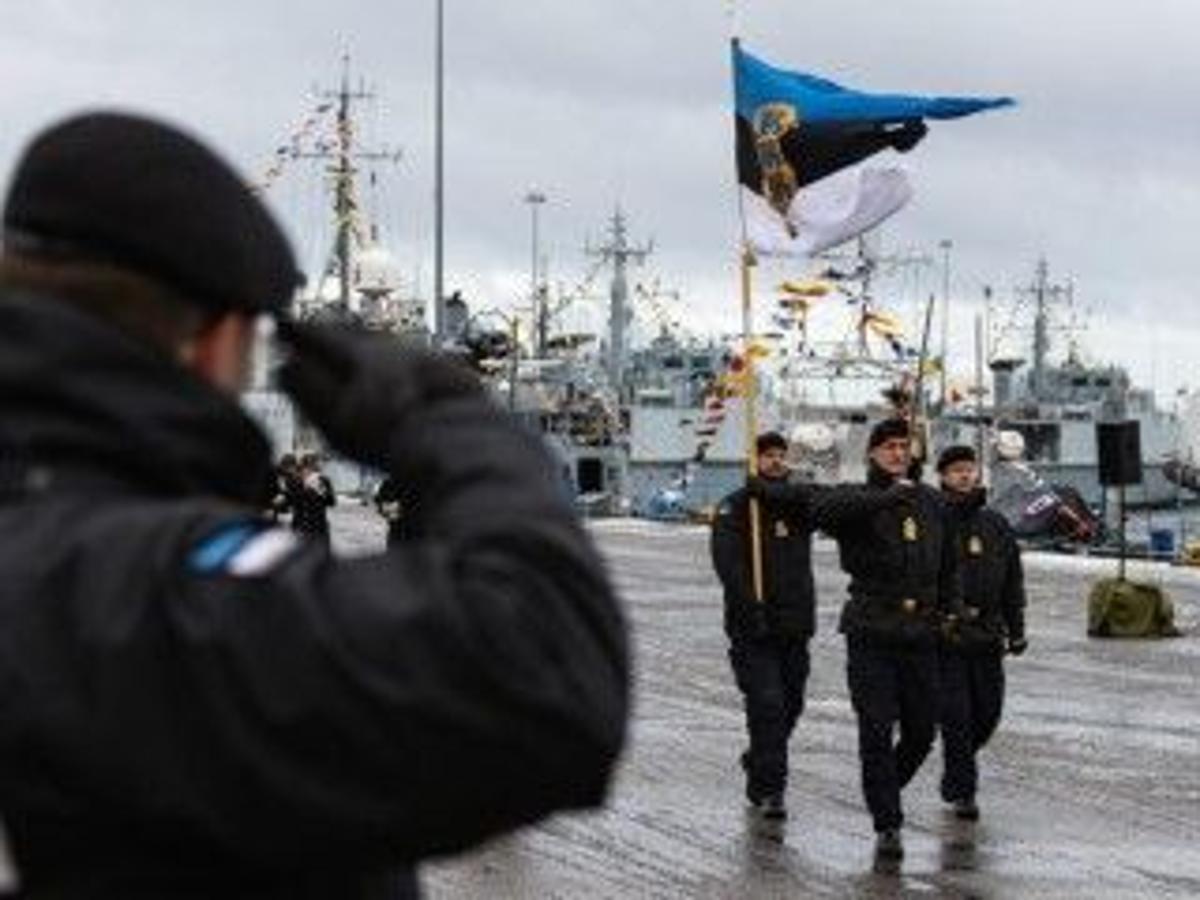
Estonia Accelerates Defence Modernisation Amid Growing Security Threats
Why It Matters
The reforms deepen Estonia’s deterrence capability and signal stronger collective security for the Baltic region, reinforcing NATO’s posture against Russian aggression.
Key Takeaways
- •12‑month conscription starts 2027, 4,100 troops.
- •Conscripts' pay up 30%, academy seats rise to 150.
- •Four new navy vessels ordered, plus minehunter upgrades.
- •Baltic Defence Line adds ~600 bunkers with Latvian partnership.
- •Estonia pledges 0.25% GDP aid to Ukraine.
Pulse Analysis
Estonia’s defence overhaul reflects a broader trend among small NATO members to convert conscription from a training pipeline into an operational reserve. By extending service to twelve months and increasing allowances, the government not only boosts recruitment numbers but also creates a pool of combat‑ready personnel that can be mobilized quickly. This shift aligns with Tallinn’s strategic calculus that a credible, ready force is essential for deterrence on the volatile eastern flank of the alliance.
The maritime and land components of the plan underscore a multi‑domain approach to security. Four new vessels—two capable of open‑sea missions and two for coastal patrol—will expand Estonia’s ability to monitor the Gulf of Finland and protect critical sea lanes. Simultaneously, the Baltic Defence Line, a network of roughly 600 fortified bunkers built with Latvian partners, will provide hardened positions for infantry and anti‑air assets, while the upcoming Narva base strengthens forward deployment near the Russian border. Modernising minehunters and exploring advanced systems such as drones and radars further enhances situational awareness.
Beyond national defense, Estonia’s commitment to allocate 0.25% of GDP to Ukraine signals a political and fiscal alignment with Kyiv, reinforcing the broader NATO resolve. The investment in joint training with allies like Finland and France, coupled with potential acquisitions of Polish Piorun air‑defence missiles, illustrates a collaborative procurement model that spreads costs and interoperable capabilities. As regional tensions persist, Estonia’s comprehensive modernization not only fortifies its own security but also contributes to the collective deterrence architecture that underpins stability in the Baltic Sea region.
Estonia accelerates defence modernisation amid growing security threats


Comments
Want to join the conversation?
Loading comments...