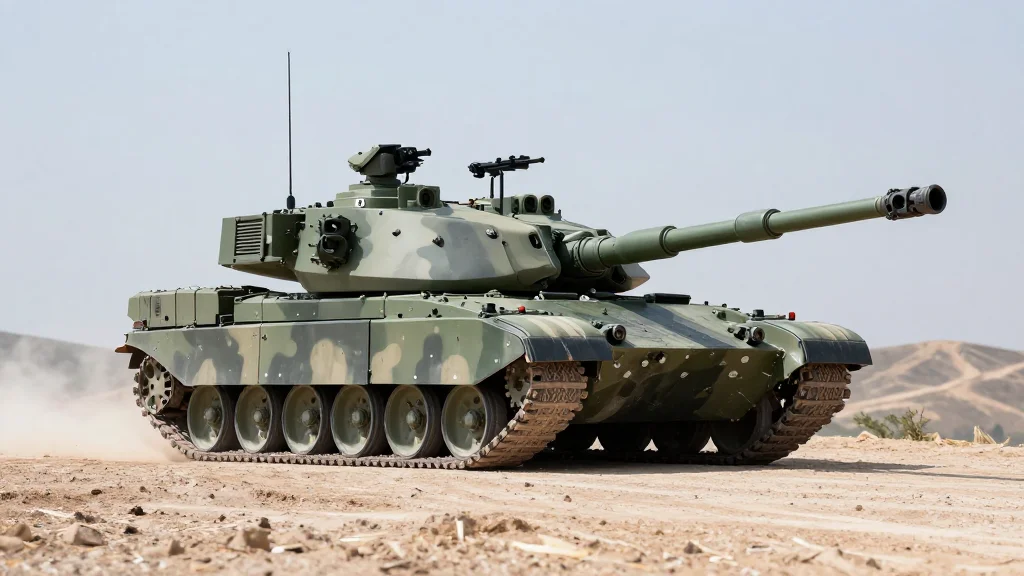
IDF Continues Strikes on Hezbollah in Southern Lebanon, Launches Ground Ops in Bint Jbeil
Why It Matters
The clash underscores a heightened risk of a wider regional conflict, threatening Israel’s security and potentially drawing in neighboring actors. For defense analysts and investors, the escalation could affect defense spending, energy markets, and geopolitical risk premiums.
Key Takeaways
- •IDF claims over 100 Hezbollah fighters killed in week
- •Ground ops focus on Bint Jbeil, targeting tunnels and weapons caches
- •Hezbollah reports 43 attacks, including drone strikes on Israeli sites
- •Tensions risk broader escalation along Israel‑Lebanon border
Pulse Analysis
The latest Israeli ground operation in Bint Jbeil marks a shift from aerial bombardments to a more sustained, kinetic presence along the volatile Israel‑Lebanon border. By deploying elite units from the Paratroopers, Commando and Givati brigades, the IDF aims to dismantle Hezbollah’s deep‑rooted infrastructure, including tunnels that have historically facilitated cross‑border raids. This tactical escalation reflects Israel’s broader strategy to degrade the militant group’s operational depth before it can launch larger attacks, a move that signals heightened vigilance amid a fragile cease‑fire.
Hezbollah’s response, citing 43 coordinated attacks ranging from drone strikes on the Al‑Alika barracks in the Golan Heights to rocket fire on northern Israeli towns, illustrates the group’s capacity to project force beyond its traditional southern Lebanon stronghold. The use of drones and precision strikes indicates an evolving arsenal that blends conventional guerrilla tactics with modern technology, raising concerns for Israeli air defense and ground forces. Analysts note that the intensity of these exchanges could draw in regional patrons, notably Iran, which has historically supplied Hezbollah with advanced weaponry, thereby expanding the conflict’s geopolitical footprint.
For policymakers and investors, the renewed hostilities carry implications for regional stability, energy security, and defense markets. Escalation could disrupt oil flows through the Eastern Mediterranean, prompting price volatility that would affect global markets. Moreover, heightened threat perception may spur increased defense spending in Israel and neighboring states, benefitting firms in the aerospace and intelligence sectors. Monitoring the conflict’s trajectory is essential for risk assessment, as a broader flare‑up could reshape security dynamics across the Middle East and impact U.S. strategic interests in the region.
IDF continues strikes on Hezbollah in southern Lebanon, launches ground ops in Bint Jbeil
Comments
Want to join the conversation?
Loading comments...